Products
Copper XLPE Fire Resistant Low Voltage Power Cable
  • Copper XLPE Fire Resistant Low Voltage Power CableCopper XLPE Fire Resistant Low Voltage Power Cable
  • Copper XLPE Fire Resistant Low Voltage Power CableCopper XLPE Fire Resistant Low Voltage Power Cable
  • Copper XLPE Fire Resistant Low Voltage Power CableCopper XLPE Fire Resistant Low Voltage Power Cable

Copper XLPE Fire Resistant Low Voltage Power Cable

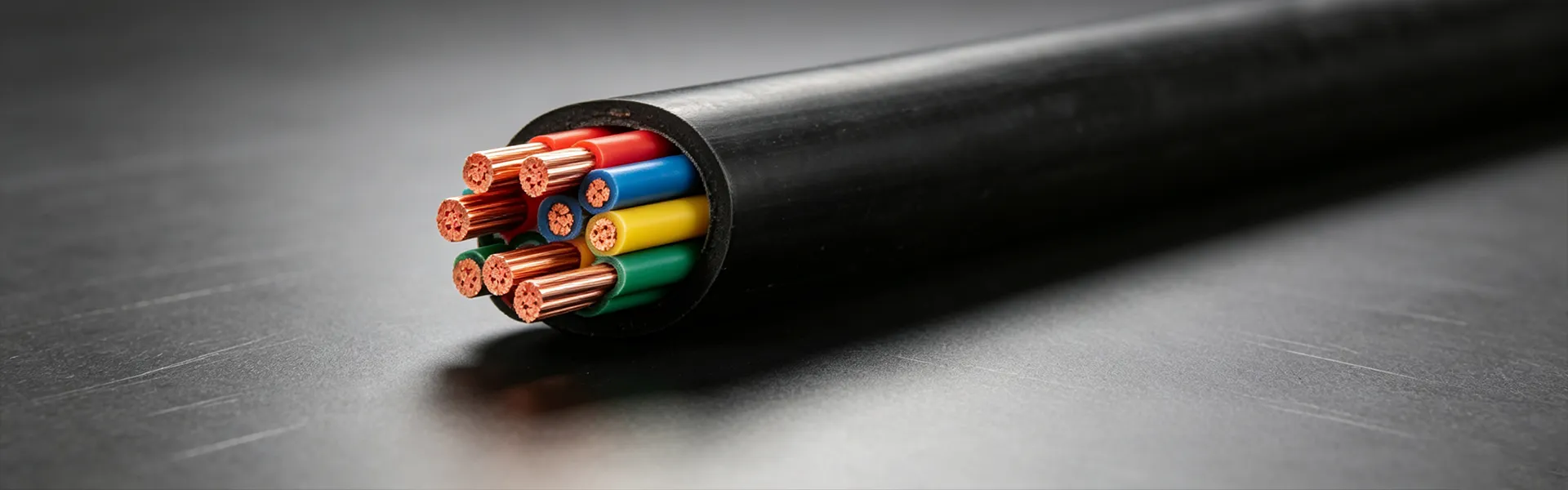
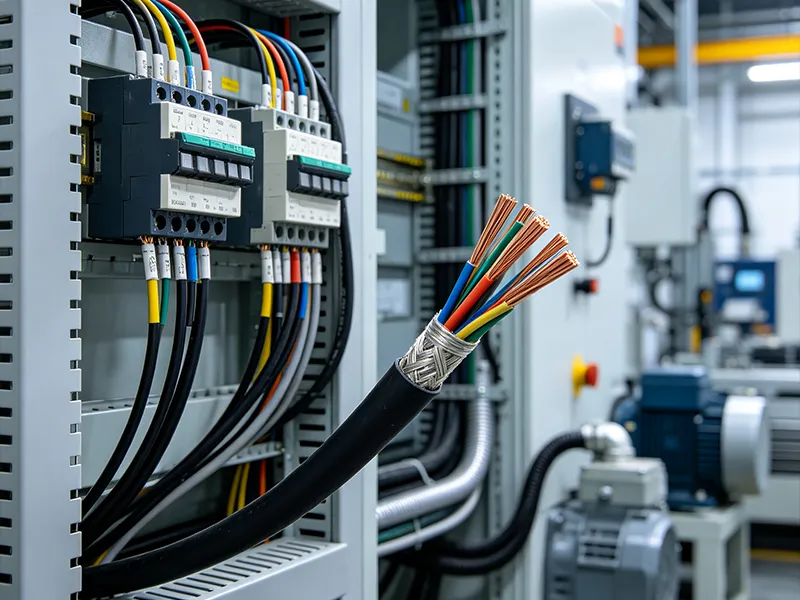
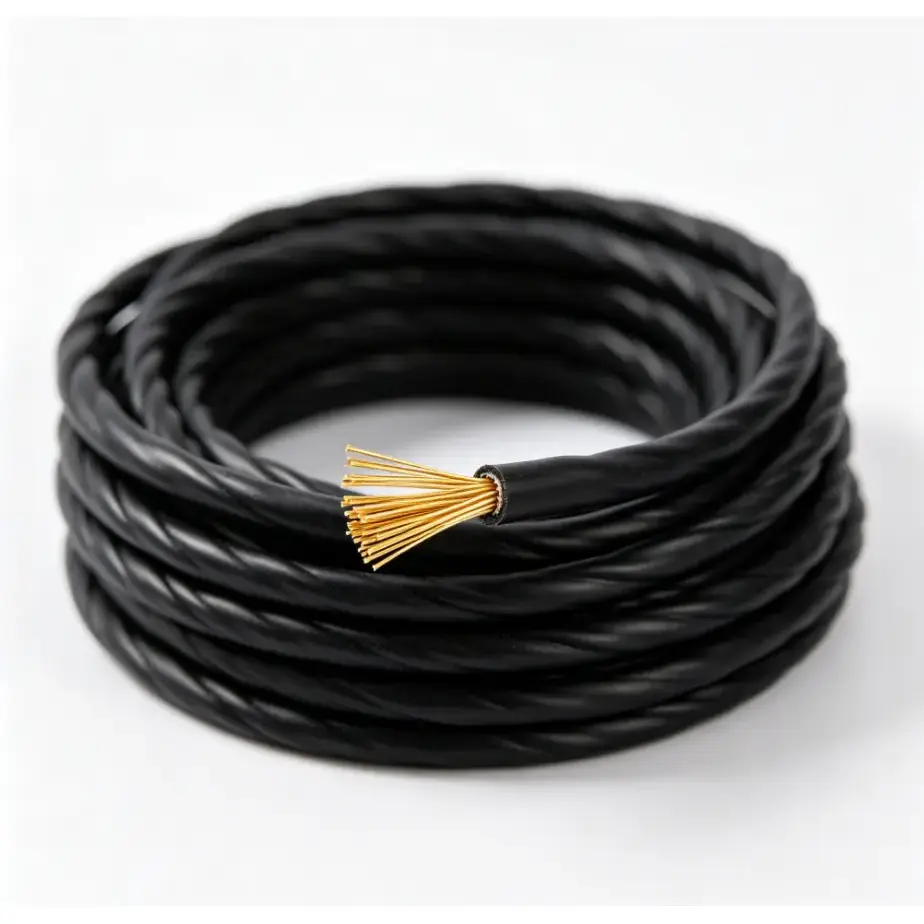
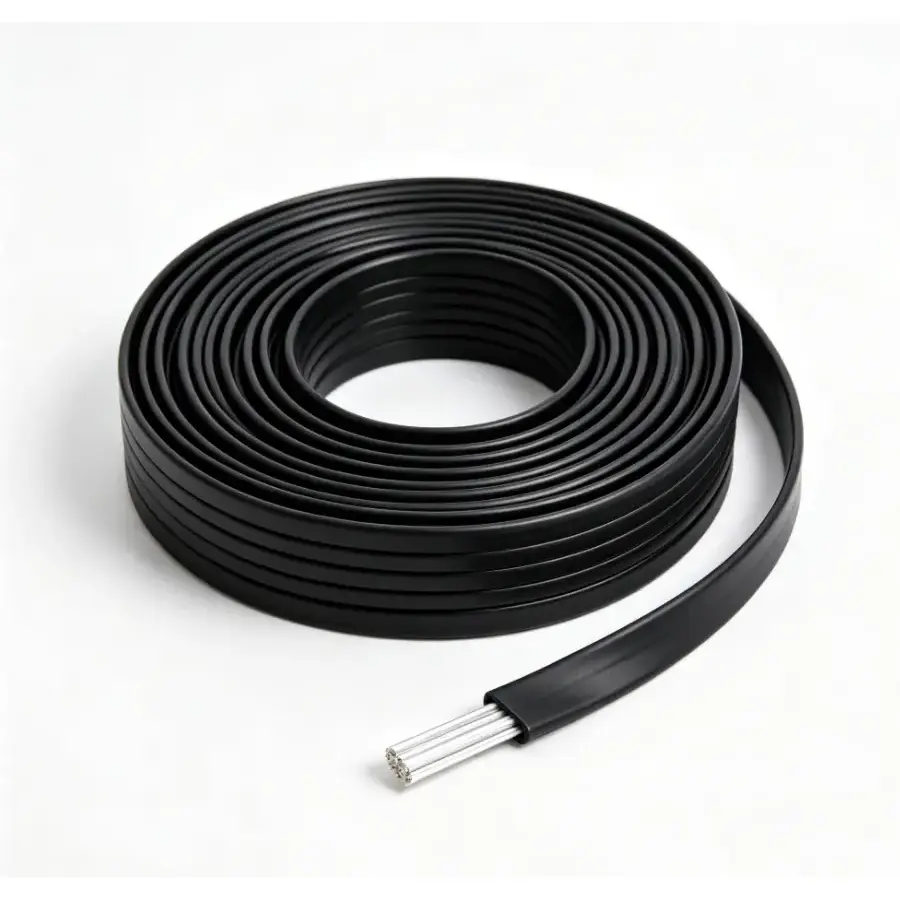
Copper XLPE Fire Resistant Low Voltage Power Cable delivers outstanding fire-resistant performance with superior heat resistance compared to PVC cables. Direct factory supply from Qiancheng. Complete international test documents are available.

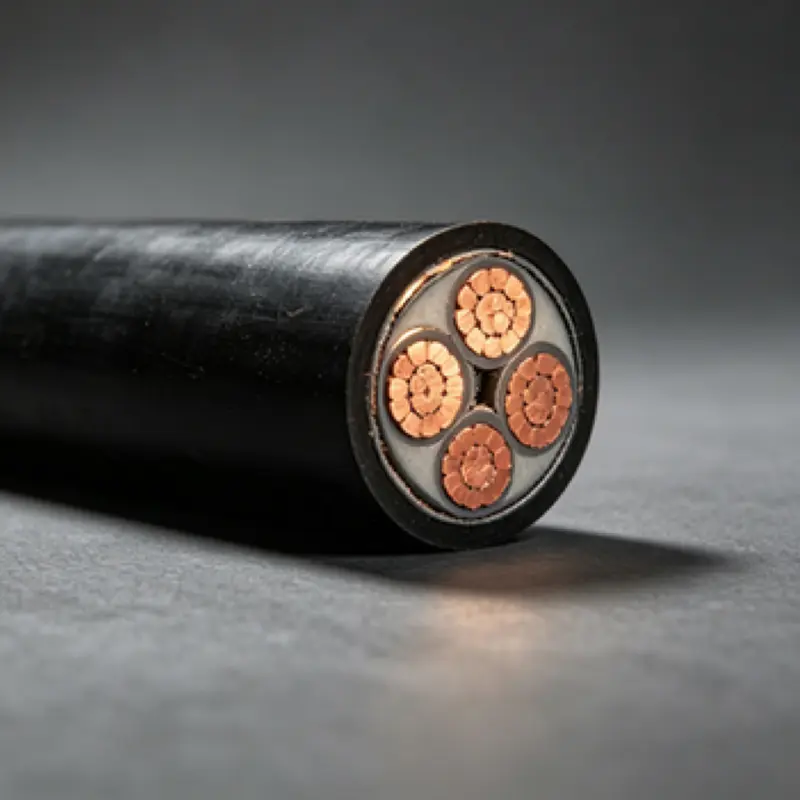
Copper XLPE Fire Resistant Low Voltage Power Cable adopts oxygen-free copper conductors, XLPE insulation and fire-resistant barrier layers. It can maintain power-supply capacity under fire conditions. Different from ordinary flame-retardant cables, it features a higher safety level and serves as the preferred cable for emergency power distribution in overseas public buildings and high-risk premises.

Product Dimensions and Technical Parameters

Nominal section (mm²)

Minimum number of conductor wires

Conductor outer diameter

(mm)

Nominal thickness of XLPE insulation/mm

Approximate outer diameter of insulation/mm

Maximum conductor resistance at 20 ℃(Ω/km)  copper

1.5

1

1.36±0.02

0.7

3.0

12.1

1.5(B)

7

1.56±0.02

0.7

3.2

12.1

2.5

1

1.75±0.02

0.7

3.4

7.41

2.5(B)

7

2.01±0.02

0.7

3.6

7.41

4

1

2.22±0.02

0.7

3.8

4.61

4(B)

7

2.52±0.02

0.7

4.1

4.61

6

1

2.72±0.03

0.7

4.3

3.08

6(B)

7

3.09±0.03

0.7

4.7

3.08

10

6

3.9±0.10

0.7

5.5

1.83

16

6

5.0±0.10

0.7

6.6

1.15

25

6

6.1±0.10

0.9

8.1

0.727

35

6

7.1±0.10

0.9

9.0

0.524

50

6

8.2±0.15

1.0

10.4

0.387

70

12

9.8±0.15

1.1

12.2

0.268

95

15

11.6±0.15

1.1

14.0

0.193

120

18

13.2±0.15

1.2

15.8

0.153

150

18

14.6±0.20

1.4

17.6

0.124

185

30

16.2±0.20

1.6

19.6

0.0991

240

34

18.5±0.20

1.7

22.1

0.0754

300

34

20.5±0.20

1.8

24.3

0.0601

400

53

23.3±0.20

2.0

27.5

0.0470

Raw Materials

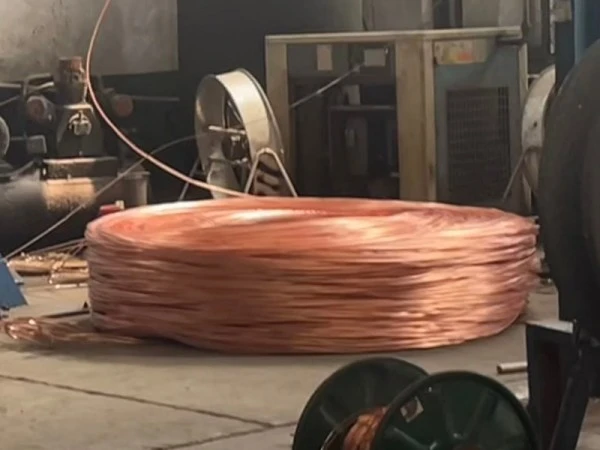
Conductor

Excellent conductivity and stable resistance generate less heat during long-term operation. Multi-strand stranded structure provides better flexibility for laying in complex scenarios.

Insulation Layer

Compared with traditional PVC insulation, it delivers superior heat resistance, anti-ageing performance and chemical corrosion resistance. Its long-term operating temperature can reach 90 ℃ with greatly improved insulation stability.

Fire-resistant Wrapping Layer

This core differentiating material adopts mica fire-resistant layer. When exposed to open-flame burning, it forms a hard heat-insulating carbonized layer to block high-temperature erosion on conductors and guarantee short-term continuous power supply under fire conditions.

Outer Sheath

Wear-resistant, moisture-proof and UV-resistant. It resists moisture and mild corrosion outdoors and in cable trenches to extend the overall service life of the cable. 

Copper Xlpe Fire Resistant Low Voltage Power Cable

Factory Inspection System

Incoming Raw-material Inspection

Sampling tests are performed for copper materials, XLPE pellets and mica fire-resistant tapes. Non-conforming raw materials are prohibited from production.

On-line Production-line Inspection

Conductor cross-section, insulation thickness and fire-resistant wrapping process are monitored in real-time to avoid dimensional deviation and uneven wrapping.

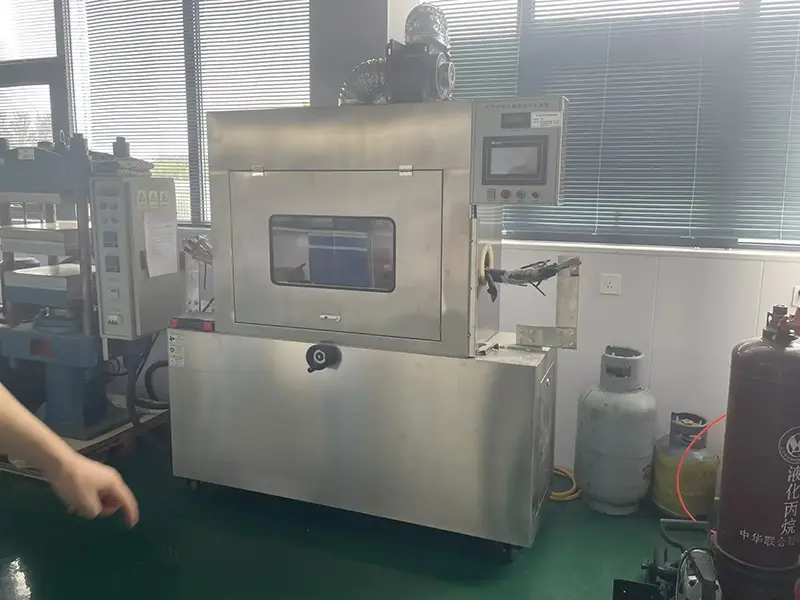
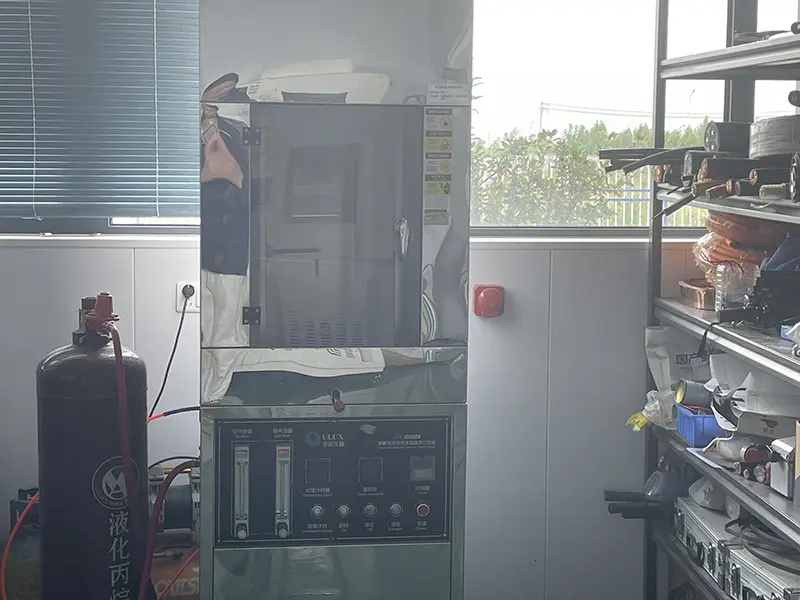
Special-purpose Laboratory Tests for Finished Products

DC resistance test, power-frequency withstand-voltage test, insulation-resistance test, fire-resistant burning test, ageing test and low-temperature bending test fully simulate engineering service conditions.

Pre-delivery Re-check

Appearance, specifications and packaging are inspected item-by-item. Test archives are kept for each batch. English-language test documents can be issued to satisfy overseas project acceptance and customs-clearance requirements.

Copper Xlpe Fire Resistant Low Voltage Power CableCopper Xlpe Fire Resistant Low Voltage Power Cable

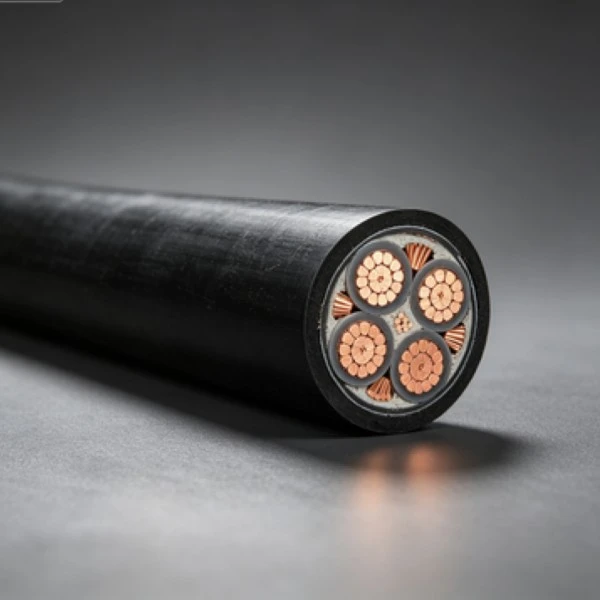
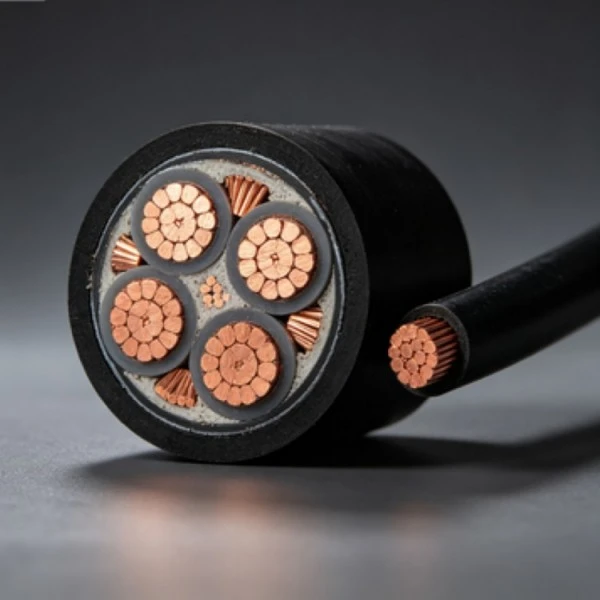
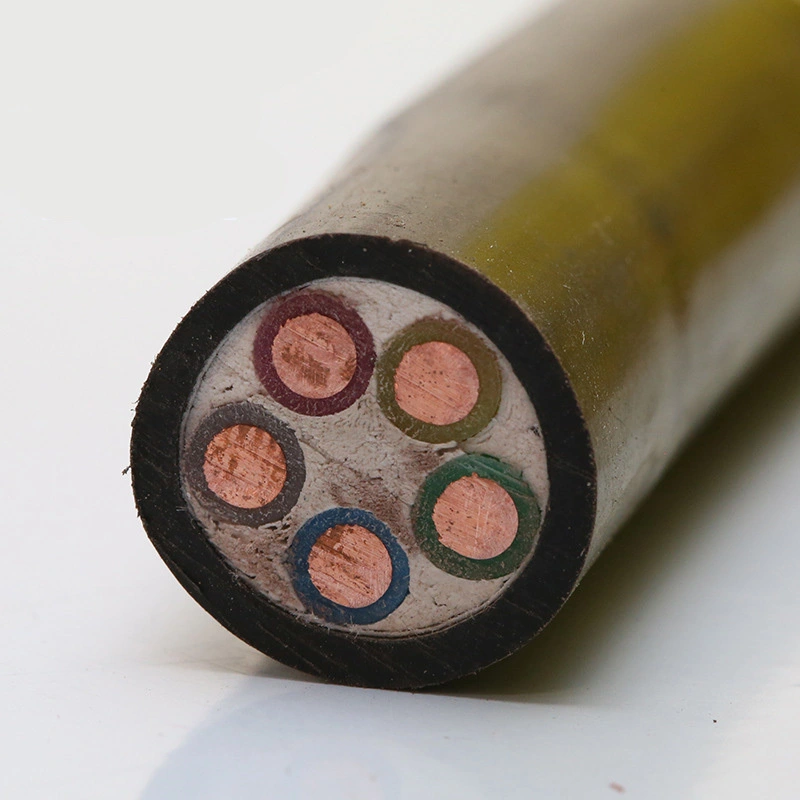
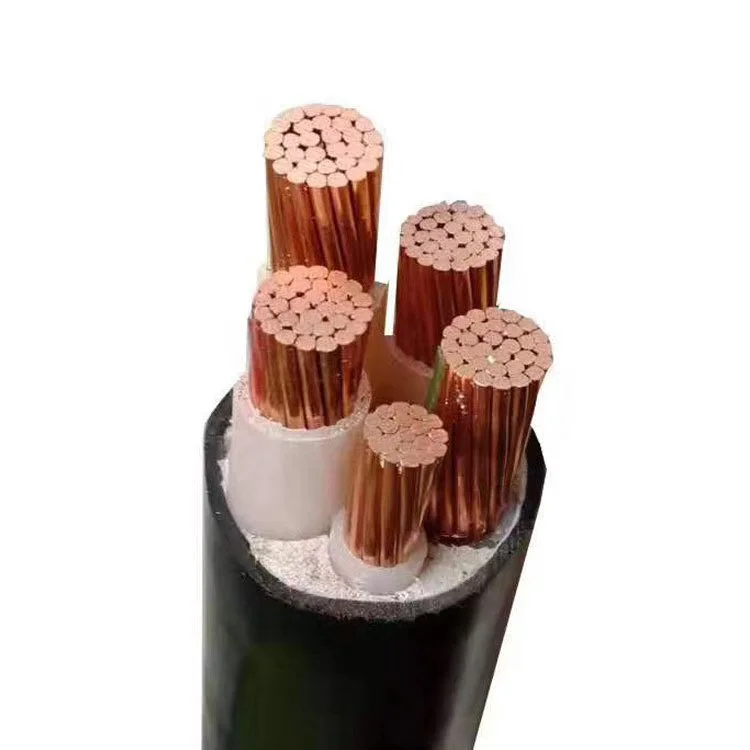
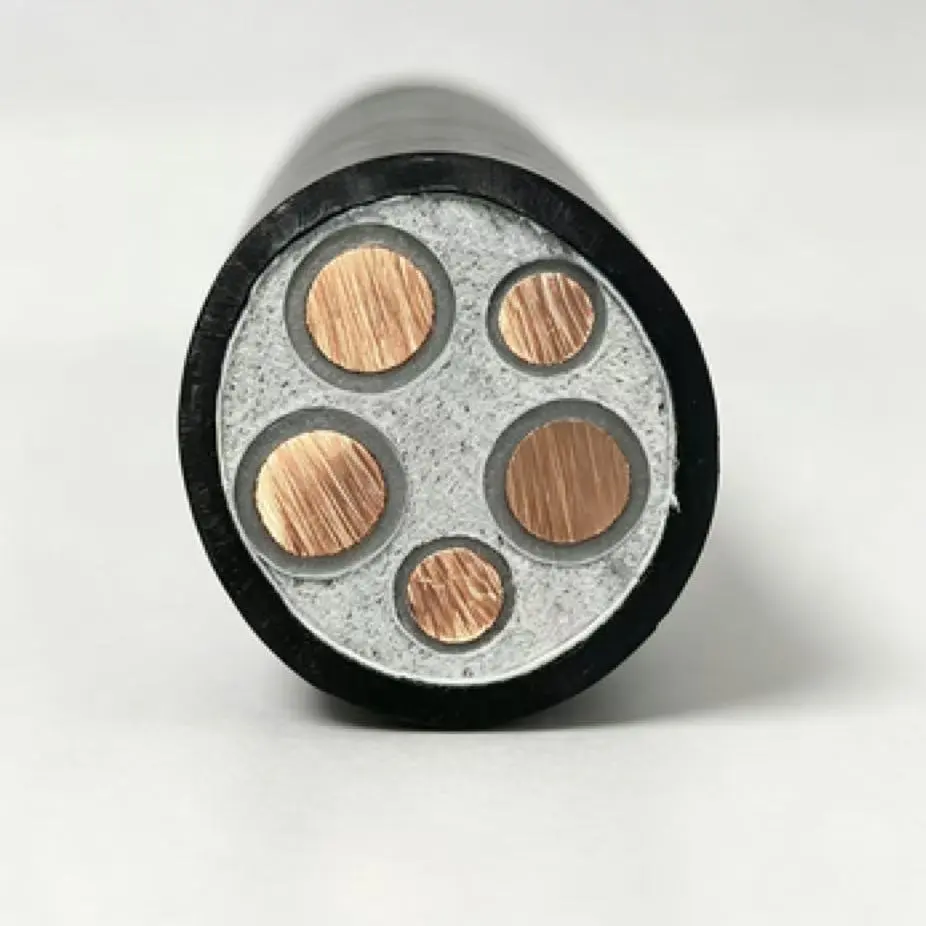
Internal Cable Structure Analysis

Copper Conductor

Current-carrying medium. High-conductivity oxygen-free copper ensures stable power transmission.

Fire-resistant Mica Layer

Core distinctive structure. It isolates high temperature during fire and maintains circuit power supply, which is the biggest difference from ordinary power cables.

XLPE Cross-linked Polyethylene Insulation Layer

Main electrical-insulation component, high-temperature resistant and anti-ageing, not easy to crack in long-term operation.

Filler Layer

Makes the cable compact and round and improves mechanical compression resistance.

Outer Sheath

Provides mechanical protection against friction, moisture, sunlight and mild soil corrosion.

The multi-layer structure works synergistically to realize dual capabilities: stable power transmission under normal conditions and short-term continuous power supply under fire conditions.

Environmental Tolerance & Protection Performance

Core Fire-resistant Advantage

Passes fire-resistant burning tests. It can maintain normal power supply for a certain period under open-flame conditions to ensure the operation of emergency lighting, fire-fighting pumps and alarm systems. Ordinary flame-retardant cables can only slow down fire spread and cannot sustain power supply.

High-temperature Resistance

XLPE insulation allows long-term operating temperature of 90 ℃ and higher short-circuit withstand temperature, with far better heat-resistance performance than PVC-insulated cables.

Anti-ageing & Weather Resistance

Cross-linked polyethylene material is UV-resistant and heat-ageing-resistant for long-term laying on indoor cable trays and in outdoor overhead conditions.

Moisture-proof & Corrosion-resistant

Dense sheath blocks moisture, suitable for humid cable trenches and underground laying. It resists weak acid and weak-alkali corrosion.

Mechanical Protection Performance

Compact overall structure offers good compression and pull-resistance, resisting damage during civil-construction work.

FAQ

Q1: What is the core difference between Copper XLPE Fire Resistant Low Voltage Power Cable and ordinary flame-retardant cables?

A: Ordinary flame-retardant cables are mainly intended to limit flame propagation, while fire-resistant cables are constructed to maintain circuit integrity for a specified period under fire conditions. The cable incorporates mica fire-resistant layers that help maintain electrical continuity during fire exposure, making it applicable to circuits serving fire-fighting pumps, emergency lighting and alarm systems.

Q2: What advantages does XLPE insulation have compared with PVC insulation? What is its long-term operating temperature?

A: The XLPE insulation has a specified long-term operating temperature of up to 90℃. It provides good thermal stability and resistance to aging and chemical exposure. Compared with PVC insulation, XLPE is generally better suited to applications where higher continuous operating temperatures are required, subject to the selected cable specification and installation conditions.

Q3: What material is used for the internal fire-resistant layer, and how does it work?

A: The fire-resistant layer is made from mica fire-resistant tape. Under high-temperature flame exposure, mica maintains its insulating properties and forms a heat-resistant barrier around the conductor, helping protect the electrical insulation system and maintain circuit continuity for the specified fire-resistant period.

Q4: What tests are included in factory delivery inspection? Can English-language test documents be provided for export projects?

A: Inspection can include raw-material checks, production-line monitoring, finished-product conductor resistance testing, power-frequency withstand-voltage testing, insulation-resistance testing, fire-resistant burning tests, aging tests and low-temperature bending tests. Relevant test records can be retained by batch, and English-language technical or test documents can be provided according to the documentation requirements of overseas projects.

Q5: Can the cable be used in humid cable trenches, outdoor overhead installations and direct underground burial?

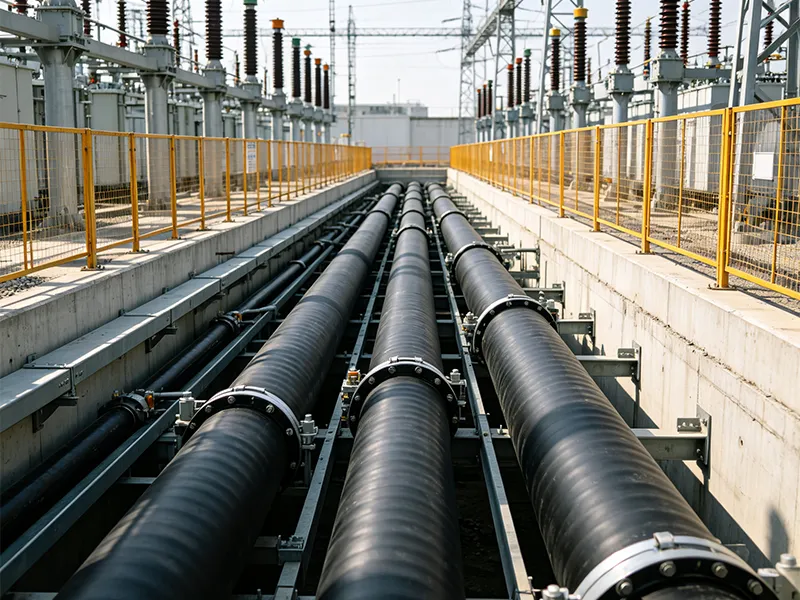
A: The applicable laying method depends on the cable construction and site conditions. The sheath provides protection against moisture, UV exposure and weak acid or weak alkali environments. The cable can be considered for indoor cable trays, outdoor overhead routing, humid cable trenches and certain direct-buried applications where the mechanical, environmental and installation requirements have been confirmed.

Q6: How many main layers does the cable have, and what is the function of each layer?

A: The main construction can be described in five layers:

1. Oxygen-free copper conductor for electrical current transmission;

2. Fire-resistant mica layer to help maintain circuit continuity under fire conditions;

3. XLPE insulation layer providing electrical insulation and thermal stability;

4. Filler layer for structural support and dimensional stability;

5. Outer sheath providing protection against mechanical wear, moisture and outdoor exposure.

The combined construction addresses both normal power transmission and fire-resistant circuit requirements.

Q7: What material is used for the conductor? How flexible is the cable during wiring?

A: The conductor is made of high-purity oxygen-free copper. A stranded conductor construction provides greater flexibility than a solid conductor of the same cross-section, making routing and connection work easier in cable trays, conduits and other confined wiring spaces. Electrical performance should be evaluated according to the conductor size and applicable cable specification.

Q8: How does the insulation perform under short-circuit conditions? Can the cable be used in humid underground environments?

A: XLPE insulation has a short-circuit temperature limit of up to 250℃ for the specified short duration, subject to the applicable cable standard and operating conditions. Finished cables can undergo power-frequency withstand-voltage and insulation-resistance testing before delivery. For humid underground installations, the sheath, insulation system, drainage conditions and laying method should all be considered to maintain long-term electrical performance.

Hot Tags: Copper XLPE Fire Resistant Cable, Fire Resistant Low Voltage Power Cable, XLPE Insulated Fire Resistant Cable
Send Inquiry
Contact Info

Looking for the right cable for a project or application? Send your requirements to Qiancheng Cable for product selection and quotation. You can provide the cable type, voltage rating, conductor material, cross-section, core number, insulation, application and required quantity.

Whether you need standard cables or specification-based production, our team can review your requirements and recommend suitable product options from our manufacturing range.

X
We use cookies to offer you a better browsing experience, analyze site traffic and personalize content. By using this site, you agree to our use of cookies. Privacy Policy
RejectAccept