Products
Aluminum PVC Low Voltage Power Cable
  • Aluminum PVC Low Voltage Power CableAluminum PVC Low Voltage Power Cable
  • Aluminum PVC Low Voltage Power CableAluminum PVC Low Voltage Power Cable
  • Aluminum PVC Low Voltage Power CableAluminum PVC Low Voltage Power Cable

Aluminum PVC Low Voltage Power Cable

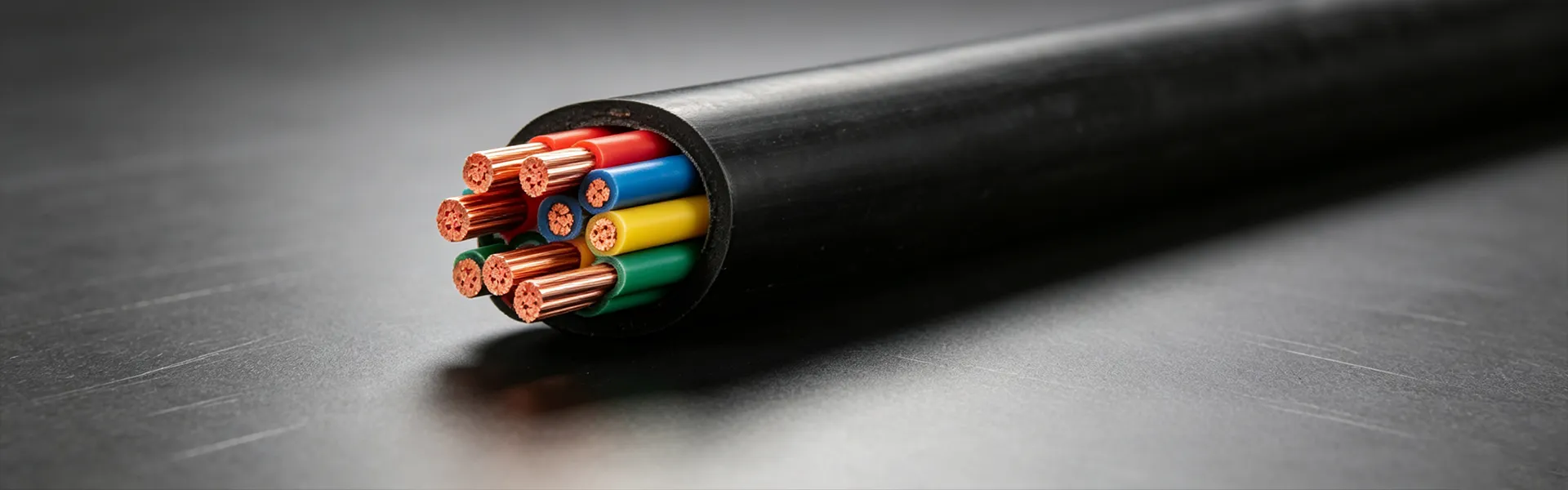
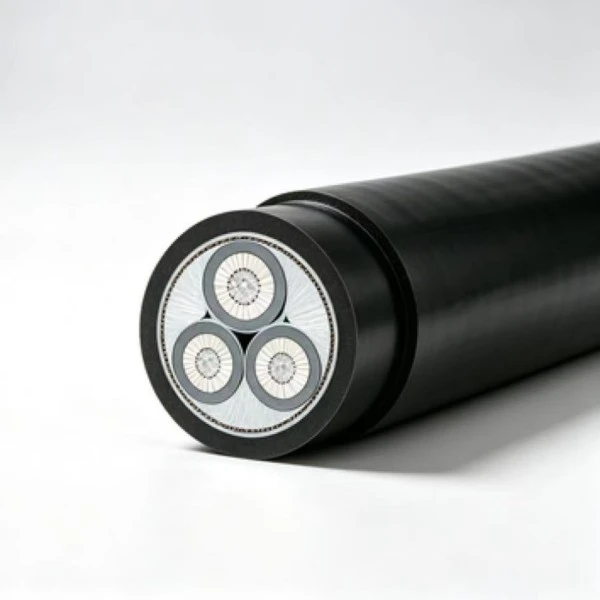
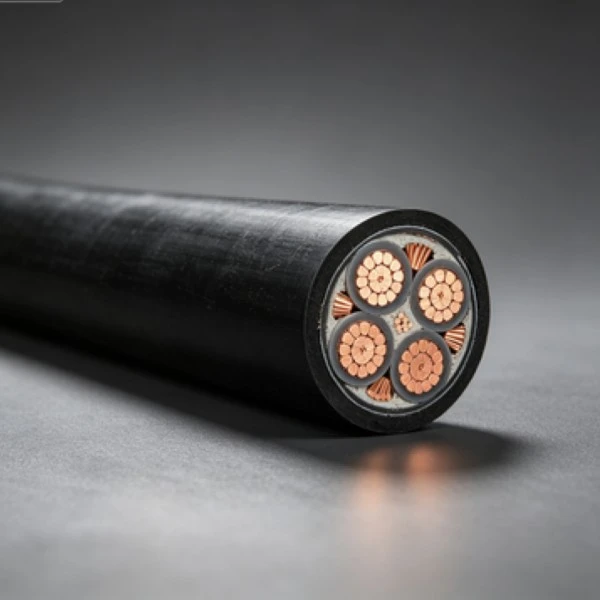
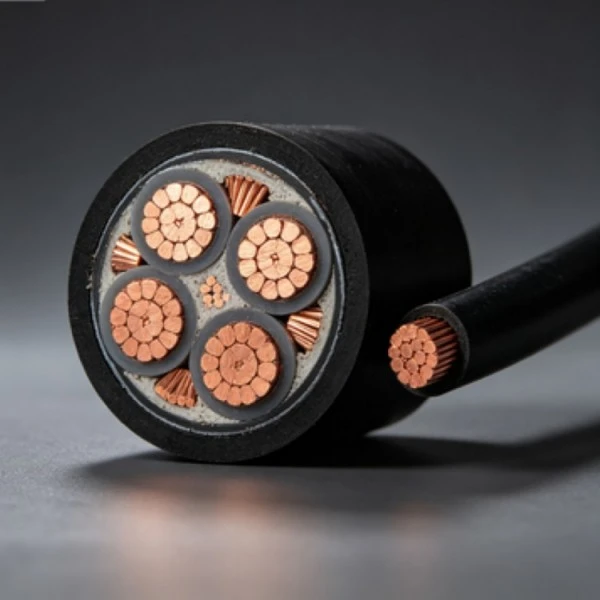
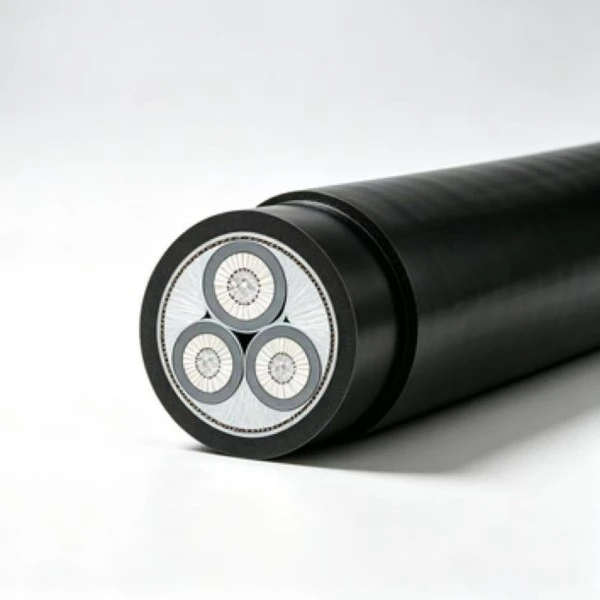
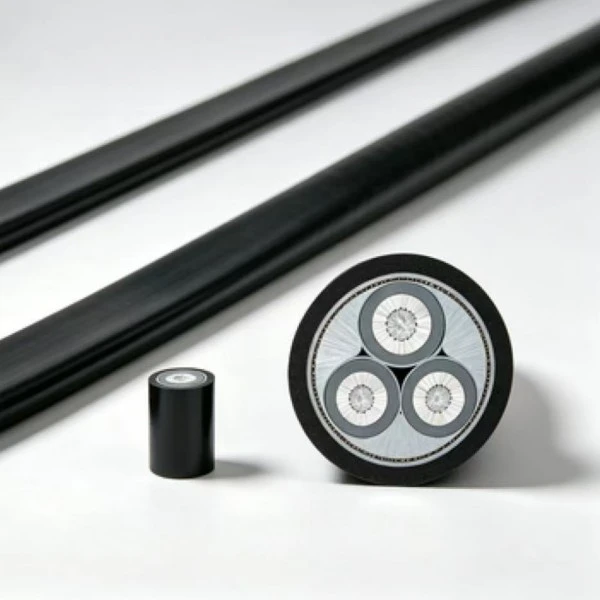
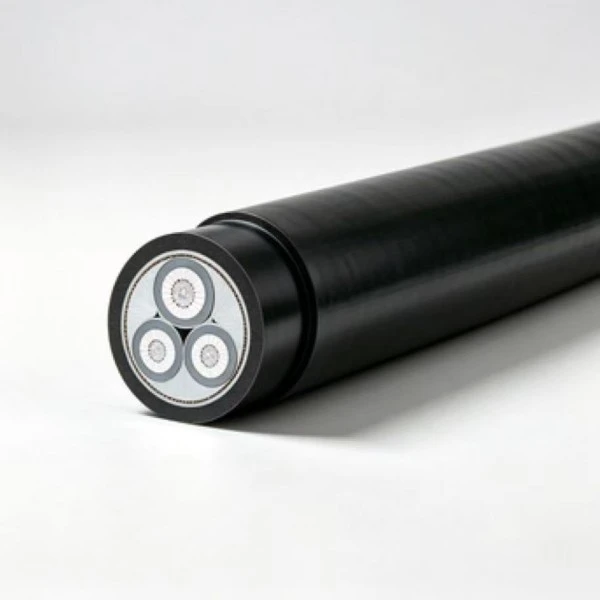
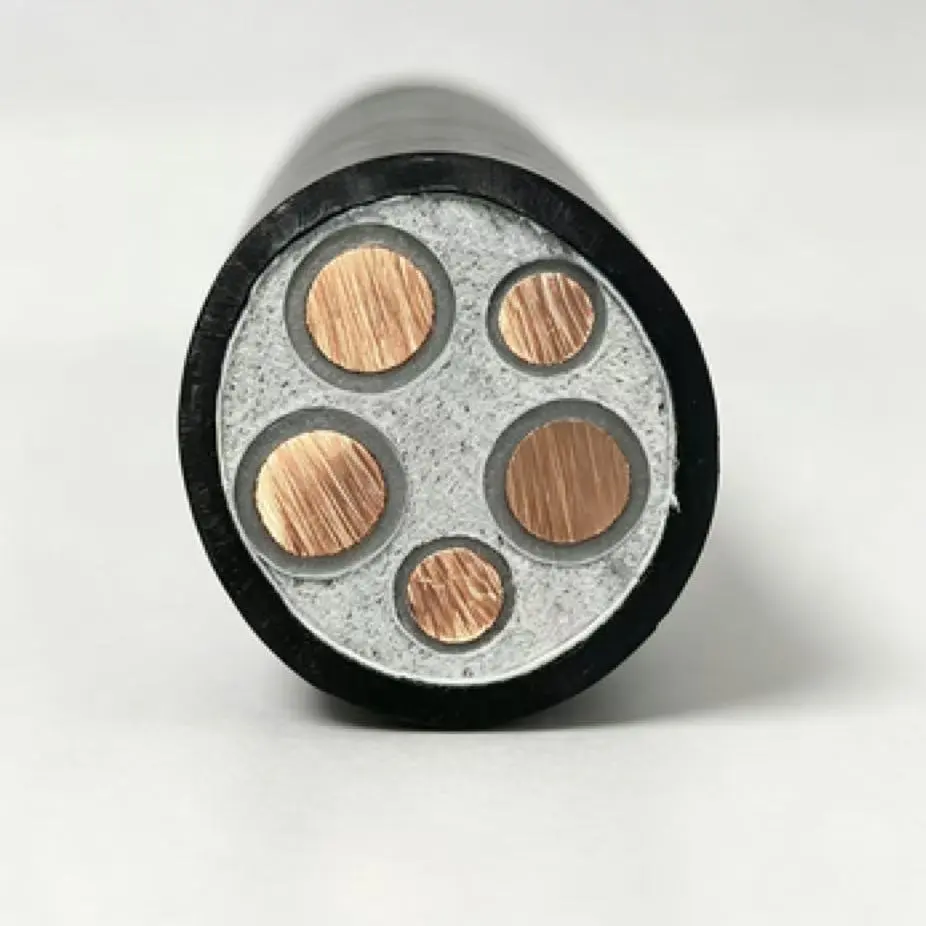
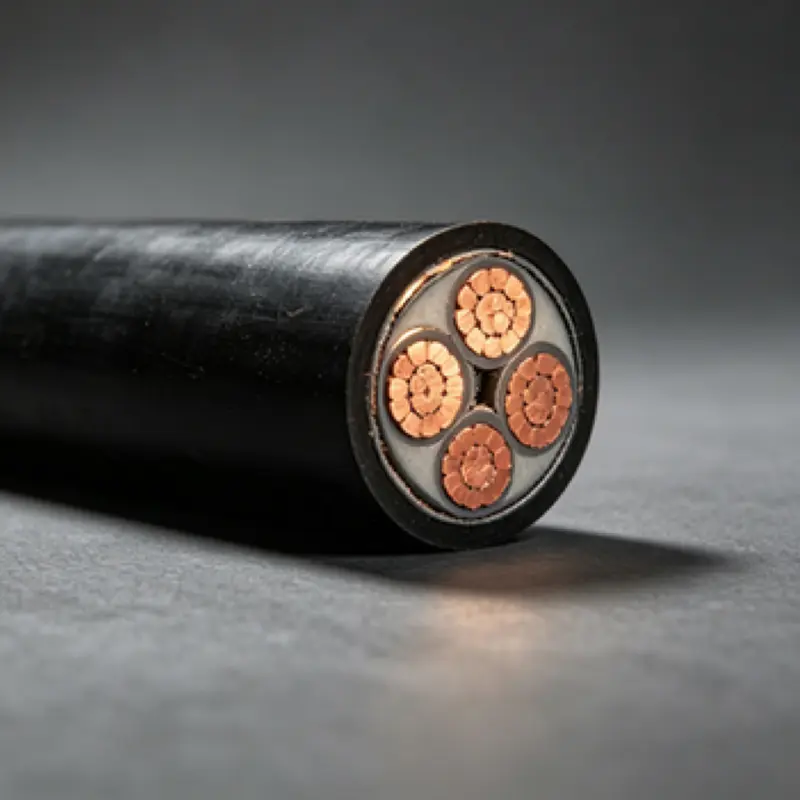
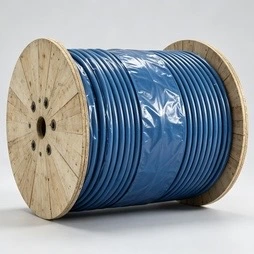
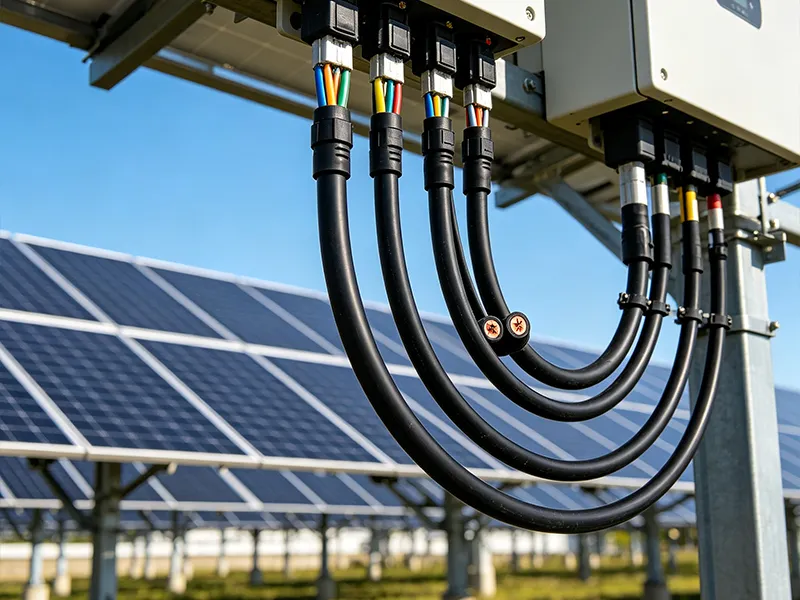
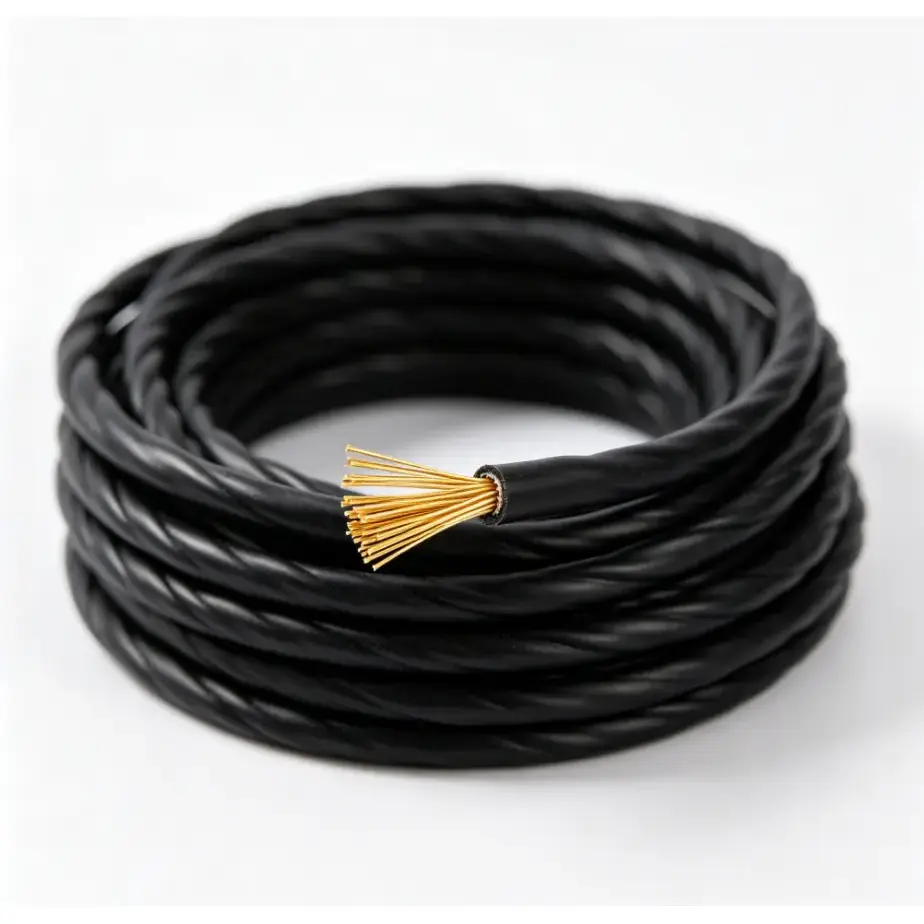
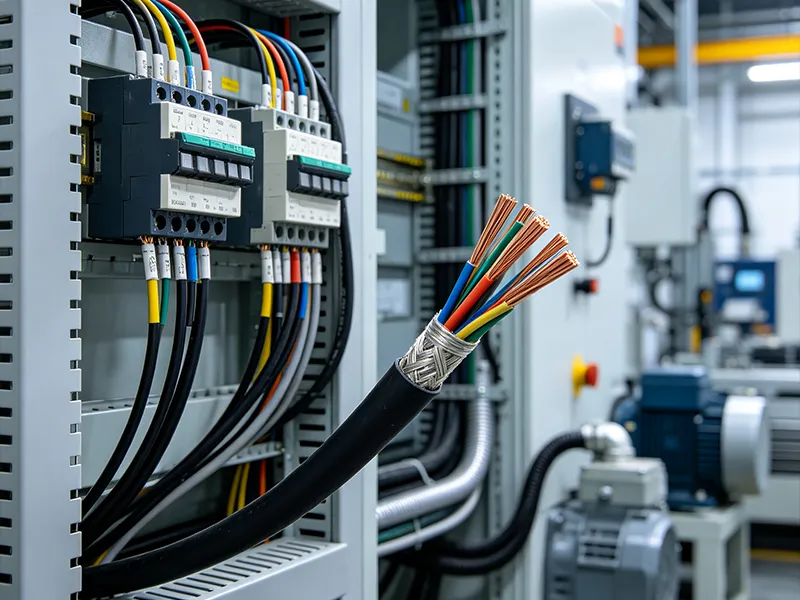
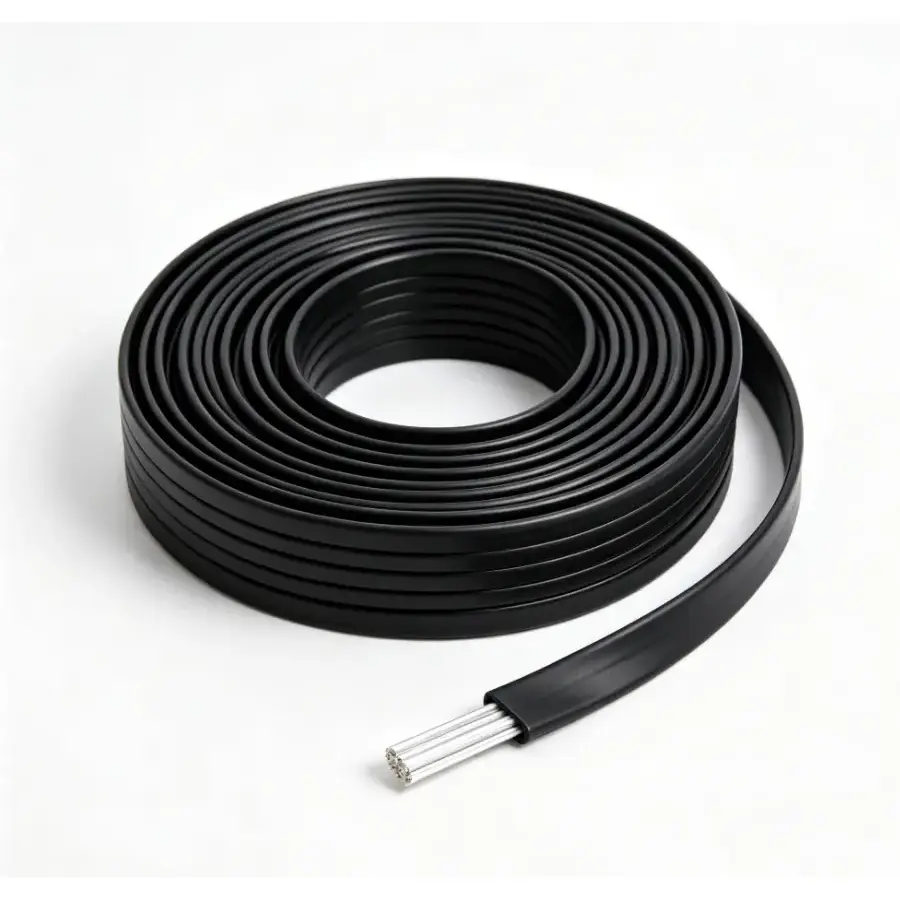
Aluminum PVC Low Voltage Power Cable delivers high cost-performance, easy-to-handle installation and long-lasting insulation. Supplied professionally by Qiancheng Cable, a Chinese original manufacturer. Wholesale and custom-made services are available with sufficient stock and competitive prices. Purchasers are welcome to make inquiries!

Product Models: VLV, VLV6(2)2, VLY, VLV6(2)3, etc.

Aluminum PVC Low Voltage Power Cable adopts high-purity aluminum conductors featuring stable conductivity and light weight for easy installation, which greatly cuts project procurement costs. Rated for 0.6/1 kV low-voltage power transmission, it fits multiple fixed-laying conditions including indoor, outdoor and cable-trench applications.

Aluminum Pvc Low Voltage Power Cable

Product Dimensions and Technical Parameters

Nominal cross-section

(mm²)

Minimum number of conductor wires

Insulation thickness

(mm)

Sheath thickness

(mm)

Approximate cable outer diameter

(mm)

Conductor DC resistance

(Ω/km)Al

Test voltage

(kV/5min)

Ampacity in air

(A)-Al

Ampacity in direct-buried soil(A)-Al

1×10

6

1.0

1.4

8

≤3.08

3.5

59

69

1×16

6

1.0

1.4

9

≤1.91

3.5

78

90

1×25

6

1.2

1.4

10

≤1.20

3.5

100

115

1×35

6

1.2

1.4

12

≤0.868

3.5

125

135

1×50

6

1.4

1.4

13

≤0.641

3.5

150

165

1×70

12

1.4

1.4

14

≤0.443

3.5

190

200

1×95

15

1.6

1.5

16

≤0.320

3.5

230

240

1×120

18

1.6

1.5

18

≤0.253

3.5

370

275

1×150

18

1.8

1.6

21

≤0.206

3.5

310

310

1×185

30

2.0

1.7

23

≤0.164

3.5

360

355

1×240

34

2.2

1.8

25

≤0.125

3.5

430

410

1×300

34

2.4

1.9

34

≤0.100

3.5

495

465

1×400

53

2.6

2.0

37

≤0.0778

3.5

590

535

Technical Performance

Bending Radius:

Permissible bending radius for single-core cables: \(20\times(d+D)\pm5\%\)

Permissible bending radius for multi-core cables: \(15\times(d+D)\pm5\%\)

D = Actual outer diameter of cable (mm)

d = Actual diameter of conductor (mm)

Laying Temperature:

Pre-heating shall be performed before laying if ambient temperature is below 0 ℃.

Laying Height Difference:

No limitation on vertical laying height difference for the cable.

Aluminum Pvc Low Voltage Power CableAluminum Pvc Low Voltage Power Cable

Ampacity Correction Coefficients under Different Ambient Temperatures

Air temperature

Operating temperature(℃)

15

10

15

20

25

30

35

40

45

50

1.30

1.26

1.22

1.18

1.44

1.09

1.04

1.0

0.96

0.89

 Soil temperature

5

10

15

20

25

30

35

1.44

1.11

1.07

1.04

1.00

0.96

0.92

Laying & Application Scenarios

Indoor Fixed Laying in Factory Premises

Widely used for low-voltage power distribution circuits inside factory workshops and warehouses, routed along walls and cable trays. With stable cable structure and reliable PVC insulation protection, Aluminum PVC Low Voltage Power Cable meets power-supply requirements for factory power-driven equipment. Featuring convenient construction, it is suitable for long-distance indoor main power distribution.

Outdoor Exposed Laying

It can be overhead installed along factory compound walls and utility poles. The PVC outer sheath possesses excellent ageing resistance against sunlight, wind and rain erosion. It is commonly applied for township power distribution and external main power-supply lines of industrial parks to reduce overall project procurement cost.

Laying in Cable Trenches / Tunnels

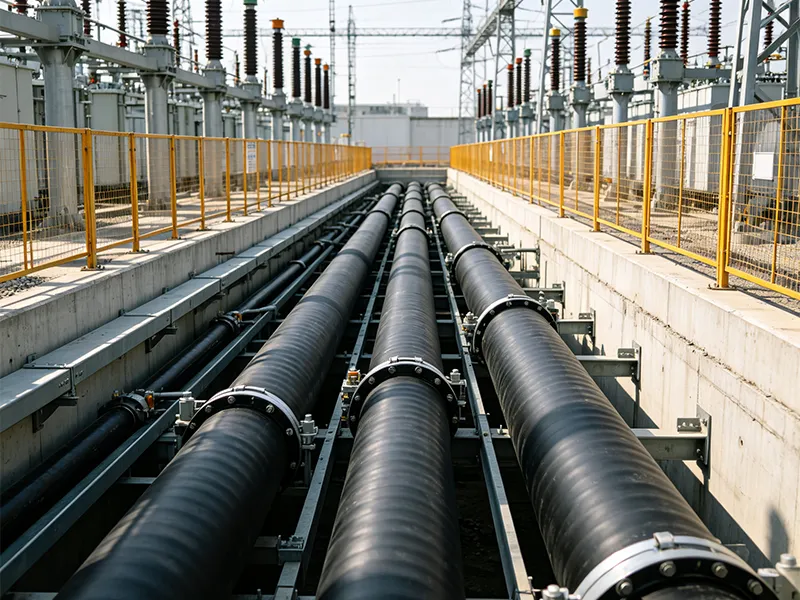
Installed in underground cable trenches and comprehensive utility tunnels. Ventilated environment provides favorable heat-dissipation performance and facilitates later-stage circuit inspection and maintenance. It is extensively adopted in municipal supporting facilities and underground power-distribution systems of industrial parks.

Direct-buried Soil Laying

It can be directly buried into underground soil with basic protective measures. Suitable for suburban road projects, rural power-grid renovation and outdoor power-supply lines of industrial parks. The lightweight aluminum-conductor cable lowers transportation and cable-pulling difficulties and fits large-scale infrastructure projects.

New Rural Power-grid Renovation Projects

Preferred option for rural main power-distribution lines with prominent cost-performance. It is used for low-voltage power transmission from village transformers to end-users. It shows great advantages for large-volume bulk procurement and is a widely-used cable for rural power-grid upgrading projects.

FAQ

Q1: What voltage rating is applicable, and can the cable be used for outdoor projects?

A: Aluminum PVC Low Voltage Power Cable is rated at 0.6/1 kV for conventional low-voltage power distribution. Depending on the cable construction and site conditions, installation methods can include outdoor overhead routing, cable trenches and certain direct-buried applications. The PVC sheath provides resistance to normal outdoor exposure, but long-term sunlight, moisture, temperature and mechanical conditions should be considered during cable selection.

Q2: What is the minimum bending radius? Can the cable be installed at low temperatures?

A: For single-core cables, the specified bending requirement is 20 × (d + D) ±5%, subject to the applicable product specification. When the laying ambient temperature is below 0℃, appropriate preheating should be carried out before installation. Direct installation without the required temperature treatment should be avoided because low-temperature PVC can become less flexible and more susceptible to mechanical damage.

Q3: Are different conductor cross-sections and custom cable lengths available?

A: The listed product range covers conductor cross-sections from 1.5 mm² to 1000 mm². Standard specifications can be supplied according to production availability, while cut-to-length requirements and cable marking can be discussed for project orders. Both sample quantities and larger overseas orders can be reviewed according to the required specification and quantity.

Q4: What are the advantages of aluminum conductors compared with copper conductors?

A: Aluminum has a lower density than copper, so an aluminum-conductor cable can reduce overall cable weight and make transportation and installation handling easier. Its material cost can also be lower than copper, which may be relevant to long-distance circuits and larger procurement quantities. Selection should consider current capacity, voltage drop, cable length, installation method and total project cost.

Q5: Can English-language test reports and technical documents be provided for overseas projects?

A: Factory inspection records and relevant electrical test reports can be provided according to the product specification and order requirements. English-language documents can also be prepared for overseas project review or customs documentation when required. The exact certificate and test-report package should be confirmed according to the destination market and project acceptance requirements.

Q6: Is additional protection required for direct-buried installation?

A: Direct burial can be considered where the soil and installation conditions are within the specified application range. Additional protective sleeves or conduits are recommended where the cable may be exposed to strong acid-alkali conditions, excessive moisture, mechanical impact or other abnormal environmental factors. The burial depth, drainage and mechanical protection should also follow the applicable installation requirements.

Q7: What factors determine the delivery lead time? Is expedited production possible?

A: Delivery time depends on the cable specification, conductor cross-section, order quantity, production schedule and packaging or documentation requirements. Standard specifications may have shorter lead times when production capacity and materials are available. For custom or large-volume orders, the required quantity and target delivery date should be confirmed in advance so that the production schedule can be arranged accordingly.

Q8: How does ambient temperature affect the long-term current-carrying capacity?

A: The allowable current decreases as the ambient temperature increases because heat dissipation becomes less effective. The applicable temperature correction coefficient should therefore be considered when selecting the conductor size and installation method. For enclosed or poorly ventilated locations where the ambient temperature remains above 40℃, additional thermal assessment may be required before final cable selection.


Hot Tags: Aluminum PVC Low Voltage Power Cable, aluminum conductor cable, PVC insulated low voltage cable, 0.6/1kV power cable
Send Inquiry
Contact Info

Looking for the right cable for a project or application? Send your requirements to Qiancheng Cable for product selection and quotation. You can provide the cable type, voltage rating, conductor material, cross-section, core number, insulation, application and required quantity.

Whether you need standard cables or specification-based production, our team can review your requirements and recommend suitable product options from our manufacturing range.

X
We use cookies to offer you a better browsing experience, analyze site traffic and personalize content. By using this site, you agree to our use of cookies. Privacy Policy
RejectAccept