News

Do You Know About Power Cables? Components, Types and Application Fields.

2026-11-24 0 Leave me a message

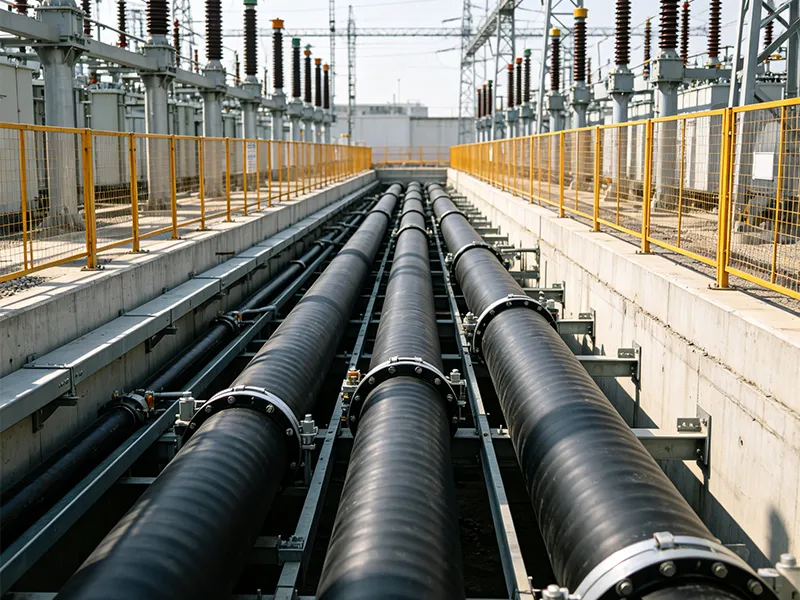
Power cables are the fundamental components of modern power systems, safely and reliably transmitting electrical energy from the power source to the load end. Whether in residential buildings, industrial plants, or new energy facilities and high-voltage transmission networks, power cables are the core carriers for the transmission of electrical energy.

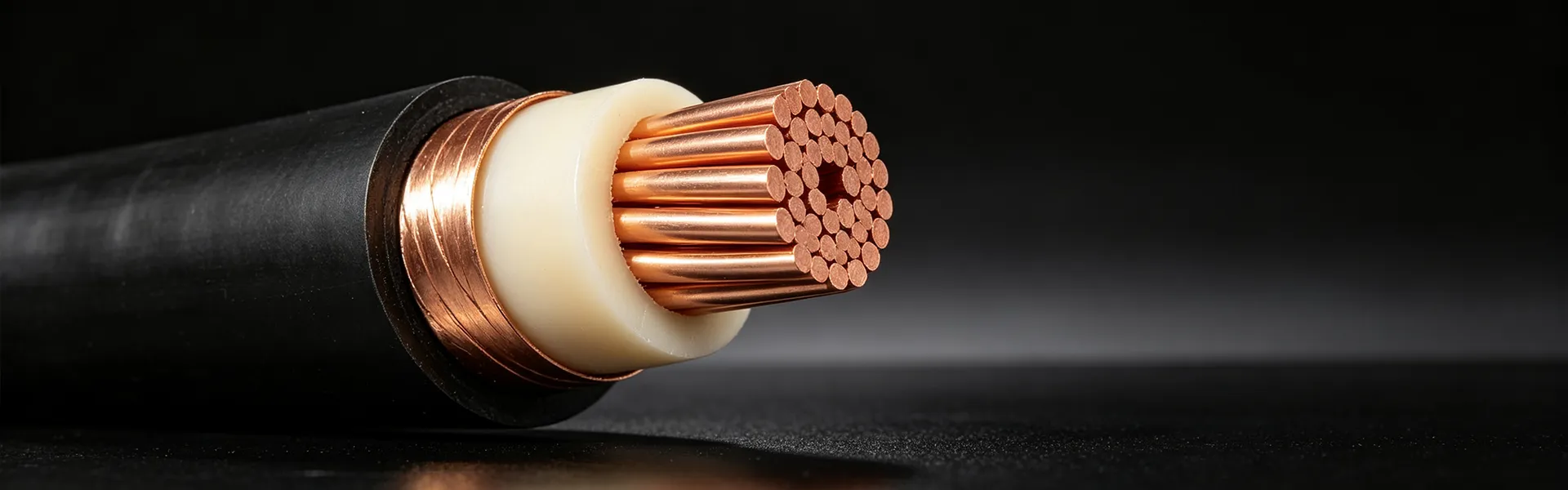
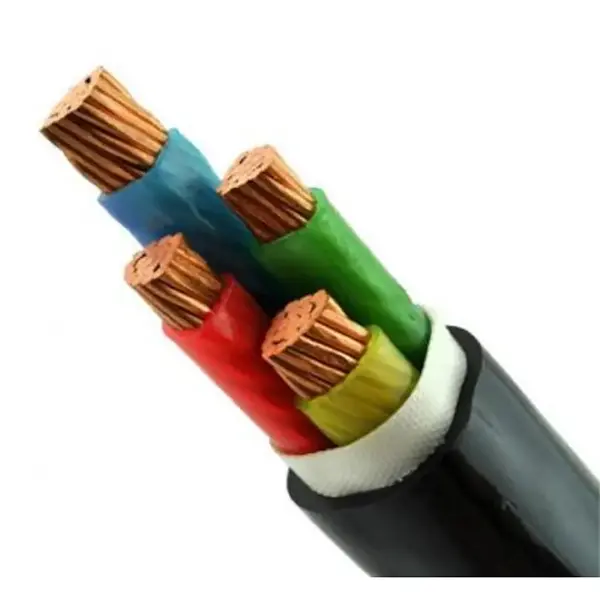
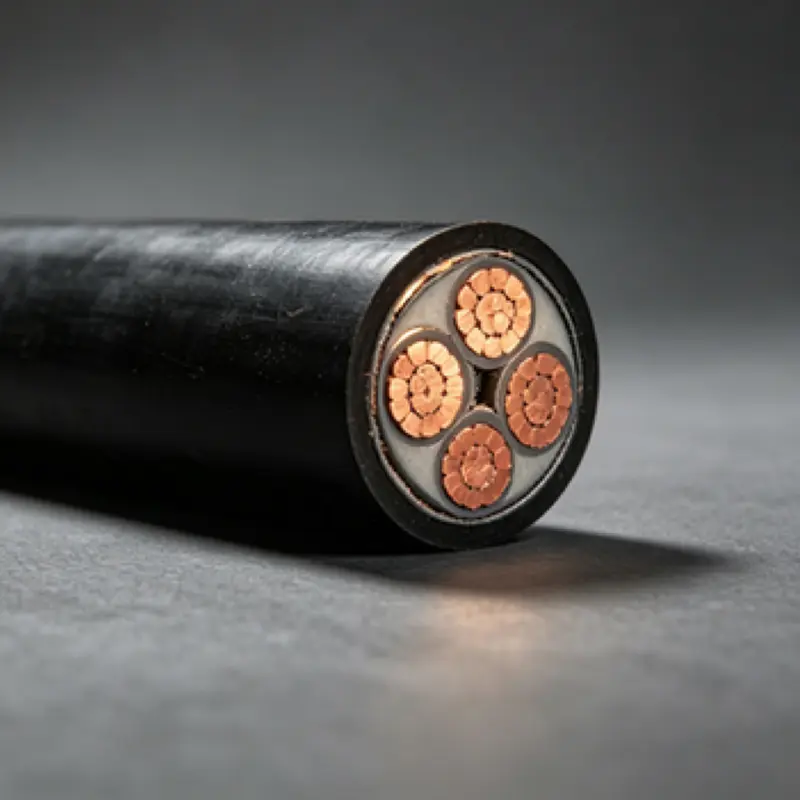
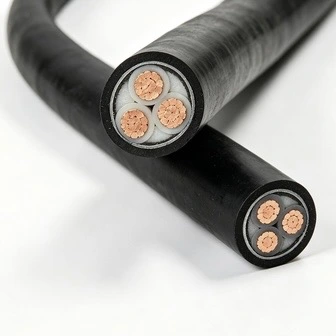
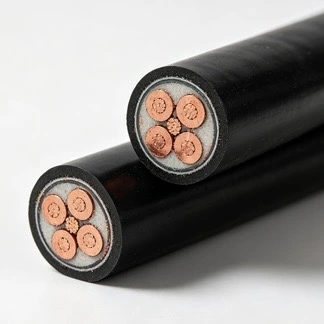
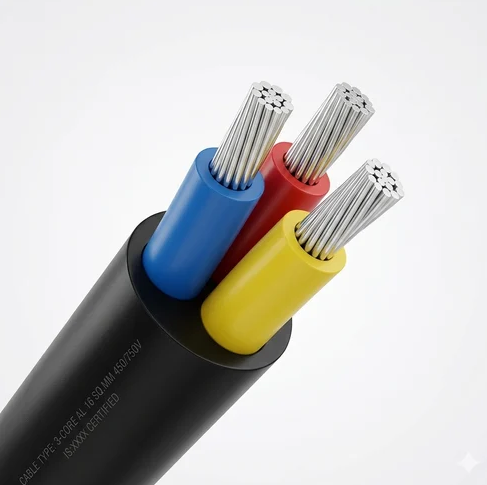
The basic structure of power cables includes conductors, insulation layers, sheaths and armor layers. The conductors are generally made of copper or aluminum to ensure excellent conductivity; insulation layers such as XLPE cross-linked polyethylene and PVC polyvinyl chloride can prevent leakage and withstand high voltage; the outer sheath provides mechanical protection and environmental protection. According to voltage levels and application scenarios, power cables are classified as low-voltage cables (below 1kV), medium-voltage cables (1–35kV), high-voltage cables (35–220kV), and ultra-high-voltage cables (above 220kV); by laying method, they can be divided into overhead cables, underground cables and submarine cables.

In the context of the energy transition, the importance of power cables is constantly increasing. With the rapid development of renewable energy sources such as wind power and photovoltaic power, high-voltage direct current submarine cables (HVDC) have become the key for connecting offshore wind farms to the onshore power grid, enabling long-distance and low-loss power transmission. Urbanization development has prompted the gradual replacement of overhead lines with underground cables, improving the urban appearance and enhancing power supply reliability. In line with the environmental protection trend, low-smoke, halogen-free and flame-retardant cables are becoming increasingly popular, reducing fire risks and meeting the requirements of sustainable development.

Looking to the future, with the continuous popularization of smart grids and charging infrastructure, power cables will develop towards higher voltages, intelligence and greenness, ensuring the efficient, safe and green operation of the power system.


Components of Power Cables

Although the designs may vary, most power cables share common structural elements:

1. Conductor

Made of copper or aluminum

Responsible for transmitting electrical energy

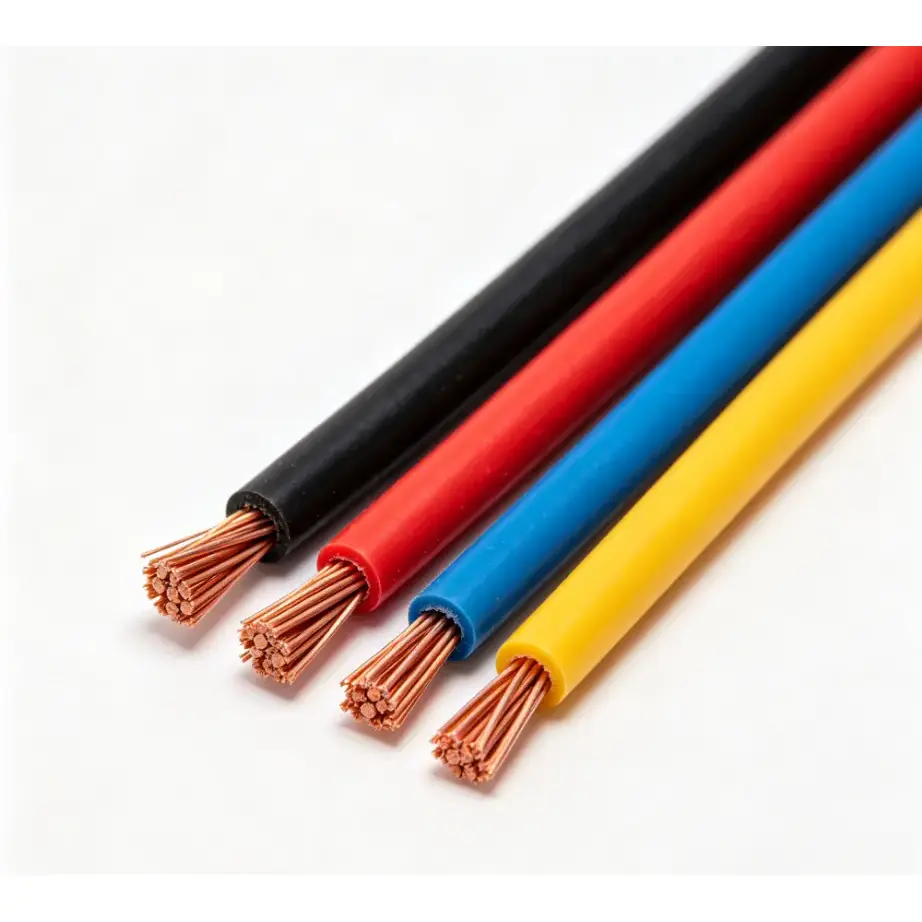
Can be solid or twisted structure (twisted wires are easier to bend and provide greater flexibility)

2. Insulation Layer

Prevents electric shock and short circuits

Common materials: PVC, XLPE, EPR

Determines voltage level and thermal performance

3. Sheath/Outer Protective Layer

Provides mechanical protection and environmental protection

Prevents moisture, chemical corrosion and wear

4. Optional Armor or Shielding Layer

Used for installations in industrial, underground or high-risk environments

Enhances durability and safety


Common Types of Power Cables

1. Low-voltage Power Cables

Used in residential and commercial electrical systems, with voltages typically not exceeding 1 kV.

Applications include lighting, socket circuits, and small machinery.

Examples:

PVC insulated electrical cable

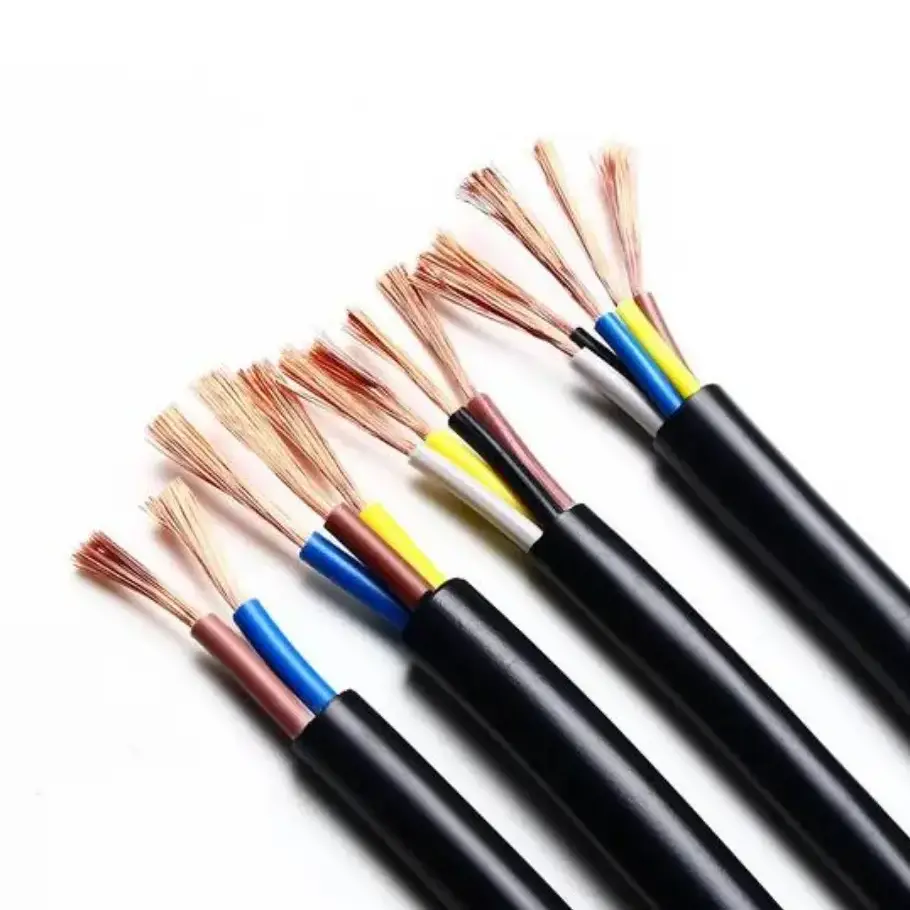
Flexible cable for appliances and extension cords

2. Medium-voltage Power Cables

With voltages ranging from 1 kilovolt to 35 kilovolts, usually used in industrial plants, substations, and distribution networks.

Typical uses:

Power distribution in factories

Public feeders

Renewable energy collection systems

3. High-voltage Power Cables

Designed specifically for high-voltage transmission above 35 kilovolts, usually exceeding 110 kilovolts.

Main applications:

Power transmission lines

Grid interconnections

Large infrastructure projects

High-voltage power cables require advanced insulation systems and strict installation standards to manage electric field stress.

4. AC Power Cables

Most power cables in the construction and industrial sectors are designed for alternating current, and alternating current dominates global power generation and distribution. AC power cables must withstand the effects of alternating current, thermal cycling, and electromagnetic effects.

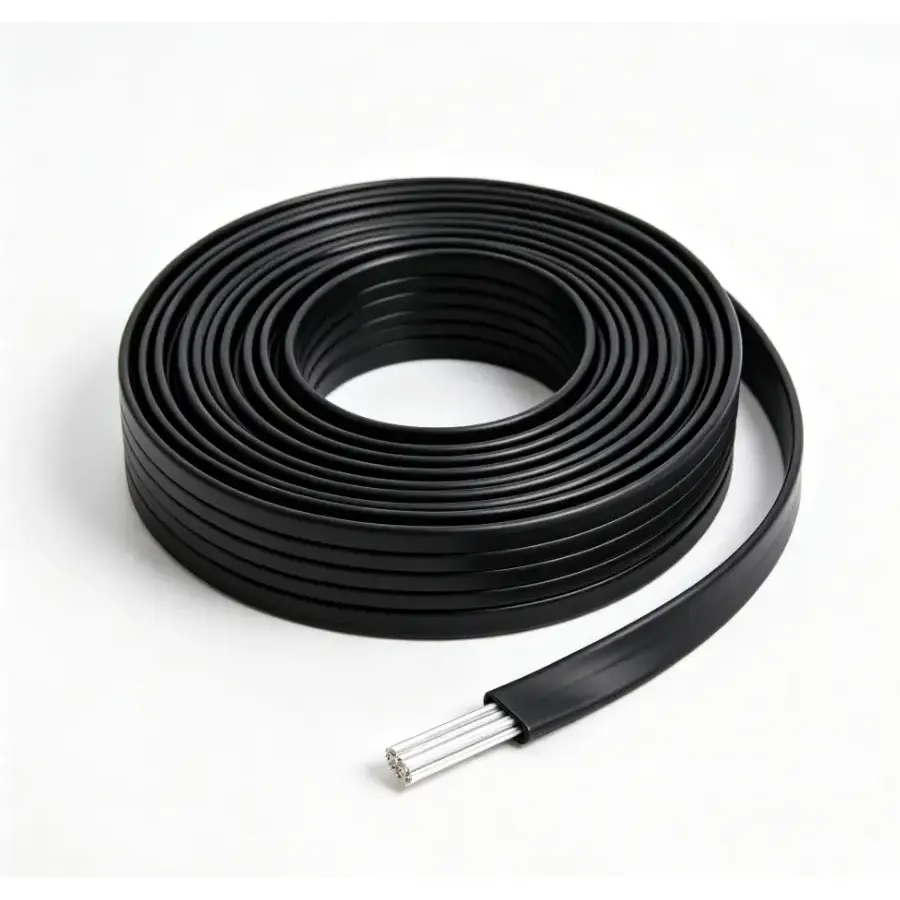
5. Flexible Power Cables

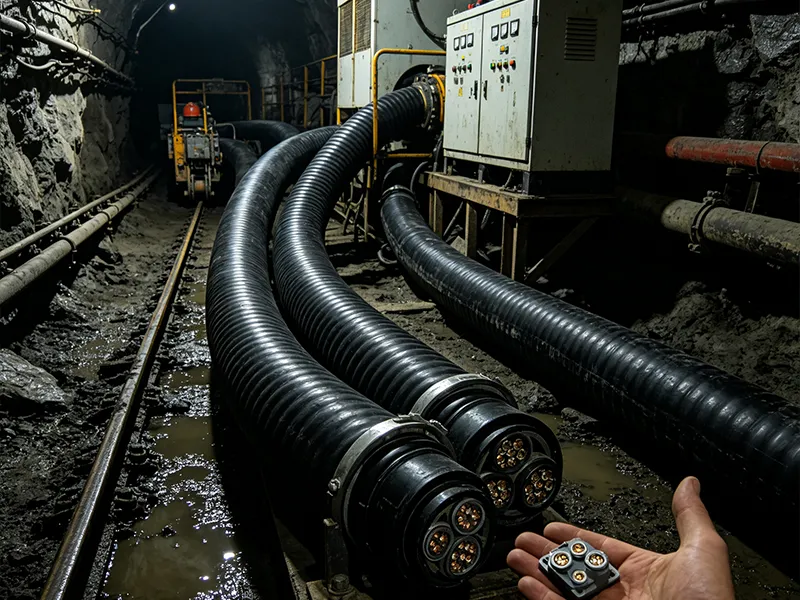
Flexible cables use stranded conductors and can achieve flexible movement and bending. They are crucial in the following fields:

Mobile devices

Industrial machinery

Temporary power supply


The Practical Application of Power Cables

Power cables are widely used in various fields:

Residential wiring and building infrastructure

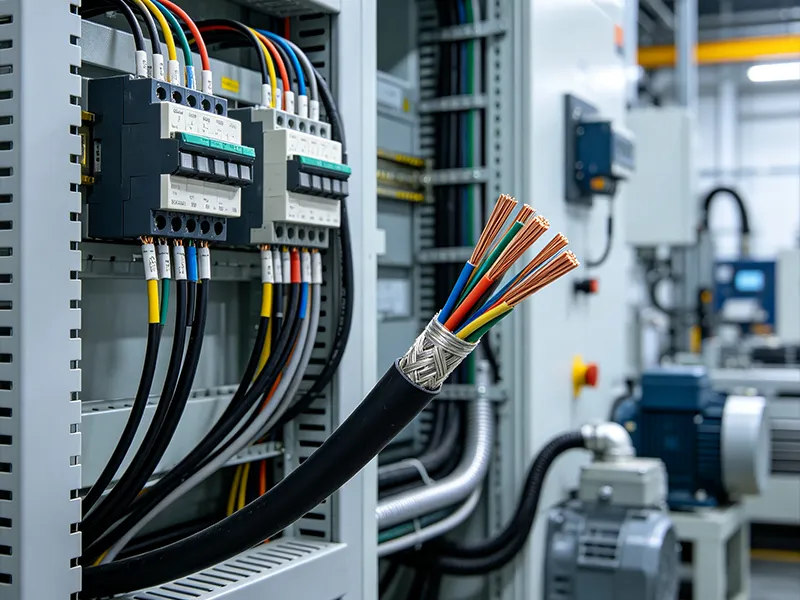
Industrial production lines

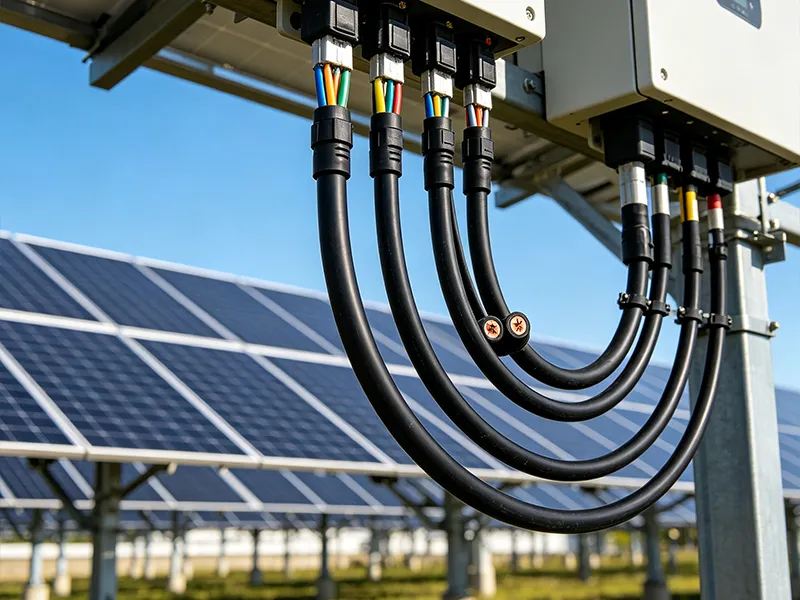
Renewable energy power stations

Data centers and public facilities

Transportation and public infrastructure


How to Shoose the Appropriate Power Cable

When selecting a cable in actual projects, engineers need to consider the following factors:

1.Voltage level - low voltage, medium voltage or high voltage

2.Current capacity - load requirements and future expansion

3.Installation environment - indoor, outdoor or underground

4.Mechanical stress - displacement, vibration or impact

5.Regulatory standards - IEC, IEEE, NEC or local regulations

Correct selection of cables directly affects the reliability, energy efficiency and long-term maintenance costs of the system.


Power cables are the cornerstone of energy transmission. Products of various specifications are suitable for multiple scenarios such as buildings, industries, and new energy. Under the wave of energy transformation, the demand for low-smoke, halogen-free, and high-voltage submarine cables continues to grow. We will continue to deeply focus on cable technology and create safe, reliable, green, and durable power cable products to support the construction of smart grids and safeguard the stable energy supply for various industries.


Related News
Leave me a message
X
We use cookies to offer you a better browsing experience, analyze site traffic and personalize content. By using this site, you agree to our use of cookies. Privacy Policy
RejectAccept