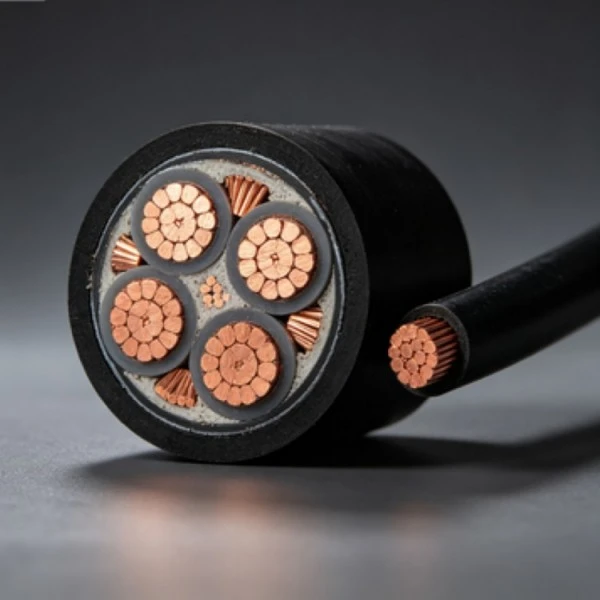
What Are PVC Insulated Cables?
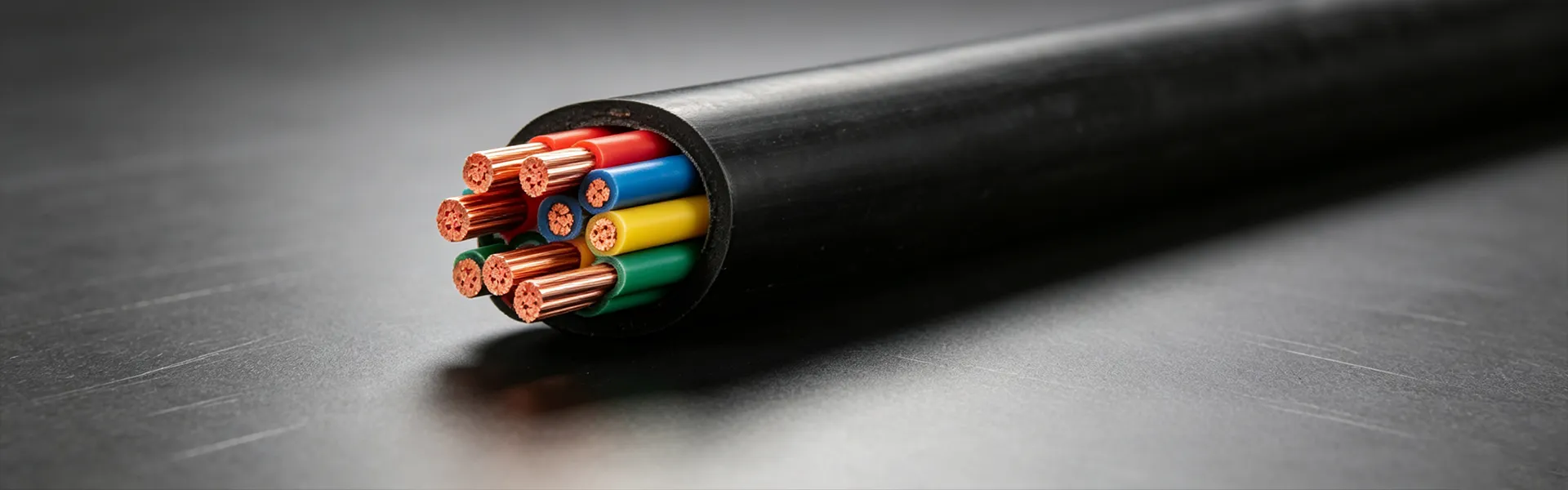
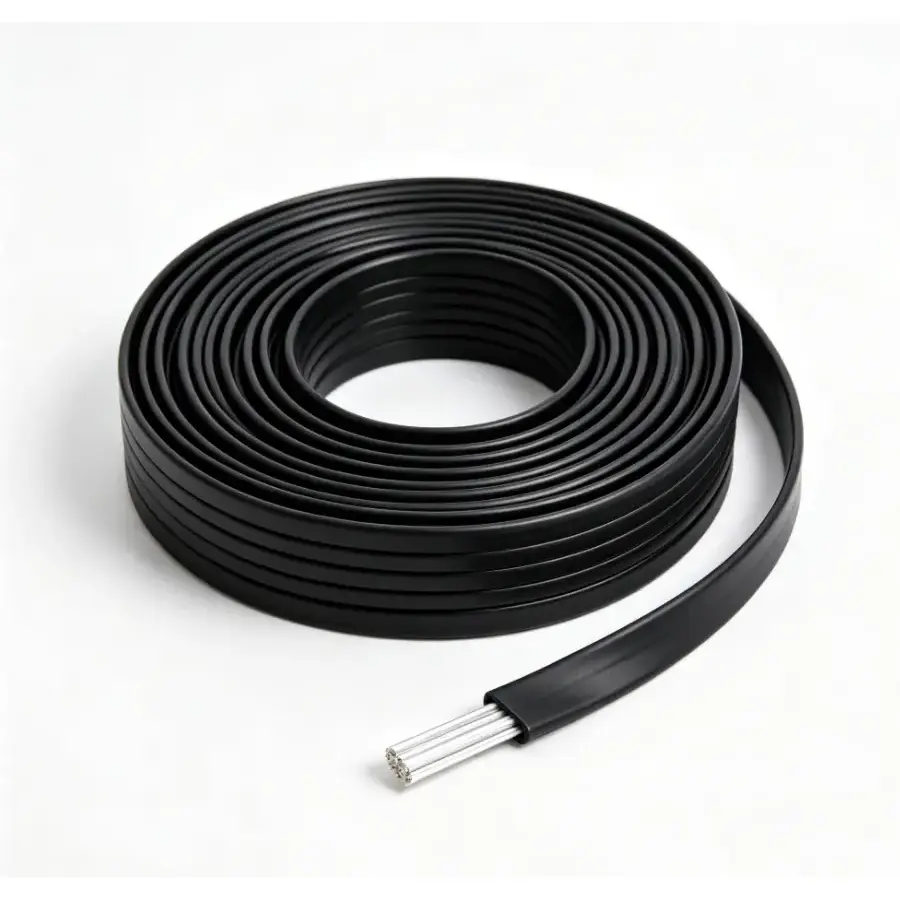
PVC Insulated Cables are commonly used for fixed building wiring, indoor power distribution and light-duty electrical connections. Qiancheng supplies three main configurations: copper PVC cable, aluminum PVC cable and PVC General Flexible Cord. The suitable construction depends on the installation method, conductor material, cross-sectional area, voltage rating and whether the cable is fixed or frequently moved.
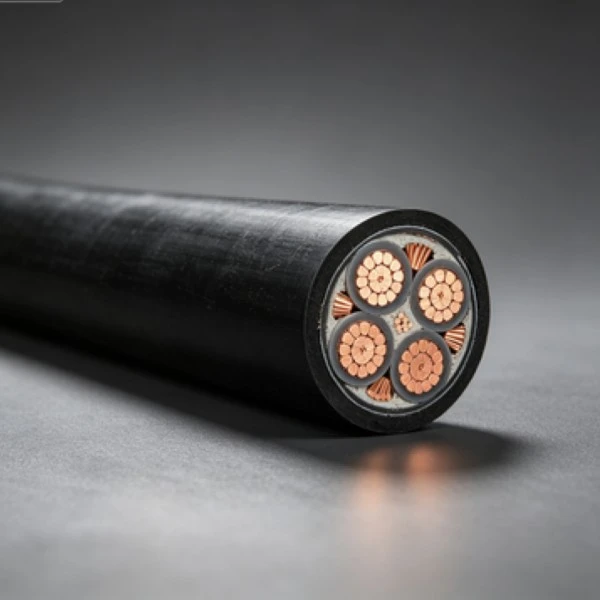
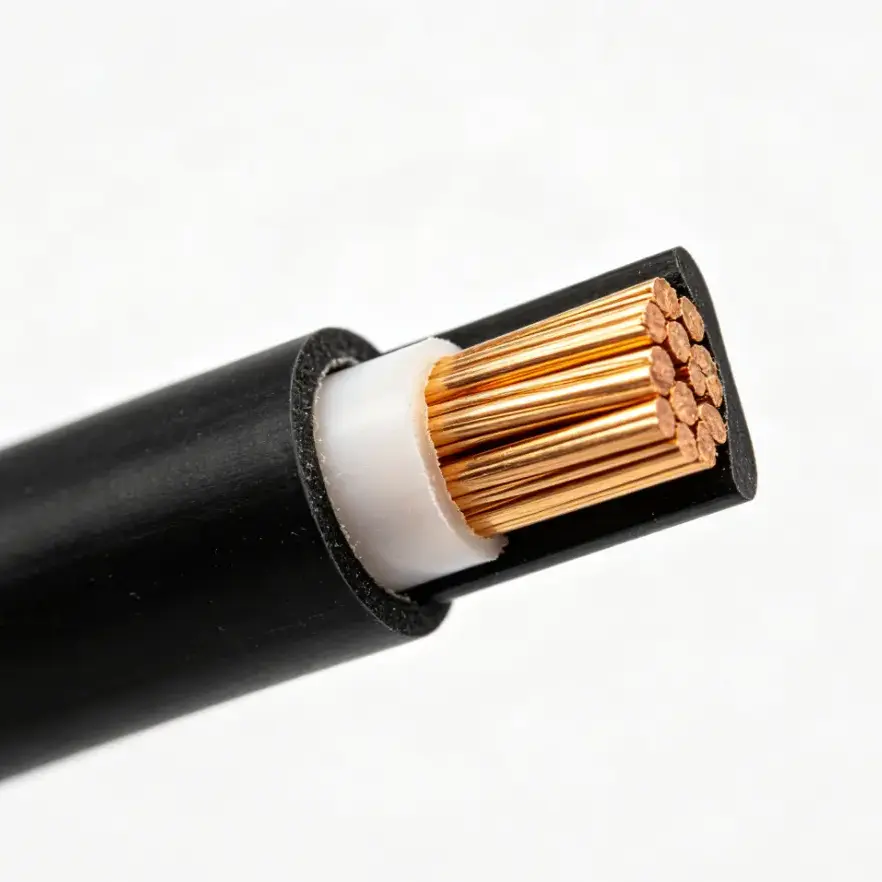
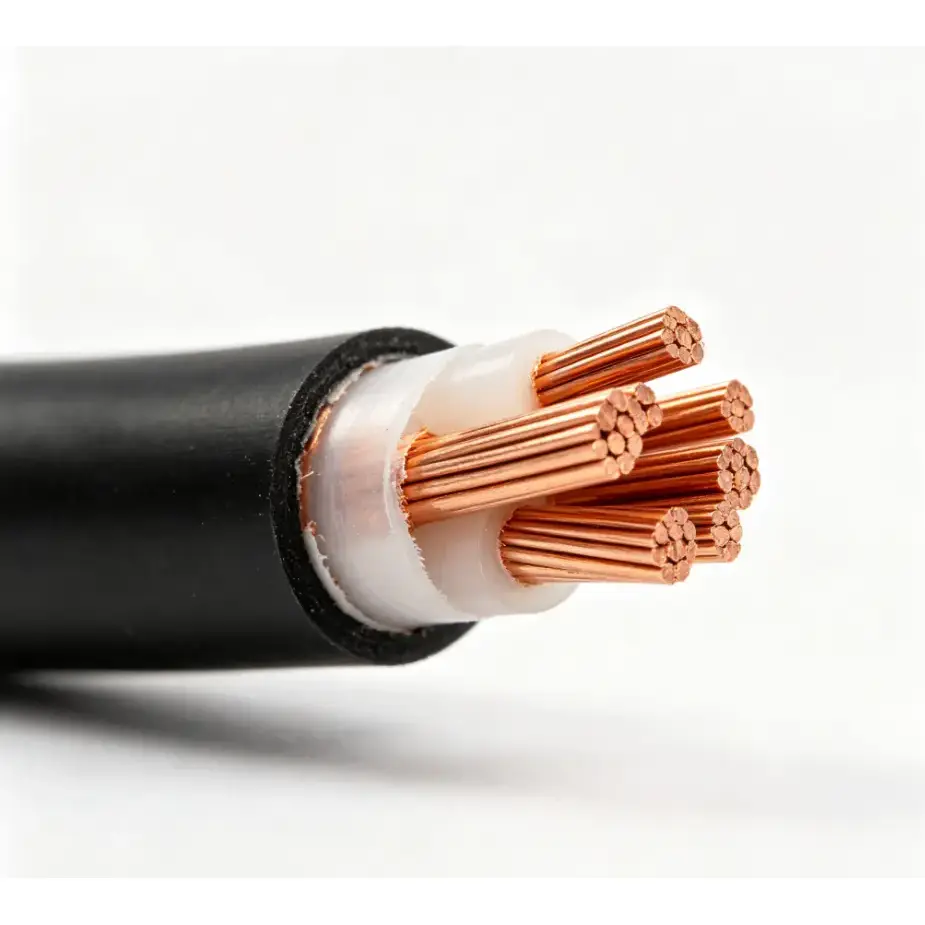
Copper PVC Cable uses a solid copper conductor with PVC insulation and is mainly used for fixed wiring in residential, commercial and industrial buildings. Typical applications include distribution boxes, lighting circuits and permanent indoor electrical connections.
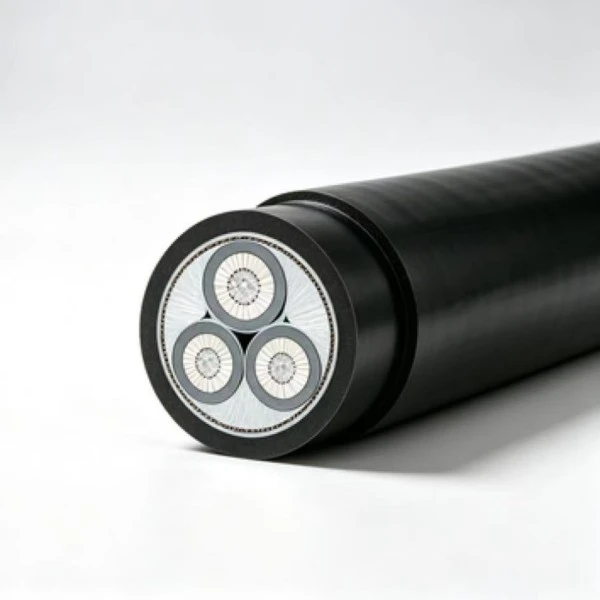
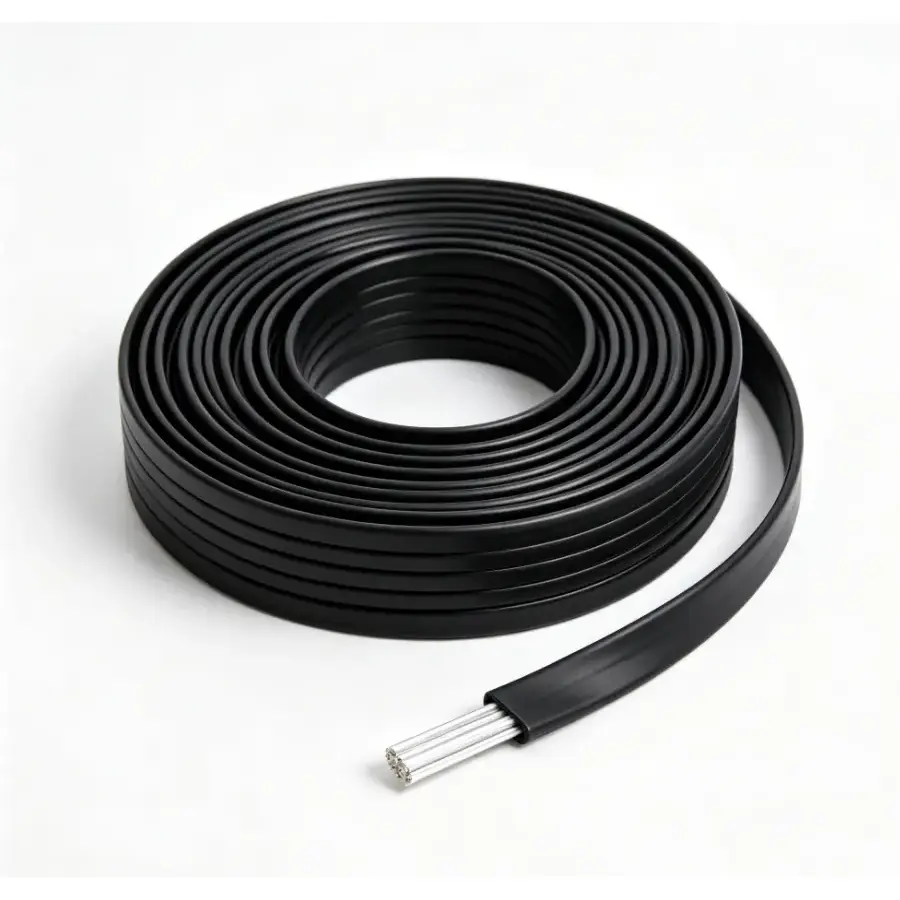
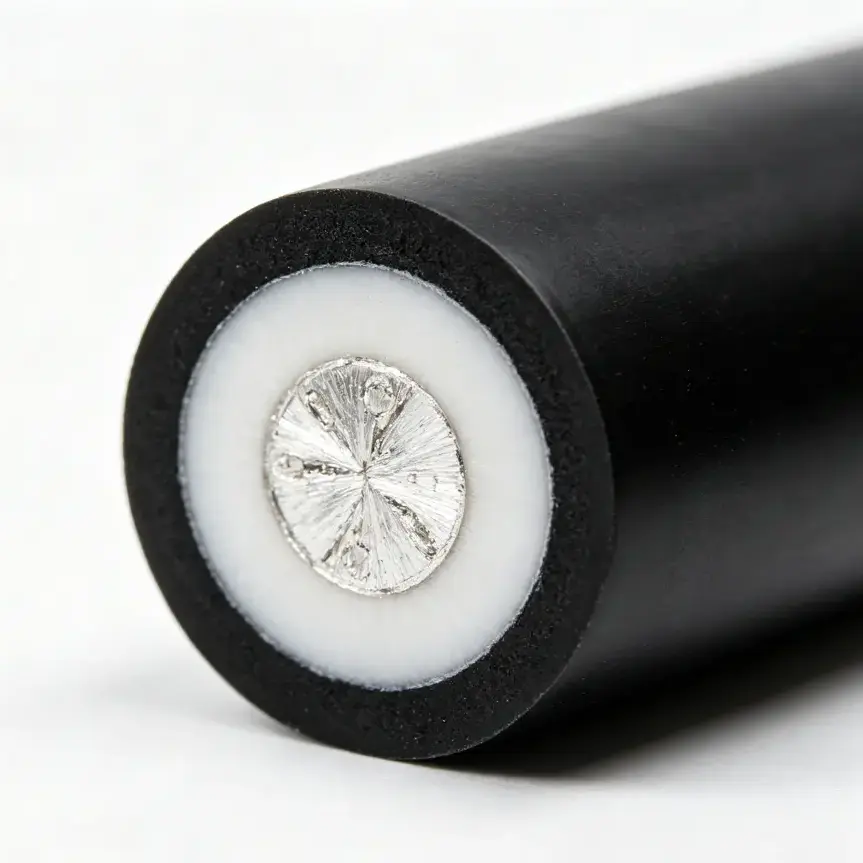
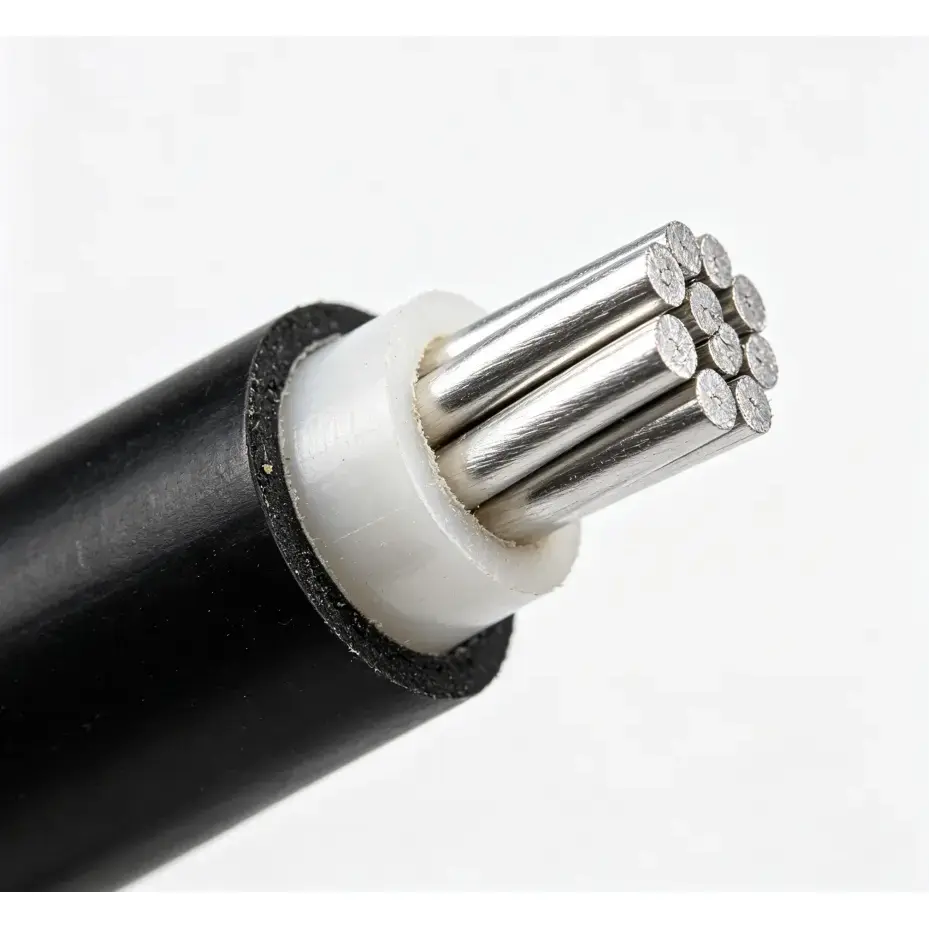
Aluminum PVC Cable uses a solid aluminum conductor with PVC insulation. Its lower conductor weight and material cost can be considered for large-scale fixed wiring projects. Conductor size should be selected according to the required current-carrying capacity, installation conditions and applicable electrical requirements.
PVC General Flexible Cord
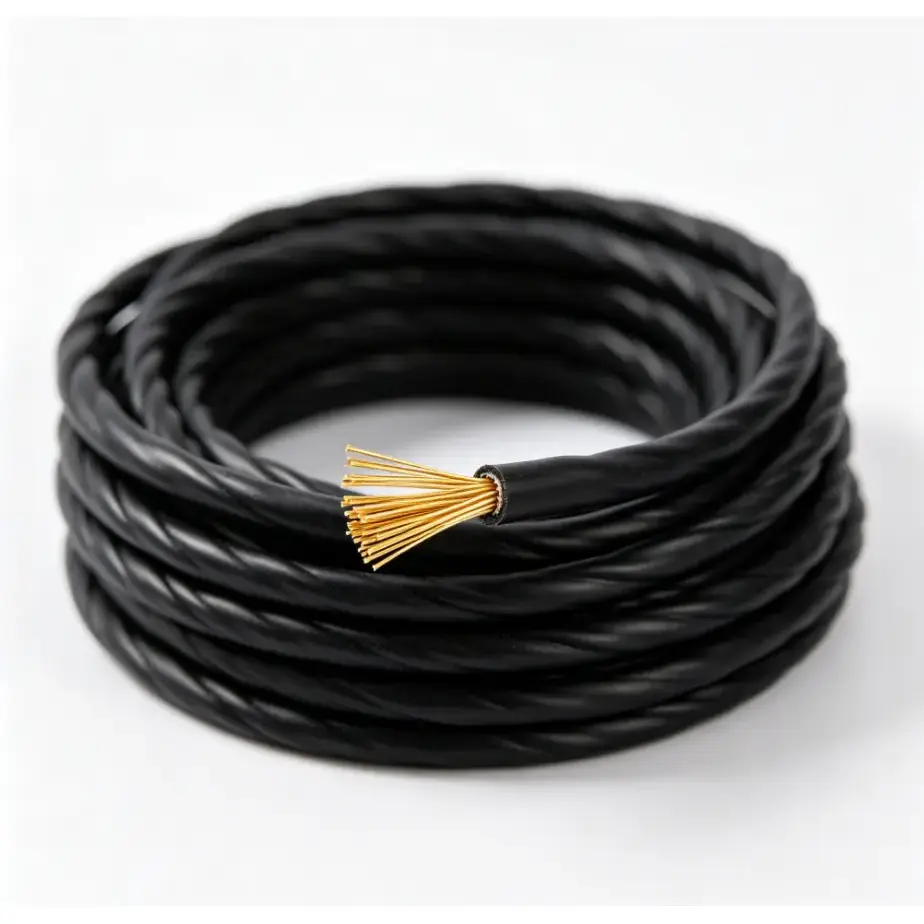
PVC General Flexible Cord uses fine-stranded copper conductors for applications where the cable needs to bend or move during use. It is commonly used for household appliances, portable equipment, temporary power connections and other applications requiring greater flexibility than fixed-wiring cables.
All three configurations use PVC as the primary insulation material. Flame-retardant PVC options can be supplied where the installation specification requires additional flame-retardant performance.
Product Range
|
Product Type
|
Conductor Size
|
Rated Voltage
|
Construction
|
|
Copper PVC Cable
|
1.5/2.5/4/6/10/16/25/35/50/70/95mm²
|
450/750V
|
Solid copper conductor, single-core, non-sheath, flame-retardant optional
|
|
Aluminum PVC Cable
|
2.5/4/6/10/16/25/35/50/70/95mm²
|
450/750V
|
Solid aluminium conductor, single-core, non-sheath, flame-retardant optional
|
|
PVC General Flexible Cord
|
0.5/0.75/1.0/1.5/2.5/4/6mm²
|
300/500V, 450/750V
|
Multi-stranded copper conductor, 2-core/3-core, with or without outer PVC sheath
|
How Do Copper, Aluminum and Flexible PVC Cables Differ?
The main differences are conductor material, conductor construction and intended installation method. Copper provides the conductivity required for many building wiring applications, while aluminum can be considered where conductor weight and material cost are important factors. Flexible cords use multiple fine copper strands rather than a solid conductor, allowing repeated bending and movement during operation.
The choice should therefore be based on more than conductor material alone. Current demand, cable size, rated voltage, number of cores, installation method and applicable local requirements should be checked before specifying the cable.
Product Applications
Building Wiring
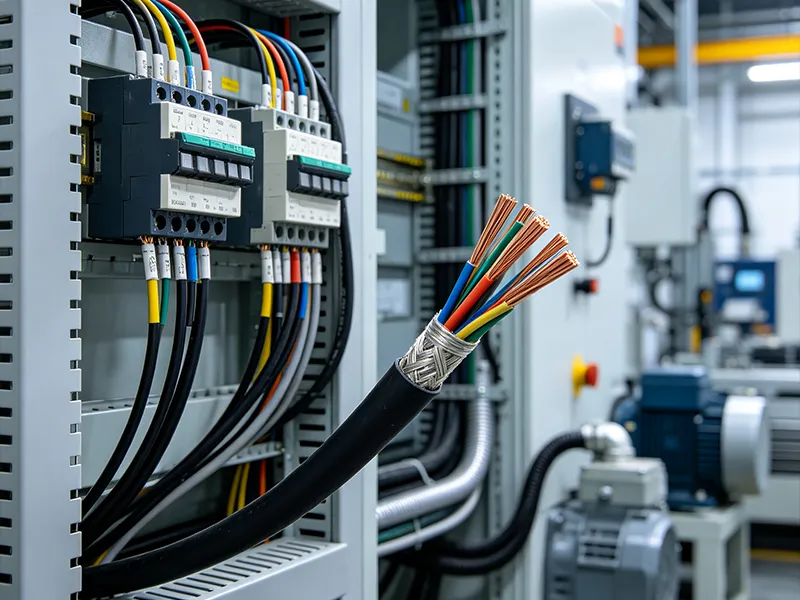
These cables are commonly used for lighting circuits, socket circuits, distribution boxes and other fixed electrical wiring in residential and commercial buildings.
Power Distribution
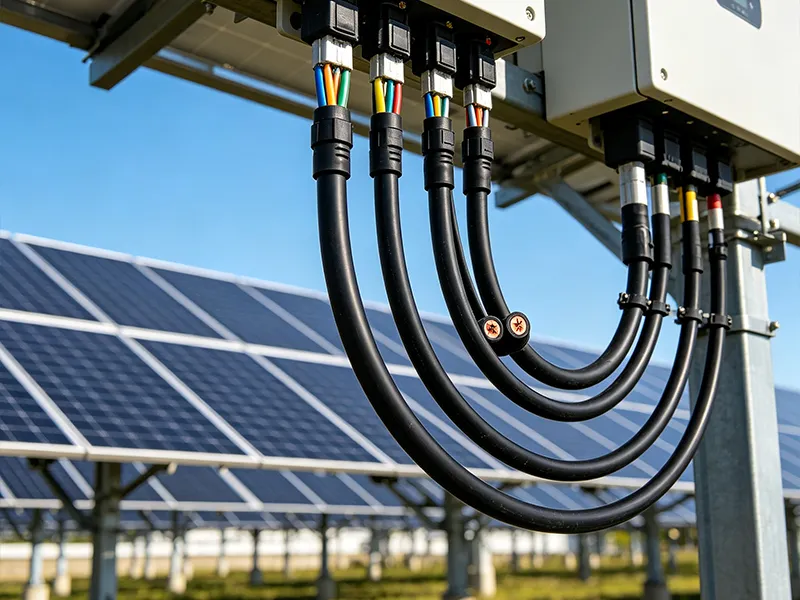
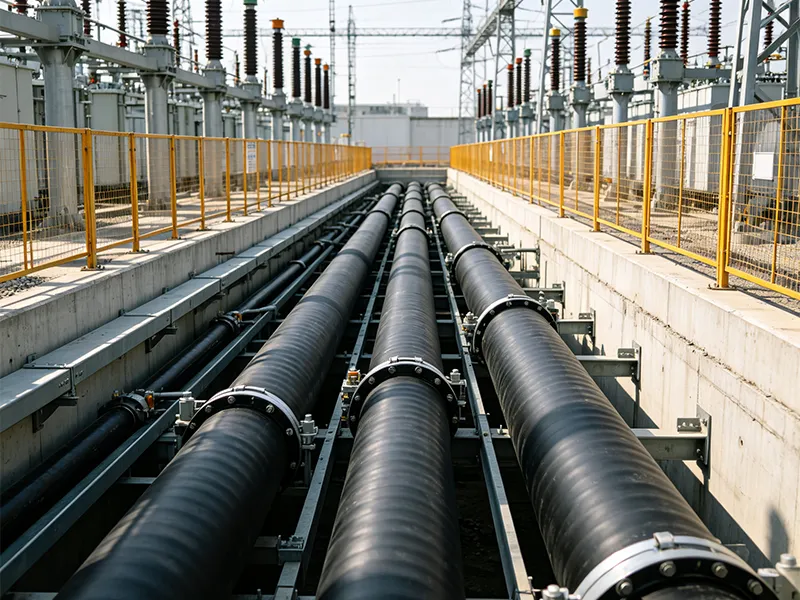
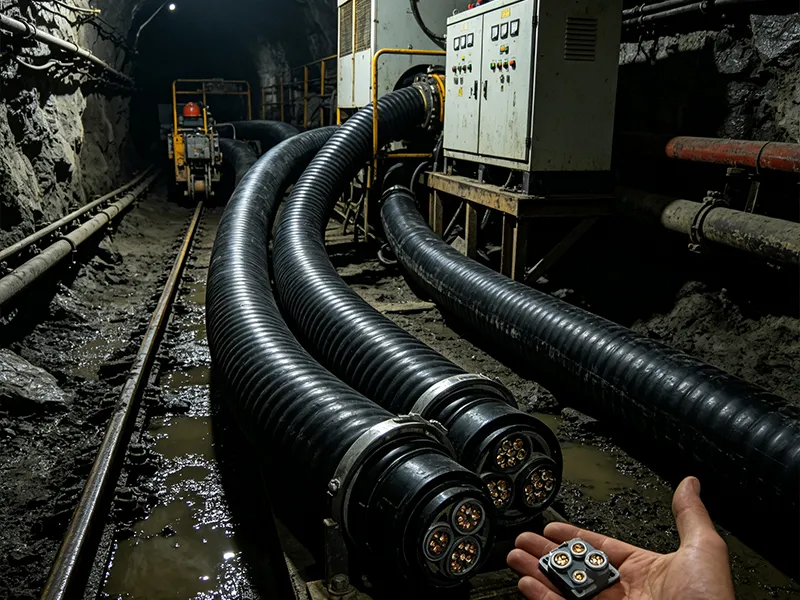
Copper and aluminum fixed-wiring cables can be used for low-voltage power distribution where the selected conductor size and voltage rating match the circuit requirements.
Equipment Connections
Flexible PVC cords are suitable for electrical equipment and appliances where the connection may be moved, repositioned or subject to repeated bending.
Household Appliances
Multi-stranded PVC flexible cords are used for a range of household and light-duty electrical equipment. The appropriate voltage rating, core configuration and conductor size depend on the equipment and connection method.
Which Standards Apply to These Products?
|
Product
|
Applicable Standard
|
|
PVC Insulated Fixed-Wiring Cables
|
IEC 60227-1, IEC 60227-2
|
|
PVC General Flexible Cord
|
IEC 60227-5
|
The applicable standard depends on the cable construction and intended use. Project specifications and destination-market requirements should also be checked when selecting a standard or certification package.
What Quality Tests Are Performed Before Shipment?
Before shipment, production inspection can include conductor resistance testing, insulation thickness measurement and high-voltage withstand testing. These checks help verify the electrical and dimensional characteristics of the finished cable against the specified requirements.
CE certification and relevant test reports from recognized international testing centers can be provided for applicable products and specifications.
How to Select the Right PVC Insulated Cables?
Selection starts with the installation method and electrical load. Fixed building wiring generally uses solid-conductor constructions, while equipment connections requiring movement may call for flexible cords. Copper or aluminum should then be selected according to conductivity, conductor size, weight, project requirements and applicable standards.
The following factors should be confirmed before ordering:
-
Fixed or flexible installation
-
Copper or aluminum conductor
-
Required conductor cross-sectional area
-
Rated voltage
-
Number of cores
-
Installation environment and operating conditions
-
Flame-retardant requirements
-
Applicable product and destination-market standards
Service Life and Quality Considerations
Under normal operating conditions and with correct installation, PVC insulated wiring products may provide a service life of around 20–25 years, depending on temperature, electrical loading, installation environment and maintenance. Qiancheng provides a 15-year quality guarantee for applicable products.
For a specific project, the required conductor material, cross-sectional area, voltage rating, cable construction and applicable standard should be confirmed before production. Qiancheng can provide the corresponding product specifications, test documentation and certification information according to the selected cable type.