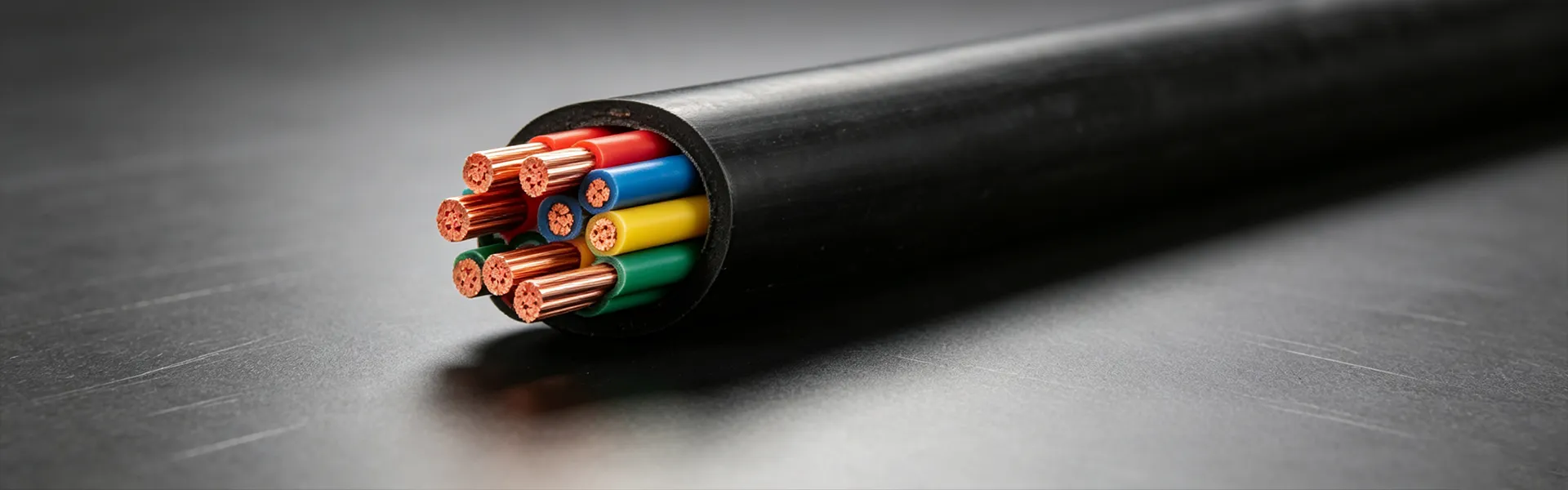
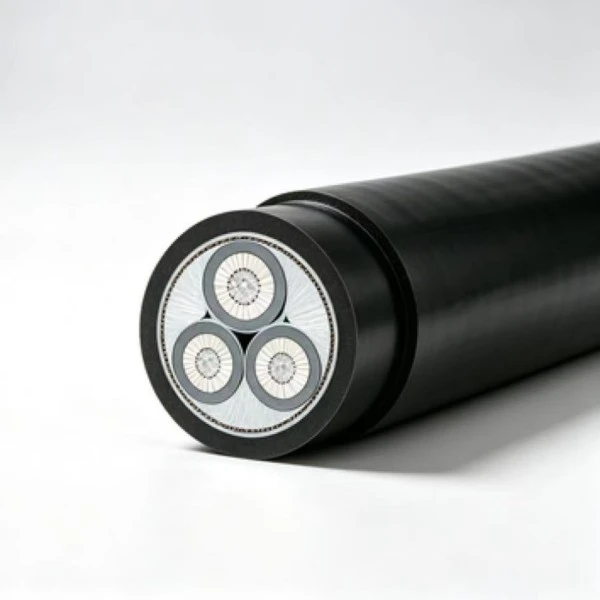
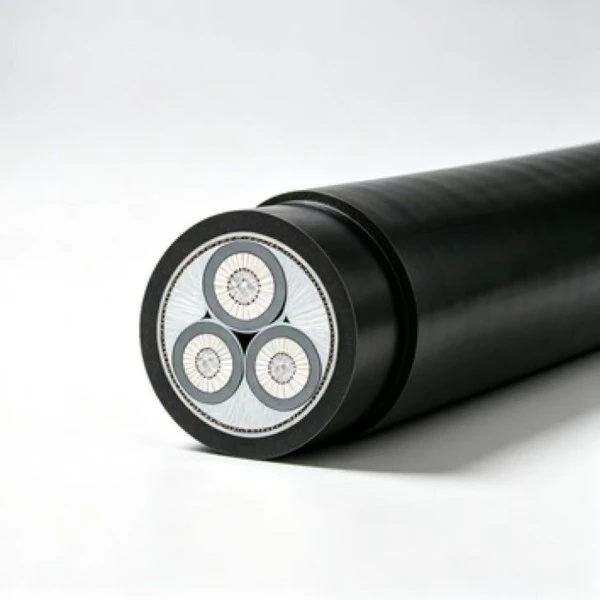
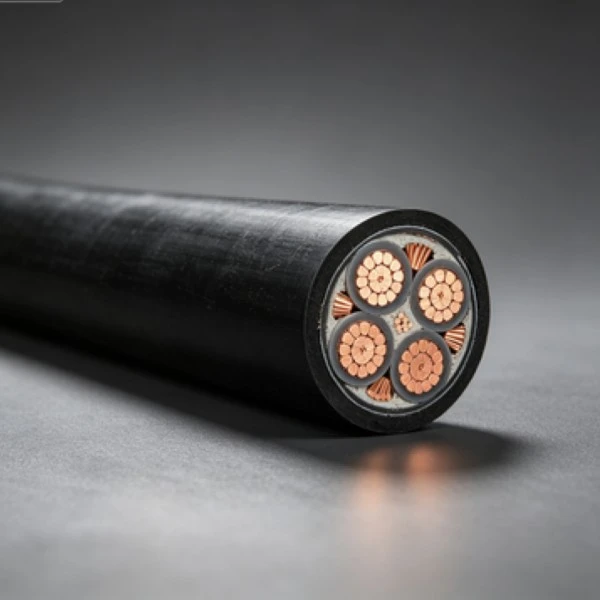
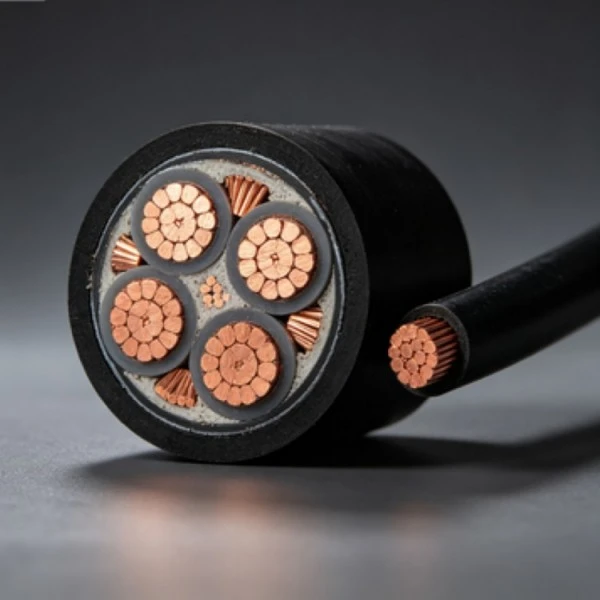
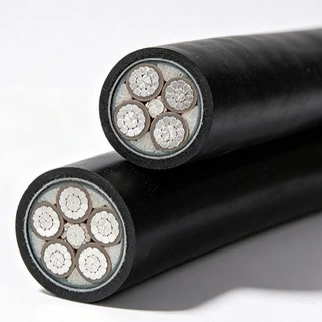
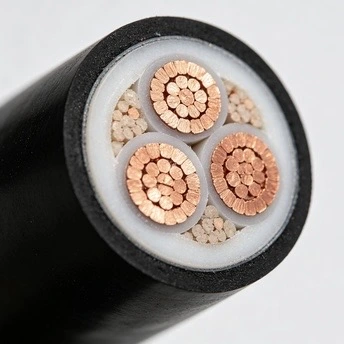
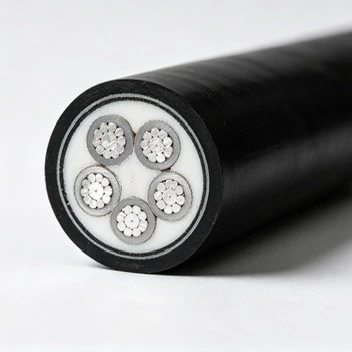
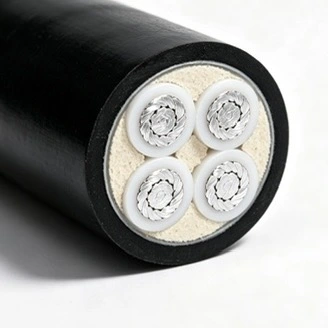
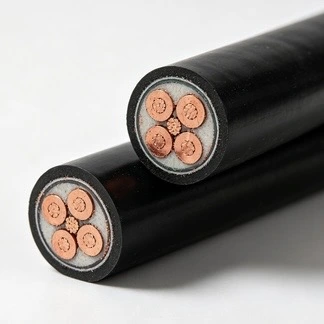
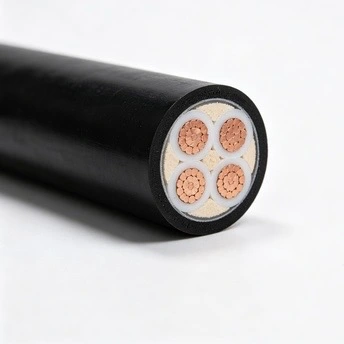
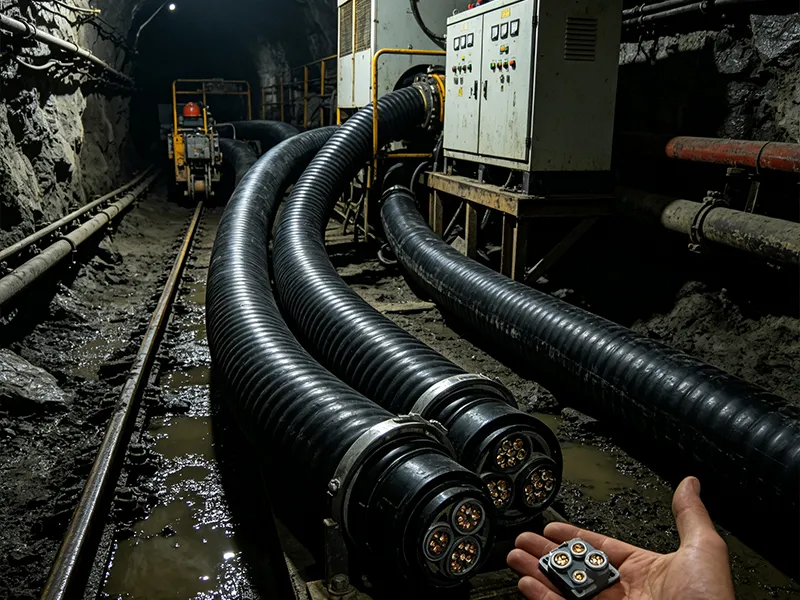
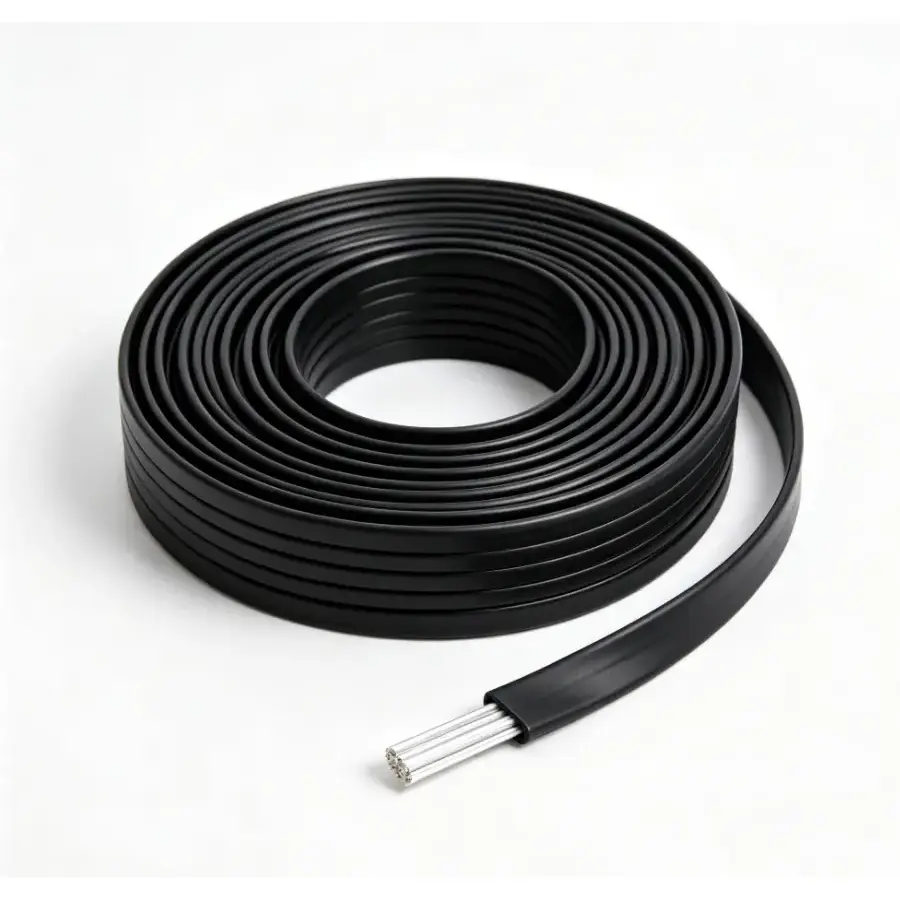
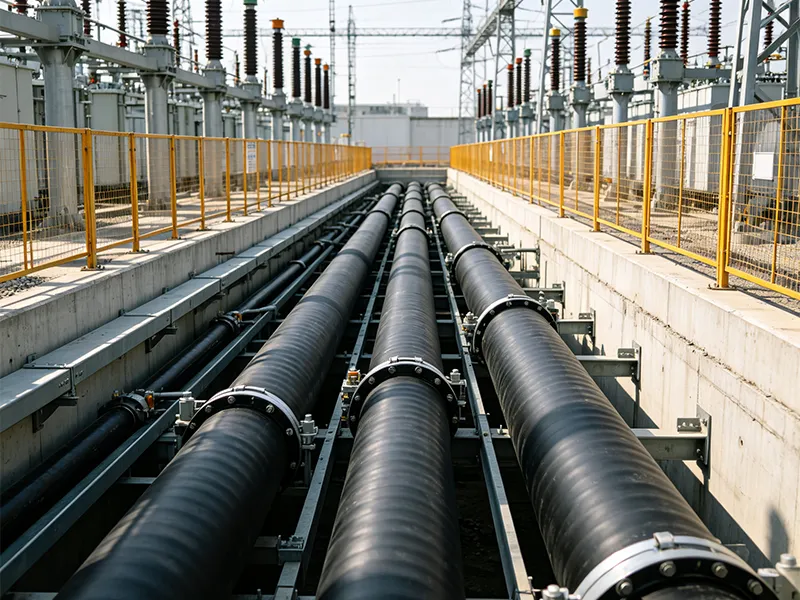
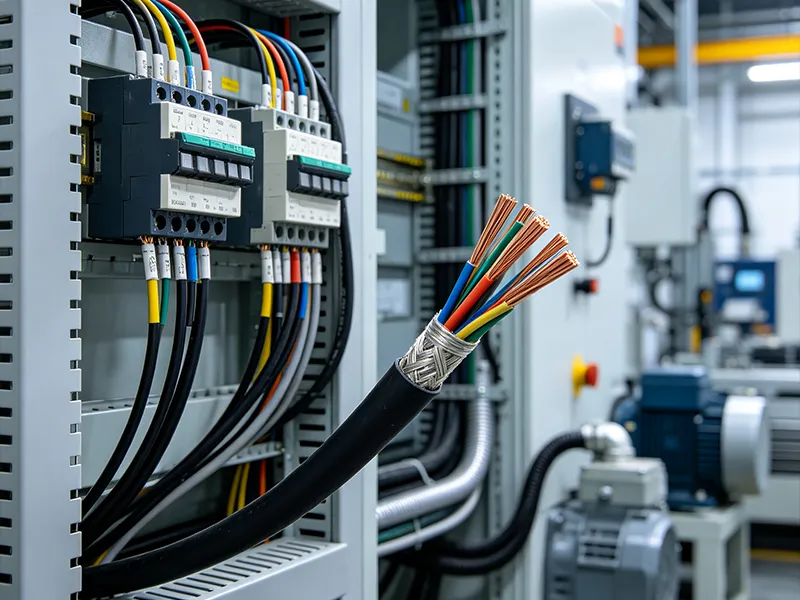
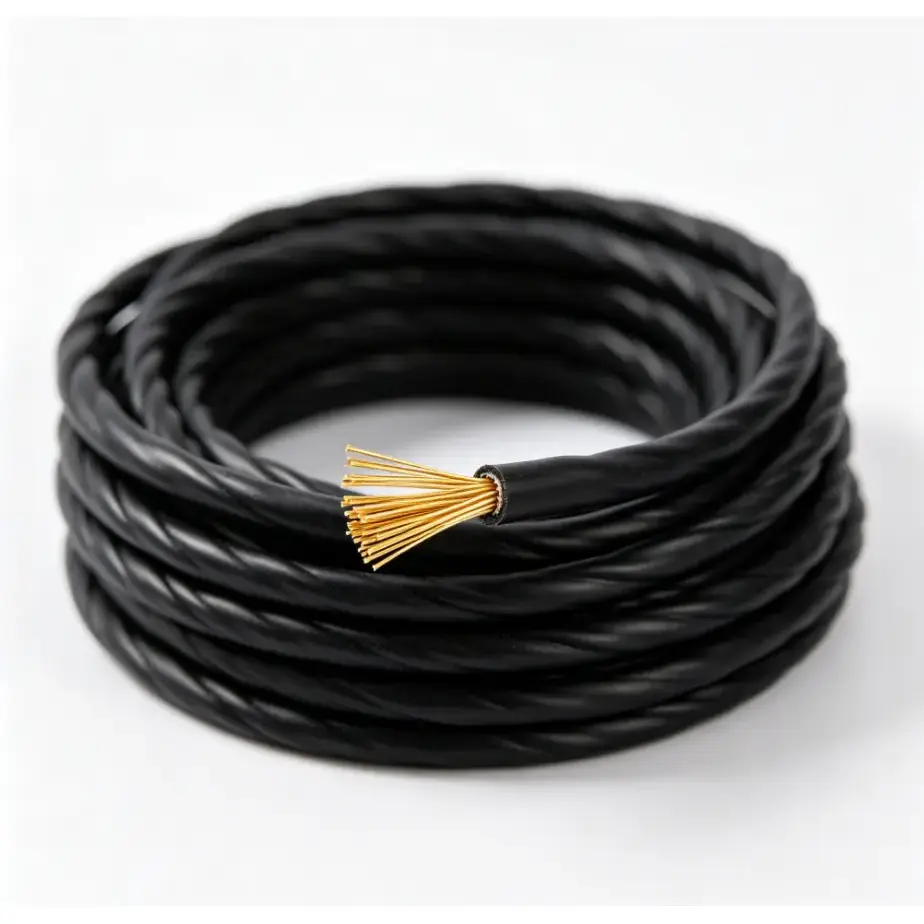
Qiancheng supplies Low Voltage Power Cables rated at 0.6/1kV for low-voltage power distribution and equipment connection. The range includes copper and aluminium conductor constructions with XLPE, PVC and applicable special insulation or sheathing options. Depending on the project, cables can be supplied in single-core or multi-core configurations for fixed installation in buildings, industrial facilities, infrastructure projects and renewable energy systems.
The main selection factors include conductor material, conductor cross-section, number of cores, insulation and sheath construction, installation method and the electrical load of the circuit. For applications with additional fire-performance requirements, applicable flame-retardant, fire-resistant or low-smoke options can be selected according to the required specification and installation environment.
Product Range and Configurations
|
Product Name
|
Specifications Available
|
Voltage Rating
|
Configurations
|
|
Low Voltage Power Cables
|
Cu/Al XLPE, FR, LSZH, PVC insulated
|
0.6/1kV
|
Single-core / Multi-core, copper or aluminium conductor
|
Copper and aluminium conductors are available for different electrical and installation requirements. Copper is commonly selected where higher conductivity and greater conductor flexibility are required, while aluminium can reduce conductor weight and material cost for suitable power distribution applications. The final conductor cross-section should be determined according to current-carrying requirements, installation conditions, allowable voltage drop and applicable standards.
Insulation and Cable Construction
XLPE insulation is commonly used for low-voltage power transmission because of its electrical insulation properties and higher continuous operating temperature compared with conventional PVC insulation. For applicable cable constructions, the conductor operating temperature can reach up to 90°C under the specified conditions, while short-circuit temperature can reach up to 250°C for the relevant XLPE insulation system.
PVC-insulated constructions are also available for applications where the required electrical, mechanical and environmental conditions are suitable. The choice between XLPE, PVC, fire-performance and low-smoke constructions should be based on the installation environment rather than material type alone.
Single-core cables are commonly used for higher-current circuits and particular installation arrangements, while multi-core cables can simplify the distribution of multiple circuits within the same cable assembly. Typical configurations include single-core and 2-core to 5-core constructions, subject to the specific product specification.
Fire-Performance and Low-Smoke Options
For installations where fire behaviour and smoke generation are important design considerations, Qiancheng can provide applicable FR and LSZH cable options. Flame-retardant or fire-resistant constructions should be selected according to the required fire-performance level and project specification, while LSZH constructions are generally considered for enclosed or public environments where smoke and halogen emissions need to be controlled.
These options are not interchangeable. A flame-retardant cable, a fire-resistant cable and an LSZH cable address different performance requirements, so the required construction should be confirmed against the applicable project standard, installation environment and testing requirements.
Standards and Quality Control
The applicable standard depends on the cable construction and project requirements. The product range may be manufactured and tested against relevant Chinese, international and regional standards, including the following standards specified for applicable products:
|
Standard / Certification
|
Details
|
|
Chinese Standard
|
GB/T 12706-2020
|
|
International Standard
|
IEC 60502
|
|
European Standard
|
HD 620
|
|
British Standard
|
BS 7870
|
|
Fire Safety Standards
|
NF C32-320, IEC 60332
|
Before shipment, applicable products undergo quality inspections covering key cable characteristics. Typical checks include conductor resistance, insulation dimensions and electrical withstand performance. CE certification and relevant test reports can be provided for applicable products where required by the destination market or project documentation.
Where Are Low Voltage Power Cables Used?
Low Voltage Power Cable is used for power distribution and equipment connections where the system voltage falls within the applicable 0.6/1kV rating. Common applications include:
-
Commercial and Residential Buildings: Main distribution, sub-distribution, lighting and equipment power circuits.
-
Industrial Facilities: Power supply for production equipment, motors, machinery and distribution panels.
-
Public Infrastructure: Power and lighting systems in tunnels, stations, airports and other infrastructure facilities where the specified cable construction is suitable.
-
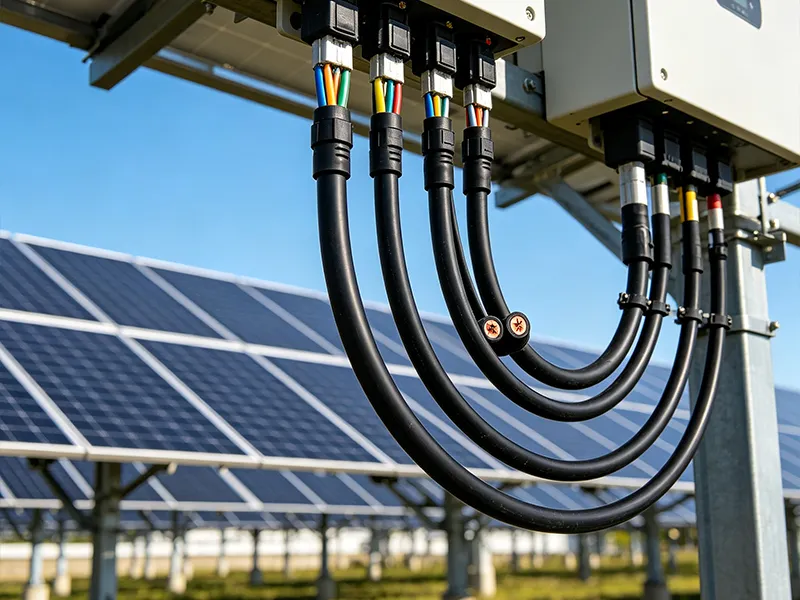
Renewable Energy Systems: Low-voltage connections between applicable generation equipment, inverters, distribution equipment and other electrical systems.
How to Select the Right Low Voltage Cable?
The appropriate cable specification should be determined from the actual electrical and installation conditions. Key factors include the required current-carrying capacity, conductor material, conductor cross-section, number of cores, voltage drop, installation method, ambient temperature and required fire or smoke performance.
For underground, duct, indoor or outdoor installation, the cable construction should also be checked for the relevant mechanical, thermal and environmental conditions. Where a project specifies a particular standard or certification, the cable design and available test documentation should be confirmed before ordering.
Qiancheng can review the required voltage, conductor material, core configuration, installation method and applicable standard to help determine a suitable low-voltage cable specification for the intended application.