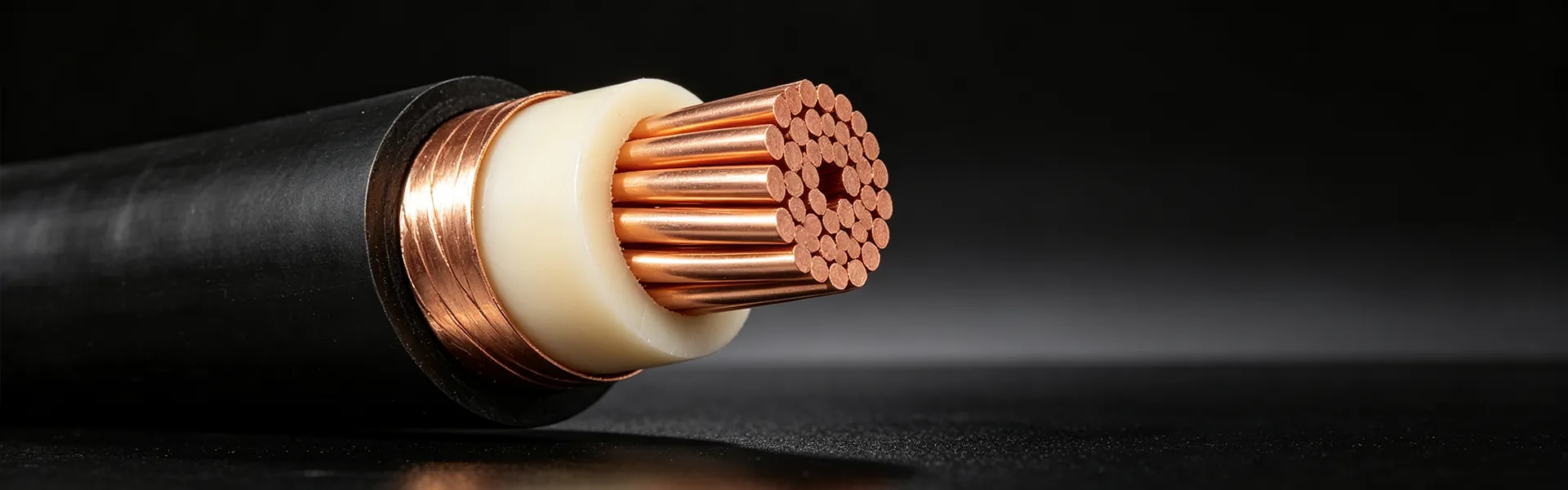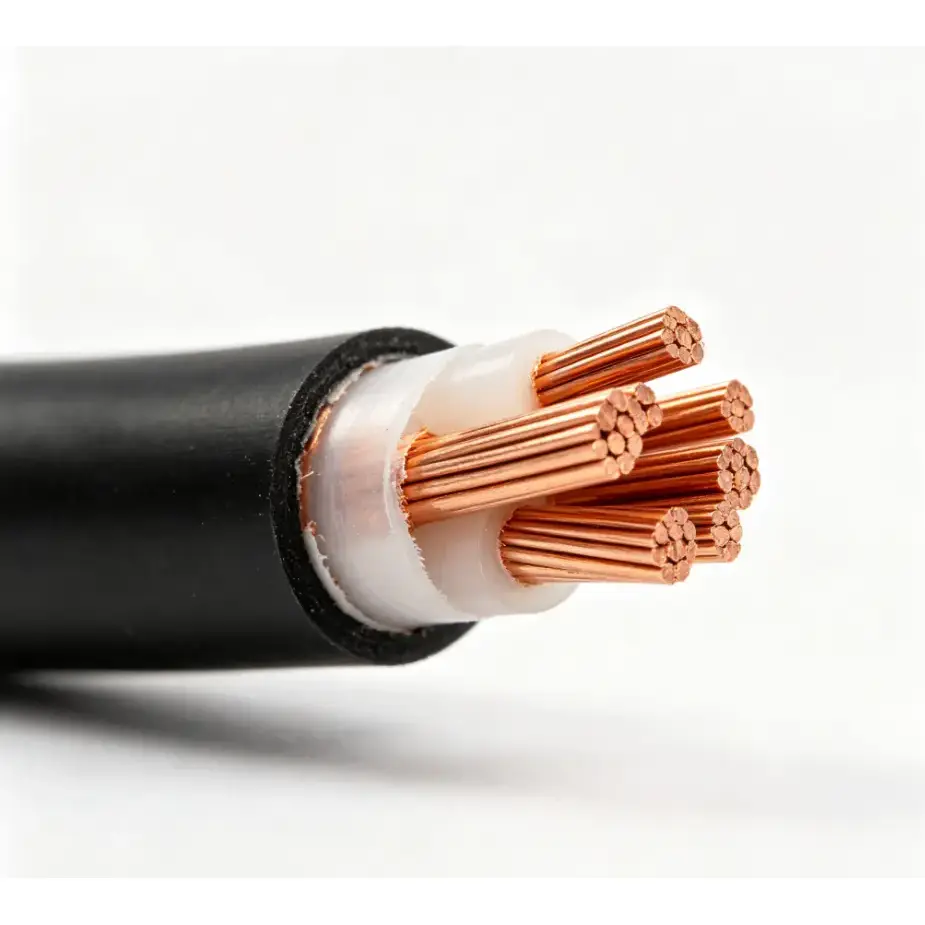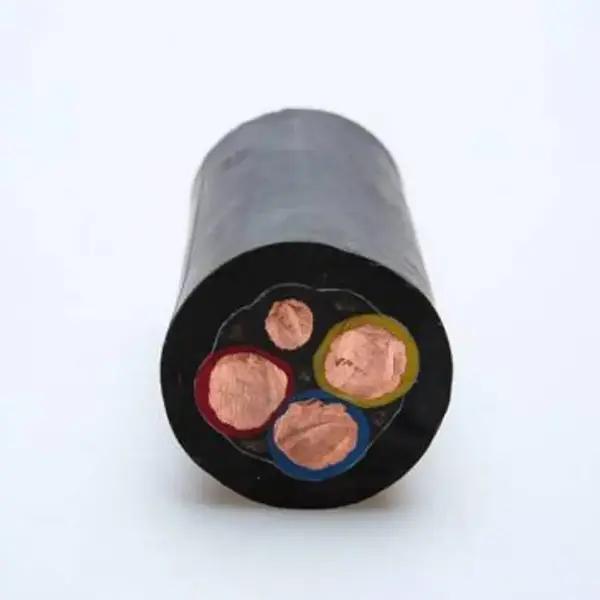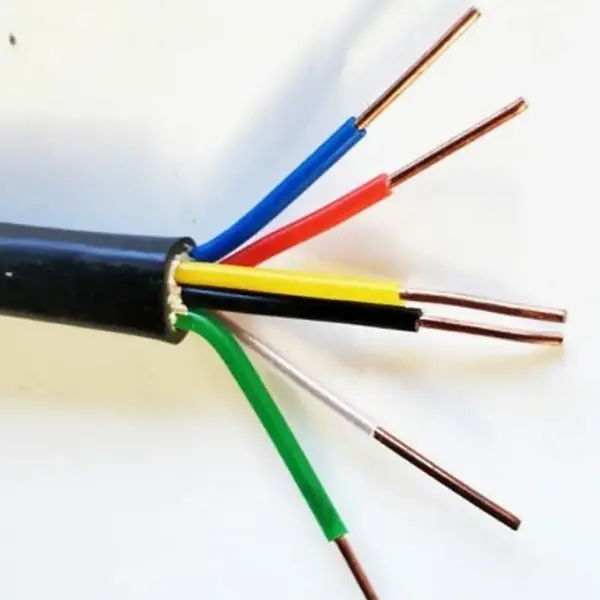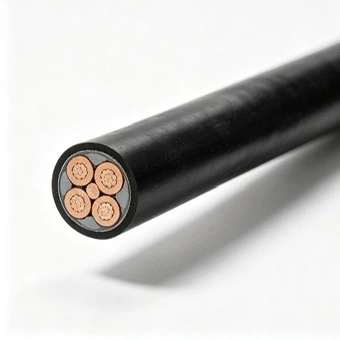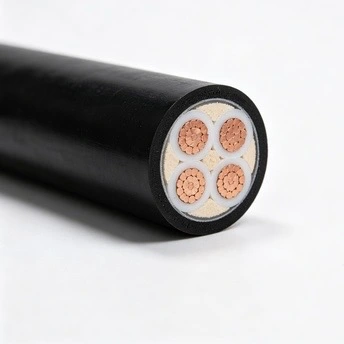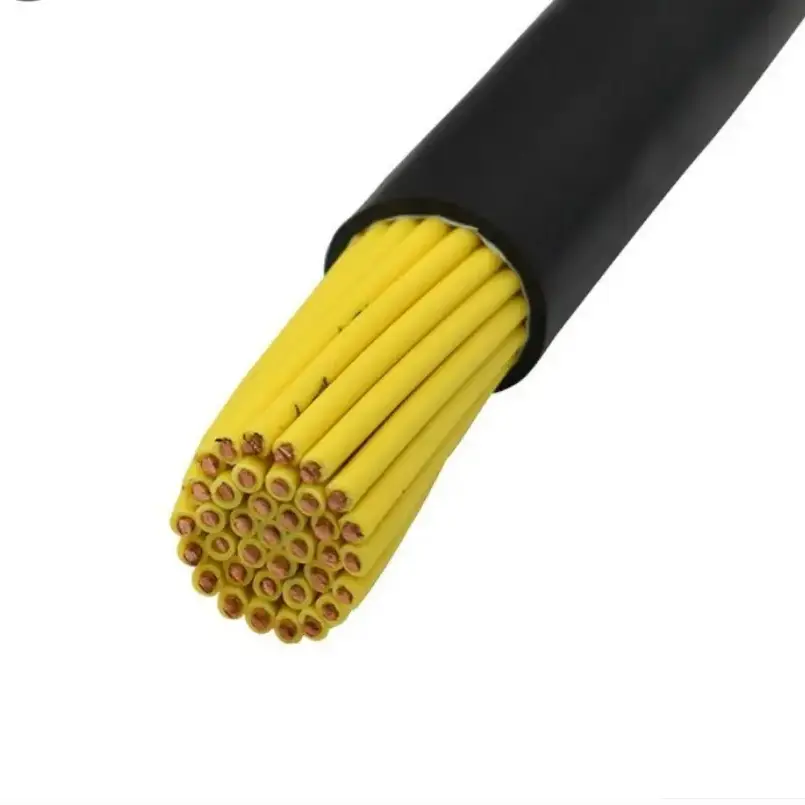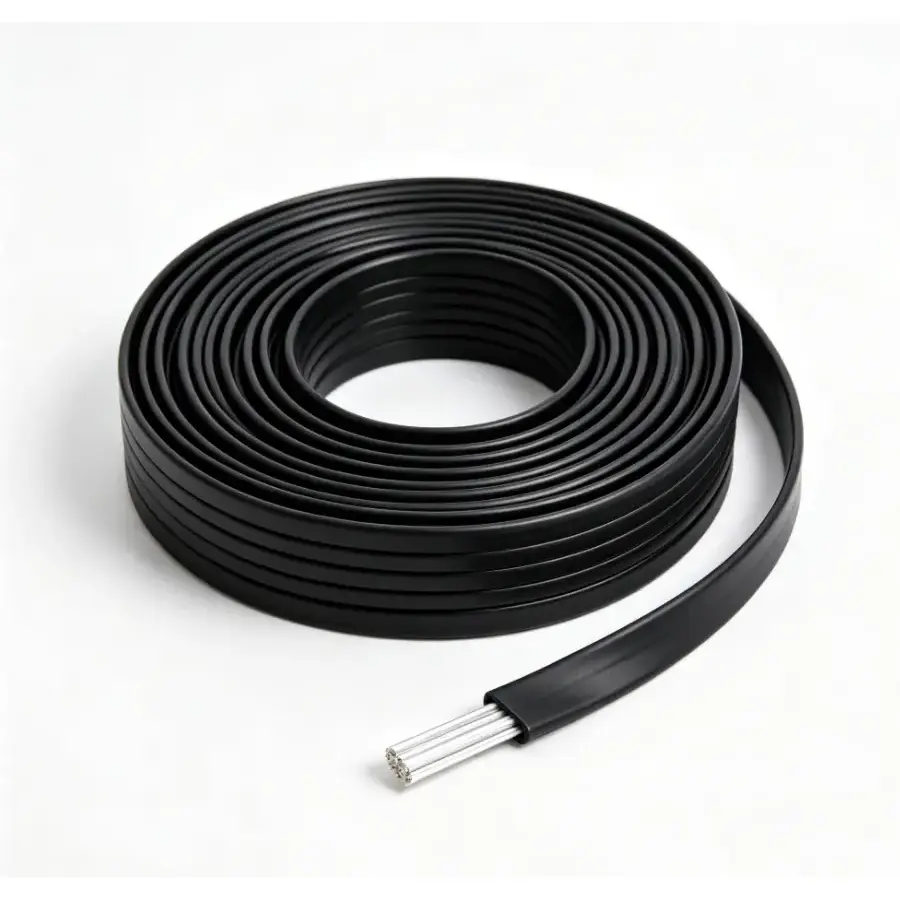
Control cables are core signal transmission cables widely used in industrial automation, electrical control cabinets, building intelligence, and power system monitoring. Different from power cables that transmit high-current electric energy, control cables are mainly used for low-voltage signal transmission, equipment interlock control, and data collection, connecting PLC controllers, sensors, solenoid valves, frequency converters, and protection devices. The stability, anti-interference ability, and bending durability of control cables directly determine the operating accuracy and safety of the entire automated system.
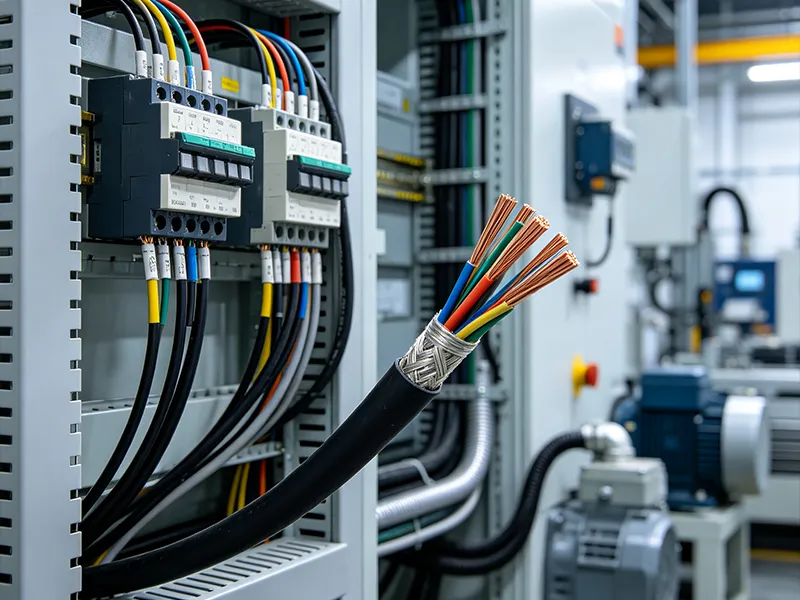
Industrial production environments are filled with complex electromagnetic interference generated by high-power motors, electrical equipment, and frequency conversion devices. Ordinary unshielded cables are prone to signal distortion, data drift, and equipment misoperation under electromagnetic interference, resulting in production line shutdown and economic losses. High-quality shielded control cables adopt aluminum foil or copper braid shielding structure, which can effectively isolate external electromagnetic interference, ensure accurate transmission of control signals and monitoring data, and meet the high-precision operation requirements of industrial intelligent production lines.
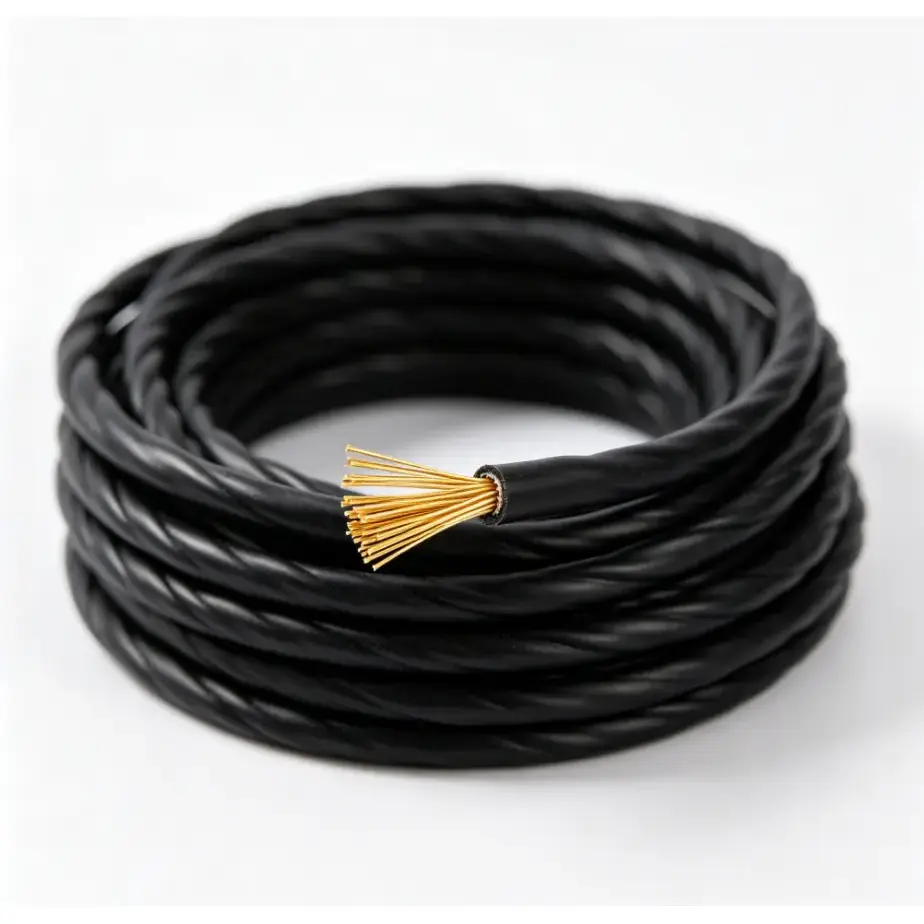
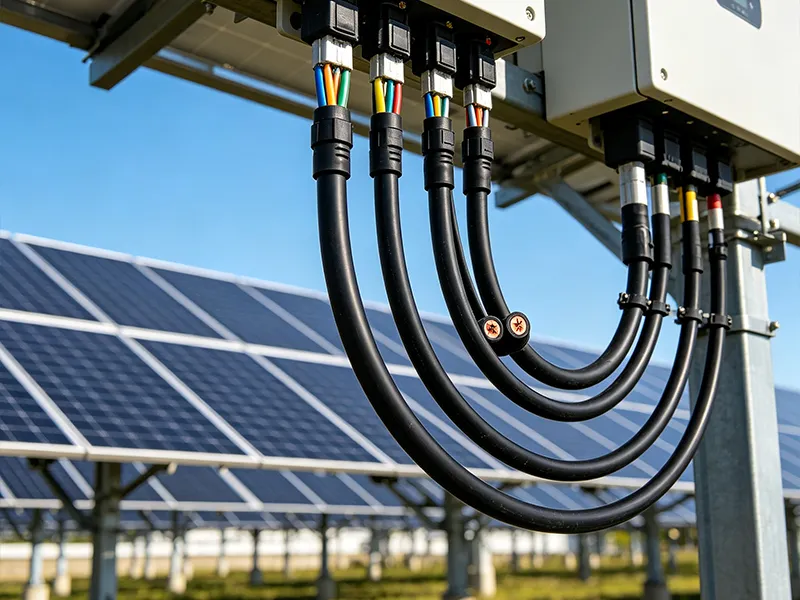
Control cables have excellent flexible bending performance and structural stability. Adopting multi-core fine-stranded conductor design, the cables can withstand repeated bending and folding inside control cabinets and moving mechanical parts without conductor breakage or insulation damage. The multi-core color coding design facilitates engineering installation, wiring inspection, and later maintenance, effectively reducing wiring errors and improving construction efficiency. According to different application environments, control cables can be equipped with oil-resistant, corrosion-resistant, waterproof, and flame-retardant customized sheaths, adapting to chemical plants, water treatment plants, power plants, and outdoor industrial environments.
In the field of building safety and public facilities, flame-retardant control cables are mandatory supporting materials for fire alarm systems, elevator control systems, and HVAC intelligent control systems. In case of fire accidents, high-performance fire-resistant control cables can maintain normal signal circuit operation, ensuring the normal work of fire linkage equipment and emergency evacuation systems, and improving the safety level of buildings and public spaces. Low-smoke and halogen-free environmental protection materials also avoid secondary pollution caused by cable combustion.
With the in-depth promotion of Industry 4.0 and smart factory construction, the industrial demand for high-performance control cables is constantly upgrading. High-speed low-capacitance control cables and hybrid power-signal integrated control cables have become new market hotspots, meeting the needs of high-frequency signal transmission and integrated wiring of intelligent equipment. As the core carrier of industrial control and intelligent monitoring, high-stability control cables will continue to support the digital transformation and efficient and safe operation of global industrial manufacturing, energy power, and intelligent building industries.