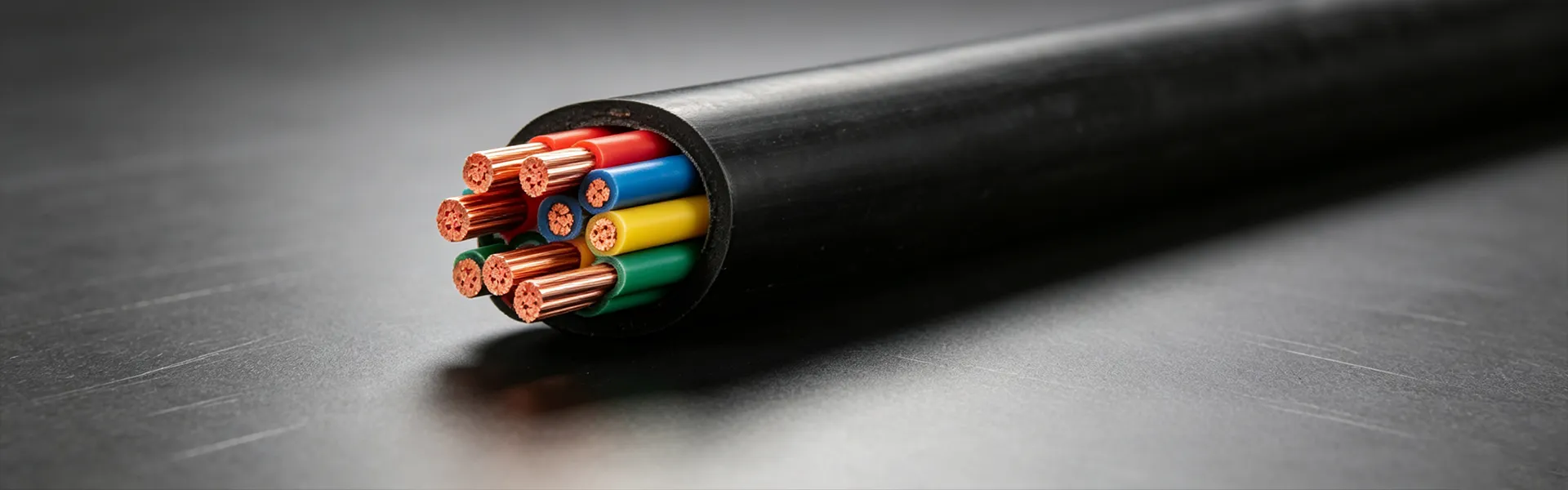
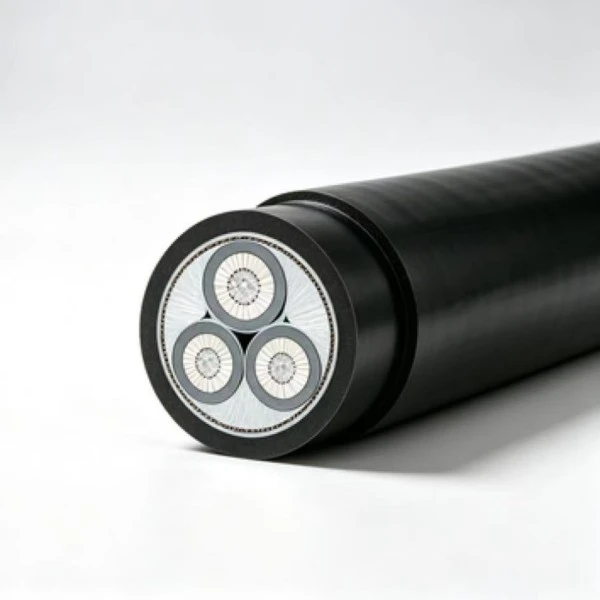
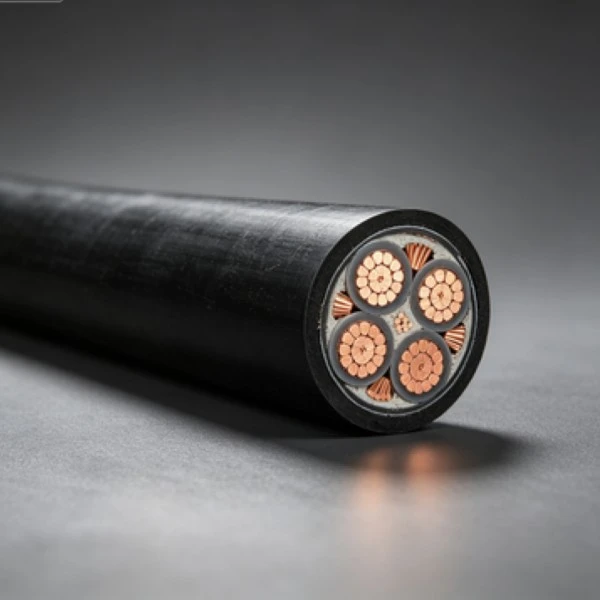
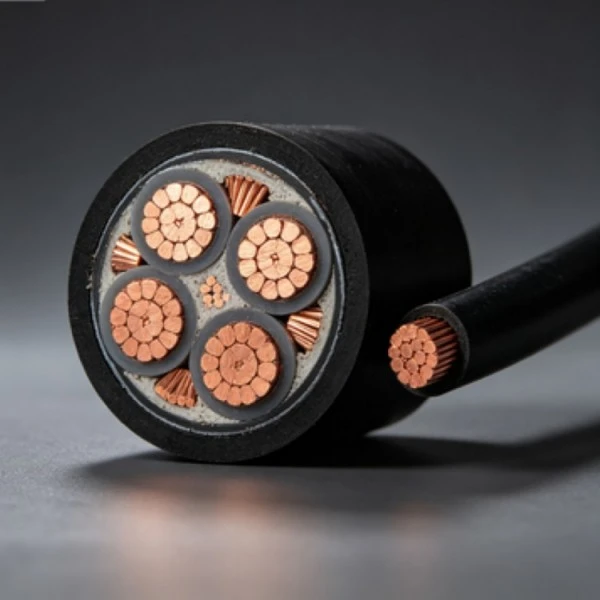
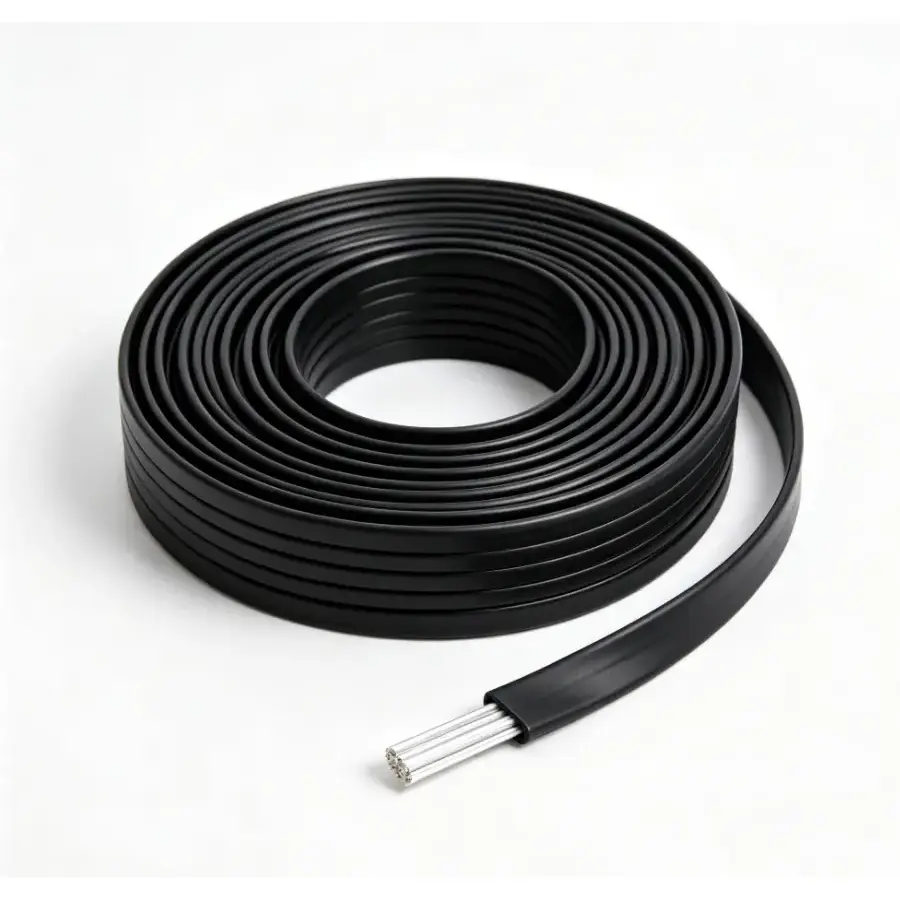
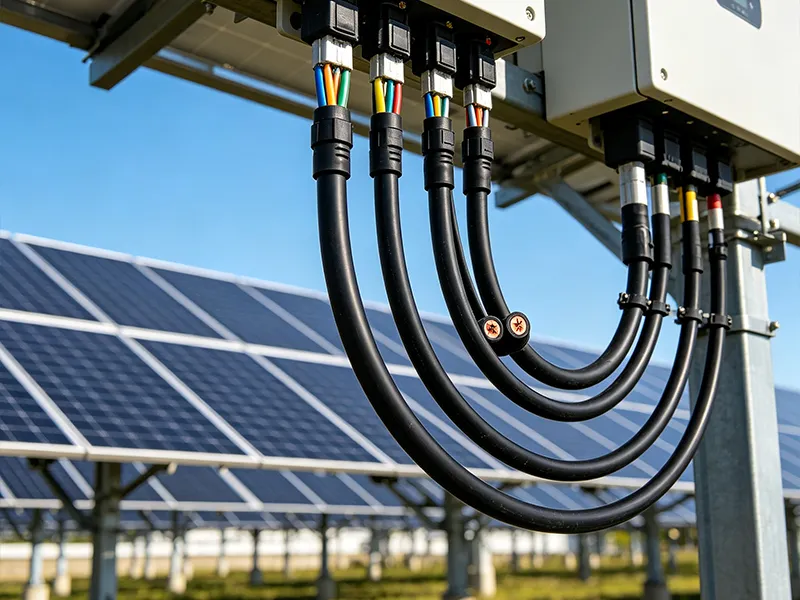
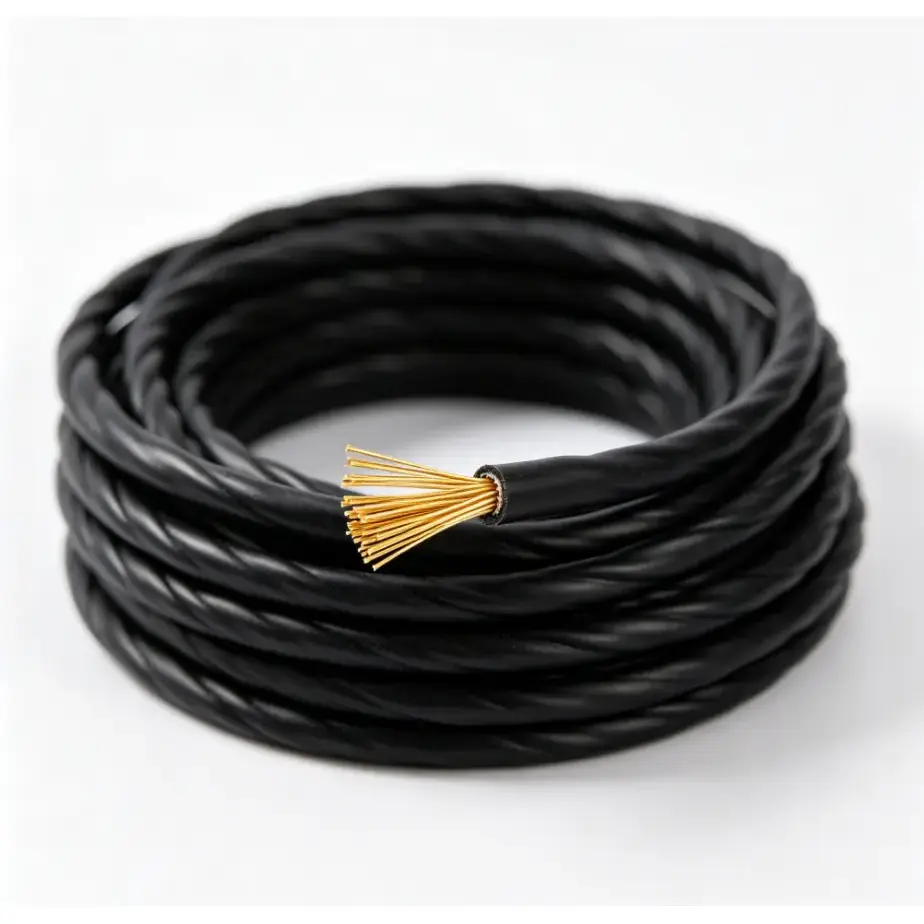
PV Cables are used for electrical connections in photovoltaic power generation systems, mainly on the DC side of solar installations. It connects solar modules, PV strings, combiner boxes, inverters, and other DC equipment within the power generation system. Cable construction is selected according to system voltage, current, installation method, environmental conditions, and the technical requirements of the project.
Qiancheng supplies photovoltaic cable solutions including PV1-F and H1Z2Z2-K, together with DC cable options for higher-voltage photovoltaic applications. Depending on the required specification, constructions may include tinned copper conductors, cross-linked polyolefin insulation and sheath materials, and protection against UV radiation, ozone, moisture, and outdoor weathering.
Product Overview
|
Product name
|
Specifications available
|
Voltage Ratings
|
Configurations
|
|
PV Cable
|
PV1-F, H1Z2Z2-K, DC 1.5kV/3kV
|
DC 1.5kV (AC 0U/U 0.6/1kV), DC 3.0kV
|
Tinned copper conductor, cross-linked polyolefin insulation, UV resistant, tinned copper / aluminium conductor
|
Which Standards Apply?
The applicable standard depends on the cable construction, voltage rating, intended application, installation conditions, and destination market. For photovoltaic projects, the required standard should be confirmed before production so that the conductor, insulation system, dimensions, testing, and documentation match the project specification.
|
Certification Type
|
Details
|
|
European Standards
|
EN 50618:2014 (H1Z2Z2-K)
|
|
American Standards
|
UL 4703
|
|
Chinese Standards
|
NB/T 42073-2016, 2PFG1169/08:2007
|
|
Other Certifications
|
TÜV, CEI 82B-2012
|
Certification and third-party testing requirements vary by product construction and destination market. The applicable certificates, test reports, inspection records, and technical documents should therefore be confirmed against the selected specification before production.
What Materials Are Used?
The conductor and insulation system determine important electrical, thermal, and environmental characteristics. Tinned copper conductors are used where good electrical conductivity, corrosion resistance, and reliable long-term connections are required. Cross-linked polyolefin insulation and sheath materials can provide resistance to UV radiation, ozone, moisture, and outdoor weathering when designed and tested for the intended application.
Material selection also depends on operating temperature, voltage level, installation method, mechanical exposure, and the environmental conditions of the photovoltaic system. For projects with specific requirements, the conductor material and insulation construction should be confirmed from the product technical specification rather than selected only by cable size.
What Are the Key Performance Requirements?
Cables installed in photovoltaic systems are exposed to sunlight, temperature variation, moisture, and mechanical stress over long operating periods. The required construction therefore needs to meet both the electrical requirements of the DC circuit and the environmental conditions at the installation site.
Depending on the selected specification, photovoltaic cable constructions can be designed for resistance to UV exposure, ozone, weathering, and elevated operating temperatures. Some product designs cover operating temperatures down to -40°C and up to +90°C, while the maximum conductor temperature is determined by the applicable standard and specific cable construction.
Where electron beam cross-linking is used, the cross-linked insulation and sheath structure can improve resistance to thermal and mechanical stress. The applicable cross-linking process, temperature rating, and test requirements should be confirmed from the technical data for the selected product.
How to Select the Right Specification?
The required cable size should be determined from the electrical and installation conditions of the solar project rather than from current capacity alone. Key factors include system voltage, operating current, cable length, installation method, ambient temperature, cable grouping, allowable voltage drop, and the required standard.
Common conductor sizes include 1.5mm², 2.5mm², 4mm², 6mm², and 10mm², with larger cross-sectional areas available for higher-current DC circuits. Utility-scale and commercial photovoltaic systems may require larger cable sizes depending on circuit current, cable length, installation conditions, and system design.
For specification matching, the required system voltage, current, conductor material, cross-sectional area, cable length, installation method, applicable standard, quantity, and destination market can be provided for technical review. Qiancheng can use these parameters to confirm the applicable construction and available specification.
Where Is It Used?
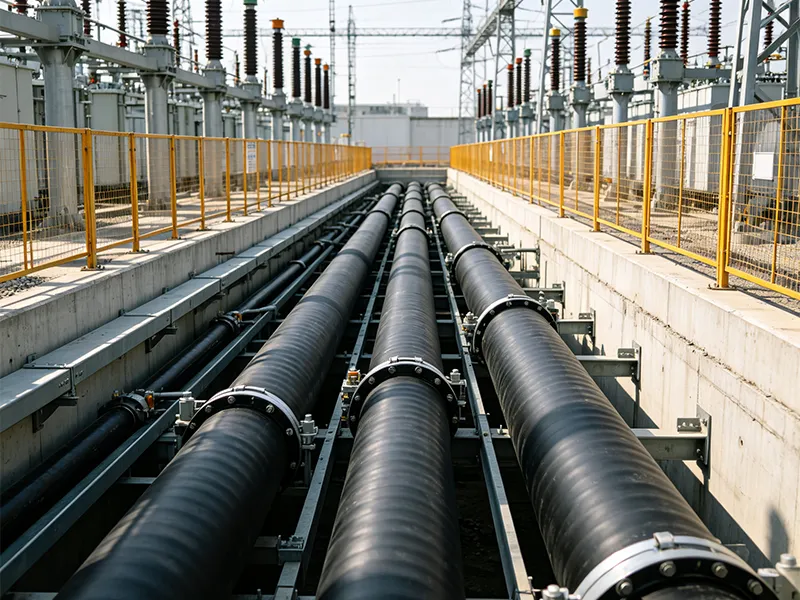
Photovoltaic cables are primarily installed on the DC side of solar power generation systems. They can be used in residential rooftop systems, commercial and industrial installations, and utility-scale solar power plants, with the cable construction selected according to the electrical and environmental conditions of each application.
Typical applications include module interconnection between photovoltaic panels, connections between PV strings and combiner boxes, DC connections to photovoltaic inverters, and other DC distribution circuits within the solar power system.
For projects that also require conventional power distribution cables, Qiancheng can supply Power Cable solutions for applicable AC and power distribution applications.
Manufacturing and Quality Control
Qiancheng Cable has been engaged in cable manufacturing since 2000 and operates a production facility covering approximately 200,000 square meters. The company has more than 700 employees, including over 120 technical personnel involved in research and development, production processes, and quality inspection.
Production and inspection are supported by dedicated cable manufacturing equipment and testing facilities covering electrical, mechanical, thermal, and other relevant performance requirements. Depending on the selected product and project requirements, technical specifications, test reports, inspection records, and related quality documentation can be provided for review.
Technical Support for Solar Projects
For photovoltaic projects, Qiancheng can review requirements based on system voltage, conductor material, cross-sectional area, installation conditions, applicable standard, quantity, and delivery requirements. These details help determine the appropriate cable construction before production and quotation.
If you are sourcing PV Cable for a solar project, provide the required specification or project parameters. Qiancheng can check the available product type, applicable standard, technical documentation, and production requirements according to the intended application.