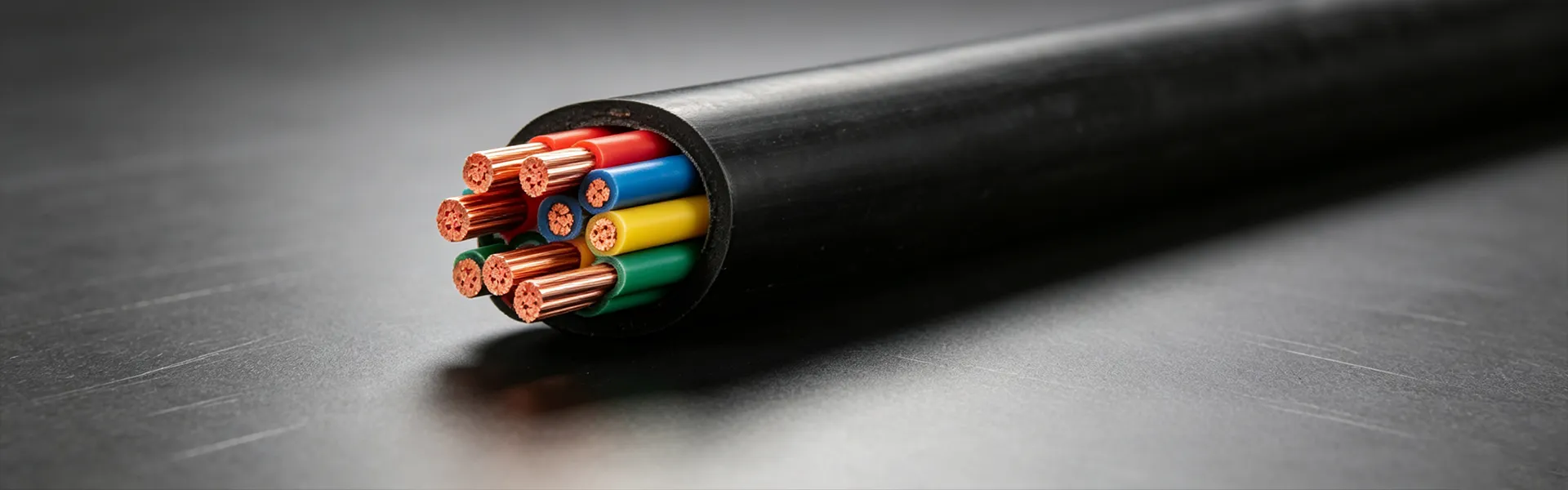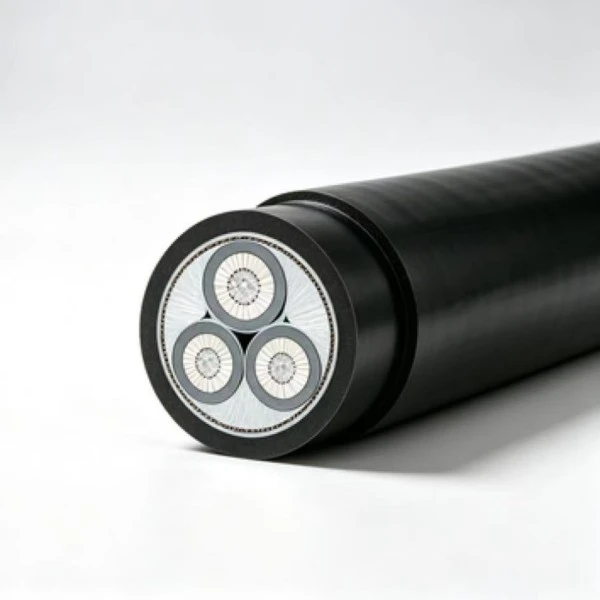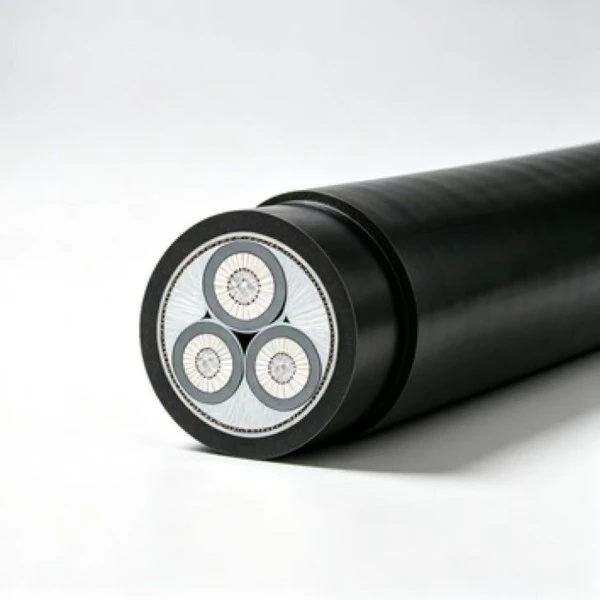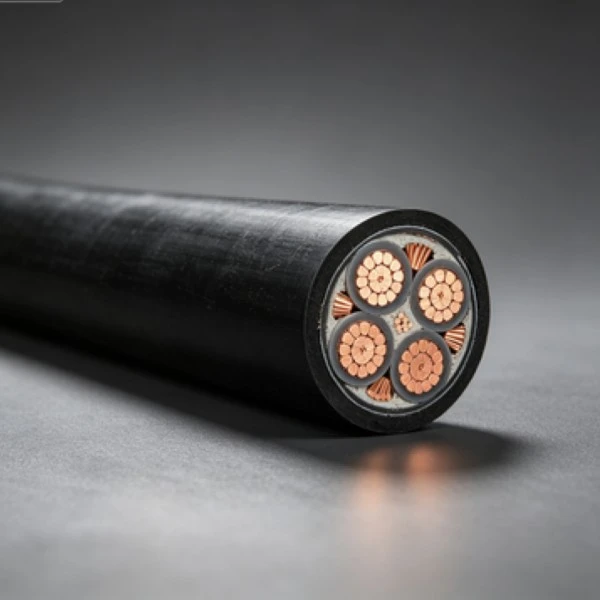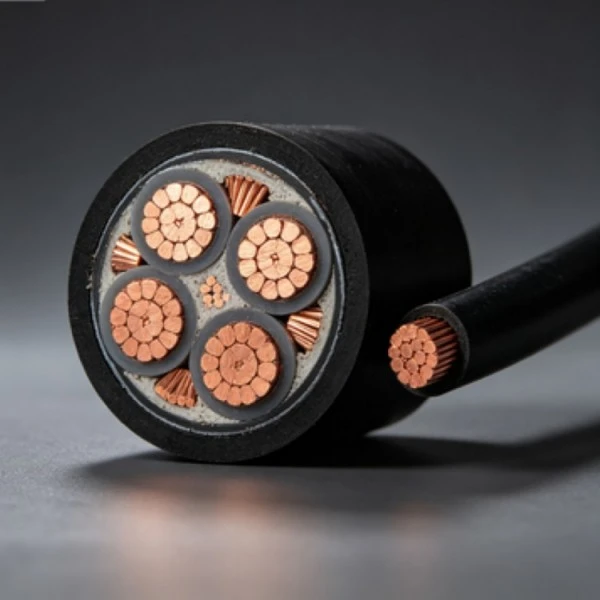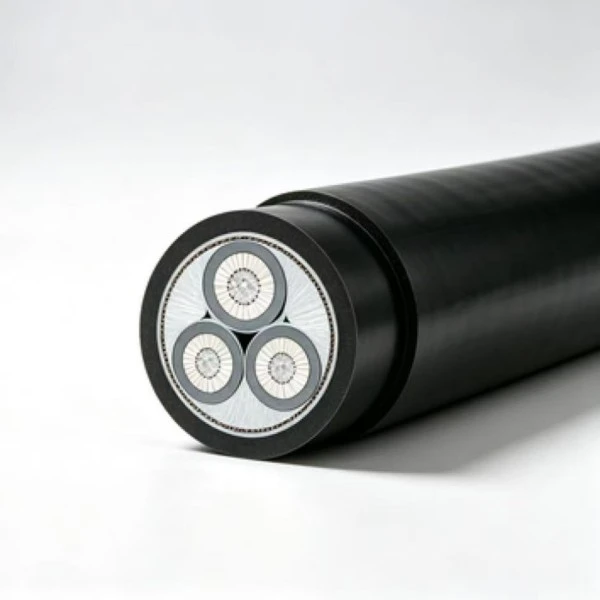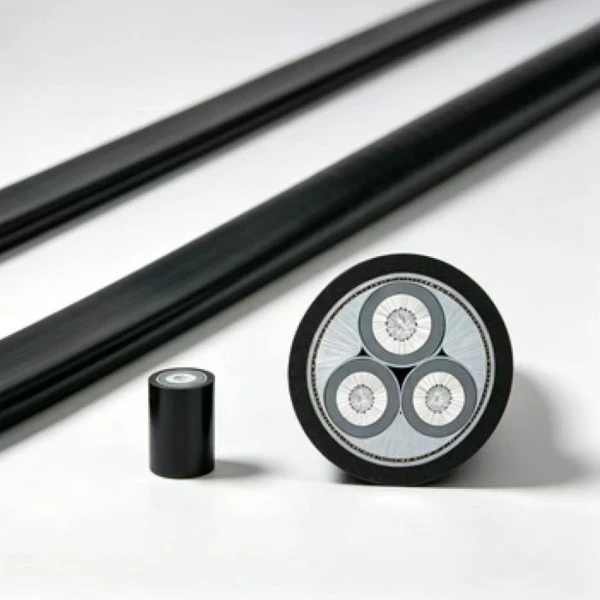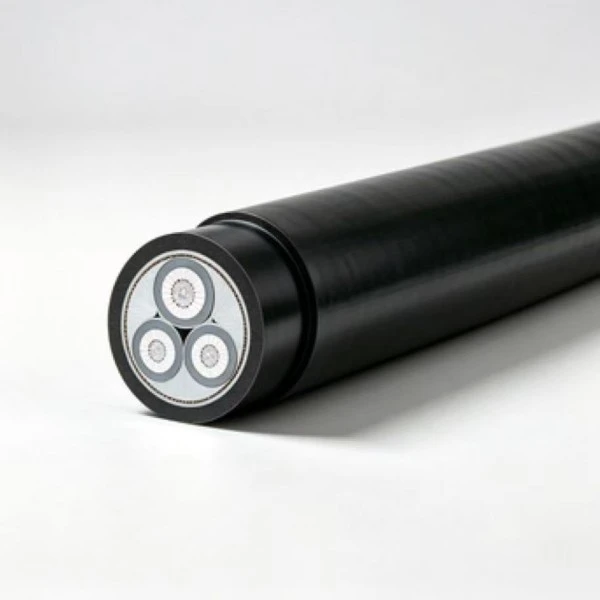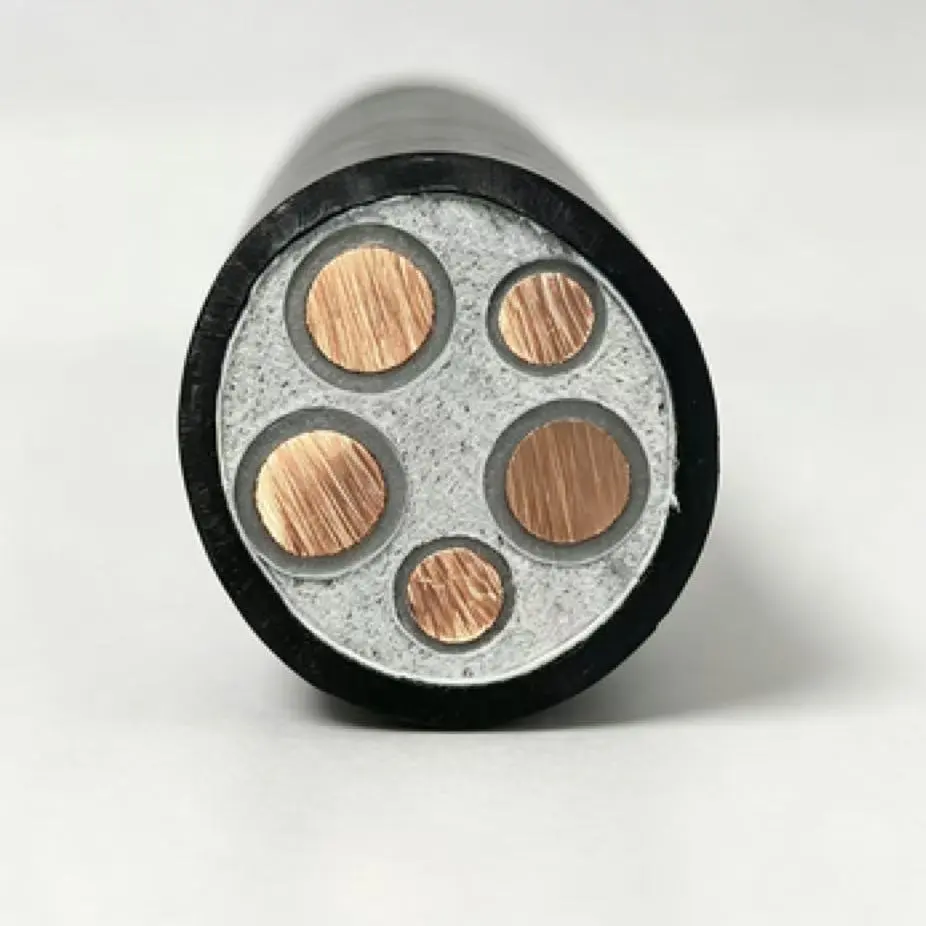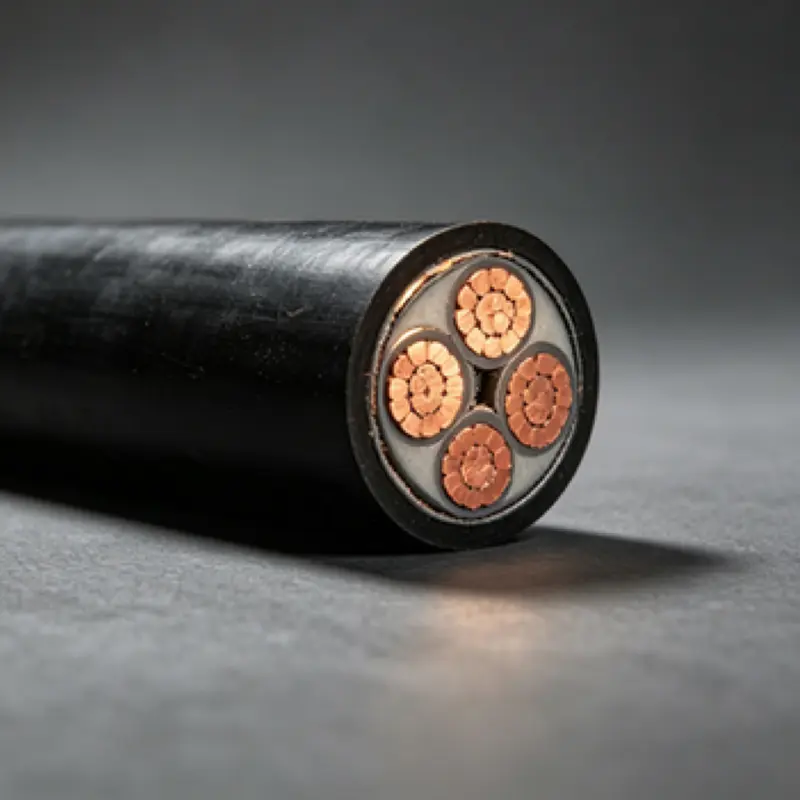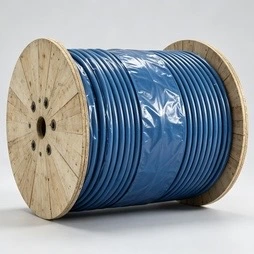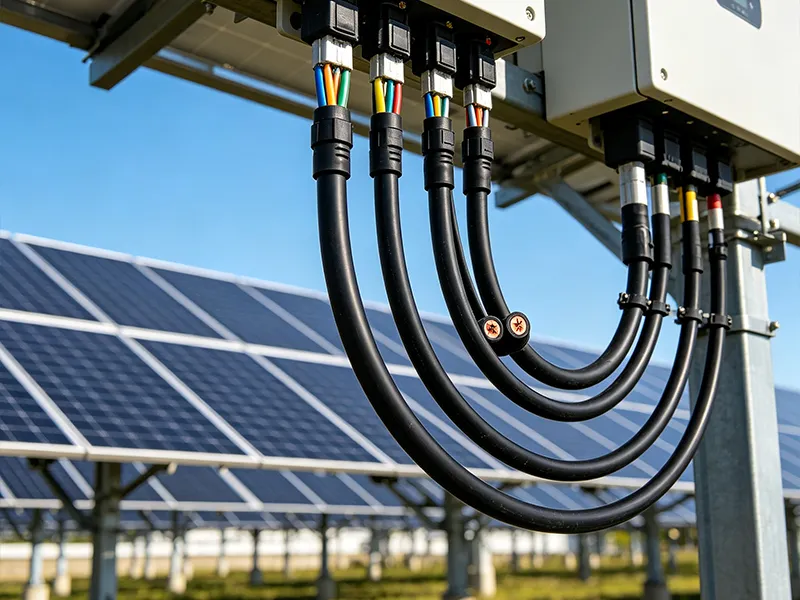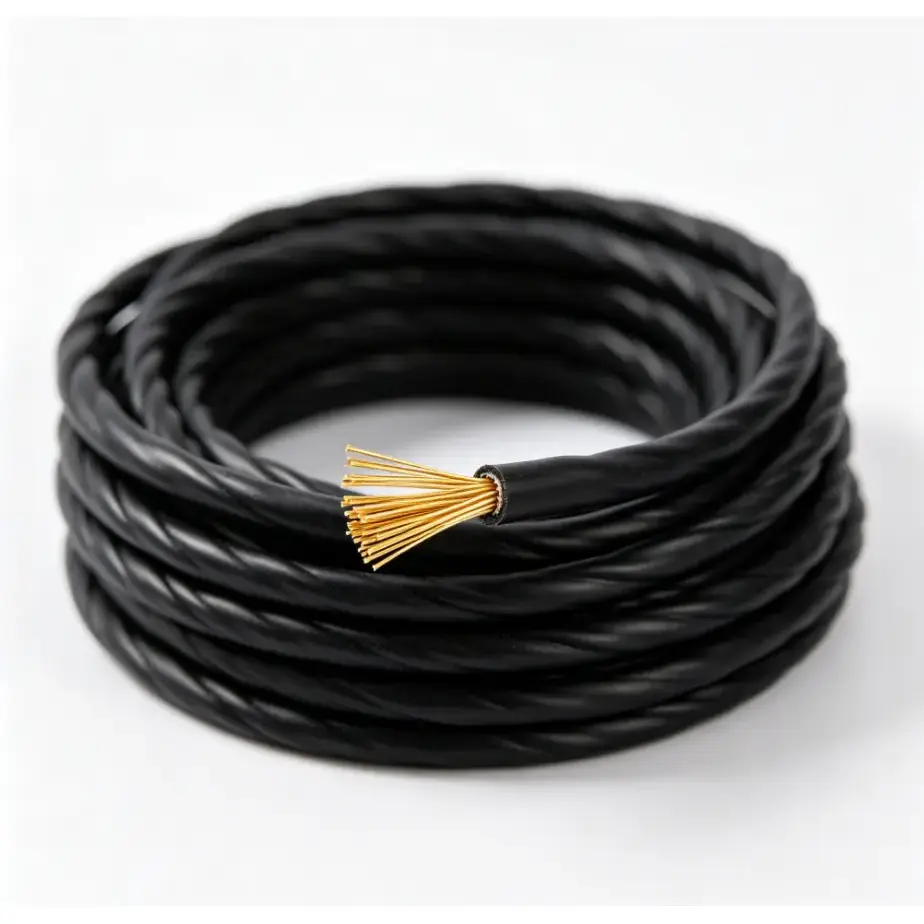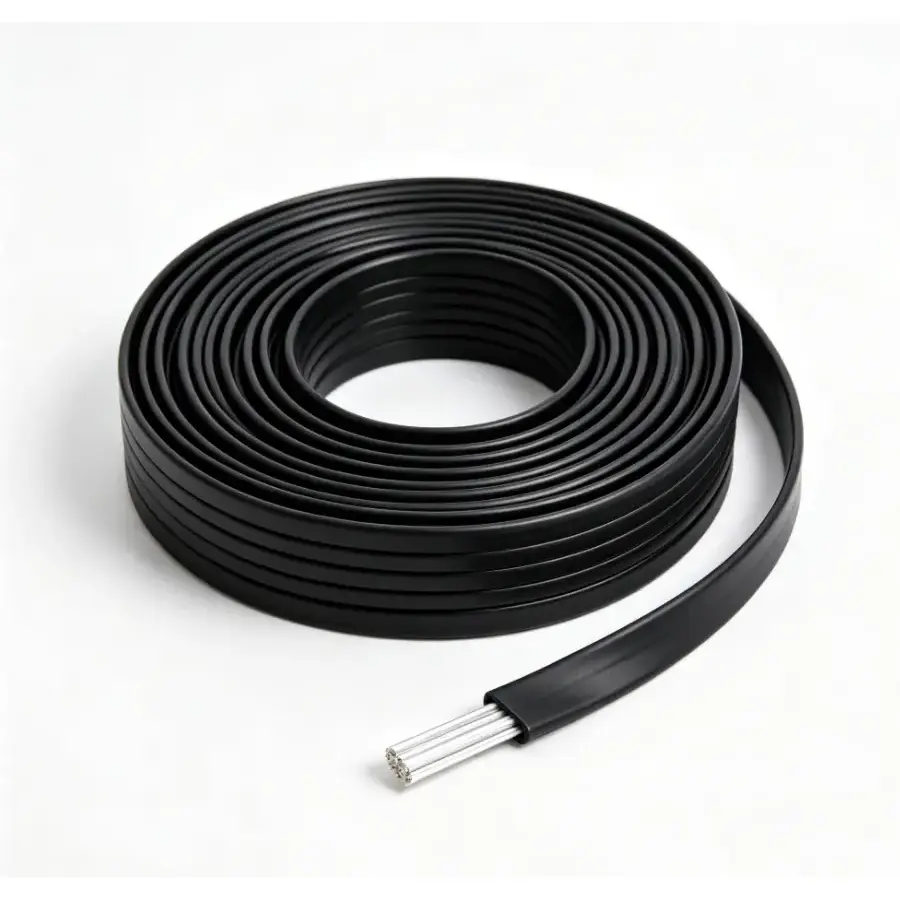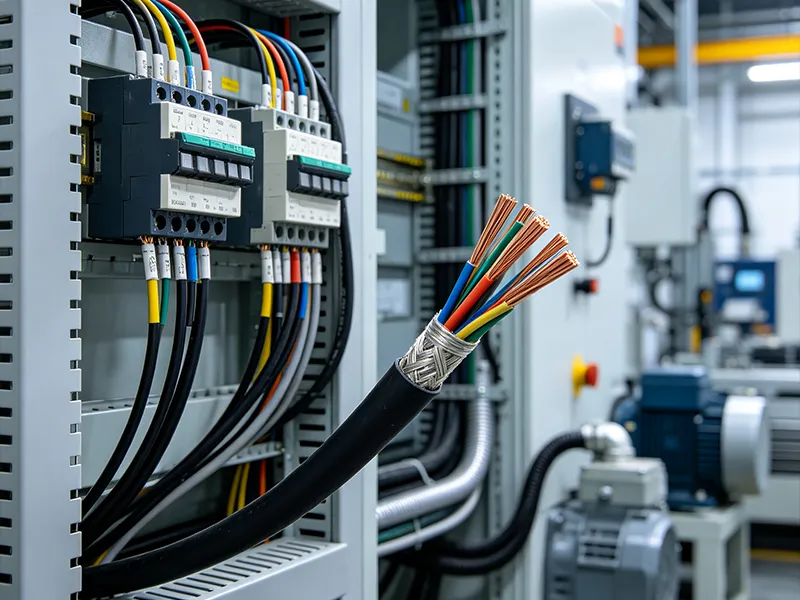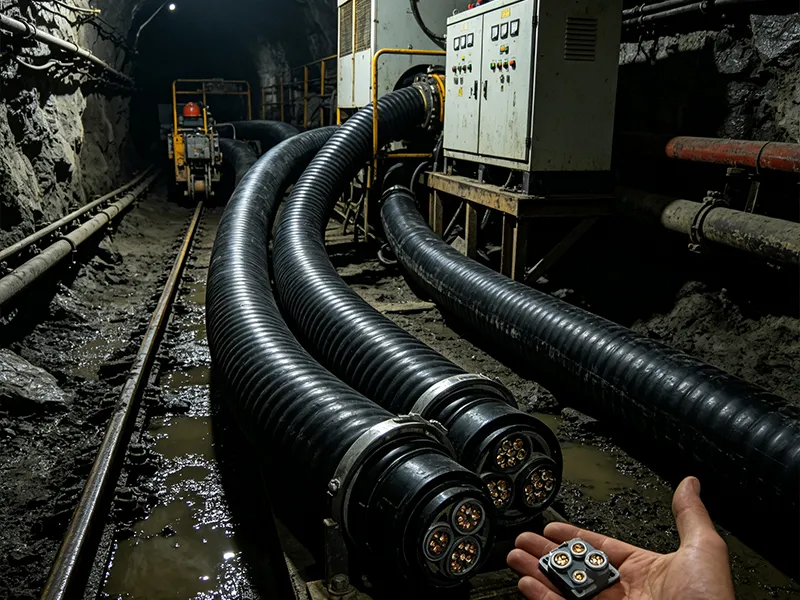
Aluminum XLPE Low Voltage Power Cable uses aluminum conductors with XLPE insulation for 0.6/1 kV low-voltage power distribution. The aluminum conductor reduces cable weight compared with copper construction, while XLPE provides stable electrical insulation at the specified operating temperature. The cable can be configured for fixed installations in factories, outdoor distribution systems, cable trenches and other applications where the laying conditions match the product specification.
|
Nominal cross-section (mm²) |
Insulation thickness (mm) |
Sheath thickness (mm) |
Approximate cable outer diameter (mm) |
Conductor DC resistance (Ω/km)Al |
Test voltage (kV/5min) |
Ampacity in air (A) (A)-Al |
Ampacity in direct-buried soil(A)-Al |
|
1×1.5 |
0.7 |
1.5 |
6 |
— |
3.5 |
— |
— |
|
1×2.5 |
0.7 |
1.5 |
6 |
≤12.1 |
3.5 |
26 |
32 |
|
1×4 |
0.7 |
1.5 |
7 |
≤7.41 |
3.5 |
35 |
42 |
|
1×6 |
0.7 |
1.5 |
7 |
≤4.61 |
3.5 |
45 |
54 |
|
1×10 |
0.7 |
1.5 |
8 |
≤3.08 |
3.5 |
59 |
69 |
|
1×16 |
0.7 |
1.5 |
9 |
≤1.91 |
3.5 |
78 |
90 |
|
1×25 |
0.9 |
1.5 |
10 |
≤1.20 |
3.5 |
100 |
115 |
|
1×35 |
0.9 |
1.5 |
12 |
≤0.868 |
3.5 |
125 |
135 |
|
1×50 |
1.0 |
1.5 |
13 |
≤0.641 |
3.5 |
150 |
165 |
|
1×70 |
1.1 |
1.5 |
14 |
≤0.443 |
3.5 |
190 |
200 |
|
1×95 |
1.1 |
1.5 |
16 |
≤0.320 |
3.5 |
230 |
240 |
|
1×120 |
1.2 |
1.5 |
18 |
≤0.253 |
3.5 |
370 |
275 |
|
1×150 |
1.4 |
2.0 |
21 |
≤0.206 |
3.5 |
310 |
310 |
|
1×185 |
1.6 |
2.0 |
23 |
≤0.164 |
3.5 |
360 |
355 |
|
1×240 |
1.7 |
2.0 |
25 |
≤0.125 |
3.5 |
430 |
410 |
|
1×300 |
1.8 |
2.0 |
34 |
≤0.100 |
3.5 |
495 |
465 |
|
1×400 |
2.0 |
2.1 |
37 |
≤0.0778 |
3.5 |
590 |
535 |
|
1×500 |
2.2 |
2.2 |
41 |
≤0.0605 |
3.5 |
685 |
610 |
|
1×630 |
2.4 |
2.3 |
45 |
≤0.0469 |
3.5 |
800 |
695 |
|
1×800 |
2.6 |
2.4 |
46 |
≤0.0367 |
3.5 |
930 |
785 |
|
1×1000 |
2.8 |
2.6 |
51 |
≤0.0291 |
3.5 |
1050 |
875 |
|
Voltage grade Uo/U (kV) |
Requirement |
|
3.6/6、6/6 |
Partial discharge ≤ 10 pC at 1.73U₀ |
|
8.7/10、12/20 |
Partial discharge ≤ 10 pC at 1.73U₀ |
|
18/30、21/35 |
Partial discharge ≤ 10 pC at 1.73U₀ |
|
26/35 |
Partial discharge ≤ 10 pC at 1.73U₀ |

For single-core cables, the permissible bending radius is \(20\times(d+D)\pm5\%\).
For multi-core cables, the permissible bending radius is \(15\times(d+D)\pm5\%\).
D = Actual outer diameter of cable (mm)
d = Actual diameter of conductor (mm)
Pre-heating is mandatory when laying below 0℃. The cable should be handled and installed according to the applicable low-temperature laying procedure to reduce the risk of mechanical damage to the insulation or sheath.
There is no restriction on vertical laying height difference according to the supplied technical information. The installation method, fixing arrangement and cable weight should still be considered when planning vertical routes.
|
Air temperature |
||||||||||||||||
|
Operating temperature(℃) |
15 |
10 |
15 |
20 |
25 |
30 |
35 |
40 |
45 |
50 |
||||||
|
1.30 |
1.26 |
1.22 |
1.18 |
1.44 |
1.09 |
1.04 |
1.0 |
0.96 |
0.89 |
|||||||
|
Soil temperature |
||||||||||||||||
|
5 |
10 |
15 |
20 |
25 |
30 |
35 |
||||||||||
|
1.44 |
1.11 |
1.07 |
1.04 |
1.00 |
0.96 |
0.92 |
||||||||||
Aluminum XLPE Low Voltage Power Cable can be used for fixed low-voltage distribution inside factory workshops, warehouses and other industrial buildings. Typical routing includes cable trays and wall-mounted cable systems. When selecting the conductor size, the connected load, installation arrangement, ambient temperature and required voltage drop should be checked together.
For outdoor fixed installations, the cable can be routed along suitable structures, utility poles or other supporting systems where permitted by the project specification. The sheath provides protection for normal outdoor exposure, while long-term sunlight, temperature changes, moisture and mechanical loading should be considered during installation.
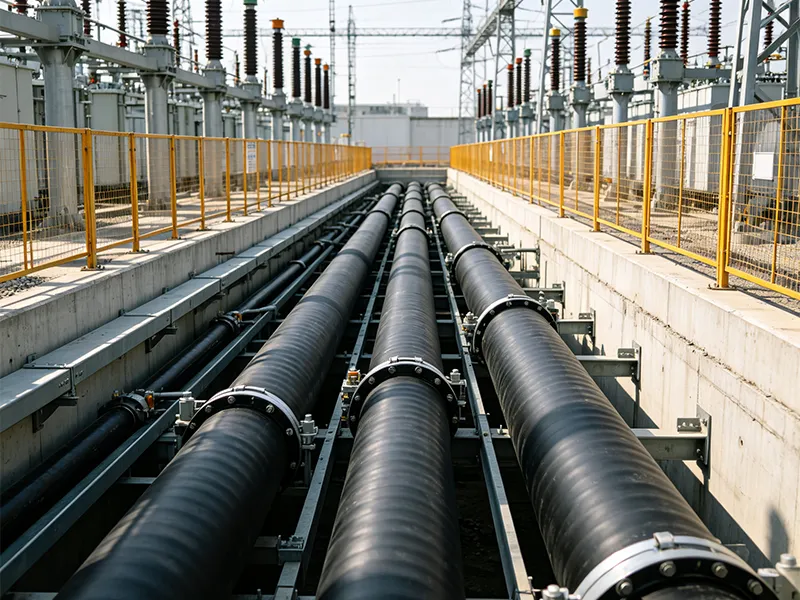
Cable trenches and utility tunnels provide common routes for fixed power-distribution circuits. The installation should allow adequate heat dissipation and provide appropriate support and protection. In enclosed or grouped installations, the ampacity correction factors and actual ambient conditions should be considered rather than applying the air-rated current directly.
Direct burial can be considered where the cable construction, soil conditions and mechanical protection meet the project requirements. Burial depth, drainage, external loading and the possibility of future excavation should be reviewed before installation. Protective measures may be required in corrosive soil or locations exposed to significant mechanical forces.
The cable can be considered for fixed low-voltage distribution in rural power-grid renovation and similar infrastructure work. Aluminum conductors reduce cable weight, which can be useful where long cable routes require substantial transportation and installation work. Conductor sizing should follow the expected load, route length, voltage-drop requirement and installation conditions.
A: The rated voltage is 0.6/1 kV for general low-voltage power distribution. Depending on the construction and project conditions, installation methods can include outdoor overhead routing, cable trenches and certain direct-buried applications. Outdoor use should take account of sunlight, rain, temperature, mechanical protection and the specified sheath properties.
A: For single-core cables, the specified bending requirement is \(20\times(d+D)\pm5\%\), while the requirement for multi-core cables is \(15\times(d+D)\pm5\%\). Pre-heating is required when the laying ambient temperature is below 0℃. The cable should not be forcibly bent or pulled at low temperatures because PVC or other polymeric sheath materials can become less flexible.
A: The supplied technical table covers nominal cross-sections from 1.5 mm² to 1000 mm². Availability depends on the required specification and production schedule. Cut-to-length requirements and cable marking can be discussed for project orders, with quantity, conductor size and required delivery date confirmed before production.
A: Aluminum has a lower density than copper, reducing cable weight and making transportation and handling easier for many installations. The conductor material also has a lower material cost in many applications. However, conductor selection should not be based on material price alone; current-carrying capacity, voltage drop, route length, connection method and installation conditions should all be checked.
A: Relevant factory inspection records and electrical test documents can be supplied according to the product specification and order requirements. English-language documentation can be prepared when required for overseas project review or customs documentation. The exact certificates, test reports and document format should be confirmed according to the destination market and project acceptance requirements.
A: Direct burial should be carried out only where the cable construction and site conditions meet the applicable requirements. Protective sleeves or conduits can be considered where the cable is exposed to strong soil corrosion, high moisture, vehicle loading, excavation activity or other mechanical risks. Proper burial depth and drainage should also be included in the installation plan.
A: Lead time depends on conductor cross-section, cable construction, order quantity, production capacity, packaging and documentation requirements. Standard specifications may have shorter production schedules when materials and capacity are available. Custom or large-volume orders should be confirmed with the factory in advance so that production and shipment can be coordinated with the project schedule.
A: Allowable current changes with ambient temperature because heat dissipation conditions change as the surrounding temperature rises or falls. The correction coefficients provided in the technical table should therefore be considered when selecting the conductor size and installation method. Cable grouping, ventilation, soil temperature and burial conditions can also affect the actual allowable current.
For project inquiries, the required voltage, conductor cross-section, cable length, installation method, ambient conditions and quantity should be provided so that the appropriate specification and technical documents can be confirmed.
Address
Qiancheng Cable Co., Ltd., Hengde Industrial Park, Gucheng County, Hengshui City, Hebei Province, China
Tel
Looking for the right cable for a project or application? Send your requirements to Qiancheng Cable for product selection and quotation. You can provide the cable type, voltage rating, conductor material, cross-section, core number, insulation, application and required quantity.
Whether you need standard cables or specification-based production, our team can review your requirements and recommend suitable product options from our manufacturing range.