Products
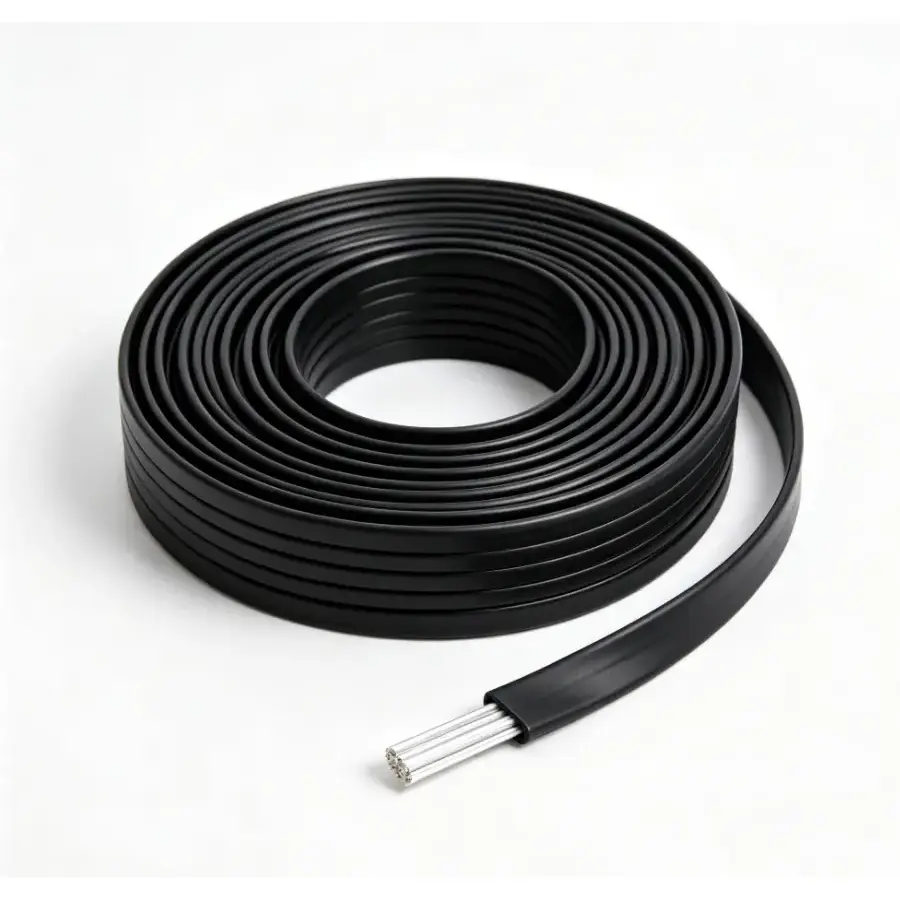
Copper XLPE Low Voltage Power Cable
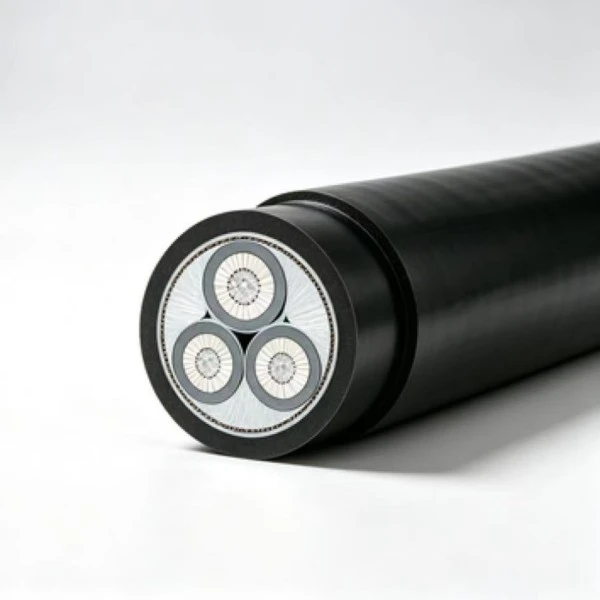
  • Copper XLPE Low Voltage Power CableCopper XLPE Low Voltage Power Cable
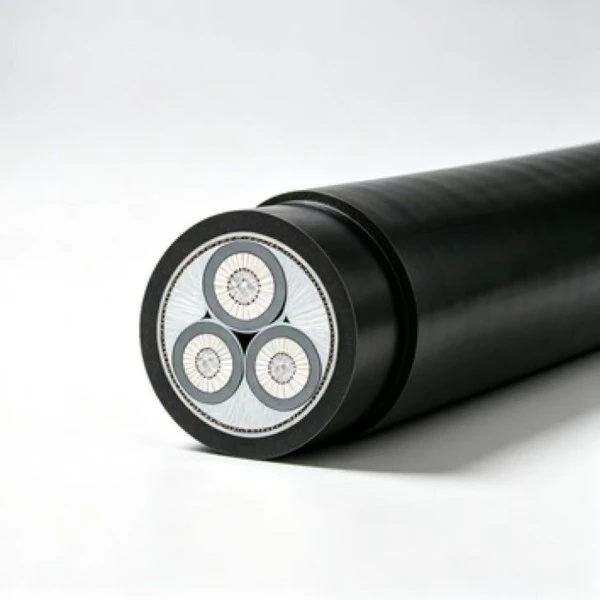
  • Copper XLPE Low Voltage Power CableCopper XLPE Low Voltage Power Cable
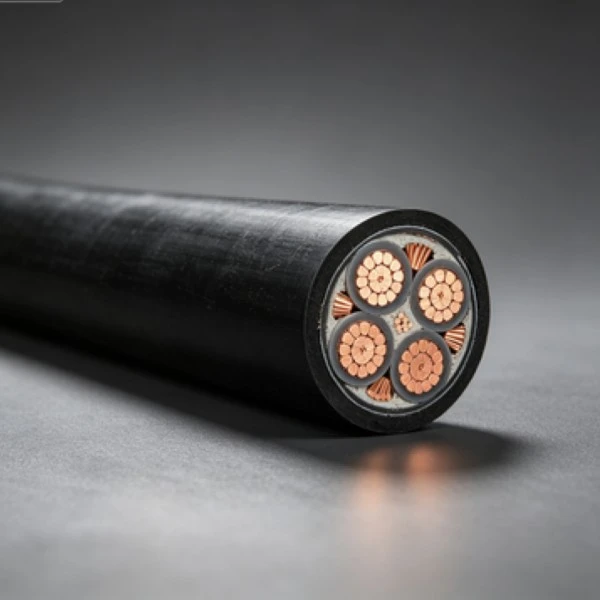
  • Copper XLPE Low Voltage Power CableCopper XLPE Low Voltage Power Cable
  • Copper XLPE Low Voltage Power CableCopper XLPE Low Voltage Power Cable

Copper XLPE Low Voltage Power Cable

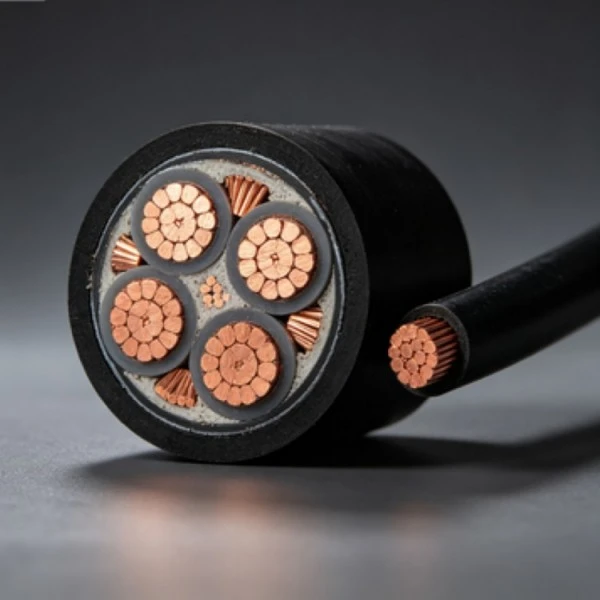
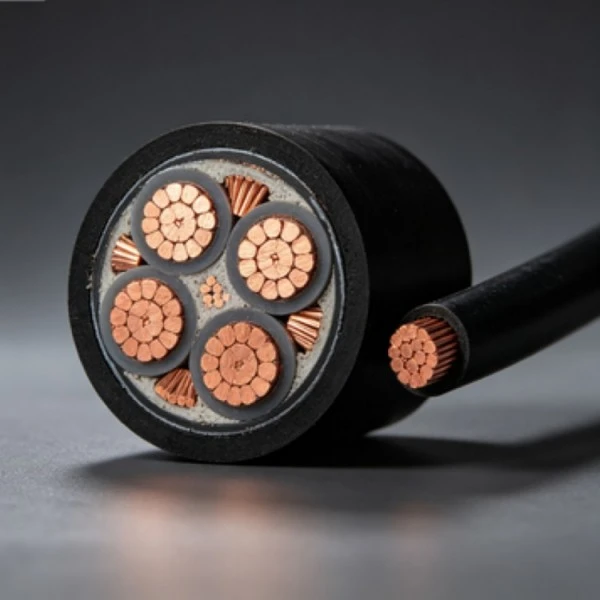
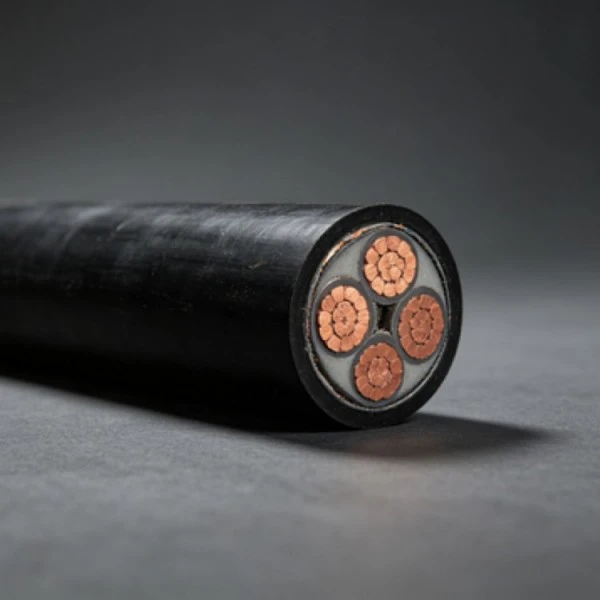
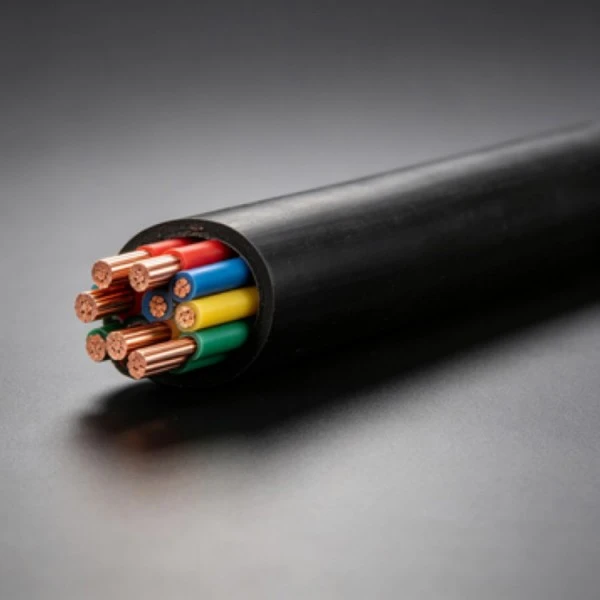
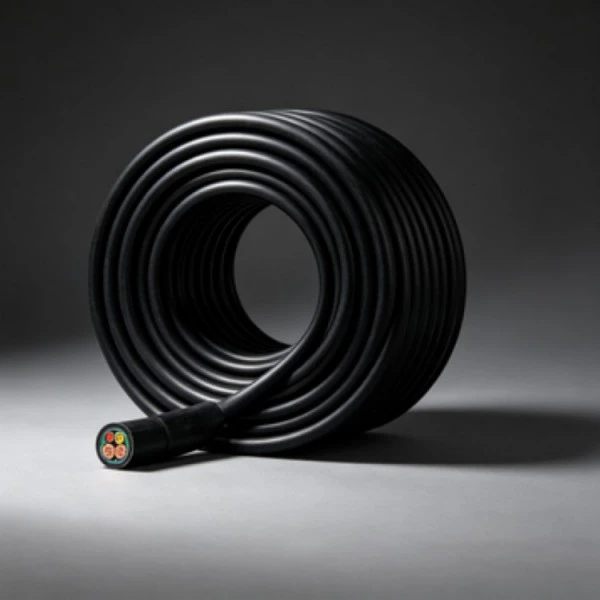
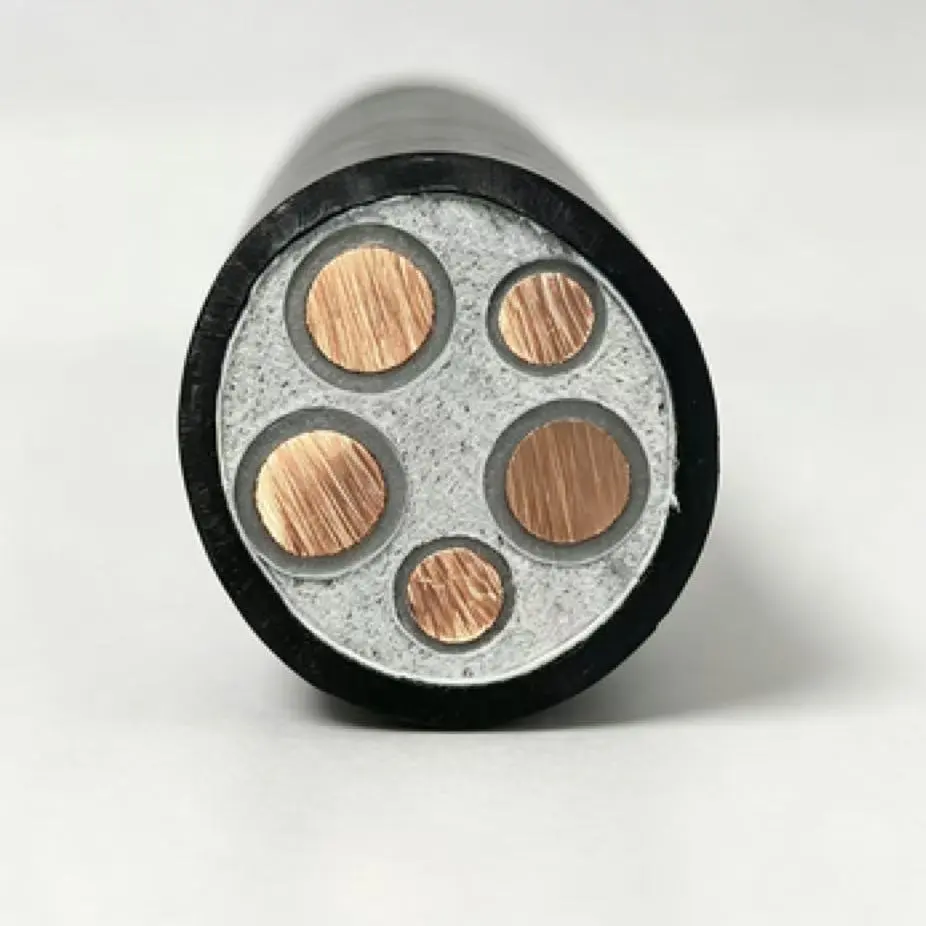
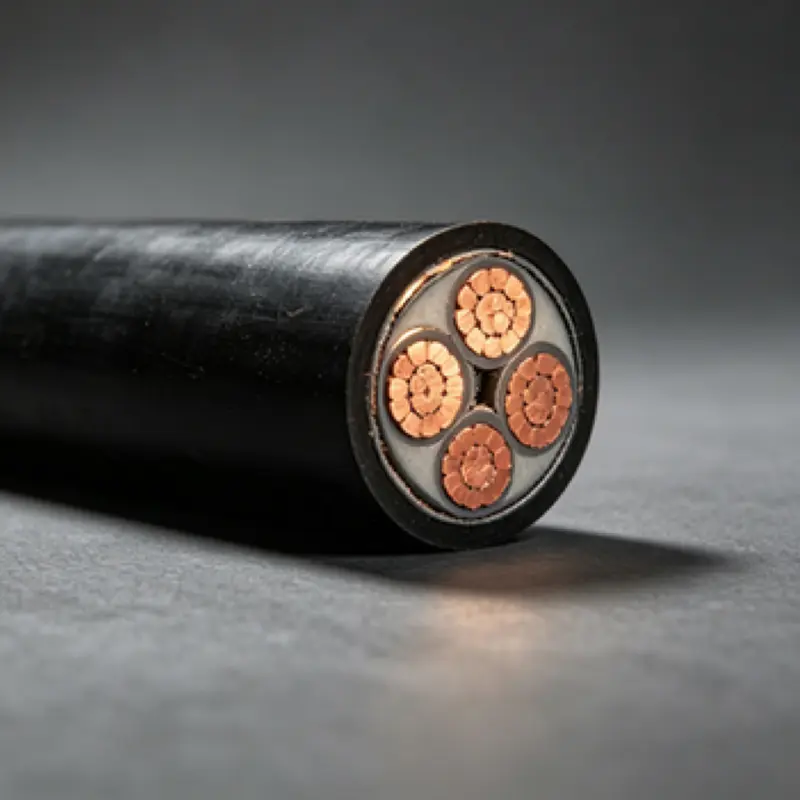
This Copper XLPE Low Voltage Power Cable features high-purity virgin copper conductors and high-quality cross-linked polyethylene (XLPE) insulation. Manufactured by China Qiancheng Factory, it is available for direct factory supply and bulk-order inquiries.
Copper Conductor · XLPE Insulation · 0.6/1 kV
Low Voltage Power Cable

Copper XLPE Low Voltage Power Cable combines copper conductors with cross-linked polyethylene (XLPE) insulation for low-voltage power transmission and distribution. The available conductor sizes cover common building, equipment and distribution applications, with solid and stranded conductor constructions included in the listed specifications. Cable size, installation method and project requirements should be confirmed before production.

1.5 – 400 mm²Conductor Range
0.6 / 1 kVRated Voltage
3.5 kV · 5 minAC Withstand Test
Solid + StrandedConductor Type
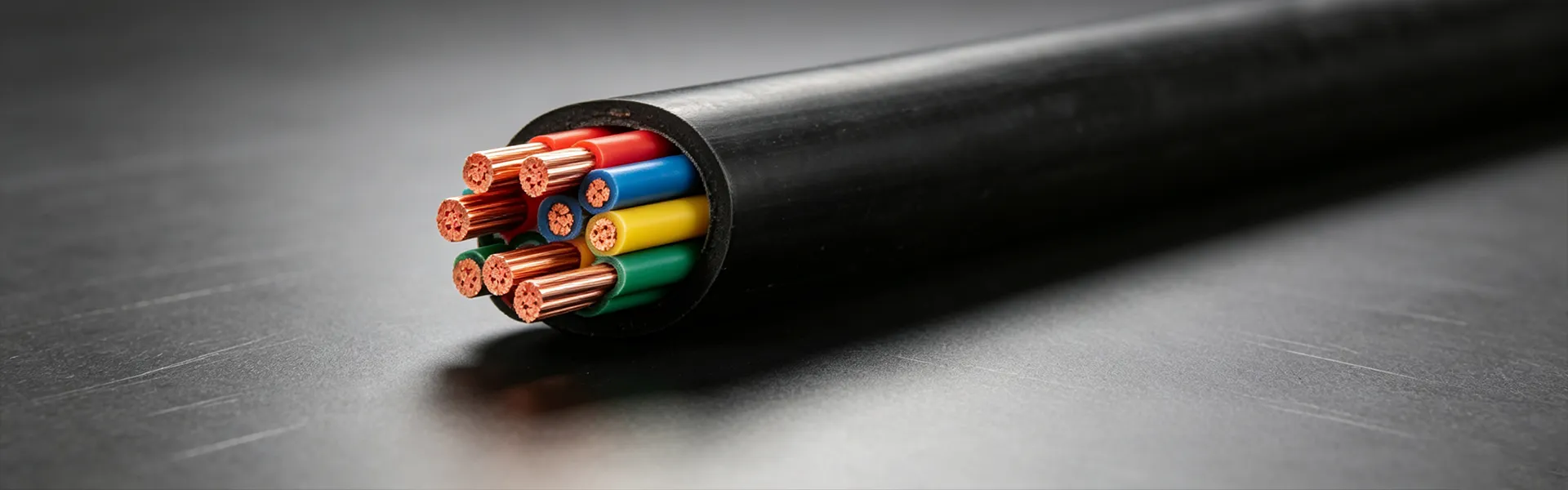
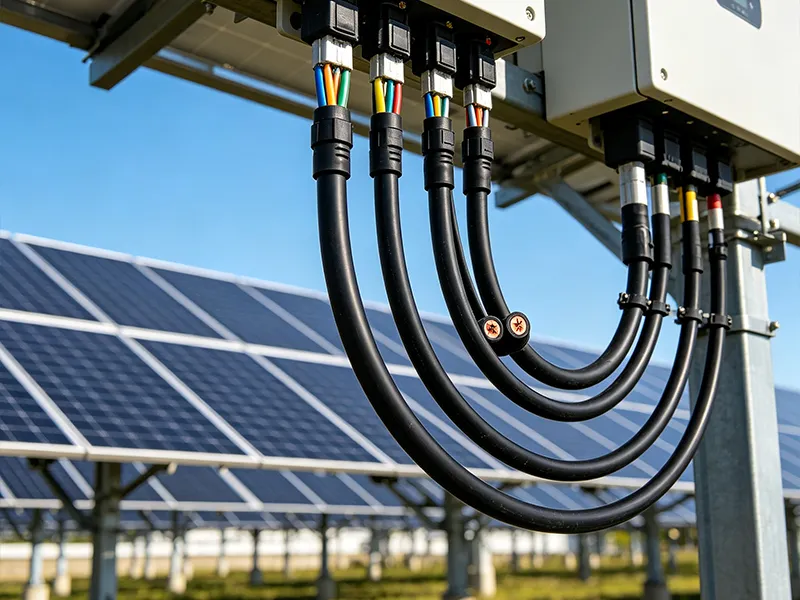
Copper XLPE Low Voltage Power Cable - product overview
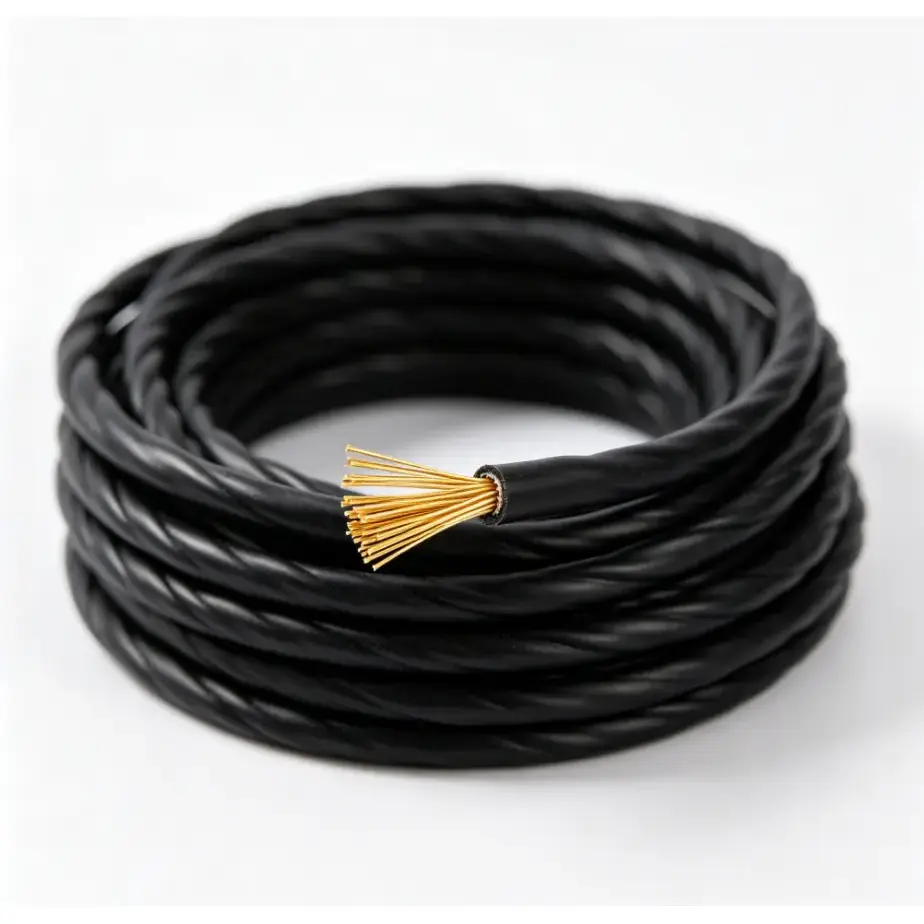
Copper XLPE Low Voltage Power Cable - construction detail
01

Product Dimensions and Technical Parameters

Nominal section (mm²) Min. conductor wires Conductor OD (mm) XLPE insulation thickness (mm) Approx. insulation OD (mm) Max. conductor resistance at 20℃ (Ω/km)
1.5 1 1.36 ± 0.02 0.7 3.0 12.1
1.5 (B) 7 1.56 ± 0.02 0.7 3.2 12.1
2.5 1 1.75 ± 0.02 0.7 3.4 7.41
2.5 (B) 7 2.01 ± 0.02 0.7 3.6 7.41
4 1 2.22 ± 0.02 0.7 3.8 4.61
4 (B) 7 2.52 ± 0.02 0.7 4.1 4.61
6 1 2.72 ± 0.03 0.7 4.3 3.08
6 (B) 7 3.09 ± 0.03 0.7 4.7 3.08
10 6 3.9 ± 0.10 0.7 5.5 1.83
16 6 5.0 ± 0.10 0.7 6.6 1.15
25 6 6.1 ± 0.10 0.9 8.1 0.727
35 6 7.1 ± 0.10 0.9 9.0 0.524
50 6 8.2 ± 0.15 1.0 10.4 0.387
70 12 9.8 ± 0.15 1.1 12.2 0.268
95 15 11.6 ± 0.15 1.1 14.0 0.193
120 18 13.2 ± 0.15 1.2 15.8 0.153
150 18 14.6 ± 0.20 1.4 17.6 0.124
185 30 16.2 ± 0.20 1.6 19.6 0.0991
240 34 18.5 ± 0.20 1.7 22.1 0.0754
300 34 20.5 ± 0.20 1.8 24.3 0.0601
400 53 23.3 ± 0.20 2.0 27.5 0.0470
02

Construction and Performance

Cu

Copper Conductor

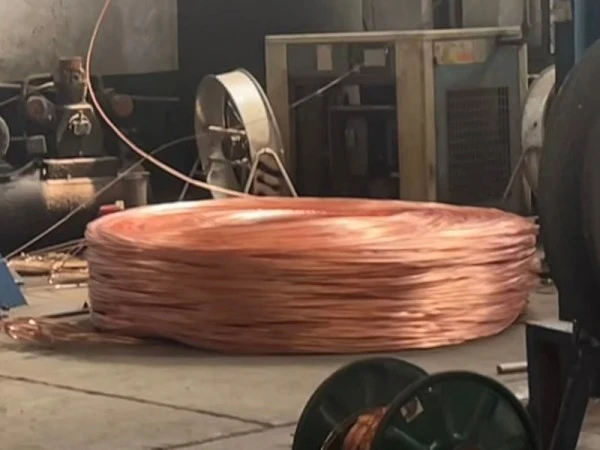
The conductor provides the main current-carrying path of the cable. The supplied specifications include both solid and stranded constructions at smaller cross-sections, while larger sizes use multi-wire stranded conductors. Conductor resistance values at 20℃ are listed in the technical table for specification verification.

XL

XLPE Insulation

Cross-linked polyethylene provides the primary electrical insulation around the copper conductor. Compared with ordinary thermoplastic polyethylene, XLPE is commonly selected for power cables where higher thermal capability and stable insulation properties are required. The actual operating temperature limits should follow the applicable product specification.

mm

Dimensional Consistency

Conductor diameter, insulation thickness and approximate insulated diameter vary with the nominal cross-section. These values are important when checking cable compatibility with terminals, conduits, cable trays and other installation components.

⚙

Mechanical and Environmental

The insulation provides protection against normal handling during cable installation. However, the cable should not be treated as a substitute for a dedicated flexible or armored construction where the installation involves continuous movement, severe mechanical impact, excessive pulling force or other special conditions.

⚡

Electrical Performance

The combination of a copper conductor and XLPE insulation provides a conventional low-voltage power-cable construction for electrical distribution. Conductor resistance, insulation dimensions and voltage withstand requirements should be verified against the applicable standard and project specification before acceptance.

✓

Specification Logic

Copper XLPE Low Voltage Power Cable can be specified according to the electrical load, installation environment and required conductor construction rather than simply selecting a cross-section based on nominal current.

03

Technical Performance Specifications

Electrical and Dimensional Requirements

Finished-cable dimensions should be checked against the applicable product specification. For the supplied AC voltage test requirement, the cable withstands 3.5 kV for 5 minutes without breakdown at ambient temperature. The applicable test procedure and acceptance criteria should be confirmed against the relevant standard for the ordered cable.

Cable Marking

Continuous identification can include the manufacturer name, product model and rated voltage, according to the applicable marking requirements. Specific marking content can be confirmed before production when the cable is supplied for an overseas or project-specific application.

Inspection Before Shipment

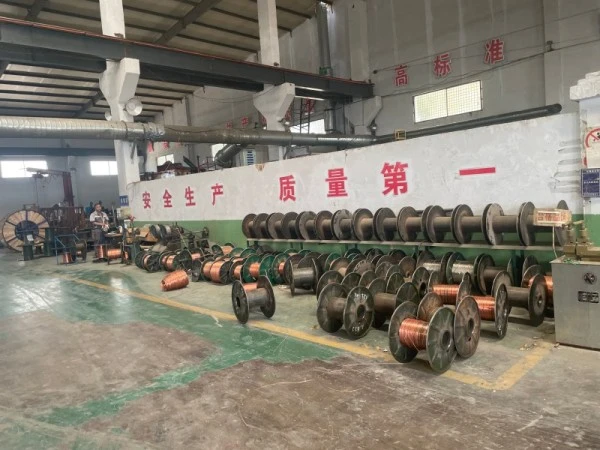
Inspection can cover conductor resistance, dimensional measurements, insulation condition and the specified electrical tests. Where the project requires factory inspection records or additional test documentation, those requirements should be confirmed when the order is placed.

04

Installation Guidelines

1Cable Tray

Cable Tray Installation

Cable trays can be used for power distribution in buildings, factories, basements and similar installations. Power and control cables should be arranged according to the electrical design, with sufficient spacing for heat dissipation and access for inspection. Supports, fixing intervals and cable separation should follow the applicable installation specification.

2Direct Burial

Direct-buried Installation

For direct burial, the cable route, burial depth, soil conditions and mechanical protection should be determined according to the project design. Sharp objects and excessive mechanical stress should be avoided during laying. Where the installation may be exposed to excavation or external impact, additional mechanical protection should be considered.

3Conduit

Conduit Installation

Conduit installation can be used for concealed wiring in partition walls, floor structures and other protected routes. The inside of the conduit should be free from debris and sharp edges, and cable pulling should remain within the permitted mechanical limits. Cable joints should be located in accessible junction boxes or distribution equipment rather than inside concealed conduit sections.

4Vertical Shaft

Vertical Shaft Installation

High-rise vertical installations require attention to the cable's weight and fixing arrangement. Cables should be supported at appropriate intervals rather than allowing their full weight to act on a single connection point. The fixing system should also prevent excessive movement and mechanical stress during service.

5Outdoor

Outdoor Installation

Outdoor installation requires consideration of sunlight, temperature, moisture, mechanical protection and the cable sheath construction. For overhead routing, appropriate supports and clearances should be provided. Where the cable is exposed to conditions outside the rated application range, an alternative sheath or cable construction may be required.

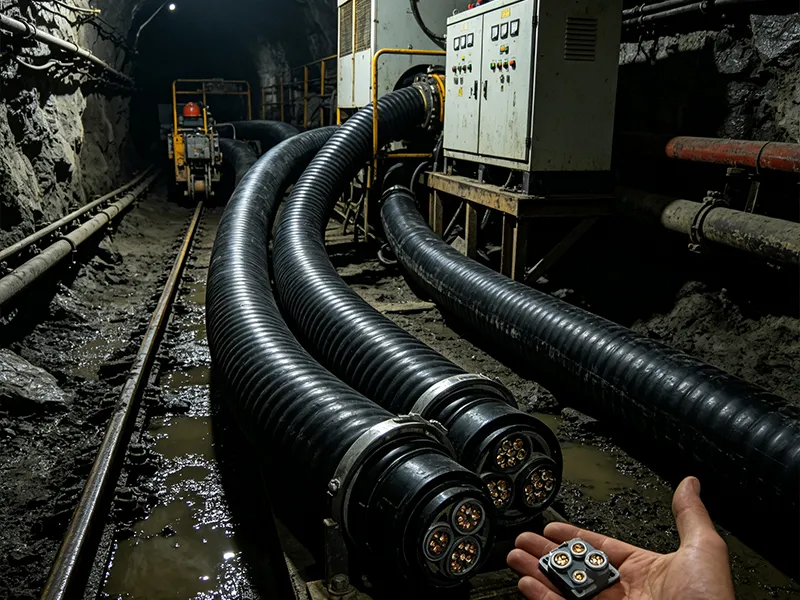
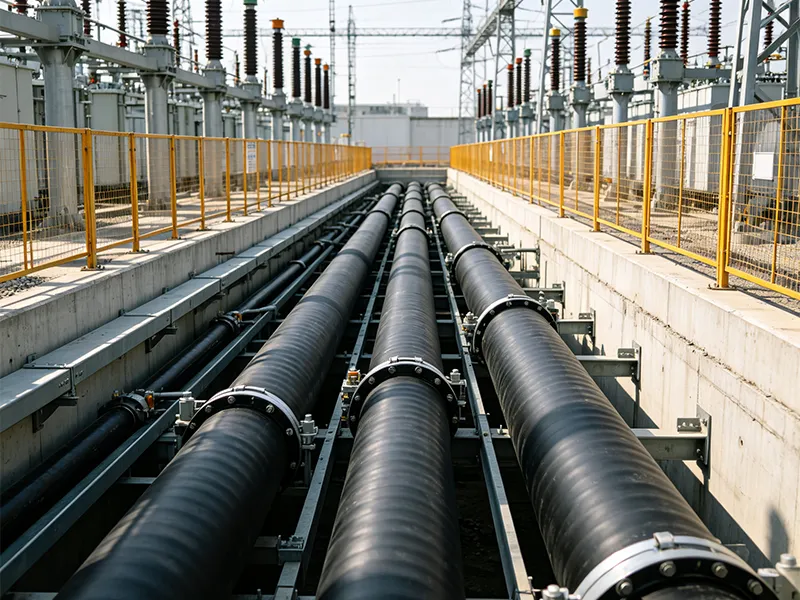
Copper XLPE Low Voltage Power Cable - installation
05

FAQ

Q1

What conductor sizes are available?

The listed specifications range from 1.5 mm² to 400 mm². Smaller sizes include solid and stranded conductor options, while larger sizes use multi-wire stranded constructions. The required size should be selected according to load current, voltage drop, installation method and applicable electrical requirements.

Q2

What is the difference between solid and stranded conductors?

Solid conductors use a single conductor wire, while stranded constructions consist of multiple wires. Solid conductors can be appropriate for fixed wiring where flexibility is not a major requirement. Stranded conductors provide easier handling where the cable needs to be routed around equipment or through more complicated installation paths.

Q3

What information is needed for a quotation?

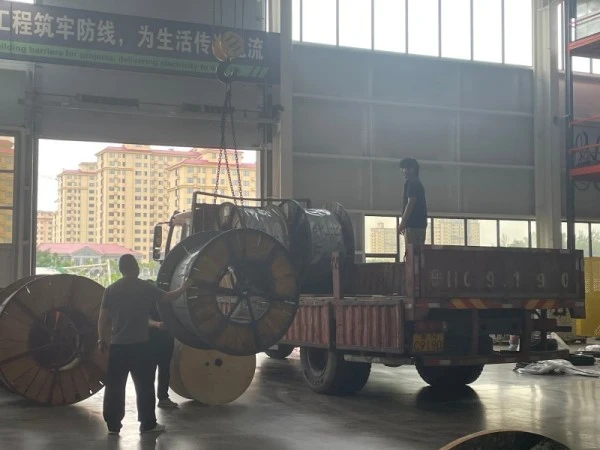
Provide the conductor cross-section, conductor construction, rated voltage, required cable length, quantity, installation method and delivery destination. For project orders, the applicable standard, inspection documents, marking requirements and packaging specifications should also be confirmed.

Q4

Can the cable length and marking be customized?

Custom cable lengths and identification marking can be discussed according to the production specification and order quantity. For custom orders, provide the required length, tolerance, marking content, packaging method and delivery schedule so these details can be reviewed before production.

Q5

What tests should be checked before shipment?

Depending on the applicable product standard and purchase specification, inspection can include conductor resistance, dimensional measurements, insulation-related checks and AC voltage withstand testing. If a project requires a specific factory test report or inspection format, this should be stated before production.

Q6

Can this cable be used for outdoor or underground installation?

It can be considered for outdoor or underground applications when the selected cable construction and sheath are appropriate for the installation environment. Soil conditions, moisture, sunlight, mechanical loading and installation temperature should be reviewed before specification confirmation.

Q7

Is it suitable for continuously moving equipment?

A standard low-voltage power-cable construction should not automatically be specified for continuous dragging, repeated bending or torsional movement. Equipment with these requirements normally calls for a flexible cable construction specifically rated for mobile service.

Q8

What should be confirmed before long-term repeat orders?

Confirm the product model, conductor cross-section, conductor construction, insulation dimensions, cable length, marking and applicable standard. For repeat projects, keeping these specifications consistent helps reduce differences between production batches and simplifies incoming inspection.

Request a Copper XLPE Low Voltage Power Cable Quotation

Provide the required conductor size, construction, cable length, quantity, installation method and destination. Qiancheng can review the technical requirements and confirm the available specification and documentation before production.

Hot Tags: Copper XLPE Low Voltage Power Cable Manufacturer, XLPE Insulated Power Cable Supplier, Low Voltage Copper Cable Wholesale
Send Inquiry
Contact Info

Looking for the right cable for a project or application? Send your requirements to Qiancheng Cable for product selection and quotation. You can provide the cable type, voltage rating, conductor material, cross-section, core number, insulation, application and required quantity.

Whether you need standard cables or specification-based production, our team can review your requirements and recommend suitable product options from our manufacturing range.

X
We use cookies to offer you a better browsing experience, analyze site traffic and personalize content. By using this site, you agree to our use of cookies. Privacy Policy
RejectAccept