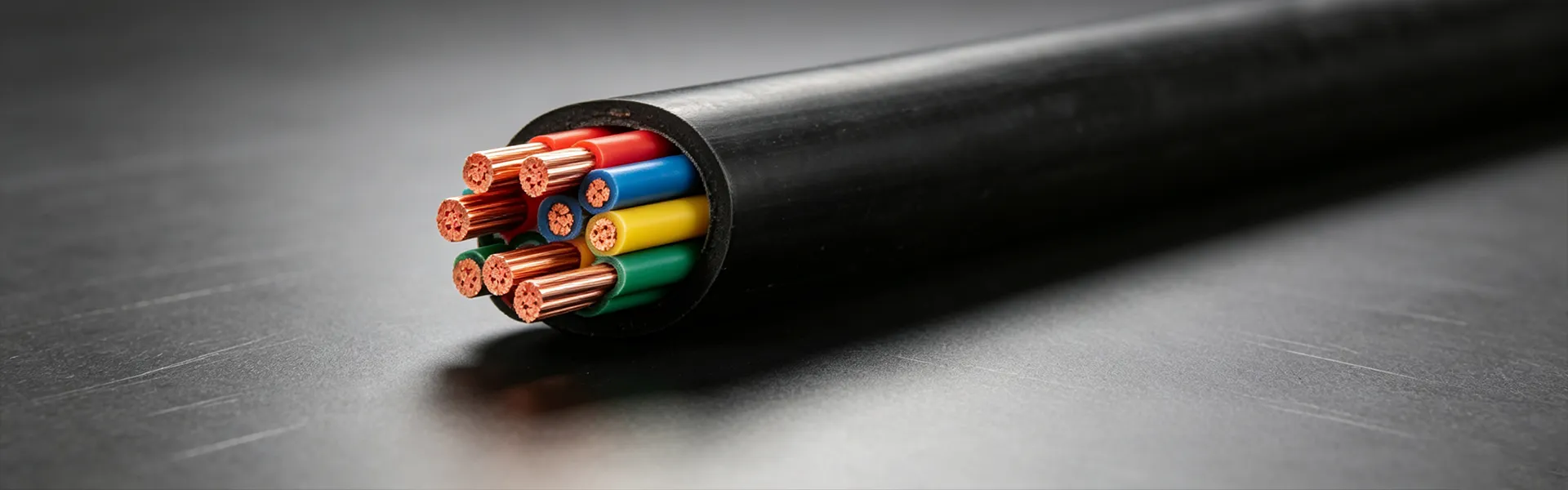
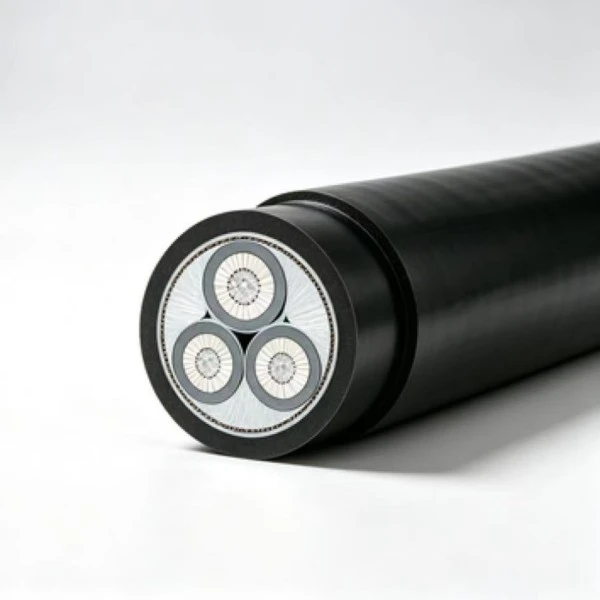
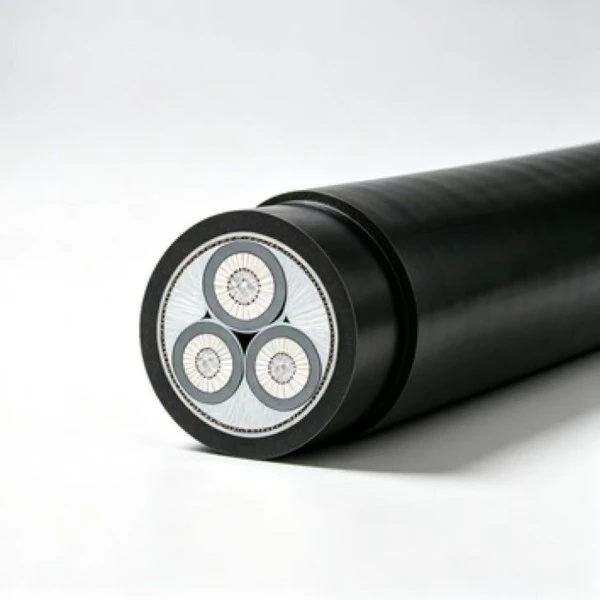
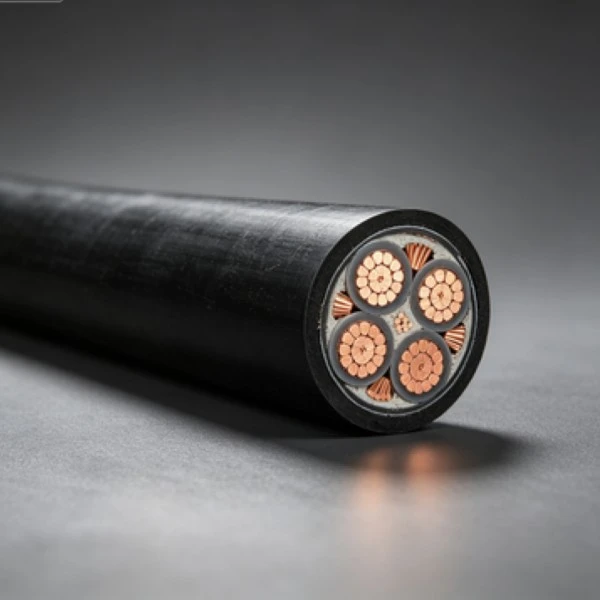
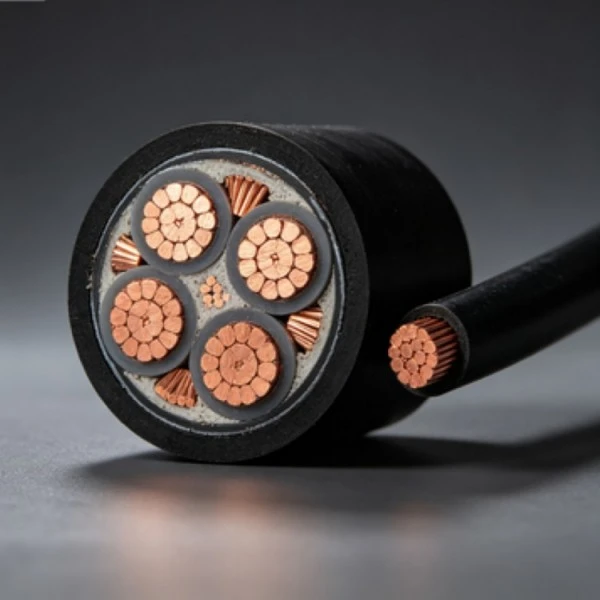
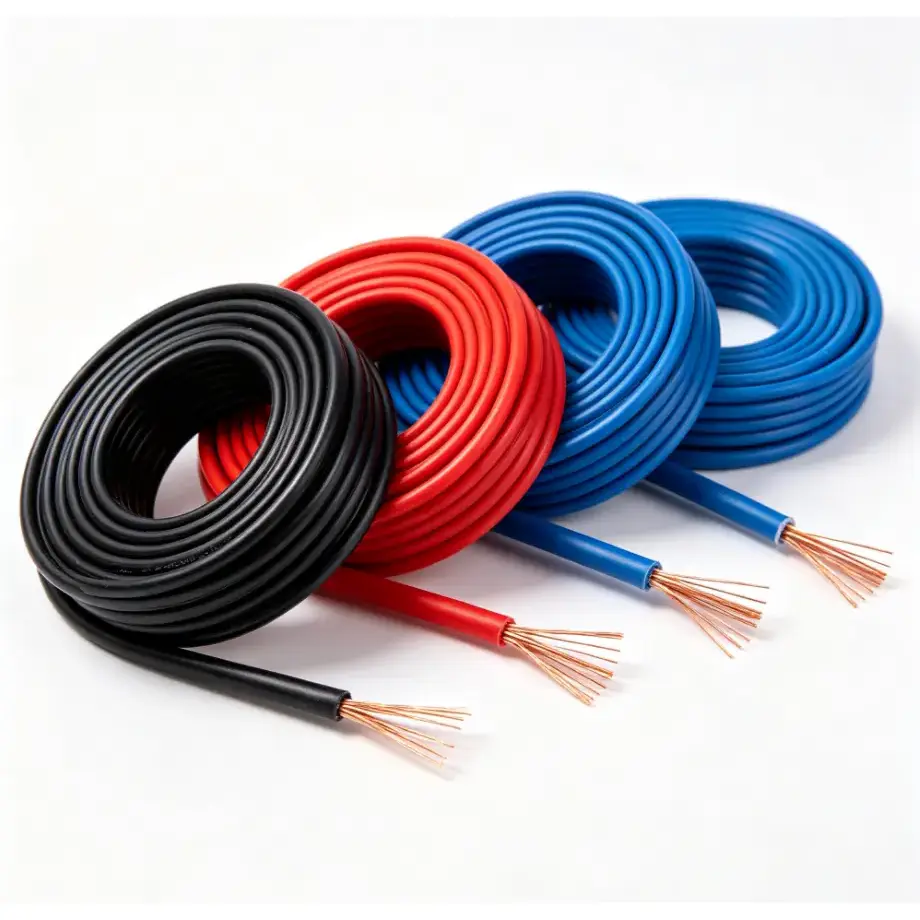
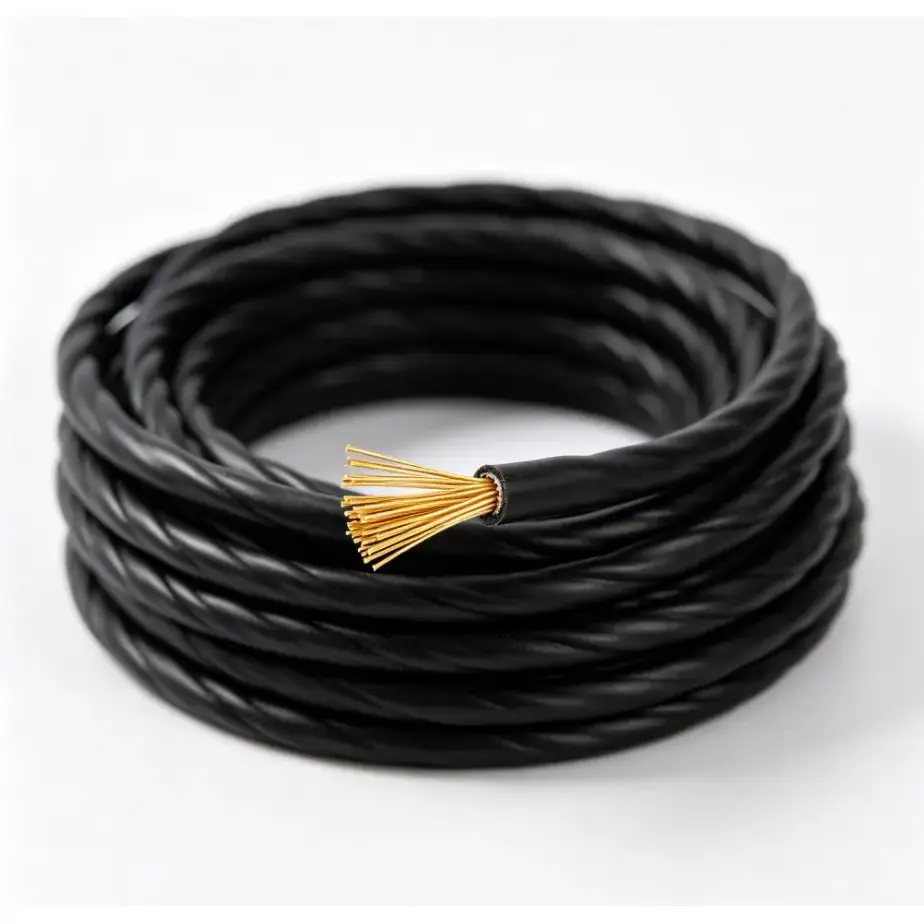
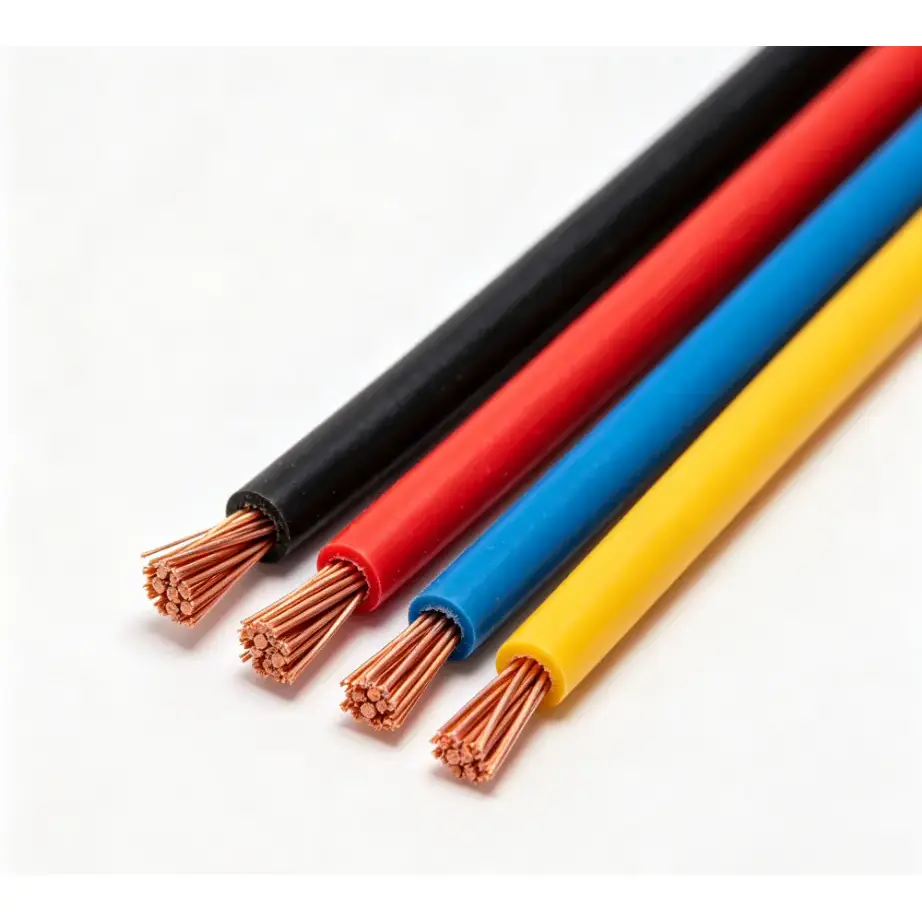
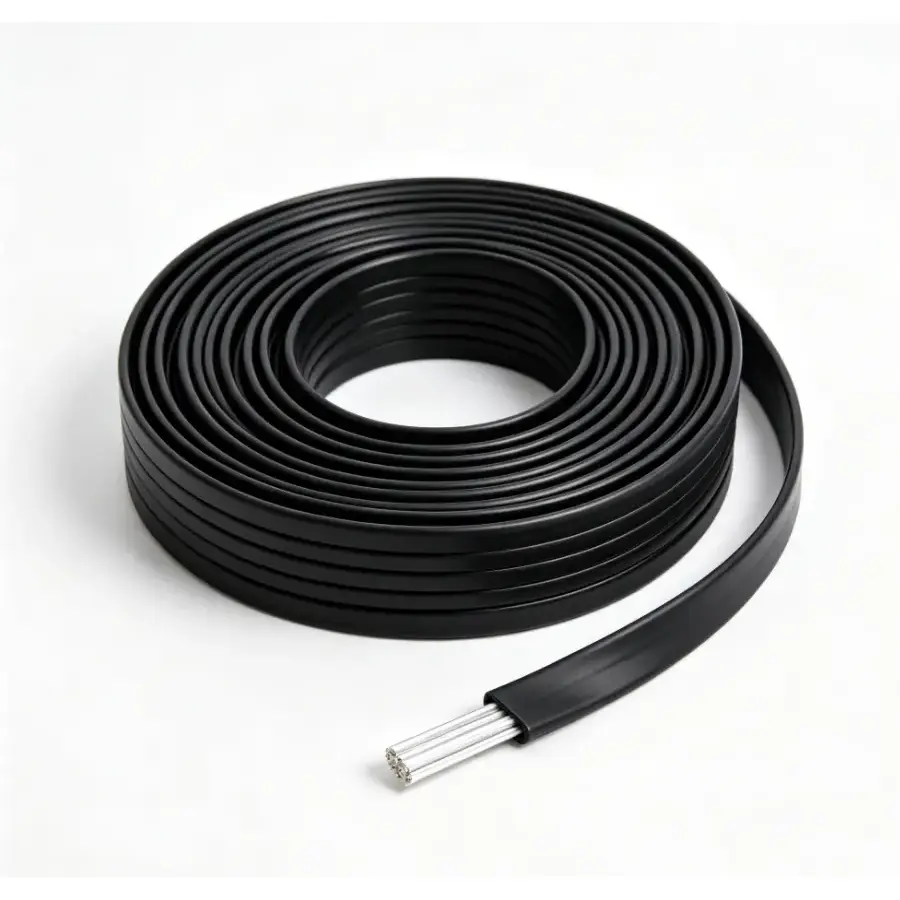
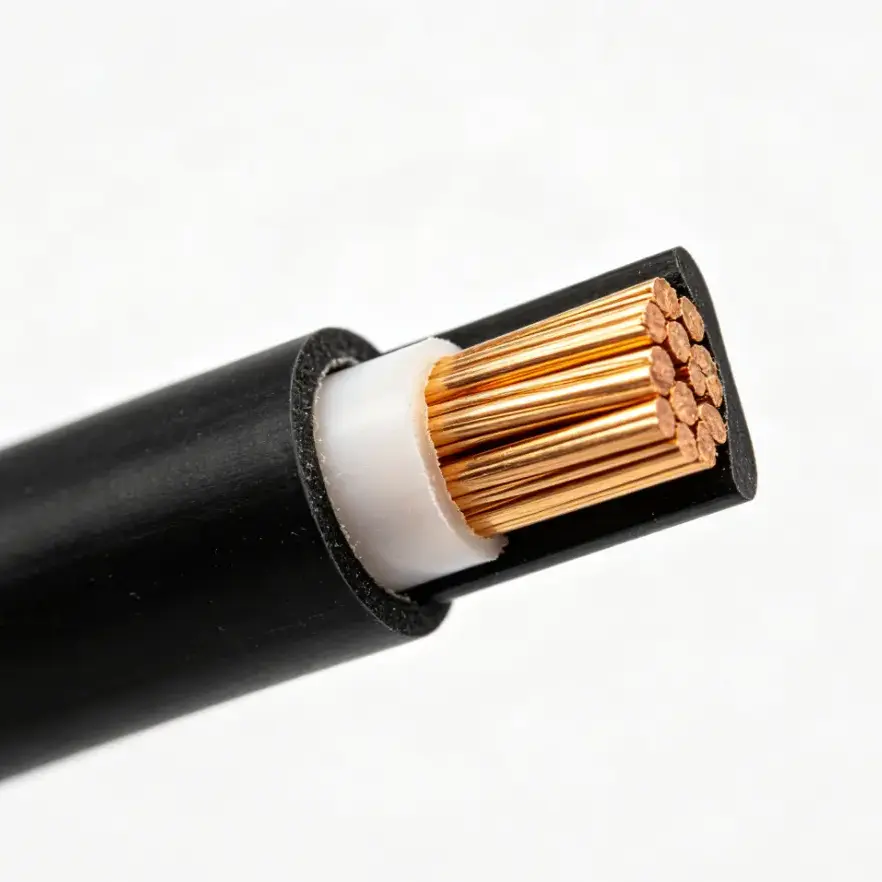
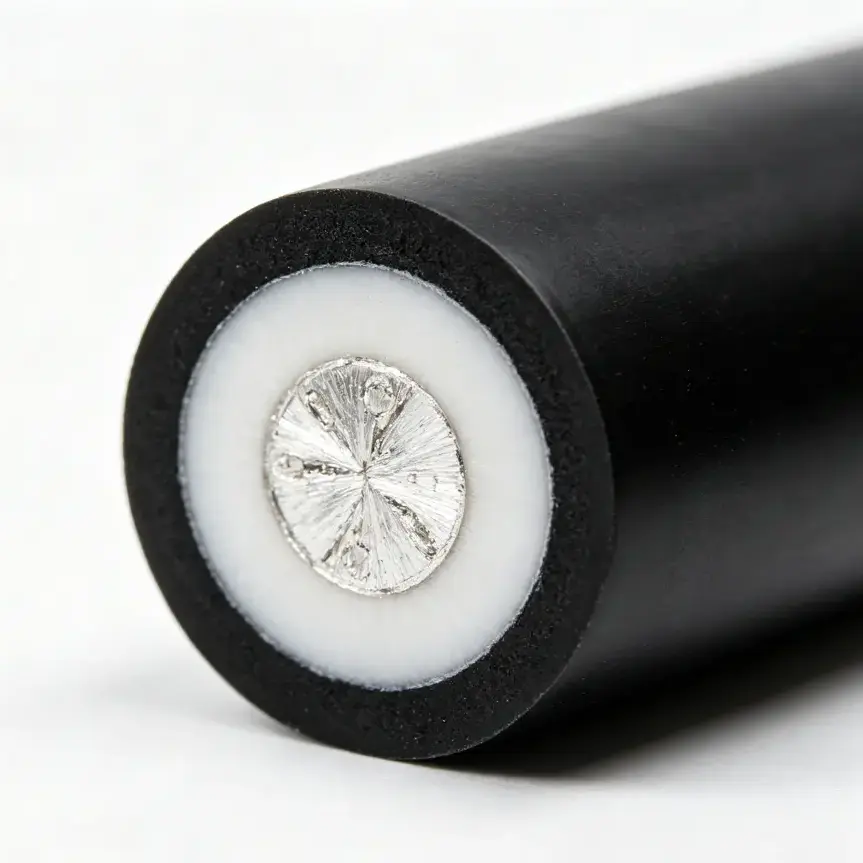
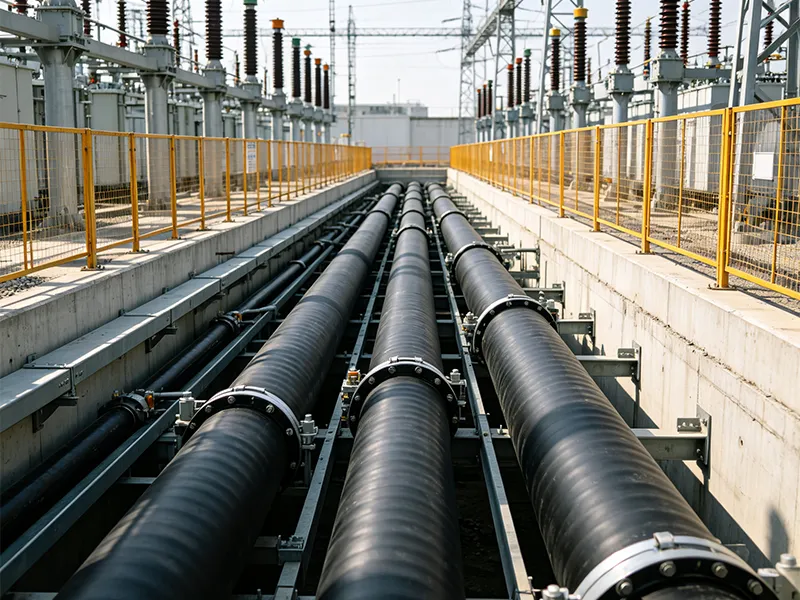
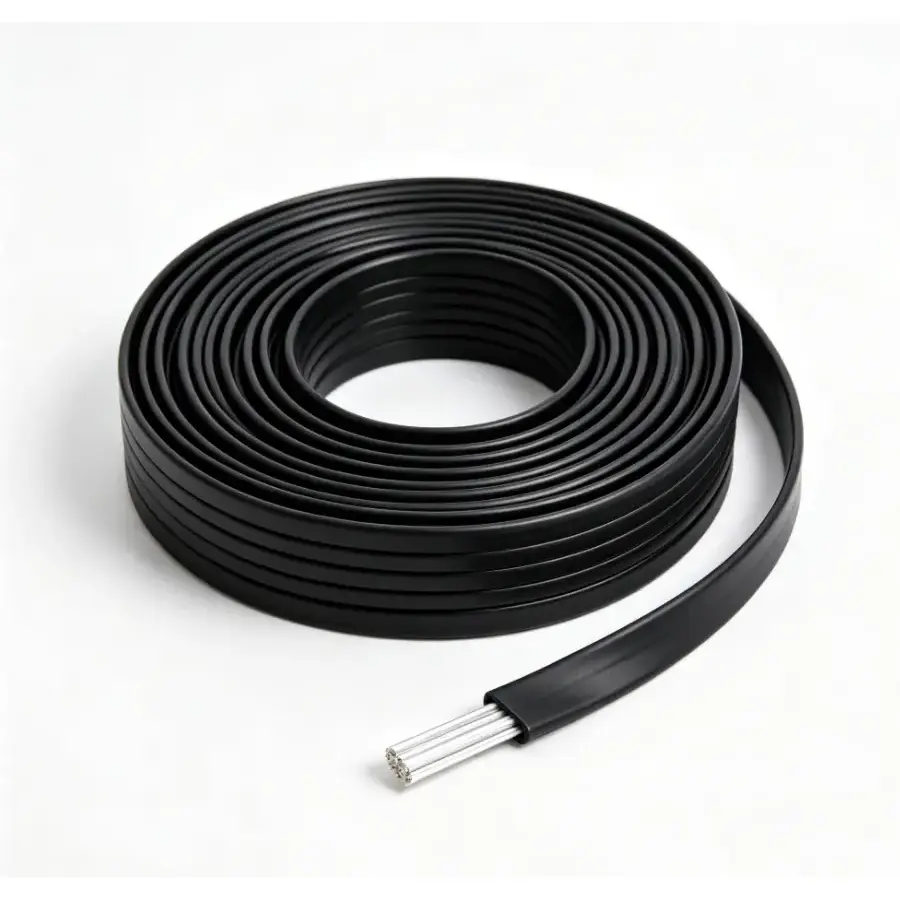
Plastic-Coated Copper-Aluminum Wires are used for building wiring, household power distribution and small equipment connections. As indoor wiring products, this range mainly includes PVC Insulated Cables and PVC Flexible Cord, with the conductor type, core configuration and voltage rating selected according to the installation requirements.
PVC Insulated Cables are rigid single-core wires with solid copper or aluminium conductors covered by a PVC insulation layer. Their fixed construction is suitable for concealed wall wiring, power distribution boxes and other permanent indoor installations where the cable is not normally subject to repeated movement.
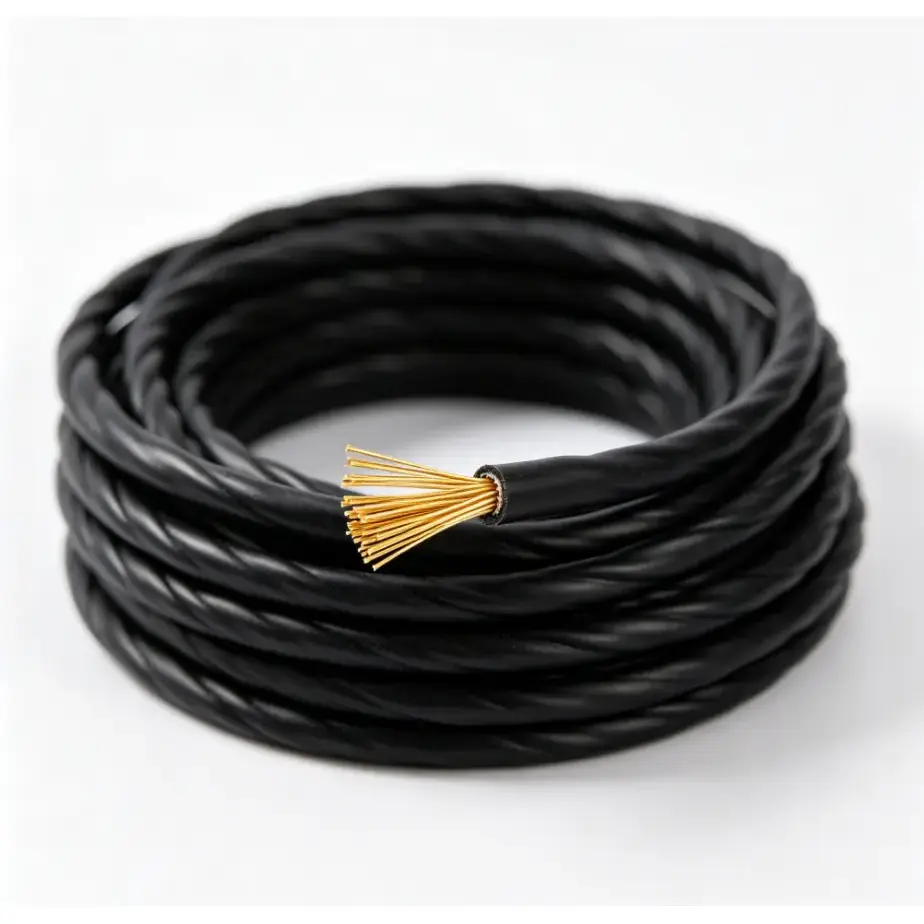
PVC Flexible Cord uses fine-stranded copper conductors to provide greater flexibility than solid-conductor wiring. The individual strands are twisted together and covered with PVC insulation, with an outer PVC sheath available for applicable configurations. This construction is suitable for movable appliances, temporary power connections and installations where repeated bending is expected.
Both types of Plastic-Coated Copper-Aluminum wires use PVC as the insulating material. Copper conductors provide higher electrical conductivity, while aluminium conductors can reduce conductor material costs in applications where aluminium is suitable. The products are commonly used in residential buildings, commercial premises and light-duty industrial circuits.
|
Product Name
|
Specifications Available
|
Voltage Ratings
|
Configurations
|
|
PVC Insulated Cables
|
1.5/2.5/4/6/10/16/25/35/50/70/95mm²
|
450/750V
|
Solid copper / solid aluminium conductor, single-core, non-sheathed, flame-retardant optional
|
|
PVC Flexible Cord
|
0.5/0.75/1.0/1.5/2.5/4/6mm²
|
300/500V, 450/750V
|
Multi-stranded copper conductor, 2-core / 3-core, with or without outer PVC sheath
|
Which Standards Apply to These Wires?
The applicable product standards depend on the cable construction. For the two configurations listed above, the relevant IEC standards include the following:
|
Product Name
|
Applicable Standards
|
|
PVC Insulated Cables
|
IEC 60227-1, IEC 60227-2
|
|
PVC Flexible Cord
|
IEC 60227-5
|
What Quality Tests Are Performed Before Shipment?
Quality control covers key electrical and dimensional characteristics during production. Before shipment, the products undergo conductor resistance checks, insulation thickness measurement and high-voltage withstand testing. These inspections help verify that the finished wires meet the specified electrical and construction requirements.
For applicable products, Qiancheng can provide CE certification and relevant test reports issued by qualified testing organizations. Documentation can be reviewed against the product specification, voltage rating and intended application when required for a project.
What Is the Expected Service Life?
Under normal operating conditions and correct installation, PVC-insulated wiring can provide long-term service. Products manufactured with virgin PVC compound may have an expected service life of approximately 20–25 years, depending on operating temperature, electrical load, installation method and surrounding environmental conditions.
The expected service life should not be treated as a fixed operating period for every installation. Actual performance depends on how the wire is selected, installed and used. Qiancheng provides a 15-year quality guarantee for normal use under the applicable product and installation conditions.
How to Select the Suitable Specification?
Specification selection should be based on the required conductor material, cross-sectional area, number of cores, rated voltage, installation method and expected movement. Solid-conductor PVC insulated wires are generally intended for fixed wiring, while flexible cords are more appropriate where regular movement or bending is part of the application. For project orders, the required specification can be checked against the applicable IEC standard and installation conditions before production.