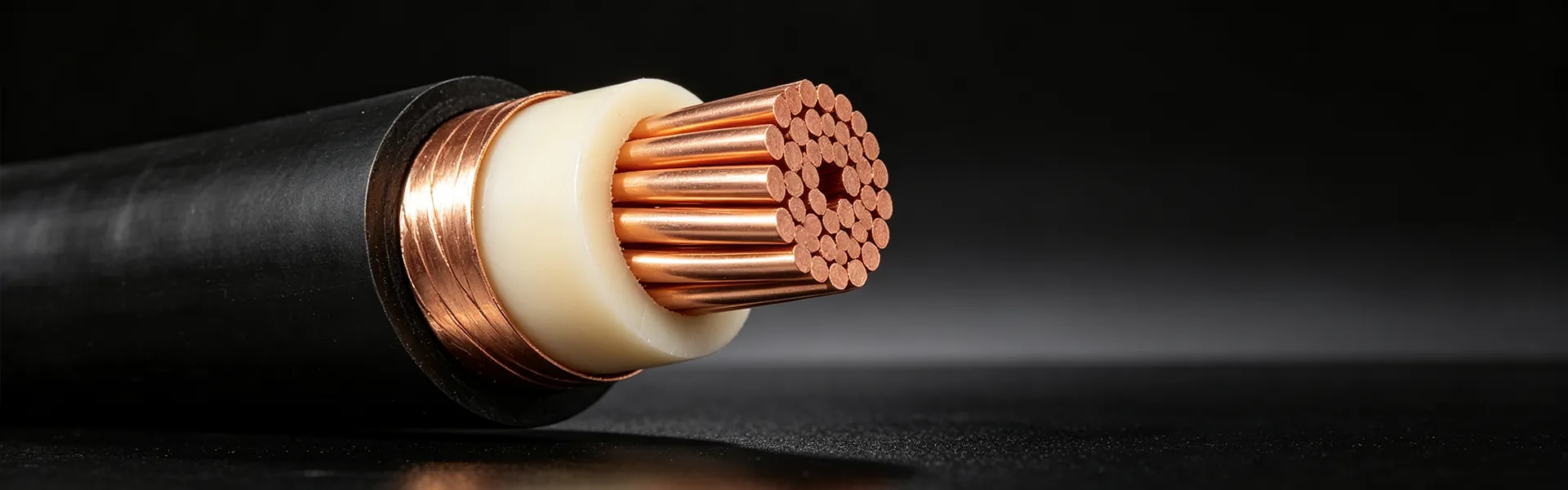
When flexible routing, stable conductivity, and dependable insulation matter, Qiancheng PVC Twisted Pair Flexible Cord provides a practical wiring solution for low-voltage circuits, lighting fixtures, household appliances, and small electromechanical equipment. Its multi-stranded oxygen-free copper conductors and PVC insulation are designed to support convenient installation in applications where ordinary rigid wires may be difficult to route.
PVC Twisted Pair Flexible Cord combines fine-stranded copper conductors with PVC insulation and a twisted construction to deliver flexibility for bending, routing, and confined wiring. The Qiancheng RVS-300/300 series is available in nominal cross-sections from 2×0.5 mm² to 2×6 mm², with a standard rated voltage of 300/300V and a temperature rating of 70℃. This article explains its construction, technical parameters, installation advantages, application scenarios, and selection considerations to help buyers identify a suitable flexible cord for low-voltage wiring projects.
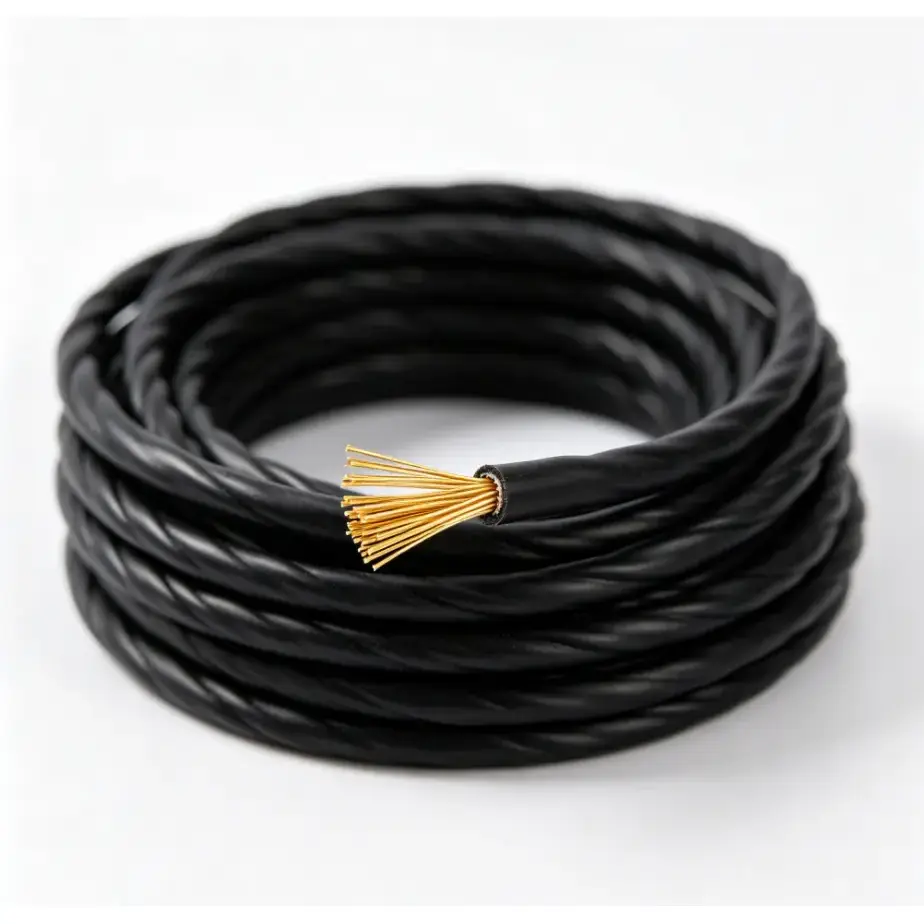
Table of Contents
- What Is PVC Twisted Pair Flexible Cord?
- How Does Its Construction Affect Performance?
- What Are the Main Technical Parameters?
- What Are the Key Advantages?
- Where Is It Commonly Used?
- How Should Buyers Select the Right Specification?
- What Should Be Considered During Installation?
- Frequently Asked Questions
- Conclusion
What Is PVC Twisted Pair Flexible Cord?
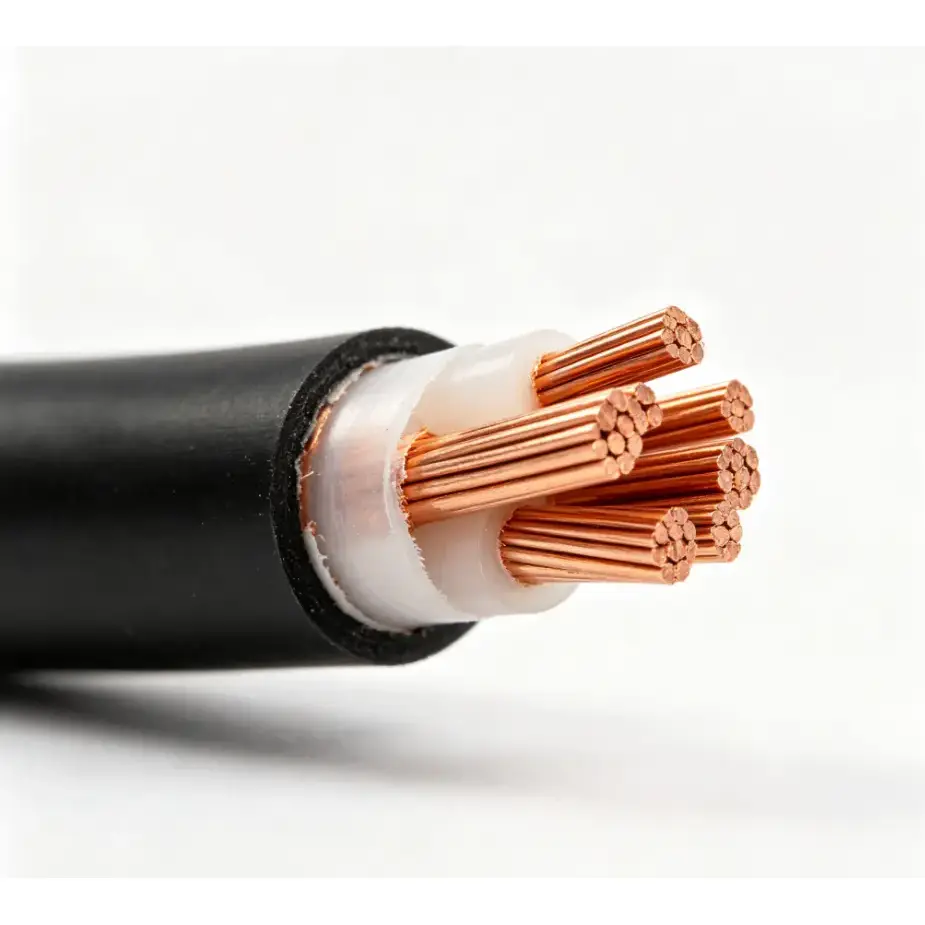
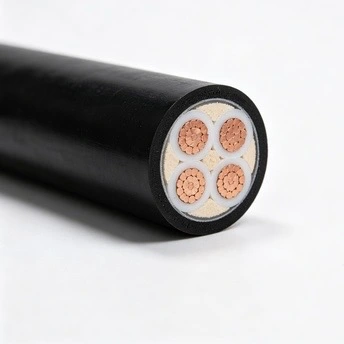
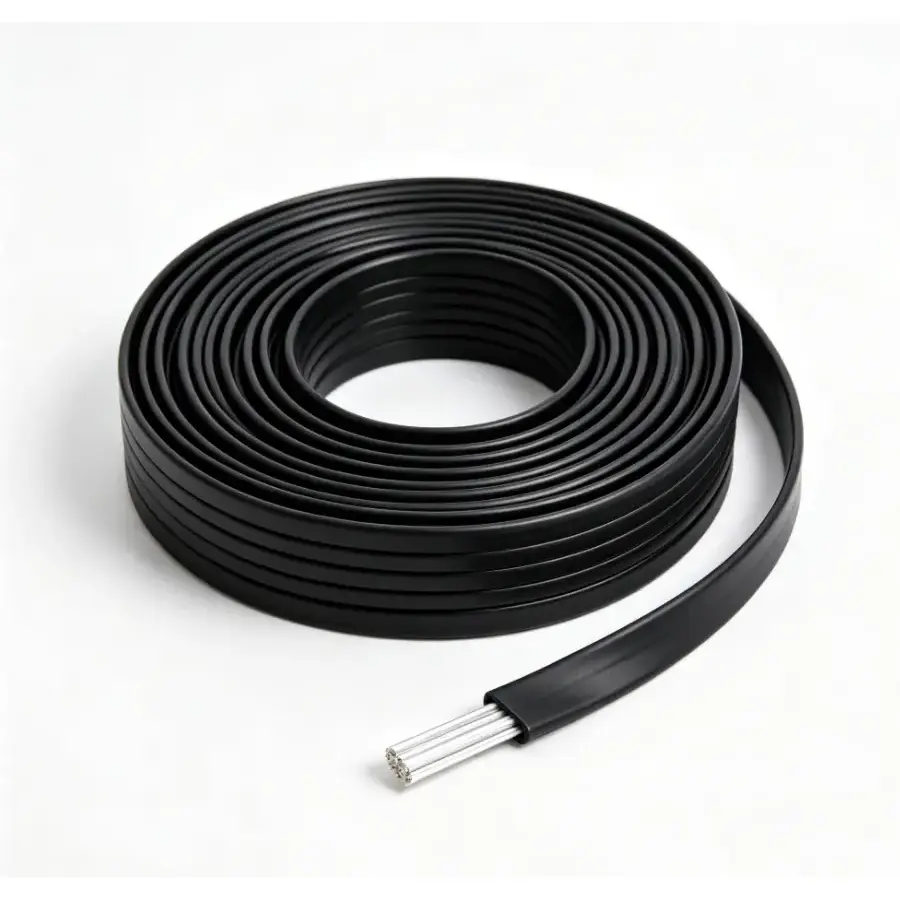
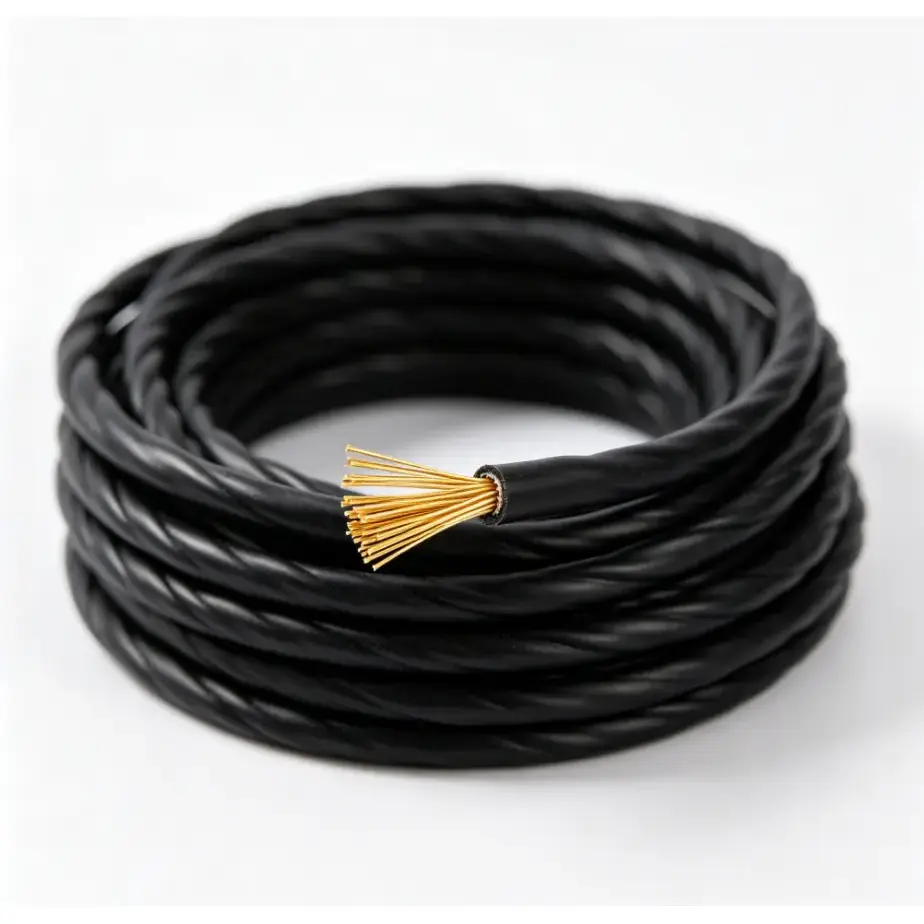
PVC Twisted Pair Flexible Cord is a low-voltage flexible wire constructed with two insulated conductors arranged in a twisted configuration. The Qiancheng product uses fine multi-stranded oxygen-free copper wires as conductors and PVC as the insulating material. The combination is intended to provide electrical conductivity together with the mechanical flexibility required for practical wiring work.
The product is identified as model RVS-300/300 and is designed for applications such as household renovation, lighting equipment, home appliances, and small electromechanical equipment. Compared with rigid solid-core wires, its fine-stranded construction makes it easier to bend around corners, pass through conduits, and route through relatively confined installation spaces.
For buyers evaluating a PVC flexible cord manufacturer, conductor material, insulation construction, cross-sectional area, voltage rating, and intended installation environment should all be considered together rather than selecting a cable based only on appearance or price.
How Does Its Construction Affect Performance?
The performance of a flexible cord depends heavily on how its conductor and insulation are designed. Qiancheng's PVC Twisted Pair Flexible Cord combines several structural elements that contribute to its intended low-voltage applications.
- Fine-stranded copper conductor: Multiple fine copper strands provide greater flexibility than a comparable solid conductor.
- Oxygen-free copper: The copper conductor is designed to provide consistent electrical conductivity and relatively low conductor resistance.
- Twisted-pair structure: The two conductors are arranged together, creating a compact form that is convenient for routing and connection.
- PVC insulation: The insulation provides electrical separation between conductors and helps protect the conductive cores under specified operating conditions.
- Flexible construction: The overall structure supports bending, twisting, and routing where installation space is limited.
This combination makes the cord particularly relevant when installation convenience is an important consideration. However, cable selection should always be based on the actual electrical load, environment, installation method, and applicable local requirements.
What Are the Main Technical Parameters?
Technical parameters help engineers, contractors, distributors, and purchasing teams determine whether a particular cable specification matches the intended circuit. The following specifications are based on the Qiancheng product information.
| Nominal Section | Max. Single-Wire Diameter | Insulation Thickness | Max. Diameter | Minimum Insulation Resistance at 70℃ |
|---|---|---|---|---|
| 2×0.5 mm² | 0.16 mm | 0.8 mm | 6.0 mm | 0.016 MΩ·km |
| 2×0.75 mm² | 0.16 mm | 0.8 mm | 6.2 mm | 0.014 MΩ·km |
| 2×1.0 mm² | 0.16 mm | 0.8 mm | 6.6 mm | 0.013 MΩ·km |
| 2×1.5 mm² | 0.16 mm | 0.8 mm | 7.2 mm | 0.012 MΩ·km |
| 2×2.5 mm² | 0.16 mm | 0.8 mm | 8.2 mm | 0.0095 MΩ·km |
| 2×4 mm² | 0.16 mm | 0.8 mm | 9.5 mm | 0.0079 MΩ·km |
| 2×6 mm² | 0.21 mm | 1.0 mm | 11.6 mm | 0.0081 MΩ·km |
The standard version is rated at 300/300V with a 70℃ temperature rating. Buyers should confirm the complete technical requirements before ordering, especially when a project involves unusual temperatures, continuous movement, outdoor exposure, or other demanding conditions.
What Are the Key Advantages?
Stable Electrical Conductivity
A high-quality copper conductor is fundamental to reliable electrical transmission. The fine-stranded oxygen-free copper construction used in this cord is intended to provide stable conductivity and low conductor resistance for suitable low-voltage applications.
Flexible Routing
Flexibility is one of the main practical advantages of a multi-stranded conductor. Installers can bend and route the cable through corners, conduits, equipment spaces, and other areas where rigid wires may be inconvenient to handle.
Reliable PVC Insulation
PVC insulation provides electrical separation and helps protect the conductor from normal mechanical wear and environmental influences encountered in suitable indoor applications. The insulation is also designed with flame-retardant characteristics according to the product information.
Convenient Installation
The combination of fine copper strands and compact twisted construction can simplify cable handling during installation. This is particularly useful for wiring projects involving numerous turns or restricted routing spaces.
Where Is It Commonly Used?
The application range of PVC Twisted Pair Flexible Cord is centered on low-voltage wiring where flexibility and straightforward installation are important. Typical applications include:
- Household electrical wiring
- Indoor lighting fixtures
- Home appliance connections
- Small electromechanical equipment
- Commercial low-voltage circuits
- Equipment connection wiring
- Conduit and confined-space wiring
- Electrical renovation projects
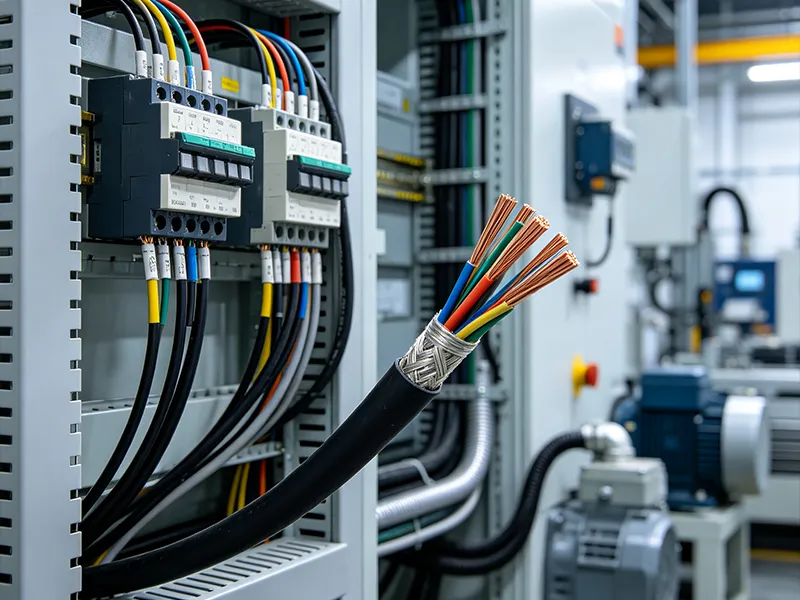
For example, an installer routing wiring through a narrow indoor conduit may benefit from the flexibility of a fine-stranded cable because the conductor can follow bends without the handling difficulty associated with a rigid wire. The exact suitability should still be verified against the equipment manufacturer's requirements and applicable electrical codes.
How Should Buyers Select the Right Specification?
Selecting a flexible cord involves more than identifying the correct nominal cross-section. A purchasing team should evaluate the complete operating environment and electrical requirements before placing an order.
- Determine the required conductor size. Match the cross-sectional area with the circuit's current demand, installation conditions, and applicable electrical requirements.
- Confirm the voltage rating. The standard product is rated at 300/300V, so buyers should verify that this rating matches the intended circuit.
- Evaluate temperature conditions. The standard version has a 70℃ temperature rating. Higher-temperature environments may require a different specification.
- Check the installation environment. Standard PVC insulation is intended for suitable indoor conditions and is not recommended for prolonged direct sunlight exposure.
- Consider mechanical movement. The flexible structure supports routine bending and twisting, but applications involving frequent continuous movement should be evaluated separately.
- Confirm documentation requirements. Export projects may require particular compliance documents, testing reports, or destination-market requirements.
What Should Be Considered During Installation?
Proper installation is essential for maintaining cable performance. Even a well-manufactured flexible cord should not be treated as universally suitable for every environment.
During installation, avoid excessive pulling force, sharp bends, crushing, or mechanical damage to the insulation. The cable should also be selected according to the expected electrical load rather than simply choosing the largest or smallest available specification.
For indoor projects, it is important to keep the cable within its specified operating conditions. Standard PVC insulation is suitable for normal indoor moisture exposure but should not be assumed to provide long-term resistance to direct outdoor sunlight or severe environmental conditions. Where special environmental resistance is required, buyers should discuss alternative insulation or construction options with the Qiancheng cable supplier.
Frequently Asked Questions
1. What is the rated voltage of PVC Twisted Pair Flexible Cord?
The standard Qiancheng RVS-300/300 version has a rated voltage of 300/300V. Buyers should verify the voltage requirements of the actual circuit before selection and installation.
2. What temperature can the standard PVC cord withstand?
The standard product has a temperature rating of 70℃. If the application involves temperatures above this level or unusual thermal conditions, a suitable alternative specification should be evaluated.
3. Is this flexible cord suitable for outdoor applications?
The standard version is intended primarily for suitable indoor applications. Prolonged direct exposure to outdoor sunlight is not recommended. Buyers with outdoor requirements should discuss an aging-resistant insulation option with the manufacturer.
4. What conductor sizes are available?
The listed specifications range from 2×0.5 mm² to 2×6 mm², including 2×0.75, 2×1.0, 2×1.5, 2×2.5, and 2×4 mm². Availability and customization should be confirmed according to the specific order.
5. Can the insulation color and finished length be customized?
Yes. Qiancheng can arrange commonly required insulation colors and conductor sizes according to order specifications. Finished roll lengths can also be discussed based on quantity, packaging, and application requirements.
6. Is PVC Twisted Pair Flexible Cord suitable for moving connections?
Its fine-stranded copper conductor and twisted construction provide good flexibility for routine bending and twisting during installation and use. Applications involving frequent or continuous movement should be assessed according to movement frequency and operating conditions.
Conclusion
PVC Twisted Pair Flexible Cord offers a practical combination of copper conductivity, PVC insulation, compact twisted construction, and installation flexibility for suitable low-voltage applications. With specifications ranging from 2×0.5 mm² to 2×6 mm², Qiancheng provides options for household wiring, lighting, appliance connections, and small equipment applications. For buyers comparing a PVC twisted pair flexible cord manufacturer or supplier, reviewing conductor construction, cross-section, voltage rating, temperature rating, insulation requirements, and application conditions can make product selection more precise. If you are planning a wiring project and need help confirming specifications, application suitability, or customized requirements, please contact us to discuss your cable requirements and receive a suitable product recommendation and quotation.