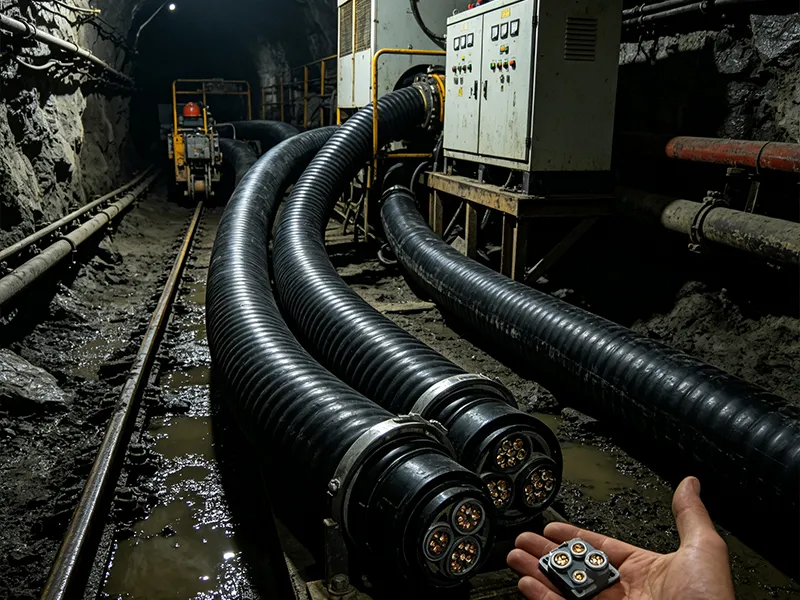
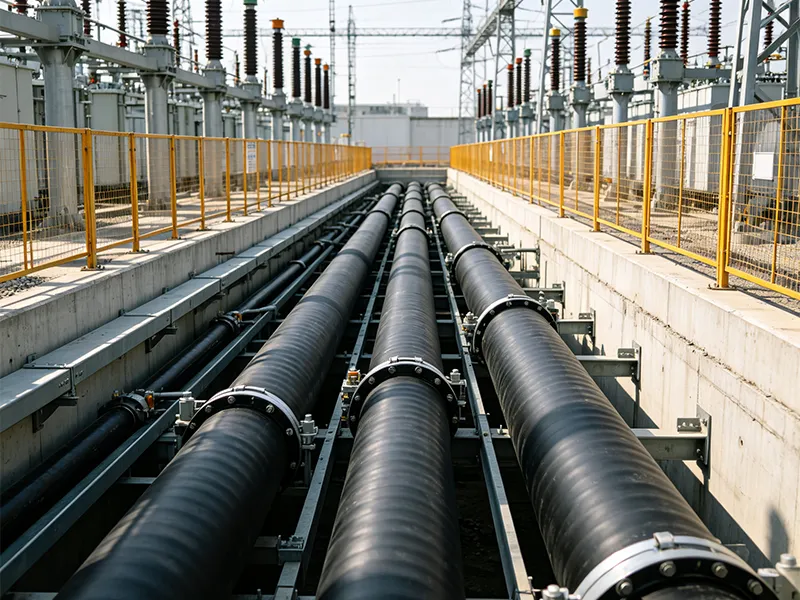
Mining equipment does not remain in one fixed position during operation. Coal shearers, conveyors and other underground machines can pull, bend, reposition or repeatedly move the connected cable. This working pattern requires a cable construction that can accommodate movement rather than a conventional fixed-installation design.
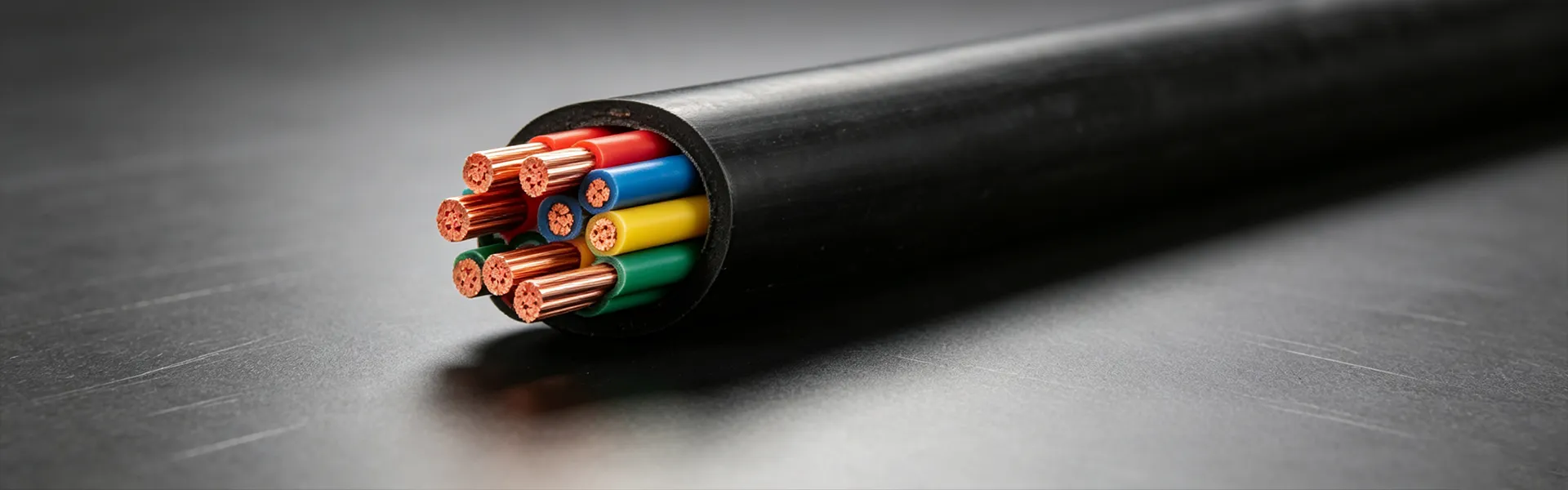
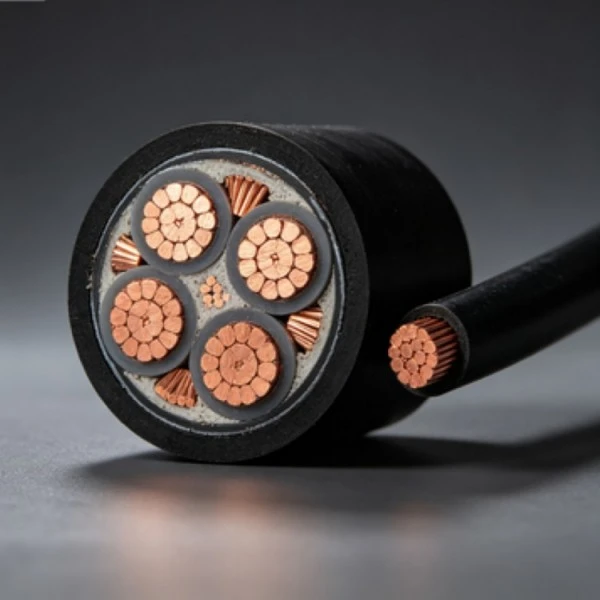
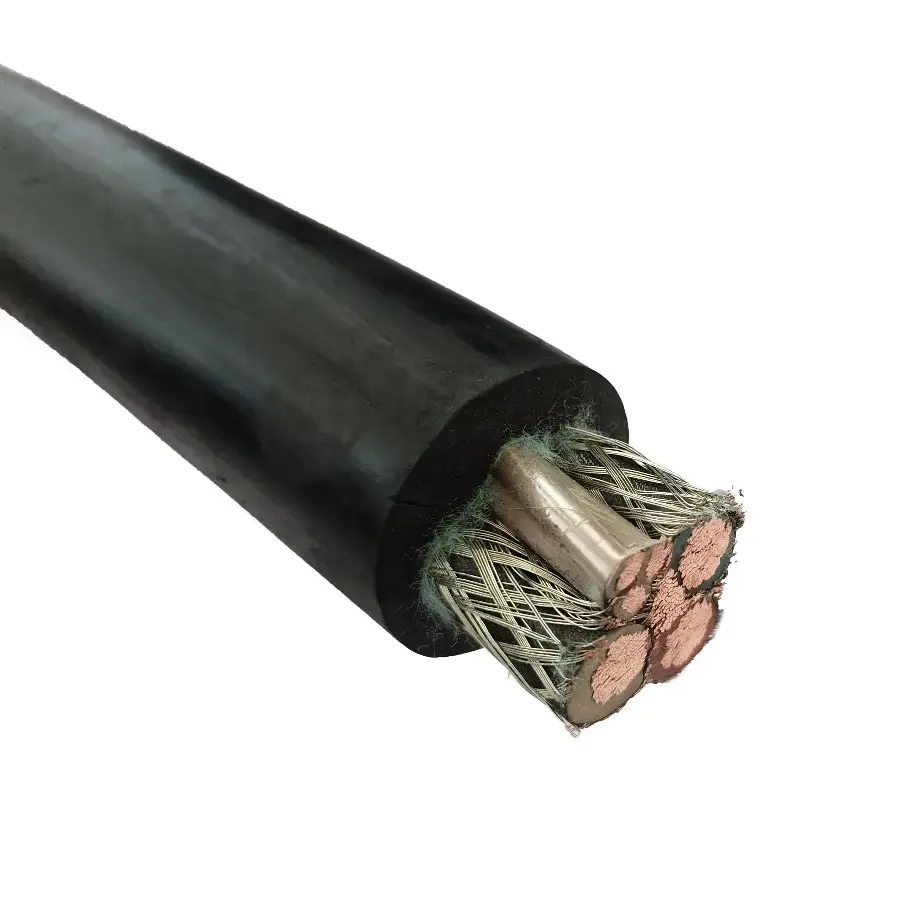
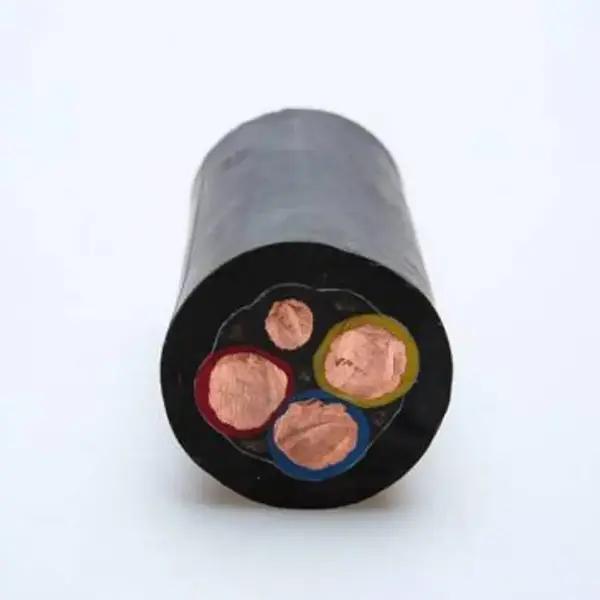
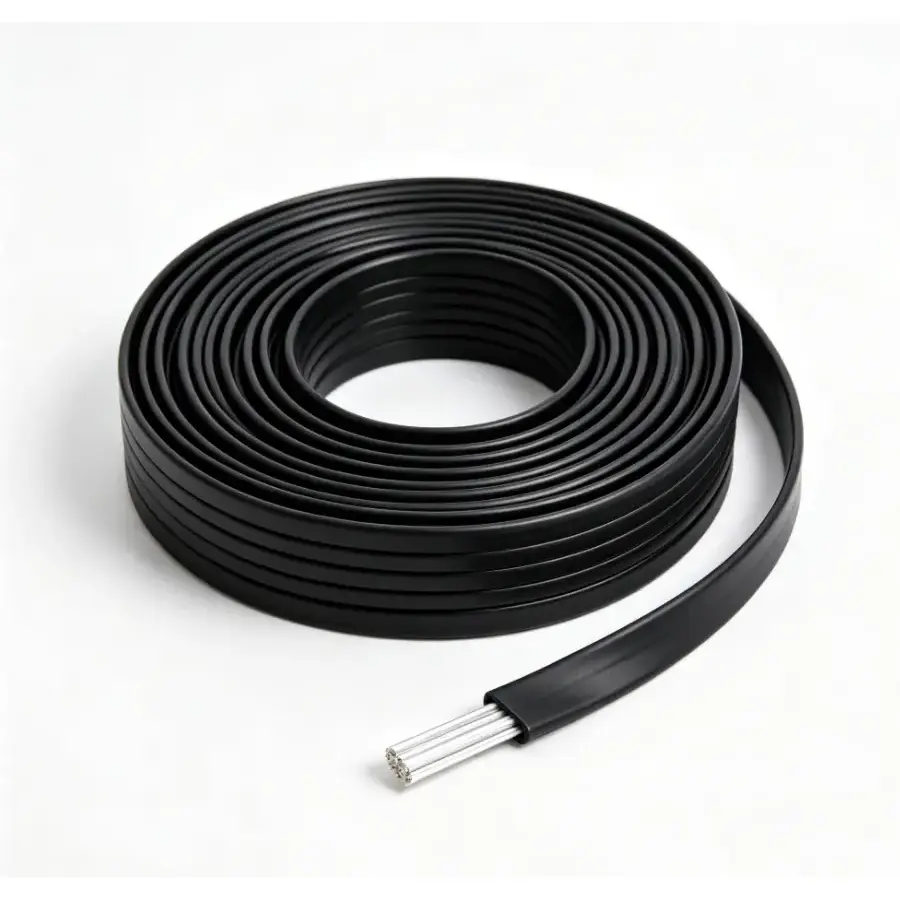
Qiancheng's Coal Mine Flexible Trailing Cables is developed for this type of underground power connection. It uses tinned annealed high-purity copper with a multi-stranded fine-wire structure, special rubber insulation and a reinforced rubber sheath. The available specifications cover 4 mm² to 120 mm², allowing the conductor size to be selected according to equipment load and the actual installation conditions.
Why a Trailing Cable Has a Different Construction
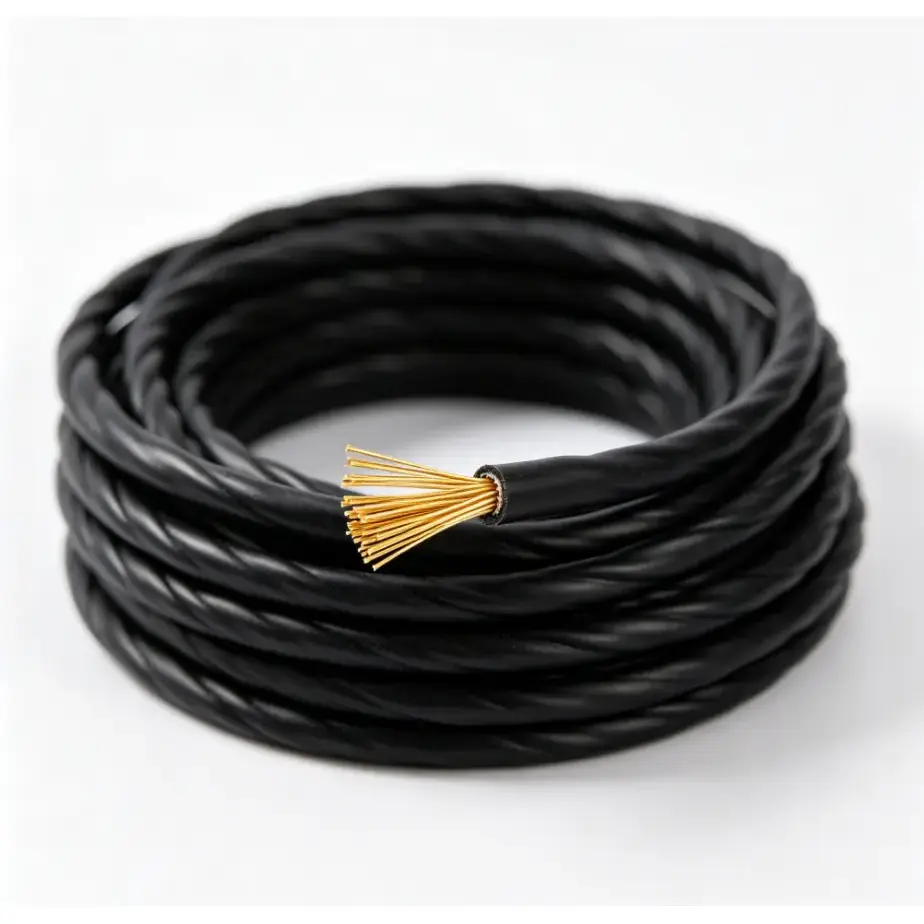
A fixed power cable is mainly installed and left in position, while a trailing cable works together with moving machinery. Repeated bending and movement place greater mechanical demands on the conductor, insulation and sheath. For this reason, the conductor construction is based on numerous fine copper wires rather than a single solid conductor.
The listed specifications contain from 42 to 960 minimum conductor wires. As the conductor cross-section increases, the number of fine wires and conductor diameter are adjusted accordingly. This structure allows the cable to be handled and routed in applications where movement is part of normal equipment operation.
|
Conductor Size
|
Minimum Wires
|
Conductor Diameter
|
Rubber Insulation
|
Insulation Diameter
|
Max. Resistance at 20℃
|
|
4 mm²
|
42
|
2.60±0.02 mm
|
1.4 mm
|
5.4 mm
|
4.61 Ω/km
|
|
6 mm²
|
42
|
3.20±0.03 mm
|
1.4 mm
|
6 mm
|
3.08 Ω/km
|
|
10 mm²
|
78
|
4.10±0.05 mm
|
1.6 mm
|
7.3 mm
|
1.83 Ω/km
|
|
16 mm²
|
126
|
5.20±0.05 mm
|
1.6 mm
|
8.4 mm
|
1.15 Ω/km
|
|
25 mm²
|
196
|
6.50±0.08 mm
|
1.8 mm
|
10.1 mm
|
0.727 Ω/km
|
|
35 mm²
|
276
|
7.60±0.08 mm
|
1.8 mm
|
11.2 mm
|
0.524 Ω/km
|
|
50 mm²
|
396
|
9.00±0.10 mm
|
2 mm
|
13 mm
|
0.387 Ω/km
|
|
70 mm²
|
560
|
10.70±0.10 mm
|
2 mm
|
14.7 mm
|
0.268 Ω/km
|
|
95 mm²
|
756
|
12.40±0.12 mm
|
2.2 mm
|
16.8 mm
|
0.193 Ω/km
|
|
120 mm²
|
960
|
14.00±0.12 mm
|
2.4 mm
|
18.8 mm
|
|
The conductor resistance values above are the maximum values at 20℃ for the corresponding copper conductor sizes. The resistance requirement should be considered together with cable length, equipment load and installation conditions when selecting the conductor cross-section.
Three Main Layers of the Cable
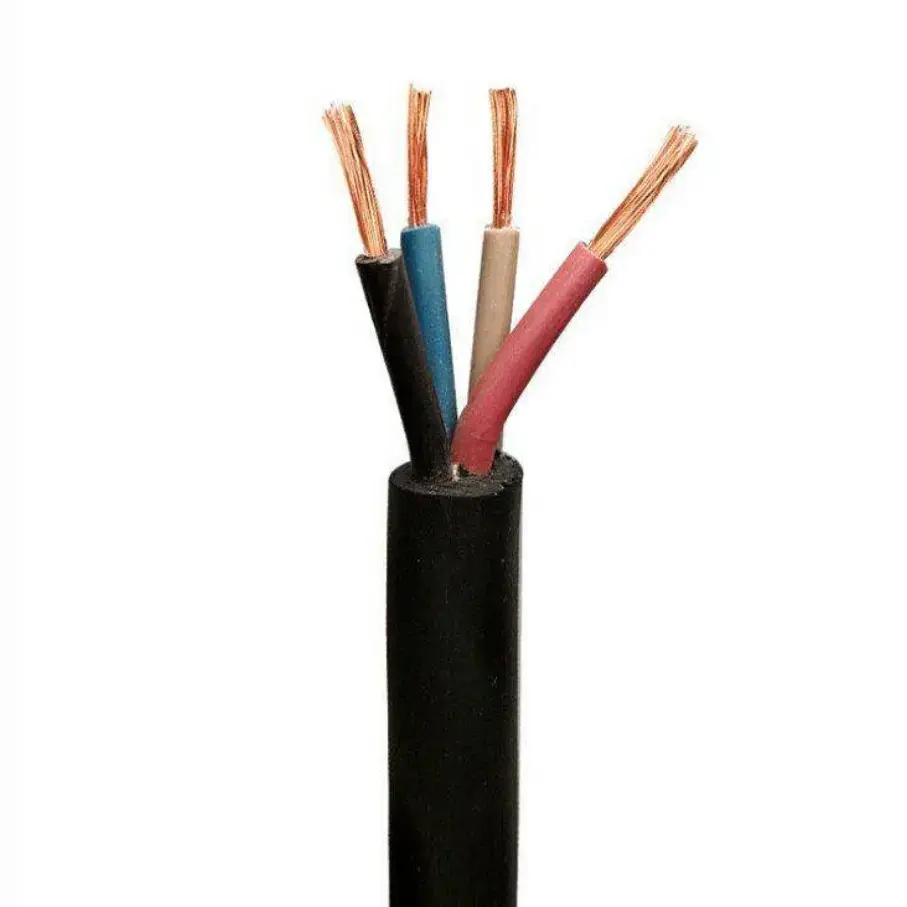
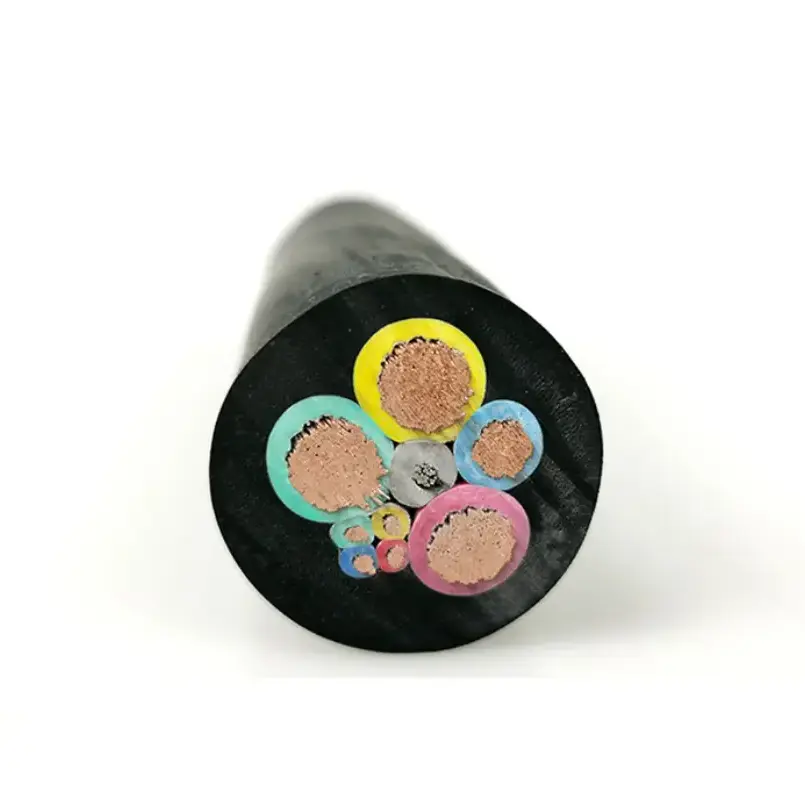
The cable construction can be understood through three functional layers: the copper conductor carries the electrical load, the rubber insulation separates the conductor electrically, and the outer rubber sheath protects the completed cable from the surrounding working environment.
|
Cable Part
|
Material / Construction
|
Role in the Cable
|
|
Conductor
|
Tinned annealed high-purity copper
|
Flexible current-carrying path
|
|
Conductor Structure
|
Multi-stranded fine wire flexible stranded
|
Accommodates bending and movement
|
|
Insulation
|
Special rubber compound
|
Electrical separation between conductor and surrounding layers
|
|
Sheath
|
Heavy-duty rubber sheath for mining
|
Protection against mechanical and environmental exposure
|
The insulation thickness is designed according to the individual specification, while the sheath thickness is reinforced for underground wear resistance. The finished cable diameter depends on the selected core configuration. Standard core color identification is available for installation and maintenance.
Electrical Characteristics
The electrical specification is determined by the equipment and mining system rather than by the cable name alone. Rated voltage can be customized according to coal mine working requirements, while the applicable current-carrying capacity is matched with the conductor cross-sectional area.
|
Rated Voltage
|
Customized according to coal mine working requirements
|
|
Rated Current / Ampacity
|
Matched with corresponding conductor cross-sectional area
|
|
Conductor Resistance
|
Strictly limited maximum value at 20℃ (Copper), inspected per batch
|
|
Insulation Resistance
|
High insulation resistance from special rubber insulation
|
|
Voltage Withstand
|
Each cable undergoes full voltage withstand test before delivery
|
|
Operating Frequency
|
50/60Hz
|
Performance Requirements for Moving Mine Cables
For a mobile underground application, electrical performance is only one part of cable selection. The conductor, insulation and sheath must also be considered according to how the equipment moves and how the cable is exposed during operation.
-
Maximum Conductor Operating Temperature: 90℃
-
Short-Circuit Temperature: 250℃
-
Flame Retardancy: Flame retardant grade compliant with coal mine safety standards
-
Fire Resistance: Optional fire-resistant version upon request
-
Mechanical Performance: Excellent flexibility, tear resistance, abrasion resistance for continuous movement
The rubber sheath is specified for resistance to tearing and abrasion and provides protection against oil, water and mine corrosive media under the applicable operating conditions. Where the project requires flame-retardant or fire-resistant performance, the required version should be confirmed before production together with the relevant testing and certification requirements.
Where This Cable Is Used
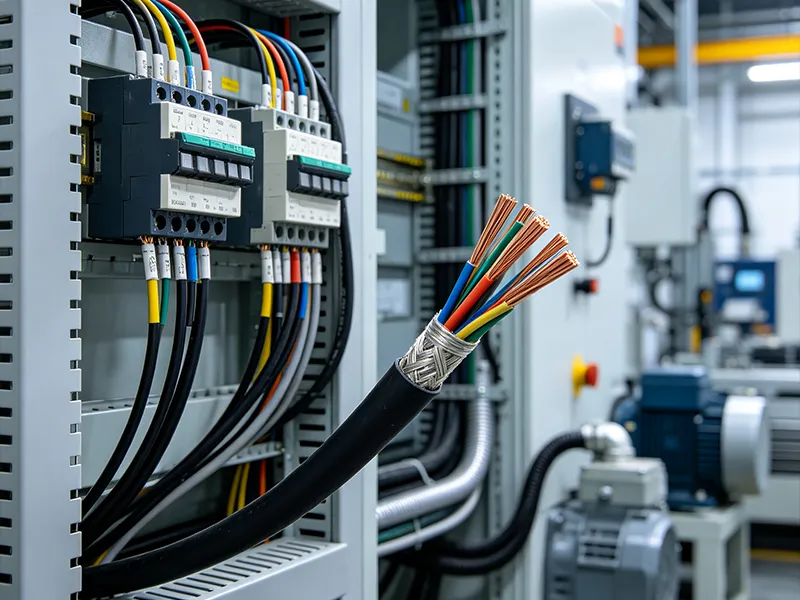
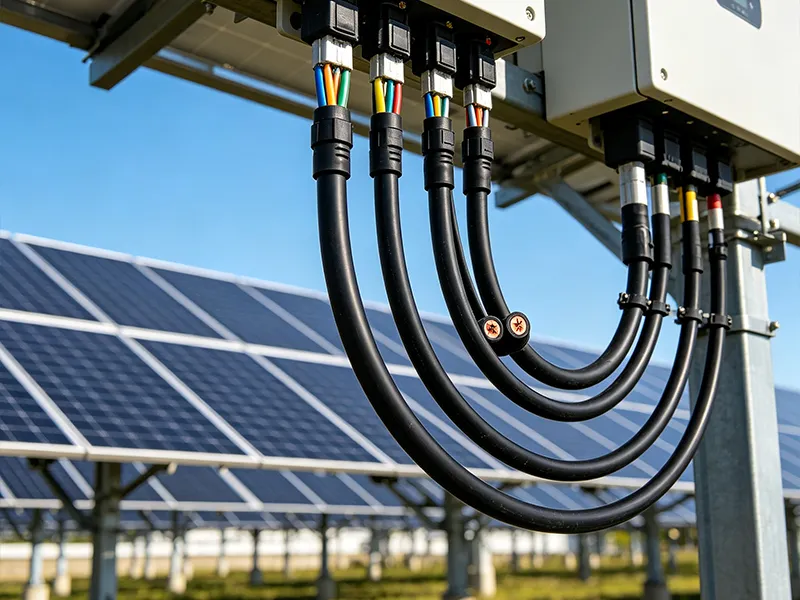
The product is intended for mobile underground mining equipment that requires a flexible power connection. Typical equipment includes coal shearers, conveyors and other movable mining machines.
The actual cable specification should be based on the movement of the connected equipment. A cable that is suitable for a relatively short moving connection may not be appropriate for a longer route with greater bending, dragging or abrasion exposure. Equipment movement, routing method, operating load and environmental exposure should therefore be reviewed before the conductor size and cable construction are confirmed.
What Qiancheng Checks During Production
Qiancheng controls the manufacturing process from raw copper material drawing through fine-wire stranding, rubber insulation extrusion and sheath molding to finished cable testing. This sequence allows the conductor structure and finished dimensions to be checked at different production stages rather than relying only on final visual inspection.
Conductor resistance and finished cable dimensions are inspected according to the applicable specification, and each cable undergoes the required voltage withstand test before delivery. Qiancheng can provide test certificates and technical parameter reports for the supplied specification.
Raw copper material and wire-drawing production photos are available for manufacturing reference. Product demonstration videos can also be provided through the company's YouTube channel. These materials supplement the technical parameter table and factory inspection records when reviewing the product.
Information Needed Before Specification Confirmation
For a mining equipment project, the following information is useful when confirming the cable:
|
Project Information
|
Why It Matters
|
|
Mining equipment type
|
Determines the movement and power connection conditions
|
|
Required voltage
|
Used to determine the applicable cable construction
|
|
Equipment load
|
Helps determine the required conductor cross-section
|
|
Cable length
|
Relevant to resistance, voltage drop and installation arrangement
|
|
Movement pattern
|
Helps evaluate bending, dragging and repositioning requirements
|
|
Number of cores
|
Determines the finished cable configuration
|
|
Mine environment
|
Relevant to sheath, flame-retardant and other protection requirements
|
|
Required documentation
|
Determines applicable test reports and certificates
|
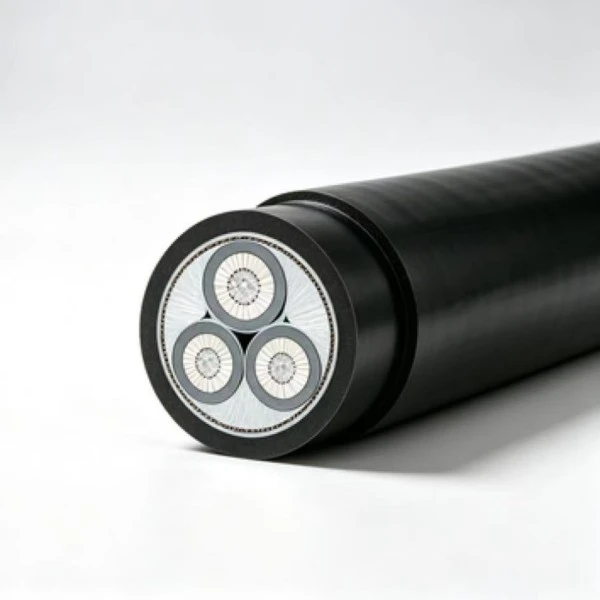
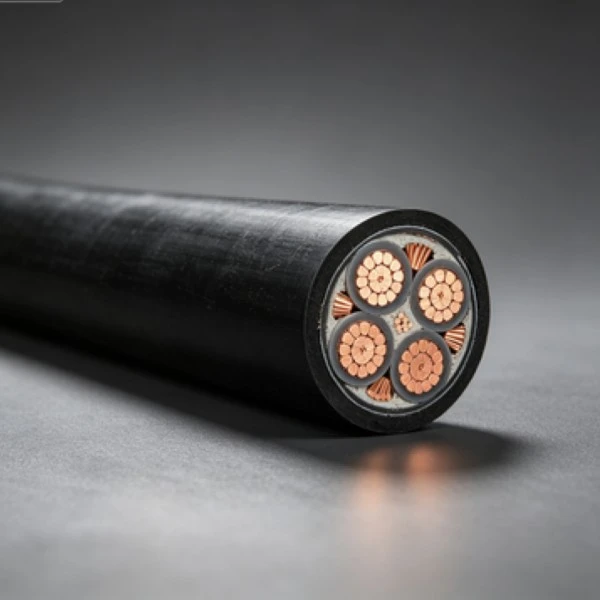
Providing the equipment model or application, required voltage, load, cable length and working conditions allows Qiancheng to review the specification before production. Where the requirement is for fixed underground power transmission rather than a moving equipment connection, see the XLPE Insulated Mining Power Cable. For equipment control and signal circuits, the Control Cables range is also available.