What are PVC Flexible Cords?
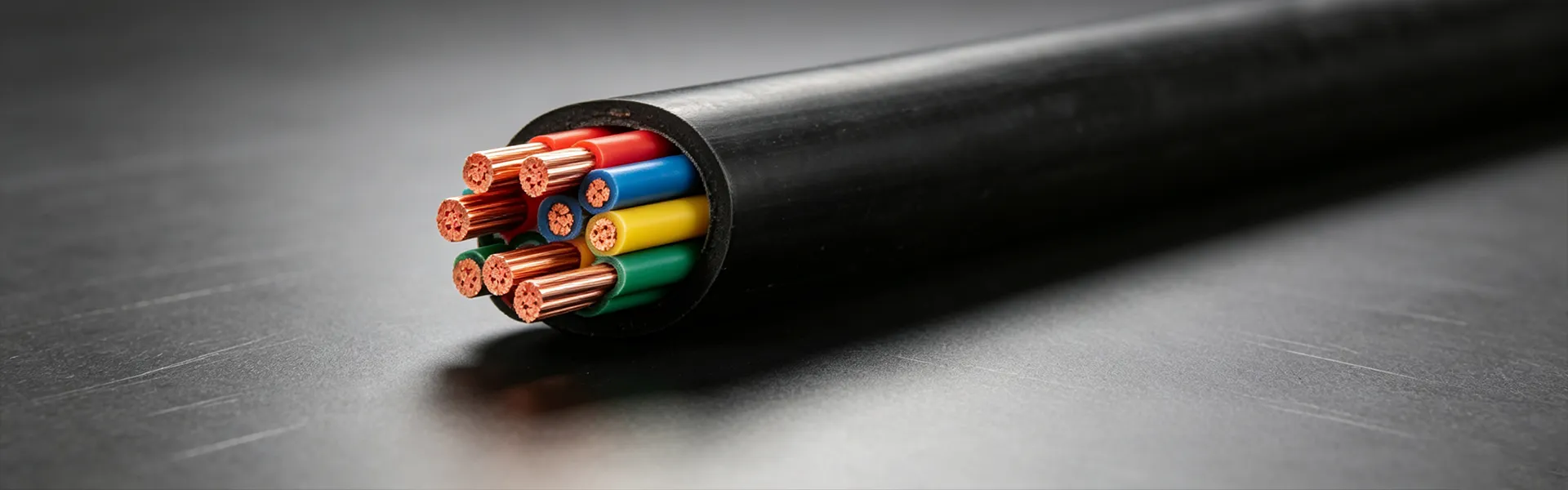
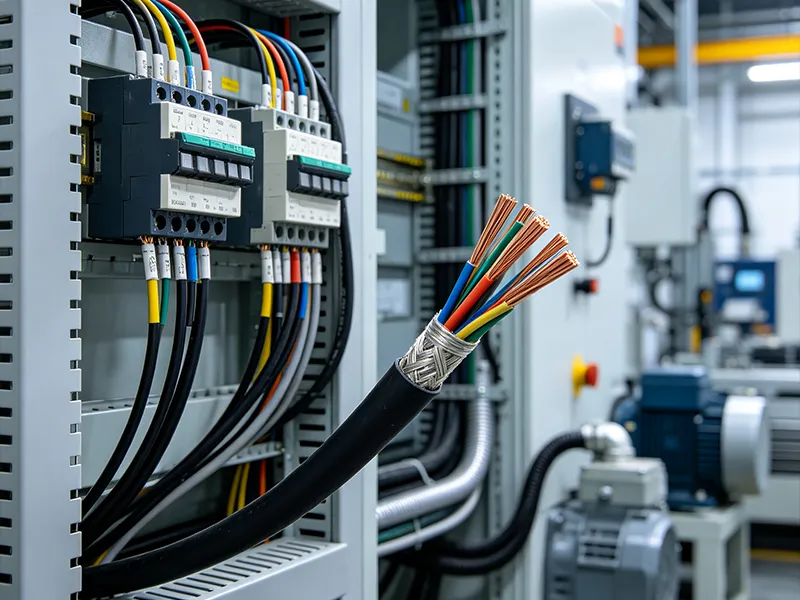
PVC Flexible Cords are designed for electrical connections where the conductor needs to be bent, routed around equipment or moved during normal use. Qiancheng offers Copper PVC Flexible Wire and PVC Twisted Pair Flexible Cord, covering different wiring structures for appliance connections, equipment wiring and low-current electrical applications.
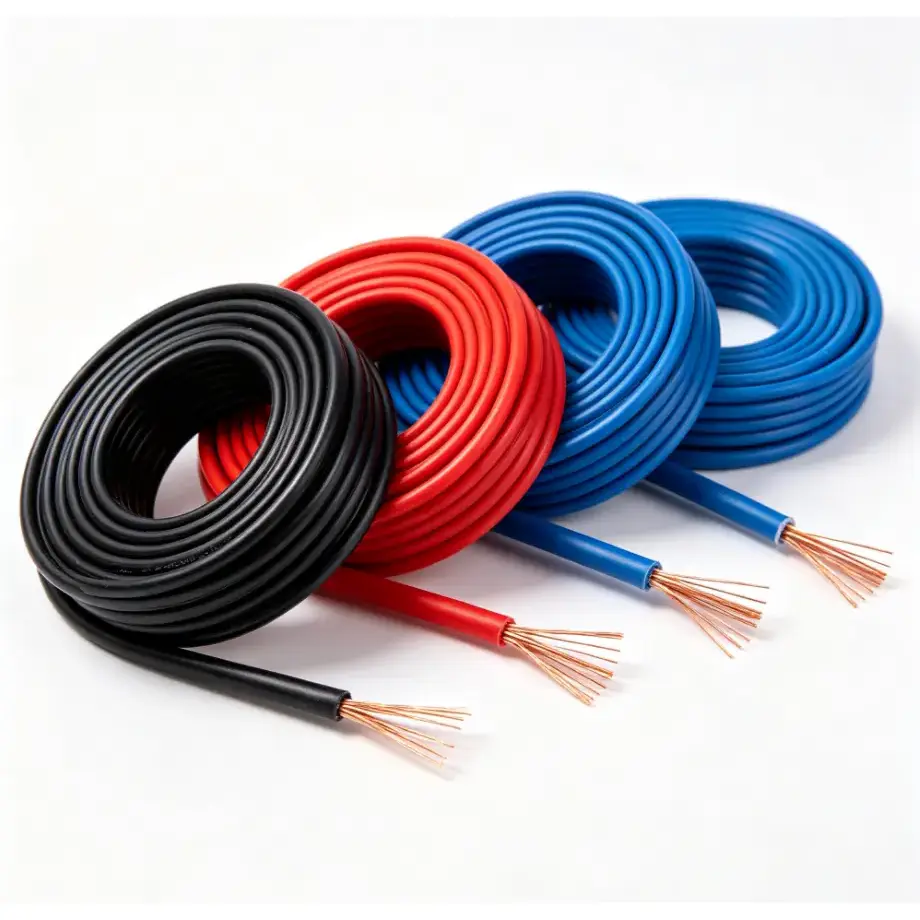
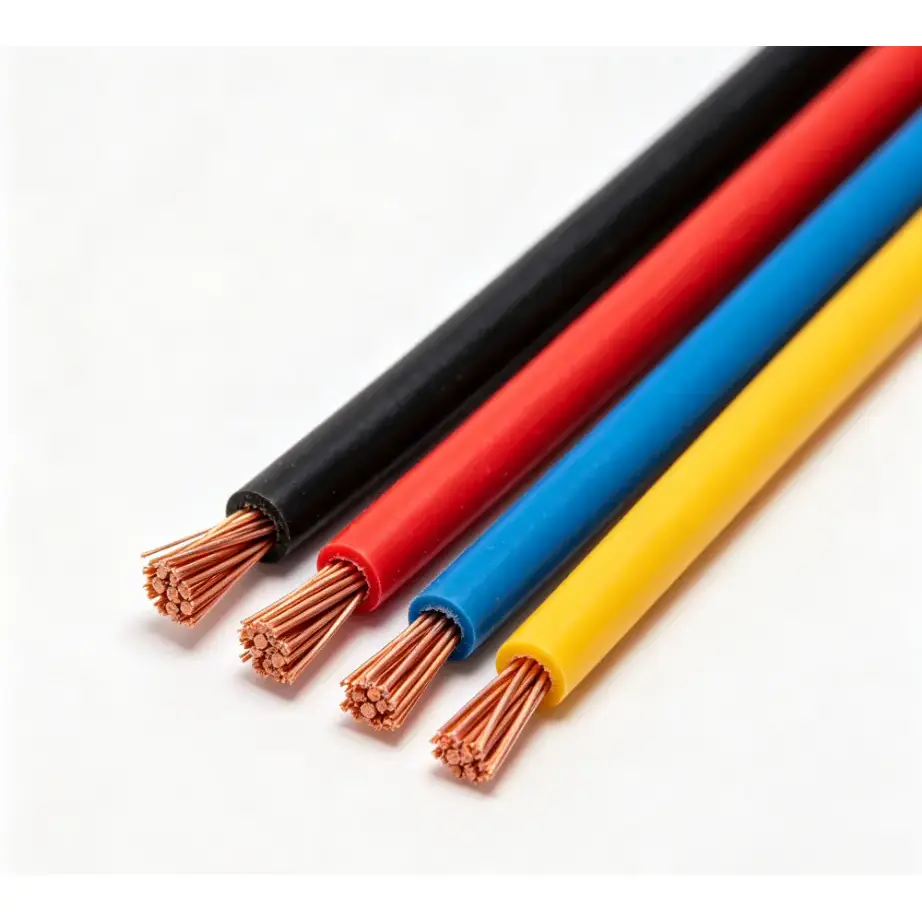
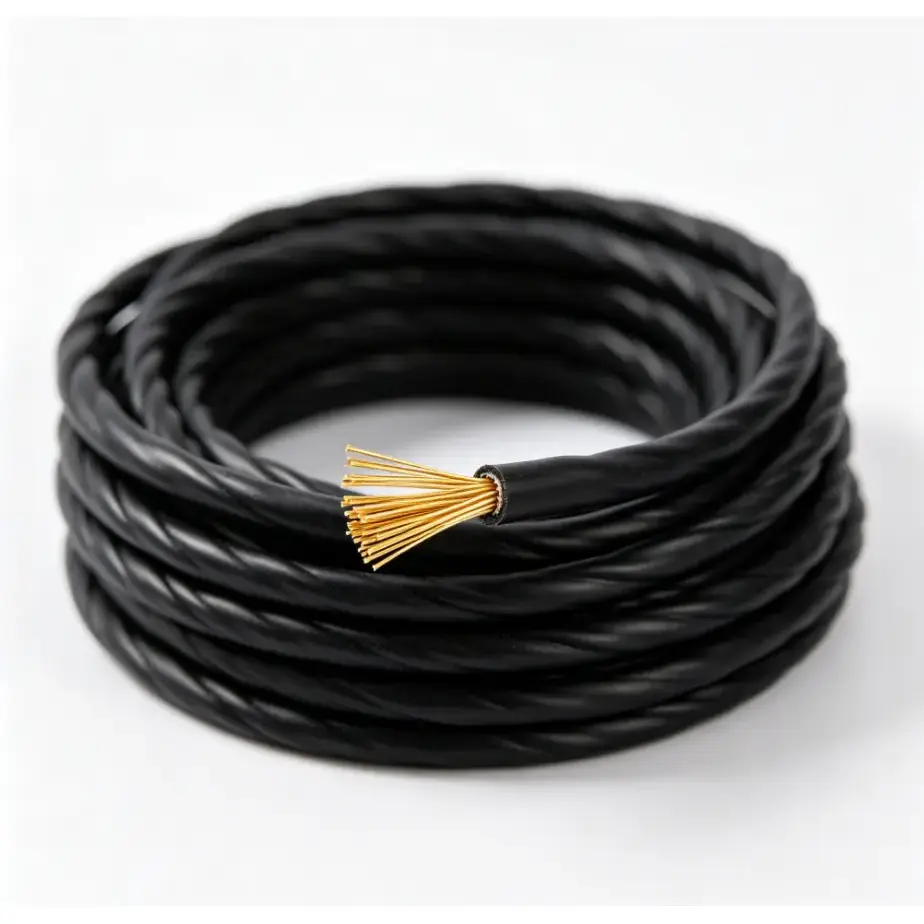
This type uses multiple fine copper strands under PVC insulation. Compared with a solid conductor, the stranded construction allows easier bending and routing, making it suitable for internal equipment wiring, appliance connections and short-distance movable connections.
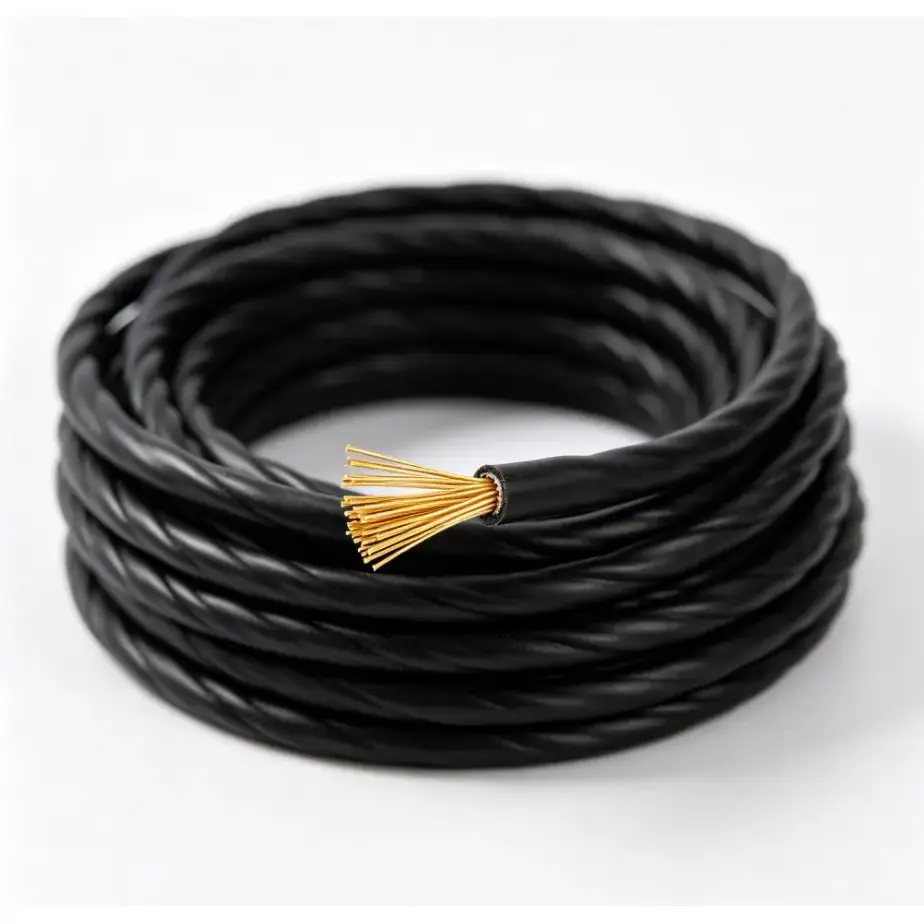
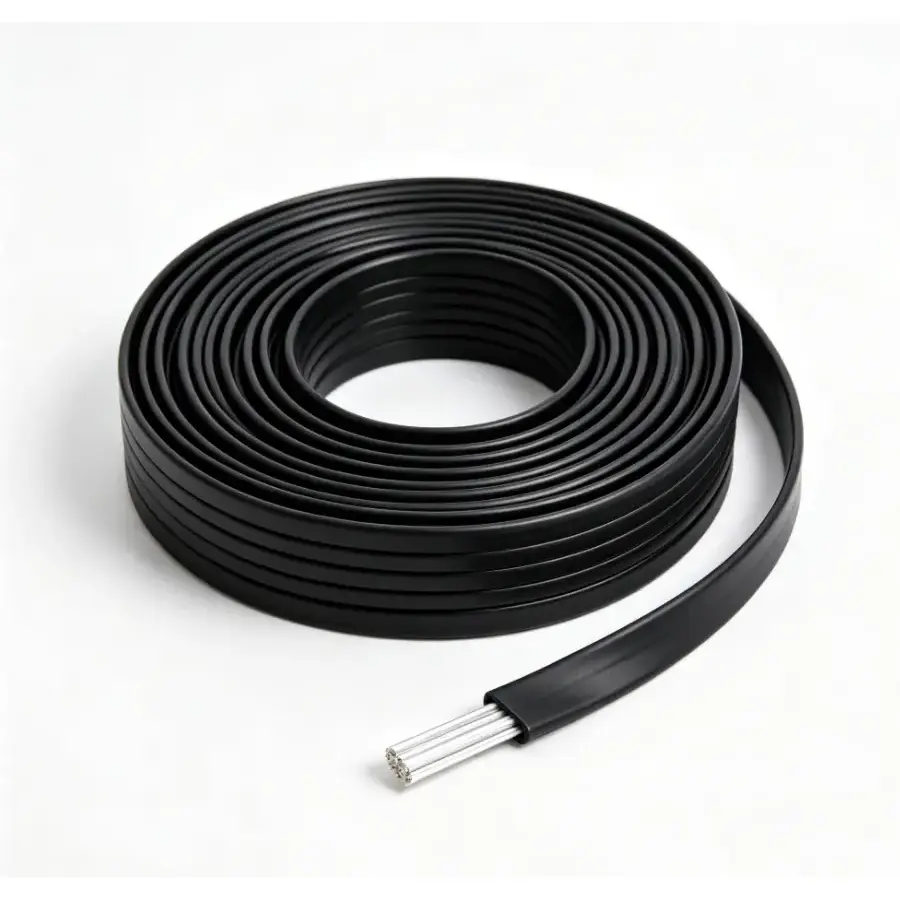
This construction consists of two separately insulated conductors twisted together. The paired arrangement is used for applications that require two conductors in a compact flexible form, including small-power lighting, household instruments and certain low-current signal connections.
Two Constructions for Different Wiring Needs
|
Product
|
Conductor
|
Cores
|
Typical Use
|
|
Copper PVC Flexible Wire
|
Fine-stranded copper
|
Single-core
|
Equipment wiring, appliance connections and movable power connections
|
|
PVC Twisted Pair Flexible Cord
|
Multi-stranded copper
|
2-core twisted
|
Small-power lighting, instruments and low-current connections
|
The two constructions are not interchangeable in every application. A single-core flexible wire is generally selected where individual conductors are routed separately, while the twisted-pair construction keeps two insulated conductors together. The required conductor size, voltage rating and connection method should be confirmed before specifying the product.
Available Sizes and Voltage Ratings
|
Product
|
Available Sizes
|
Voltage Rating
|
Additional Options
|
|
Copper PVC Flexible Wire
|
0.5/0.75/1.0/1.5/2.5/4mm²
|
300/500V, 450/750V
|
Flame-retardant option
|
|
PVC Twisted Pair Flexible Cord
|
0.5/0.75/1.0/1.5/2.5mm²
|
300/500V
|
2-core twisted construction
|
Typical Applications
The main advantage of these products is the ability to accommodate routine bending and movement without using a rigid fixed-wiring construction. Typical applications include internal wiring of electrical equipment, household appliances, portable devices, small-power lighting and other low-current connections.
They are primarily intended for applications covered by their specified construction and rating. Where a cable will be exposed to high temperatures, outdoor conditions, direct burial, substantial mechanical loads or continuous flexing, the complete cable specification should be checked against the actual installation conditions rather than selecting a flexible cord based only on its PVC insulation.
Applicable Standard
Both listed constructions are specified under IEC 60227-5, which applies to PVC-insulated flexible cables and cords for rated voltages up to and including 450/750V. Product construction, rated voltage and destination-market requirements should be confirmed for each order.
Inspection Items Before Shipment
Before shipment, Qiancheng checks the electrical and dimensional characteristics specified for the product. Typical inspection items include conductor resistance, insulation thickness and high-voltage withstand performance.
For applicable specifications, CE certification and relevant test reports can be provided with the corresponding product documentation.
What Should Be Confirmed Before Ordering?
For a suitable specification, the application should be defined first, followed by the required conductor size and voltage rating. For movable equipment wiring, the expected frequency and extent of movement are also relevant because flexibility requirements vary between occasional handling and continuous flexing.
-
Conductor size and electrical load
-
Rated voltage
-
Single-core or 2-core twisted construction
-
Required flexibility and degree of movement
-
Operating temperature and installation environment
-
Flame-retardant requirements
-
Applicable standard and certification requirements
Material and Service Life
The service life of PVC flexible wiring depends on operating temperature, electrical loading, bending conditions, installation and maintenance. Under normal use and correct installation, a service life of around 20–25 years may be achievable. Qiancheng provides a 15-year quality guarantee for applicable products under normal use conditions.
For fixed low-voltage power distribution, see Low Voltage Power Cables. For industrial control and signal applications, Control Cables provides a different cable construction intended for those requirements.