News

Why Is PVC General Flexible Cord a Reliable Choice for Modern Indoor Electrical Wiring

2026-11-06 0 Leave me a message

Choosing the right electrical cable is essential for ensuring stable power transmission, installation convenience, and long-term electrical safety. Qiancheng provides PVC General Flexible Cord designed for residential decoration, lighting systems, small household appliances, and general indoor electrical connections. Featuring fine-stranded oxygen-free copper conductors and PVC insulation and sheathing, this flexible cord offers practical installation flexibility, reliable electrical performance, and multiple specification options for different low-voltage wiring requirements. For electrical contractors, distributors, equipment manufacturers, and project purchasers, understanding its construction and technical characteristics can help achieve a more suitable cable selection.

PVC General Flexible Cord is a commonly used low-voltage electrical cable designed for indoor power connections. Its stranded copper conductor provides flexibility, while PVC insulation and an outer sheath offer electrical separation and mechanical protection. With a rated voltage of 300/500V and a maximum operating temperature of 70℃, it is suitable for various residential, commercial, lighting, and small-appliance applications when installed according to the applicable electrical requirements.

PVC General Flexible Cord

Table of Contents

  1. What Is PVC General Flexible Cord?
  2. How Is PVC General Flexible Cord Constructed?
  3. What Are the Main Technical Specifications?
  4. What Advantages Does PVC Flexible Cord Offer?
  5. Where Is PVC General Flexible Cord Used?
  6. How to Select the Right Flexible Cord?
  7. What Quality Factors Should Buyers Consider?
  8. Frequently Asked Questions
  9. Conclusion: Choosing a Reliable Flexible Cord Supplier

1. What Is PVC General Flexible Cord?

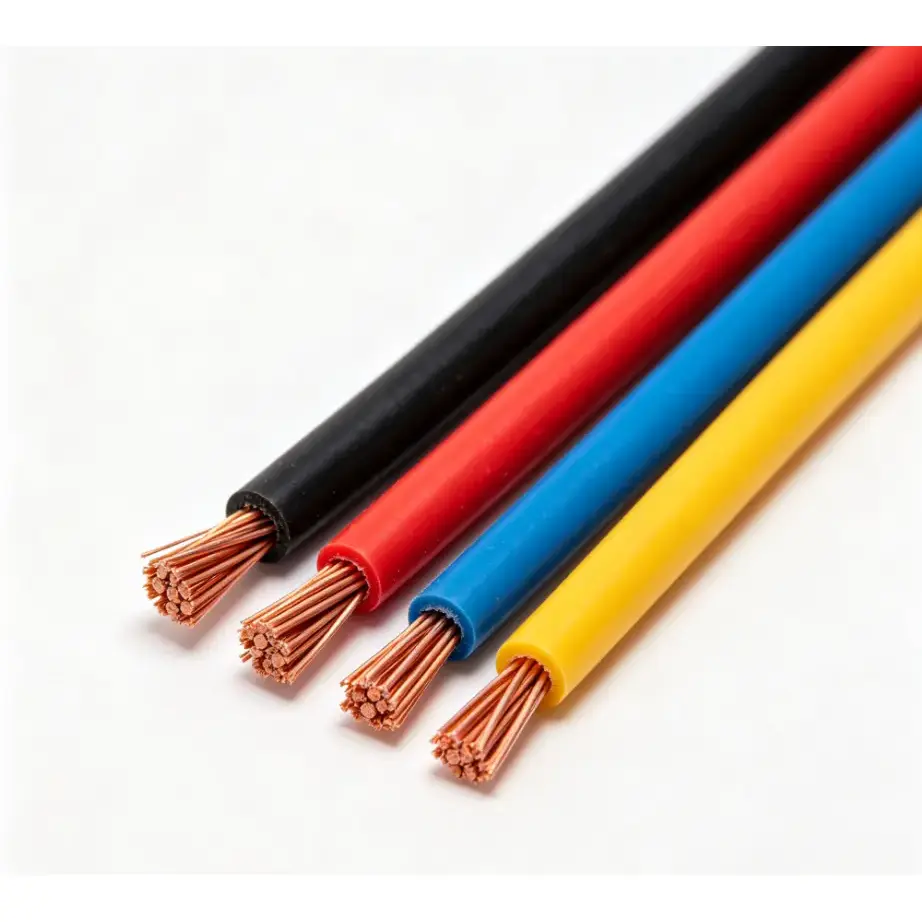
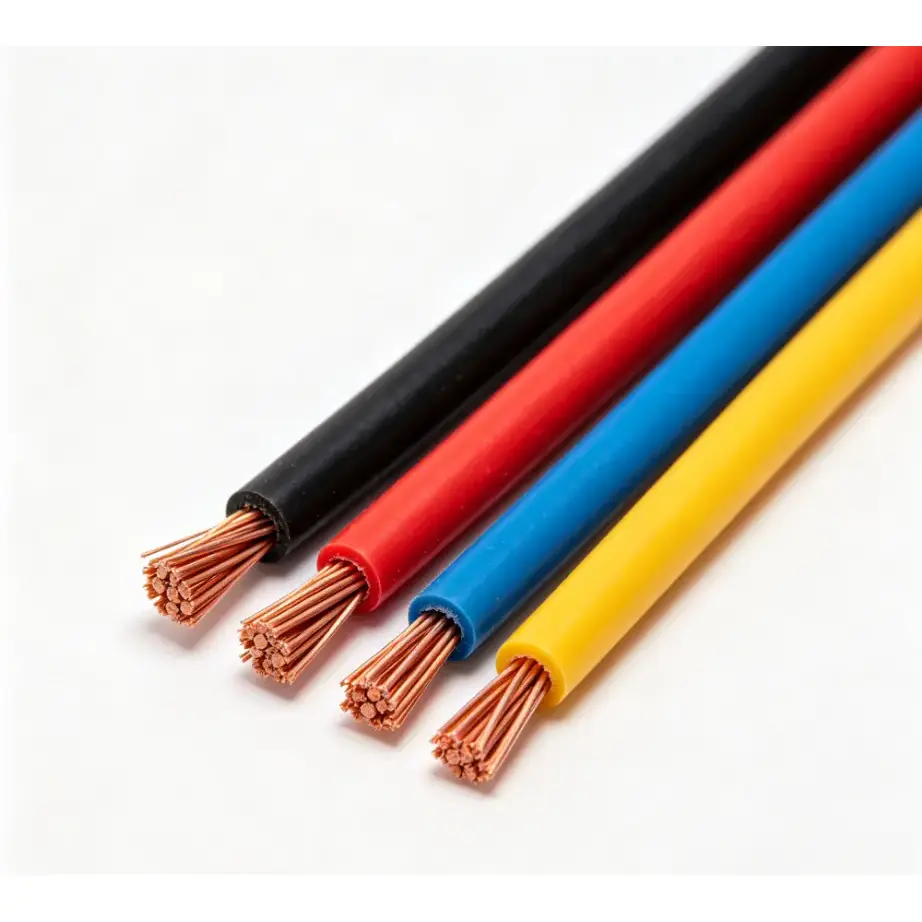
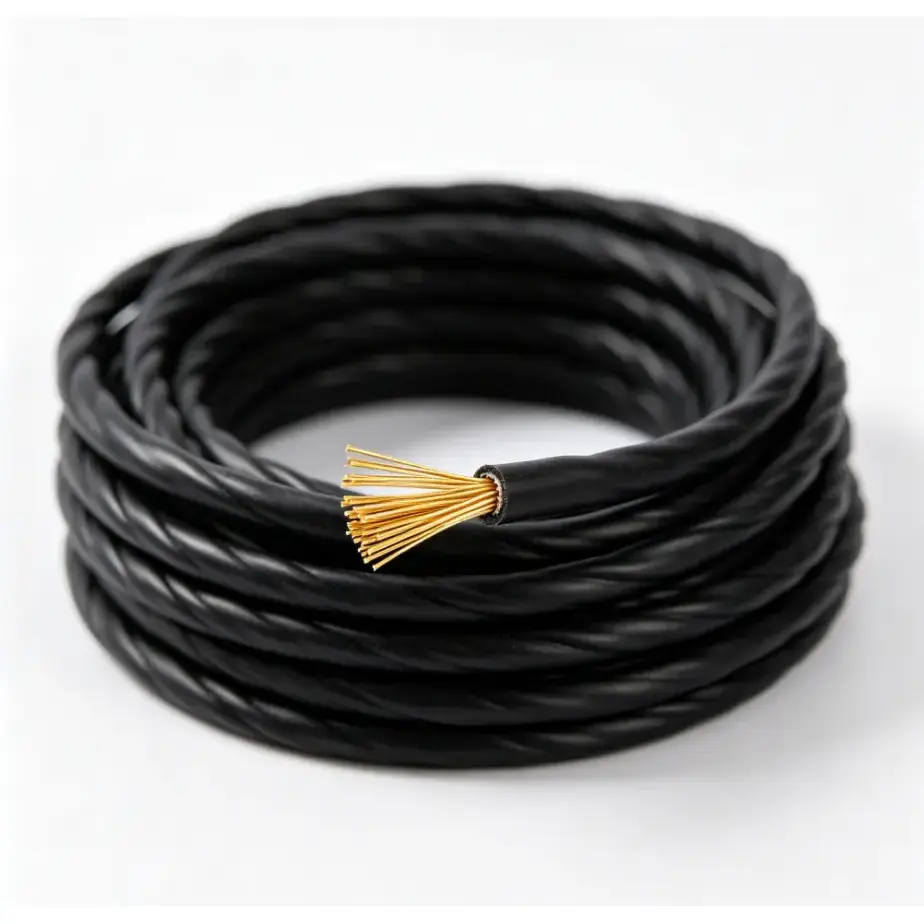
PVC General Flexible Cord is a low-voltage electrical cable designed to transmit electrical power in indoor environments. It typically consists of multiple fine copper strands, PVC insulation surrounding individual conductors, and a protective PVC outer sheath.

Unlike solid-core electrical wire, which uses a single conductor, flexible cord incorporates multiple smaller copper strands. This construction allows the cable to bend more easily during installation, making it particularly useful in applications involving equipment connections, lighting fixtures, and household electrical appliances.

Qiancheng's product is identified by the models 60227 IEC53 (RVV) and RVV. Its main technical characteristics include:

  • Rated voltage: 300/500V.
  • Maximum operating temperature: 70℃.
  • Conductor material: Fine-stranded oxygen-free copper.
  • Insulation material: PVC compound.
  • Outer sheath: PVC compound.
  • Available core configurations: Two-core, three-core, four-core, and five-core options.
  • Available conductor sizes: 0.75mm², 1.0mm², 1.5mm², and 2.5mm² in the listed configurations.

These characteristics make PVC flexible cord a practical solution for general indoor electrical connections where flexibility, electrical insulation, and convenient installation are important.


2. How Is PVC General Flexible Cord Constructed?

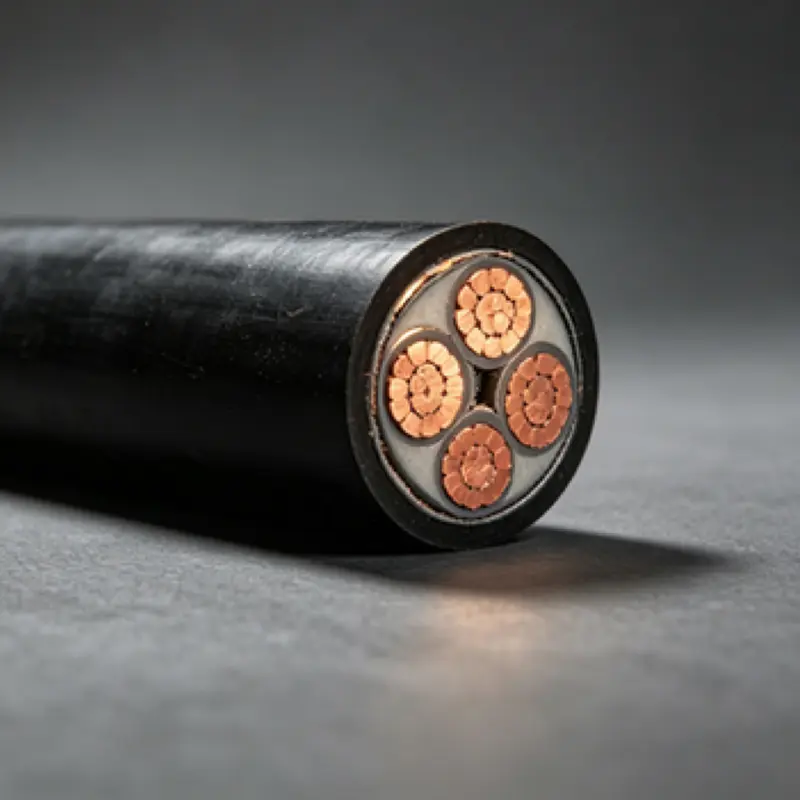
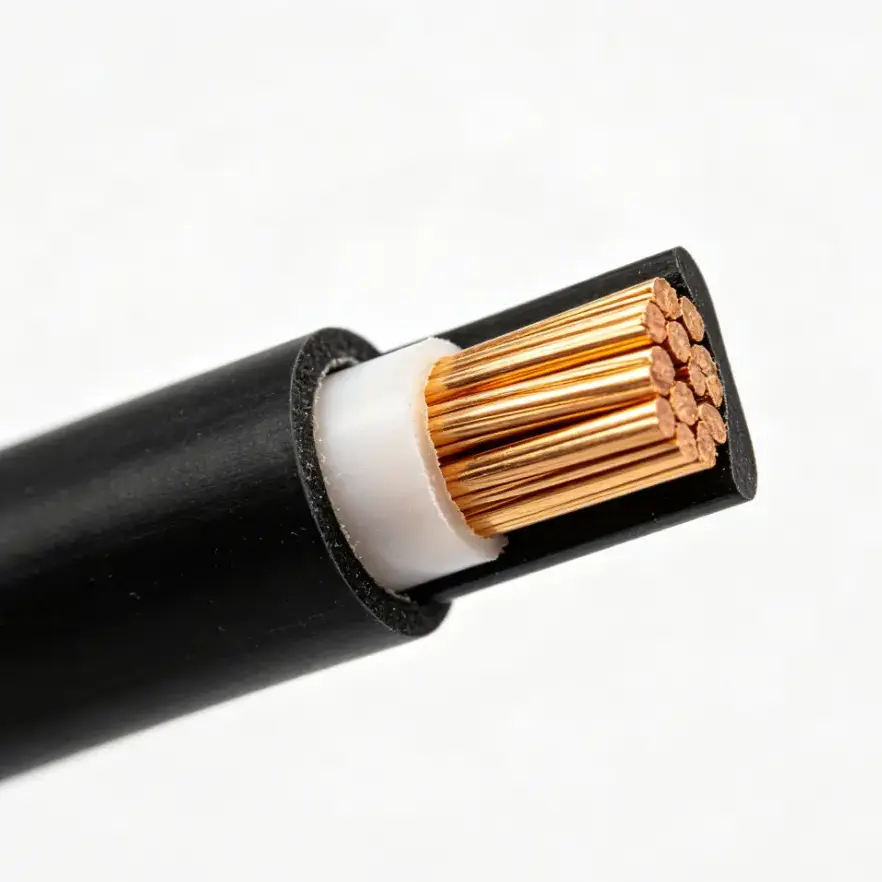
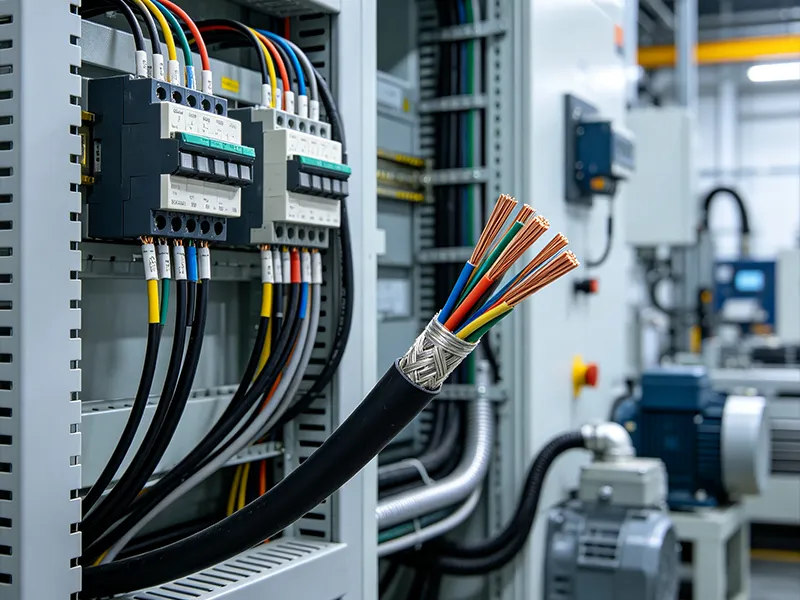
The construction of an electrical cable directly affects its conductivity, insulation performance, flexibility, and service reliability. A properly manufactured PVC General Flexible Cord combines three essential structural components.

2.1 Fine-Stranded Copper Conductor

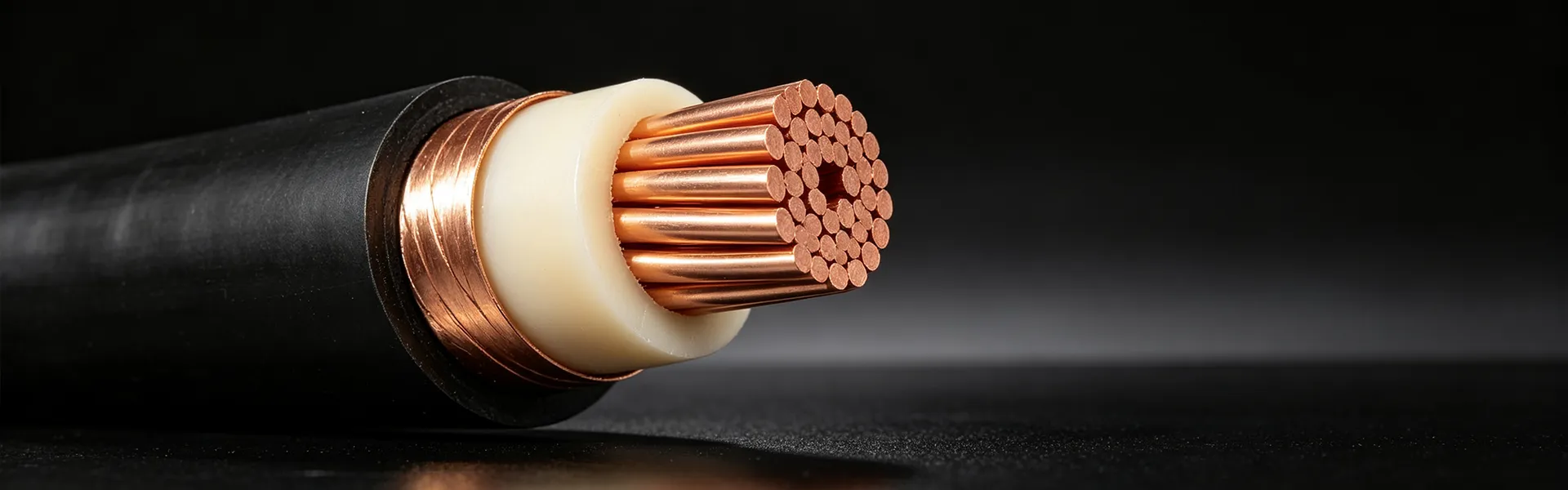
The conductor is responsible for transmitting electrical current. Qiancheng uses fine-stranded oxygen-free copper to provide good electrical conductivity and improved flexibility compared with conventional solid conductors.

The stranded construction offers several practical benefits:

  • Improved bending flexibility during installation.
  • Convenient routing through electrical equipment and confined spaces.
  • Reliable electrical conductivity under specified operating conditions.
  • Practical handling during cable cutting, stripping, and termination.

2.2 PVC Insulation Layer

Each conductor is surrounded by PVC insulation, which provides electrical separation between individual conductors and helps prevent unintended electrical contact.

The insulation thickness is determined by the conductor specification. Different cross-sectional areas require corresponding insulation dimensions to meet the relevant product requirements.

2.3 PVC Outer Sheath

The outer PVC sheath surrounds the insulated conductors and provides an additional protective layer. It helps protect the cable structure against ordinary installation-related contact, abrasion, and environmental exposure associated with indoor use.

The combination of stranded copper, individual PVC insulation, and an outer PVC sheath creates a practical cable structure for general-purpose indoor wiring.


3. What Are the Main Technical Specifications?

Before purchasing PVC General Flexible Cord, buyers should review the conductor cross-section, insulation thickness, sheath thickness, overall diameter, and insulation resistance. These parameters help determine whether a particular cable configuration is suitable for the intended electrical installation.

3.1 Product Dimension Data

The following table summarizes the specifications listed for Qiancheng's PVC General Flexible Cord.

Specification Insulation Thickness (mm) Sheath Thickness (mm) Approx. Outer Diameter (mm) Minimum Insulation Resistance at 70℃ (MΩ·km)
2×0.75 0.6 0.8 7.2 0.011
2×0.75* 0.6 0.8 4.3×7.0 0.011
2×1.0 0.6 0.8 7.5 0.010
2×1.0* 0.6 0.8 4.5×7.3 0.010
2×1.5 0.7 0.8 8.4 0.010
2×2.5 0.8 1.0 10.2 0.009
3×0.75 0.6 0.8 7.6 0.011
3×1.0 0.6 0.8 7.9 0.010
3×1.5 0.7 0.9 9.2 0.010
3×2.5 0.8 1.0 11.0 0.009
4×0.75 0.6 0.8 8.2 0.011
4×1.0 0.6 0.9 8.9 0.010
4×1.5 0.7 1.0 10.2 0.010
4×2.5 0.8 1.1 12.0 0.009
5×0.75 0.6 0.9 9.2 0.011
5×1.0 0.6 0.9 9.6 0.010
5×1.5 0.7 1.1 11.3 0.010
5×2.5 0.8 1.2 13.3 0.009

Note: The asterisk identifies the flat dimensional configurations listed in the manufacturer's product specifications. Dimensions are approximate. Confirm the applicable production specification before ordering.

3.2 Understanding the Specification Numbers

For example, 3×1.5mm² indicates a cable with three insulated conductors, each having a nominal cross-sectional area of 1.5mm².

Similarly:

  • 2×0.75mm²: Two conductors, each with a 0.75mm² cross-section.
  • 3×1.0mm²: Three conductors, each with a 1.0mm² cross-section.
  • 4×1.5mm²: Four conductors, each with a 1.5mm² cross-section.
  • 5×2.5mm²: Five conductors, each with a 2.5mm² cross-section.

Understanding these markings helps electrical contractors and purchasing departments communicate cable requirements accurately.


4. What Advantages Does PVC Flexible Cord Offer?

For general indoor wiring, cable flexibility and consistent insulation quality are important considerations. PVC General Flexible Cord offers several practical advantages for everyday electrical applications.

4.1 Flexible Installation Performance

The fine-stranded copper conductor allows the cable to bend and follow installation routes more easily. This is particularly useful when wiring compact appliances, lighting fixtures, and electrical equipment with limited internal space.

4.2 Reliable Electrical Conductivity

Copper is widely used in electrical cable manufacturing because of its favorable electrical conductivity. Selecting the correct conductor cross-section according to circuit current and installation conditions helps maintain stable electrical performance.

4.3 Insulation and Sheath Protection

PVC insulation and outer sheathing provide separate protective functions. The insulation electrically separates the conductors, while the sheath offers additional protection against ordinary mechanical contact during indoor installation and use.

4.4 Multiple Specification Options

Different electrical systems require different numbers of conductors and cross-sectional areas. The availability of two-core through five-core configurations provides buyers with greater flexibility when matching cables to specific wiring requirements.

4.5 Customization for Project Requirements

Qiancheng can arrange product customization according to agreed project specifications. Available options include:

  • Different conductor cross-sectional areas.
  • Customized insulation and sheath colors.
  • Specified finished cable lengths and roll packaging.
  • Flame-retardant PVC options when required.
  • Third-party inspection arrangements for applicable orders.

Customization details should be confirmed before production to ensure that the delivered cable matches the technical and regulatory requirements of the destination market.


5. Where Is PVC General Flexible Cord Used?

Because of its flexible conductor construction and PVC protective layers, this cable is suitable for various indoor low-voltage electrical applications.

5.1 Residential Electrical Wiring

In residential environments, flexible cord can be used for suitable indoor electrical connections associated with home appliances, lighting equipment, and electrical accessories. Its flexible structure makes installation and connection more convenient.

5.2 Lighting Systems

Lighting installations often require cables to pass through compact spaces or connect different electrical components. PVC flexible cord can provide a practical wiring solution for compatible indoor lighting applications.

5.3 Small Household Appliances

Many small appliances require flexible electrical connections to transmit power between internal components and external supply points. The stranded copper conductor supports convenient cable routing in these applications.

5.4 Office and Commercial Equipment

Office equipment, commercial electrical accessories, and compatible low-voltage devices may also use PVC general flexible cord for power connections, provided the cable rating matches the equipment requirements.

5.5 Light-Duty Electrical Equipment

For suitable indoor equipment requiring flexible power connections, this cable provides a practical balance between installation convenience and electrical protection.

However, standard PVC general flexible cord should not automatically be considered suitable for continuous mechanical movement, high-temperature environments, direct burial, or prolonged outdoor exposure. Specialized cable constructions should be selected when these conditions apply.


6. How to Select the Right Flexible Cord?

Selecting an appropriate PVC General Flexible Cord requires more than comparing prices. Buyers should evaluate the electrical load, installation environment, conductor configuration, and relevant compliance requirements.

6.1 Determine the Required Conductor Cross-Section

The conductor cross-sectional area directly affects current-carrying capability and electrical resistance. A larger conductor generally offers lower resistance, but the correct size must be calculated according to circuit load, installation method, ambient temperature, cable grouping, and applicable electrical regulations.

6.2 Confirm the Number of Cores

The number of conductors should match the electrical circuit design. Two-core, three-core, four-core, and five-core cables serve different connection requirements.

6.3 Check Voltage and Temperature Ratings

Qiancheng's PVC General Flexible Cord has a rated voltage of 300/500V and a maximum operating temperature of 70℃. Buyers should confirm that these ratings meet the equipment and installation requirements.

6.4 Evaluate the Installation Environment

Consider the following conditions before choosing a cable:

  • Whether the cable will be installed indoors or outdoors.
  • Whether it will experience repeated bending or continuous movement.
  • Whether the surrounding temperature exceeds the cable rating.
  • Whether additional resistance to oil, chemicals, moisture, or abrasion is necessary.
  • Whether special flame-retardant or regulatory requirements apply.

6.5 Confirm Applicable Certifications

Different countries and regions have different electrical cable standards and import requirements. Buyers should verify the required certification, test reports, product markings, and documentation before placing an order.


7. What Quality Factors Should Buyers Consider?

For cable distributors, electrical contractors, and OEM customers, consistent product quality is essential for maintaining reliable supply and reducing installation problems.

Several important quality factors deserve attention when purchasing flexible electrical cords.

7.1 Conductor Material and Dimensions

Verify the copper conductor material and nominal cross-sectional area. Conductor dimensions should correspond to the agreed product specification, while conductor resistance should satisfy the applicable standard.

7.2 Insulation and Sheath Thickness

Insufficient insulation or sheath thickness can affect electrical protection and mechanical durability. Buyers should request dimensional inspection records when required by their procurement procedures.

7.3 Electrical Insulation Performance

Insulation resistance testing helps evaluate the electrical condition of the insulating materials. Dielectric strength and other relevant tests should be performed according to the applicable product standard and inspection requirements.

7.4 Finished Cable Appearance

Visual inspection should check for surface irregularities, damage, inconsistent sheath dimensions, and other manufacturing defects. Clear cable identification and suitable packaging also support easier storage and installation.

7.5 Documentation and Manufacturing Traceability

Professional cable suppliers should be able to clarify the product specifications, applicable standards, inspection requirements, and available documentation.

Before confirming a bulk purchase, buyers should consider requesting:

  • Product technical datasheets.
  • Relevant certification documents.
  • Electrical and dimensional test reports.
  • Conductor material and specification confirmation.
  • Packaging and finished-length confirmation.
  • Third-party inspection arrangements when necessary.

These measures help establish clearer procurement expectations and improve consistency across repeat orders.


8. Frequently Asked Questions About PVC General Flexible Cord

Q1: What is the rated voltage of PVC General Flexible Cord?

Answer: Qiancheng's PVC General Flexible Cord has a rated voltage of 300/500V. It is designed for compatible indoor low-voltage electrical connections, including residential wiring, lighting, and small household appliances.

Q2: What is the maximum operating temperature of this cable?

Answer: The specified maximum operating temperature is 70℃. It should not be used in applications exceeding this temperature rating. Buyers requiring higher-temperature performance should request a suitable alternative cable construction.

Q3: What conductor material is used in Qiancheng PVC flexible cord?

Answer: The product uses fine-stranded oxygen-free copper conductors. This material provides good electrical conductivity and helps improve flexibility during cable installation.

Q4: What conductor sizes and core configurations are available?

Answer: The listed specifications include 0.75mm², 1.0mm², 1.5mm², and 2.5mm² conductor cross-sections, with two-core, three-core, four-core, and five-core configurations. Specific availability should be confirmed with the manufacturer.

Q5: Can the PVC General Flexible Cord be customized?

Answer: Yes. Qiancheng can arrange customized conductor specifications, cable colors, and finished roll lengths according to agreed requirements. Flame-retardant PVC options can also be discussed for projects requiring additional fire-performance characteristics.

Q6: Is this flexible cord suitable for outdoor applications?

Answer: The product is primarily intended for indoor electrical connections. Prolonged outdoor exposure may require additional weather, UV, and moisture resistance. Buyers should select a cable specifically designed and rated for the intended outdoor environment.

Q7: What certifications are available for Qiancheng PVC General Flexible Cord?

Answer: CE certification is available for relevant product specifications. Applicable IEC standards, test reports, and other documentation can be confirmed according to the specific product configuration and destination-market requirements.

Q8: How can buyers ensure the correct cable specification?

Answer: Buyers should provide the rated voltage, expected current, conductor cross-section, number of cores, operating environment, required cable length, and applicable certification requirements. A professional cable manufacturer can then help evaluate the appropriate product configuration.


9. Conclusion: Choosing a Reliable Flexible Cord Supplier

PVC General Flexible Cord remains a practical solution for a wide range of indoor electrical connections because of its stranded copper conductor, PVC insulation, protective outer sheath, and multiple specification options. Its 300/500V voltage rating and 70℃ maximum operating temperature make it suitable for compatible residential, lighting, household appliance, and light-duty commercial applications.

However, selecting the right cable requires careful consideration of conductor size, core configuration, electrical load, installation conditions, and applicable standards. Working with an experienced manufacturer can help buyers obtain more consistent specifications, suitable customization, and reliable technical support.

Qiancheng Cable Co., Ltd. provides PVC General Flexible Cord and other electrical cable solutions for international customers. Whether you are a cable distributor, electrical contractor, equipment manufacturer, or project purchaser, our team can help you evaluate product specifications and identify suitable options for your application. If you are looking for a dependable cable manufacturing partner, contact us today to discuss your conductor requirements, customized colors, roll lengths, certification needs, and bulk purchasing plans. Let Qiancheng support your electrical wiring projects with practical cable solutions and professional service.

Related News
Leave me a message
X
We use cookies to offer you a better browsing experience, analyze site traffic and personalize content. By using this site, you agree to our use of cookies. Privacy Policy
RejectAccept