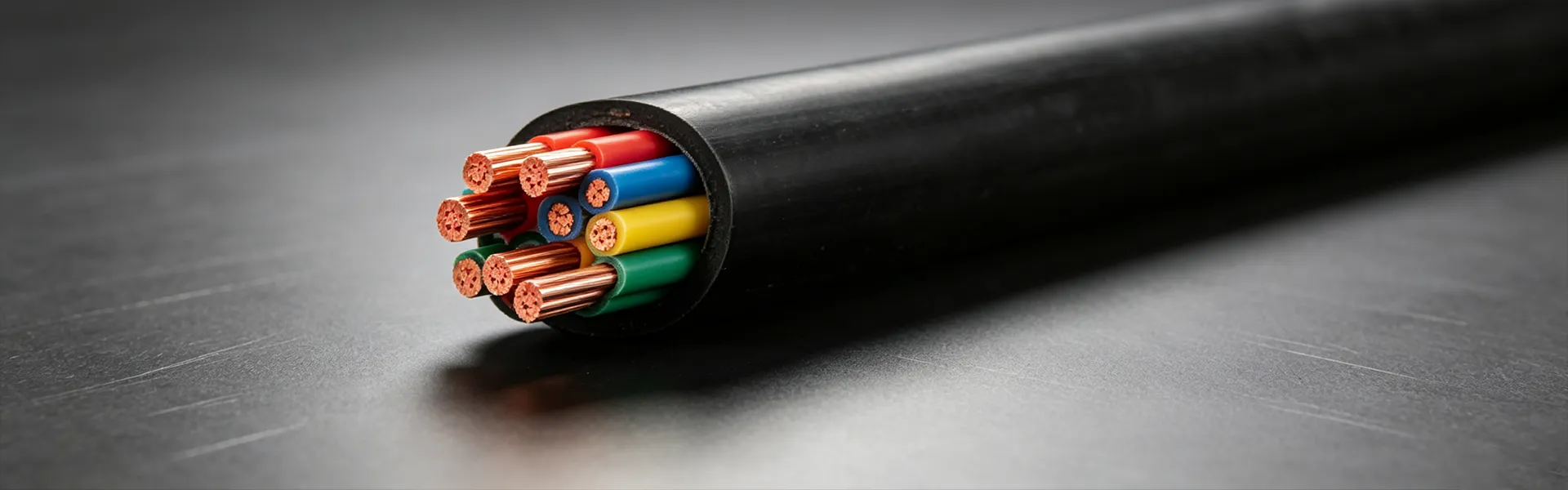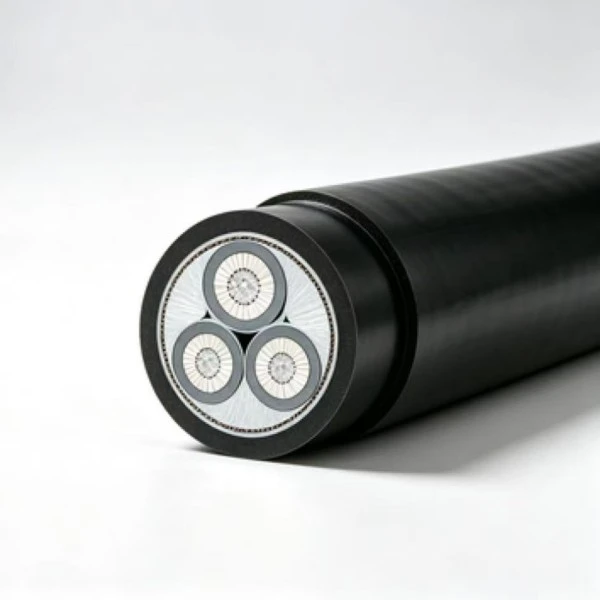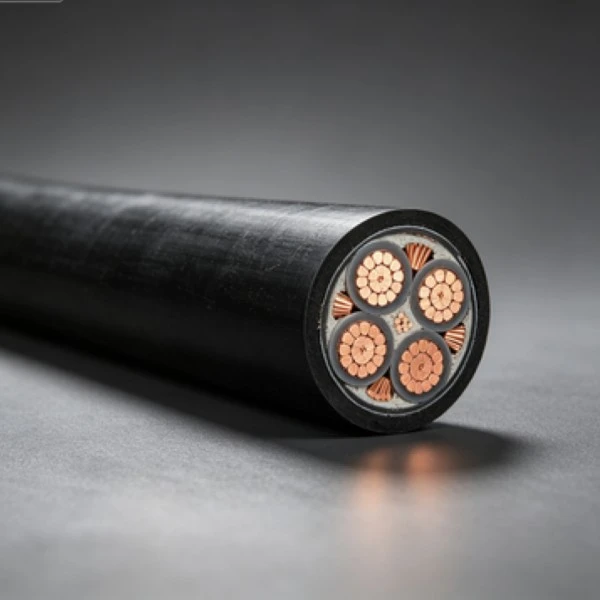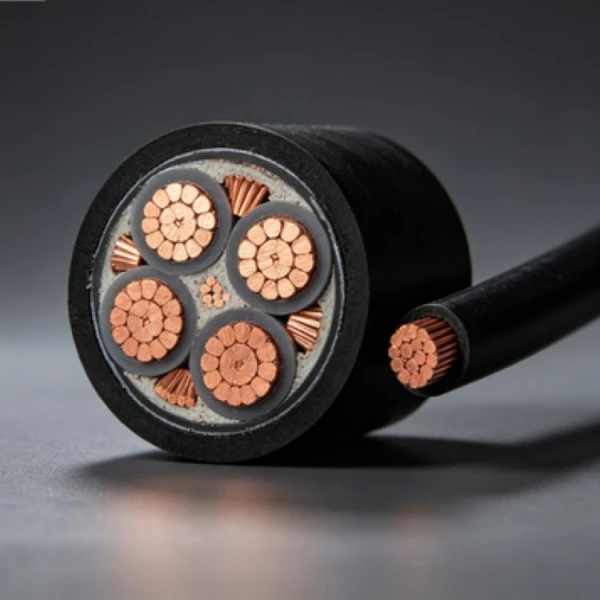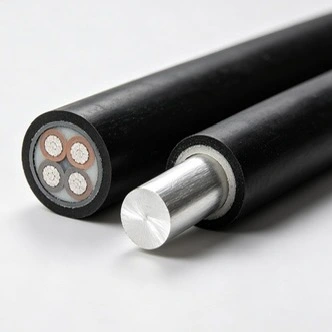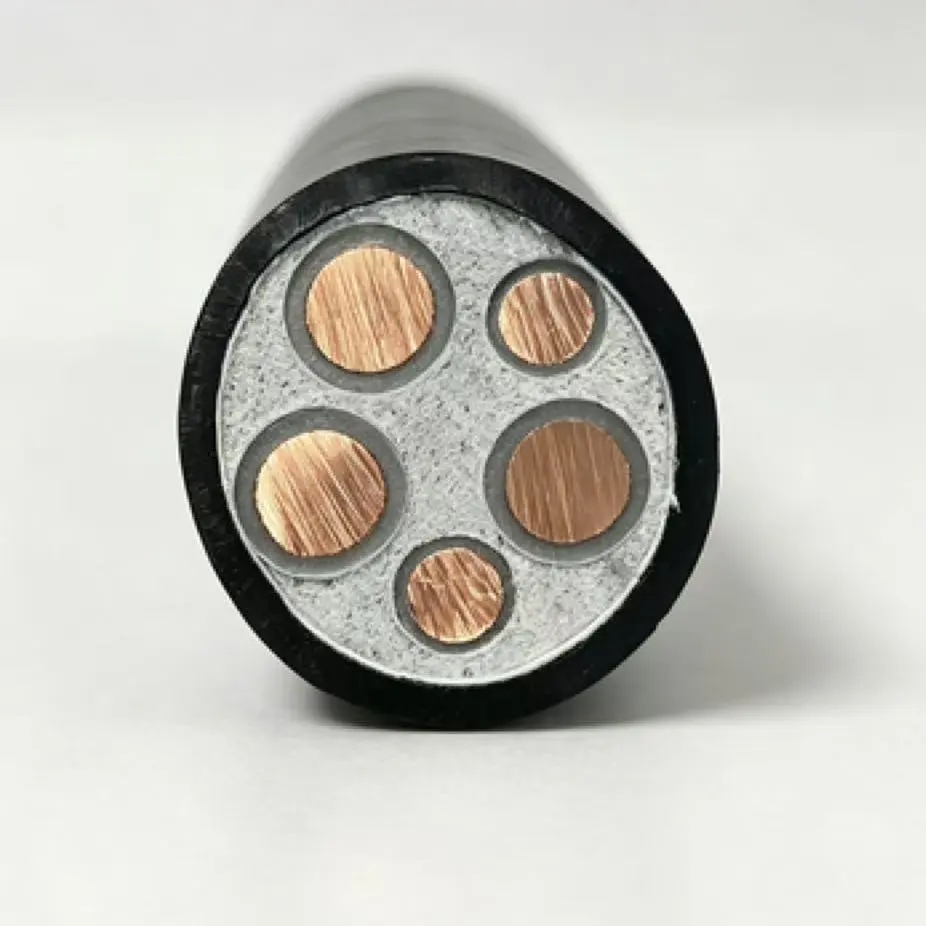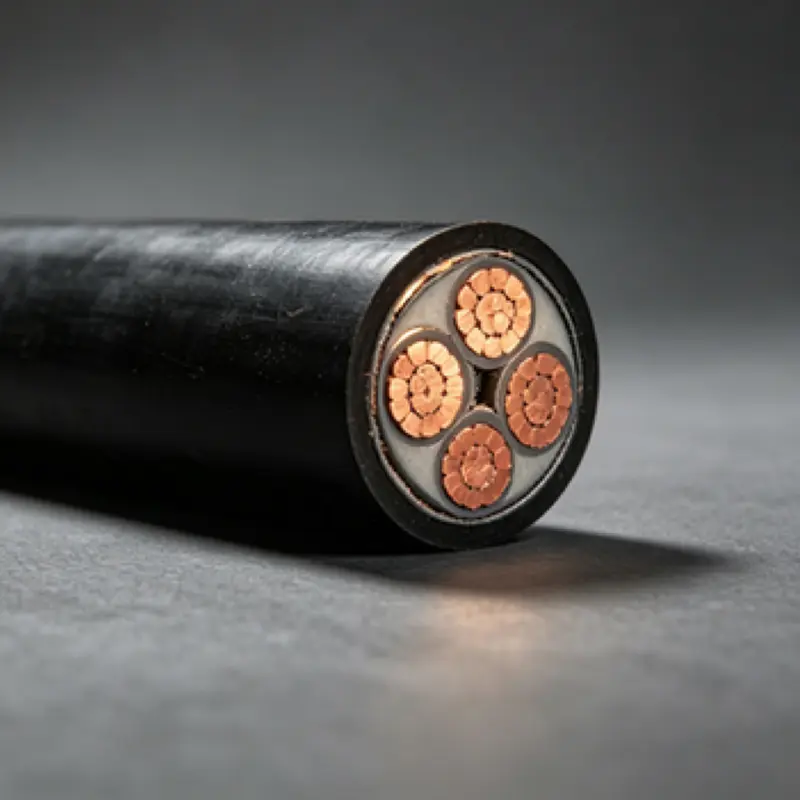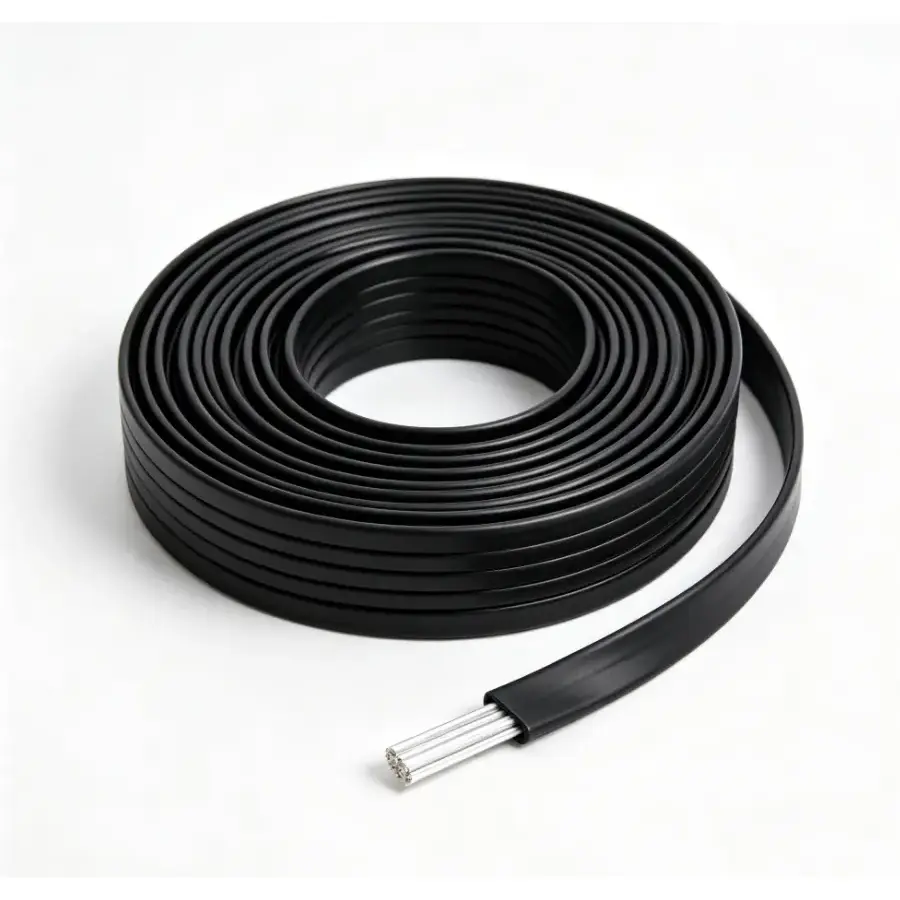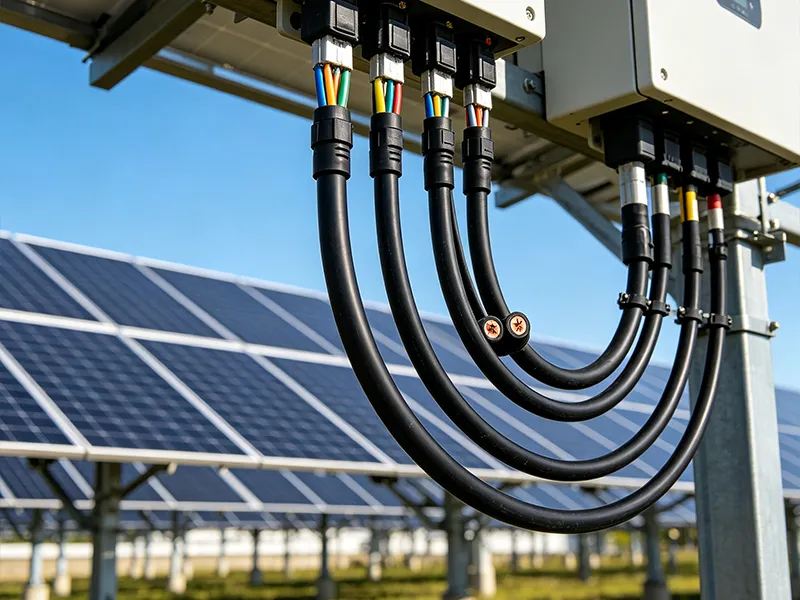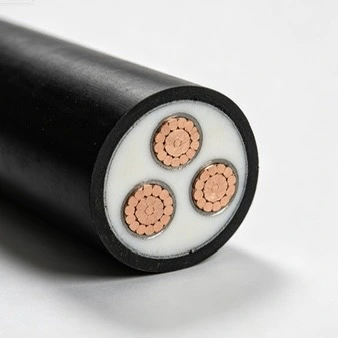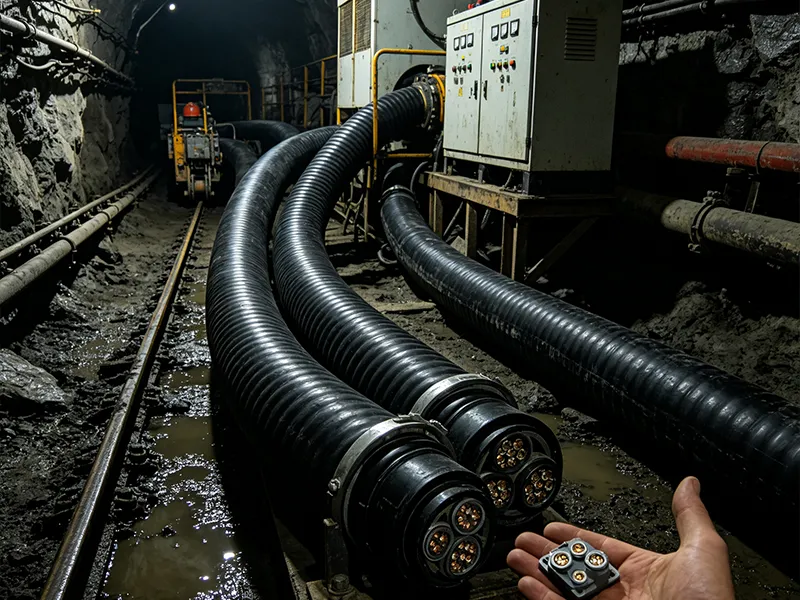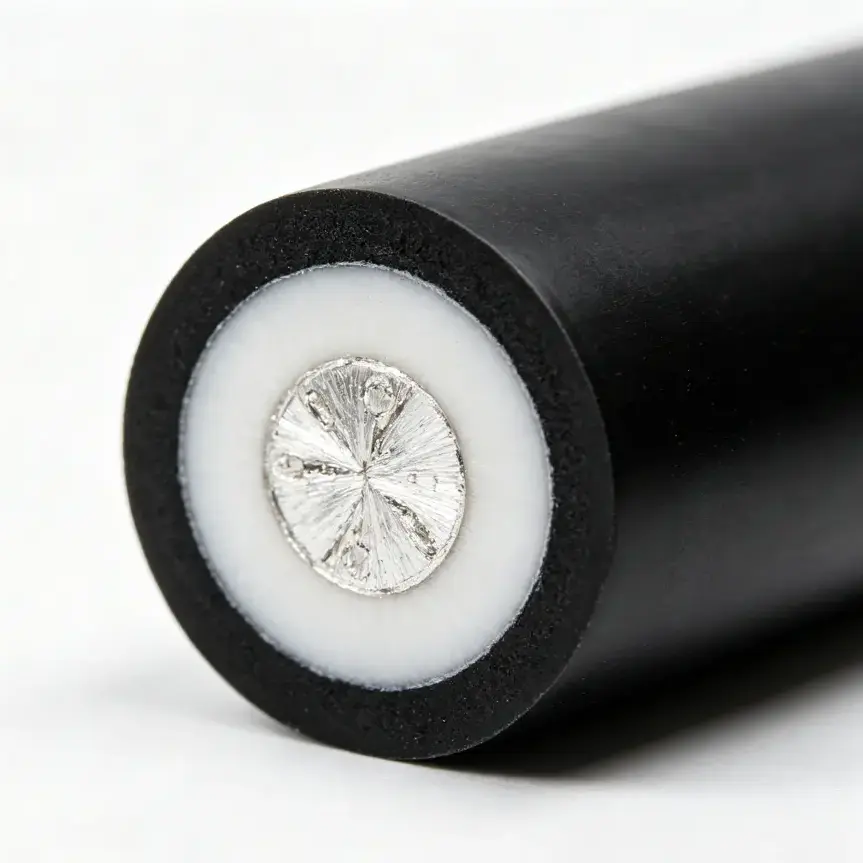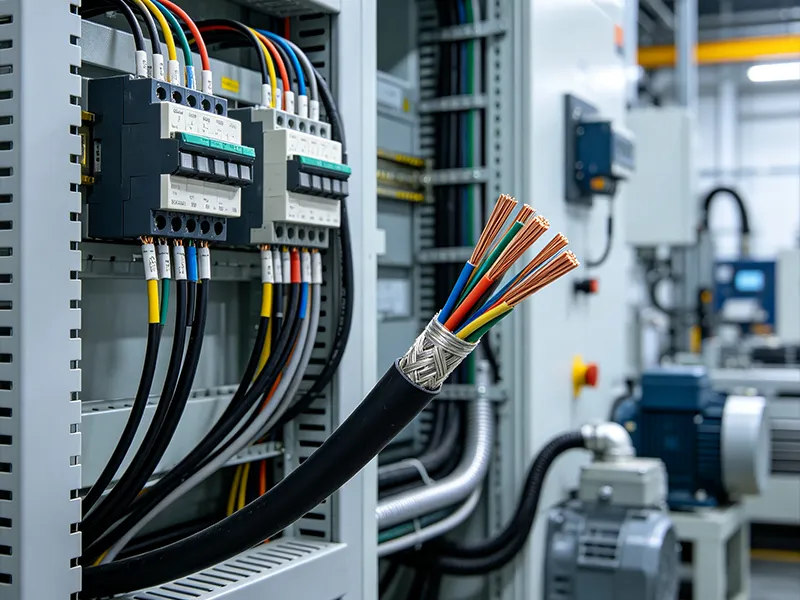
Aluminum XLPE Fire Resistant Power Cable uses an aluminum conductor, XLPE insulation, a fire-resistant mica layer and a protective PVC sheath for low-voltage power circuits with defined fire-continuity requirements. The construction can be specified for building distribution, outdoor routes, cable trenches and other installations where both electrical performance and fire performance need to be considered.
The product range covers nominal conductor cross-sections from 1.5 mm² to 1000 mm². The technical table below provides the corresponding insulation and sheath thickness, approximate outer diameter, conductor DC resistance, test voltage and reference ampacity values for installation in air and direct-buried soil.
|
Nominal cross-section (mm²) |
Insulation thickness (mm) |
Sheath thickness (mm) |
Approximate cable outer diameter (mm) |
Conductor DC resistance (Ω/km)Al |
Test voltage (kV/5min) |
Ampacity in air(A) (A)-Al |
Ampacity in direct-buried soil(A)-Al |
|
1×1.5 |
0.7 |
1.5 |
6 |
— |
3.5 |
— |
— |
|
1×2.5 |
0.7 |
1.5 |
6 |
≤12.1 |
3.5 |
26 |
32 |
|
1×4 |
0.7 |
1.5 |
7 |
≤7.41 |
3.5 |
35 |
42 |
|
1×6 |
0.7 |
1.5 |
7 |
≤4.61 |
3.5 |
45 |
54 |
|
1×10 |
0.7 |
1.5 |
8 |
≤3.08 |
3.5 |
59 |
69 |
|
1×16 |
0.7 |
1.5 |
9 |
≤1.91 |
3.5 |
78 |
90 |
|
1×25 |
0.9 |
1.5 |
10 |
≤1.20 |
3.5 |
100 |
115 |
|
1×35 |
0.9 |
1.5 |
12 |
≤0.868 |
3.5 |
125 |
135 |
|
1×50 |
1.0 |
1.5 |
13 |
≤0.641 |
3.5 |
150 |
165 |
|
1×70 |
1.1 |
1.5 |
14 |
≤0.443 |
3.5 |
190 |
200 |
|
1×95 |
1.1 |
1.5 |
16 |
≤0.320 |
3.5 |
230 |
240 |
|
1×120 |
1.2 |
1.5 |
18 |
≤0.253 |
3.5 |
370 |
275 |
|
1×150 |
1.4 |
2.0 |
21 |
≤0.206 |
3.5 |
310 |
310 |
|
1×185 |
1.6 |
2.0 |
23 |
≤0.164 |
3.5 |
360 |
355 |
|
1×240 |
1.7 |
2.0 |
25 |
≤0.125 |
3.5 |
430 |
410 |
|
1×300 |
1.8 |
2.0 |
34 |
≤0.100 |
3.5 |
495 |
465 |
|
1×400 |
2.0 |
2.1 |
37 |
≤0.0778 |
3.5 |
590 |
535 |
|
1×500 |
2.2 |
2.2 |
41 |
≤0.0605 |
3.5 |
685 |
610 |
|
1×630 |
2.4 |
2.3 |
45 |
≤0.0469 |
3.5 |
800 |
695 |
|
1×800 |
2.6 |
2.4 |
46 |
≤0.0367 |
3.5 |
930 |
785 |
|
1×1000 |
2.8 |
2.6 |
51 |
≤0.0291 |
3.5 |
1050 |
875 |
The cable uses several functional layers, with each layer serving a different electrical or environmental purpose. The conductor carries current during normal operation, XLPE provides electrical insulation, the mica layer is used for fire-resistance, and the PVC sheath provides external mechanical and environmental protection. These functions should be considered together when the cable is selected for a specific installation.
The conductor is made from aluminum and is available in a wide range of nominal cross-sections. Compared with copper, aluminum has a lower density, which can reduce cable weight and may simplify handling on longer cable routes. Because its electrical resistance and termination characteristics differ from copper, conductor size, allowable voltage drop and connection method should be checked during cable selection.

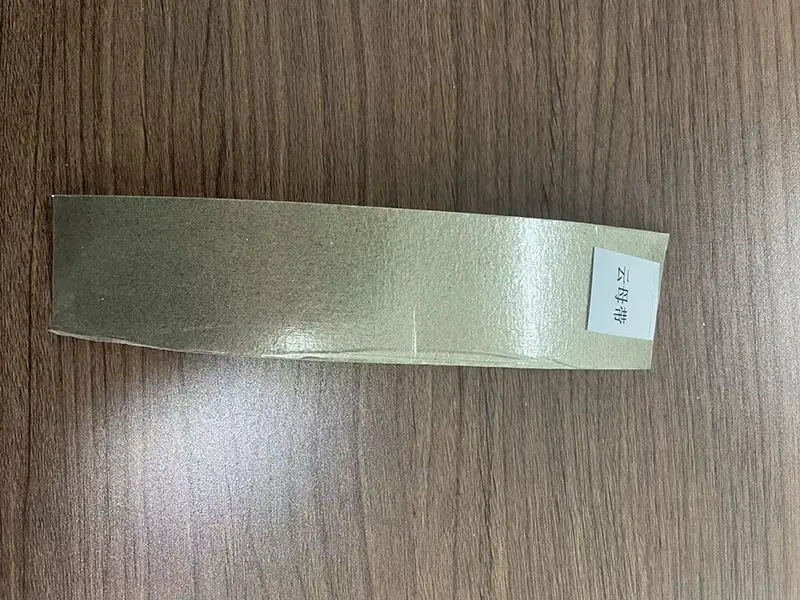
The mica tape forms the fire-resistant part of the cable construction. Under the specified fire-test conditions, the inorganic mica material provides a heat-resistant barrier around the conductor and helps maintain electrical insulation when the outer polymeric materials are exposed to high temperature. The actual fire-integrity performance should be verified against the applicable product test report and test method.
XLPE, or cross-linked polyethylene, is used as the primary insulation around the conductor. The supplied product specification gives a maximum long-term conductor operating temperature of 90 °C. XLPE is commonly selected for power cables where higher operating temperature capability and resistance to thermal ageing are required compared with conventional PVC insulation.
The outer PVC sheath protects the internal cable layers during transportation, laying and normal service. For outdoor applications, the sheath formulation should be matched to the required UV, moisture and environmental exposure. For underground installation, soil conditions, mechanical protection and water exposure also need to be considered rather than assuming that all burial environments are equivalent.
For fire-related power circuits, the relevant performance is not limited to flame propagation. A fire-resistant cable is evaluated according to whether the circuit can maintain electrical continuity under a defined fire test. Normal electrical characteristics, insulation performance, conductor resistance and installation conditions remain important during everyday operation.
The supplied product information specifies a fire-resistance test condition of 750 °C for 90 minutes. This should be treated as a product-specific test condition rather than a universal prediction of cable behavior in every fire. When the cable is submitted for a construction project, the corresponding fire-test report, test method and required circuit-integrity duration should be checked against the project specification.
The technical table lists DC resistance values for the applicable aluminum conductor sizes and provides separate ampacity figures for installation in air and direct-buried soil. These values should be interpreted together with ambient temperature, cable grouping, soil thermal conditions, installation depth, route length and allowable voltage drop.
The listed test voltage is 3.5 kV for 5 minutes according to the supplied product data. Withstand-voltage testing provides a defined check of the cable insulation system. The applicable manufacturing standard and project testing requirements should be confirmed before final approval.
Cable selection should begin with the electrical load and installation environment rather than the nominal conductor size alone. For emergency or fire-related circuits, the required fire-resistance duration and applicable building or electrical requirements should also be established before ordering.
The conductor cross-section should be checked against operating current, voltage drop, route length and installation conditions. For longer routes, voltage drop may determine the required conductor size even when the calculated ampacity is sufficient. The values in the technical table are product reference data and should be used with the applicable cable-sizing method.
When installed in cable trays, shafts or similar routes, cable spacing, bending radius, ambient temperature and mechanical protection should be considered. During pulling, the cable should be protected from sharp edges and excessive mechanical force that could damage the sheath or internal fire-resistant layers.
For outdoor overhead routes, the sheath should be suitable for the expected UV exposure and weather conditions. Support spacing, cable weight, mechanical loading and ambient temperature should be considered during installation. Additional protection may be required where the cable is exposed to mechanical impact or other site-specific hazards.
Where direct burial is permitted by the cable construction and project specification, trench depth, soil thermal characteristics, drainage, cable spacing and mechanical protection should be reviewed. The direct-buried ampacity figures in the table are reference values and should not replace a project-specific cable calculation.
Aluminum conductors require terminals, lugs or connectors suitable for aluminum conductors and the specified electrical load. Correct stripping, conductor preparation, compression and joint protection are important because a poorly prepared connection can increase contact resistance and cause localized heating. The termination method should follow the connector manufacturer's installation requirements.
Aluminum XLPE Fire Resistant Power Cable can be considered for low-voltage circuits where continued electrical operation during a defined fire condition is part of the project requirement. Typical applications include emergency power distribution, selected fire-related loads, public buildings, industrial facilities and underground distribution routes.
Applications may include designated emergency power circuits, fire pumps, emergency lighting and other loads identified by the electrical and fire-protection design. The required fire-resistance duration should be confirmed from the project specification rather than selected only from the product name.
Hospitals, schools, shopping centers, office buildings and other public facilities may contain circuits that require defined fire-performance characteristics. The cable type, conductor size and fire rating should be selected according to the building's electrical design, evacuation strategy and applicable local regulations.
The aluminum conductor option can be considered for longer low-voltage distribution routes in industrial facilities, municipal projects and other installations where conductor weight is an engineering consideration. Load current, voltage drop, route conditions and installation method should be checked before specifying the cable.
The larger conductor sizes listed in the product table can be used as a reference when evaluating underground distribution routes. Cable trenches and buried installations require attention to soil conditions, drainage, mechanical protection and thermal dissipation. Long-term water immersion should not be assumed to be acceptable without specific product approval.
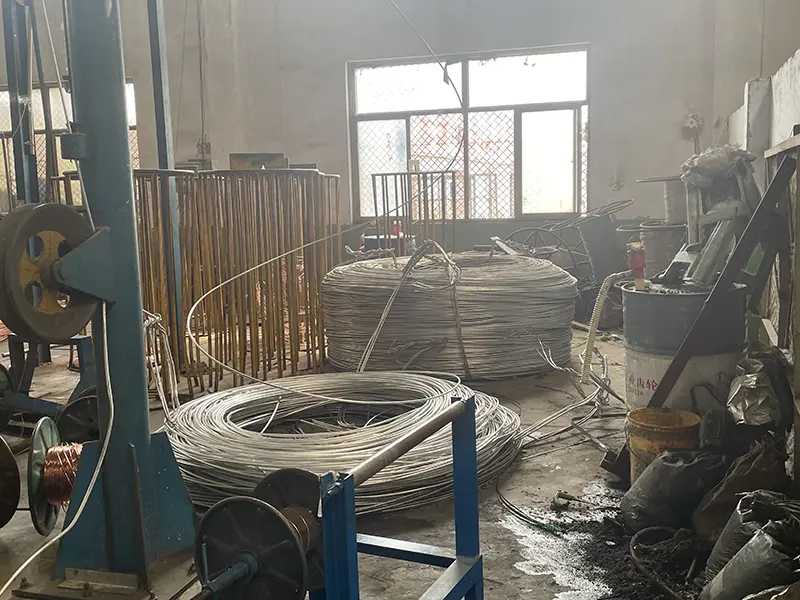
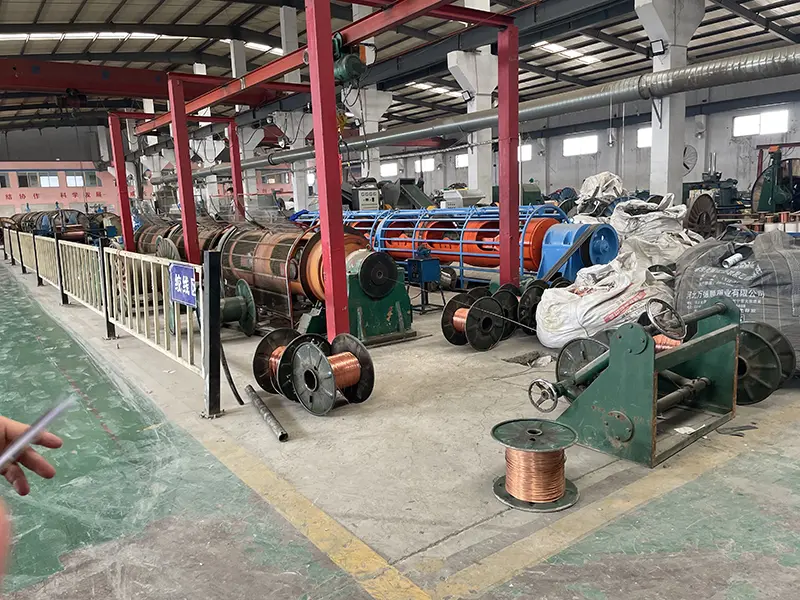
Qiancheng Cable manufactures the cable through its own production facilities and maintains testing capabilities for product inspection. Relevant production stages include conductor processing, insulation extrusion, application of the fire-resistant layer and outer sheath extrusion. Production and inspection records can provide supporting information for batch identification and product verification.

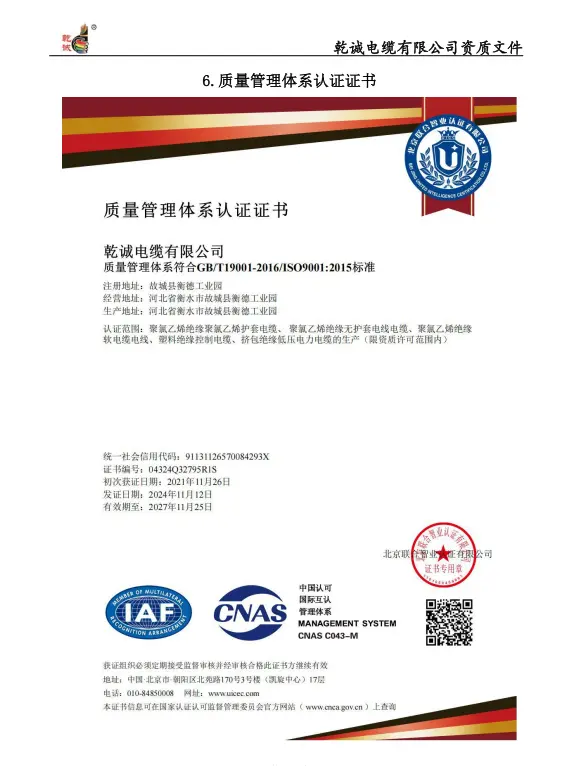
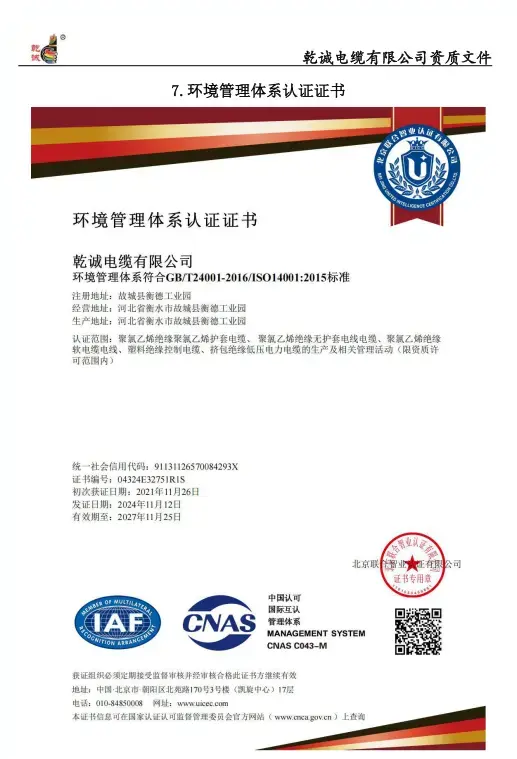
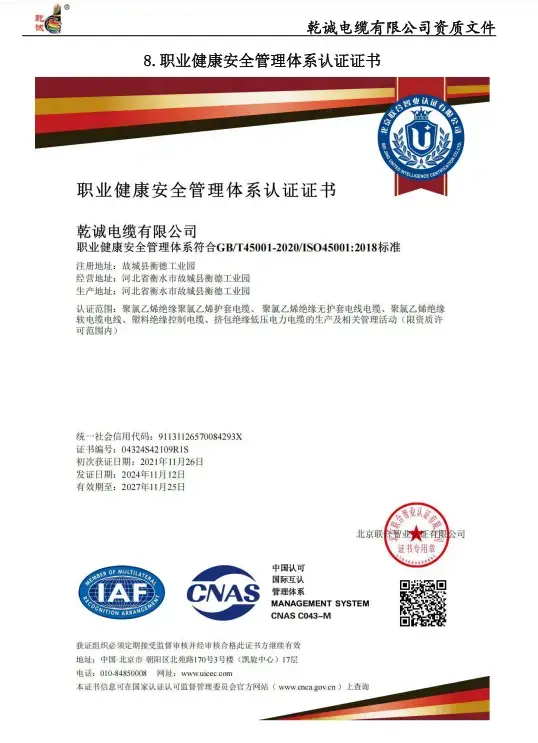
Available company documentation includes ISO 9001 quality management, ISO 14001 environmental management and ISO 45001 occupational health and safety certifications, together with the relevant production qualifications. Product-specific fire-test reports and electrical test records should be reviewed according to the requirements of the intended project.


The applicable standard depends on the cable construction, rated voltage, fire-performance requirement and destination market. The supplied product information references GB/T 12706 for power-cable construction, GB/T 19216 for fire-resistance testing, IEC 60502-1 for low-voltage power cables and IEC 60331 for circuit-integrity testing. The exact standard edition and test configuration should be confirmed for the specific product before it is submitted for approval.
For export projects, additional requirements may apply depending on the destination country and project specification. Where required, production and testing can be arranged according to applicable regional requirements, with the relevant technical documents and conformity documentation reviewed before shipment.
For a quotation or technical review, it is useful to provide the required conductor cross-section, operating voltage, estimated load current, cable length, installation method, ambient or soil conditions, cable grouping and allowable voltage drop. For fire-related circuits, the required fire-test temperature, duration and applicable test standard should also be stated.
Where project approval is required, the purchaser can request the product specification, technical data, electrical test records, fire-test documentation and company qualification certificates applicable to the supplied cable. Reviewing these documents before production helps ensure that the selected construction matches the project requirement.
Flame retardancy mainly concerns limiting the spread of flame along the cable. Fire resistance concerns the ability of the specified cable construction to maintain electrical circuit integrity for a defined period under a defined fire test. The two properties should not be treated as interchangeable.
The supplied product information specifies a 750 °C fire test for 90 minutes. This is a defined test condition for the specified cable construction. The applicable test report should be checked to confirm the test method, cable configuration and circuit-integrity requirements before project approval.
Aluminum has a lower density than copper, which can reduce cable weight and may be useful on longer routes or where installation handling is a consideration. Its higher electrical resistivity means that conductor sizing and voltage-drop calculations need to account for the properties of aluminum.
The product can be considered for outdoor overhead routes, cable trenches and specified direct-burial installations where the cable construction and project requirements permit these methods. UV exposure, soil conditions, drainage, mechanical protection and thermal dissipation should be evaluated for the actual installation.
Use terminals, lugs or connectors approved for aluminum conductors and suitable for the operating load. Proper stripping, preparation, compression and joint protection are important to control contact resistance and localized heating.
Depending on the product specification and project requirements, technical data, electrical test records, fire-test documentation and company qualification certificates can be provided for review. The applicable documents should correspond to the actual cable construction and required test standard.
Address
Qiancheng Cable Co., Ltd., Hengde Industrial Park, Gucheng County, Hengshui City, Hebei Province, China
Tel
Looking for the right cable for a project or application? Send your requirements to Qiancheng Cable for product selection and quotation. You can provide the cable type, voltage rating, conductor material, cross-section, core number, insulation, application and required quantity.
Whether you need standard cables or specification-based production, our team can review your requirements and recommend suitable product options from our manufacturing range.