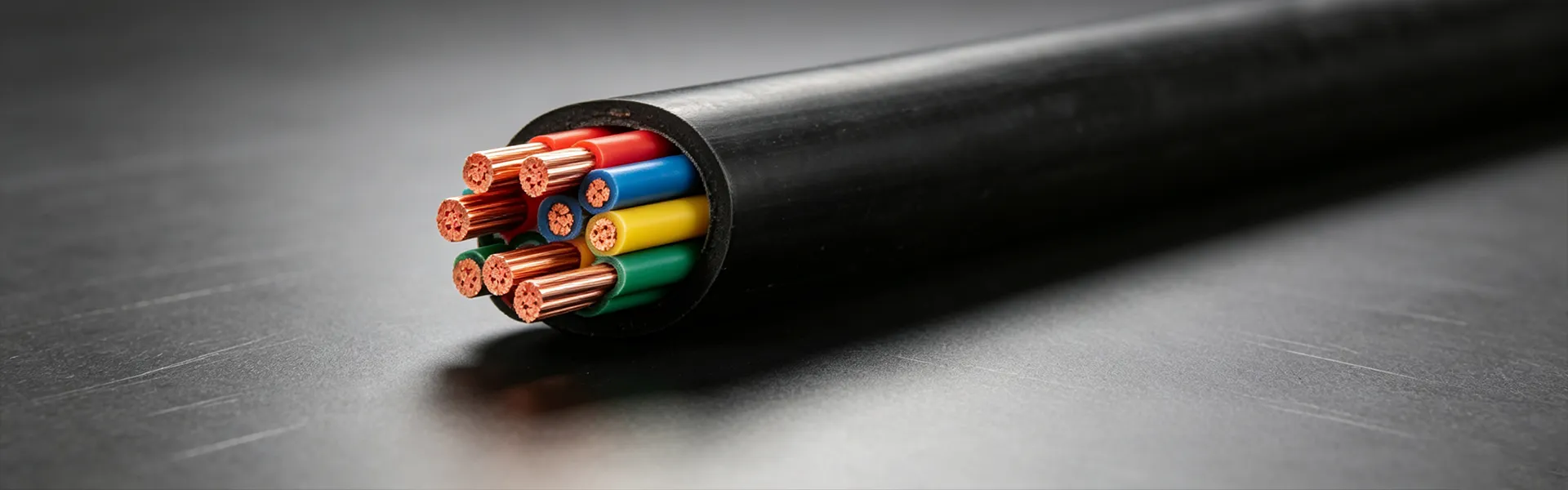
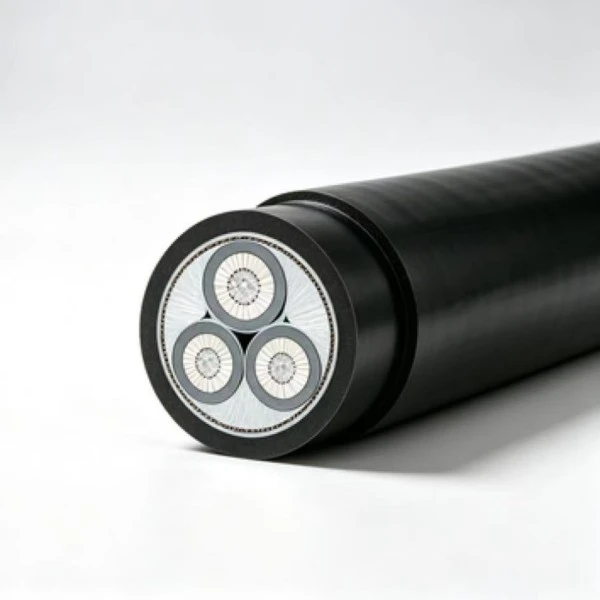
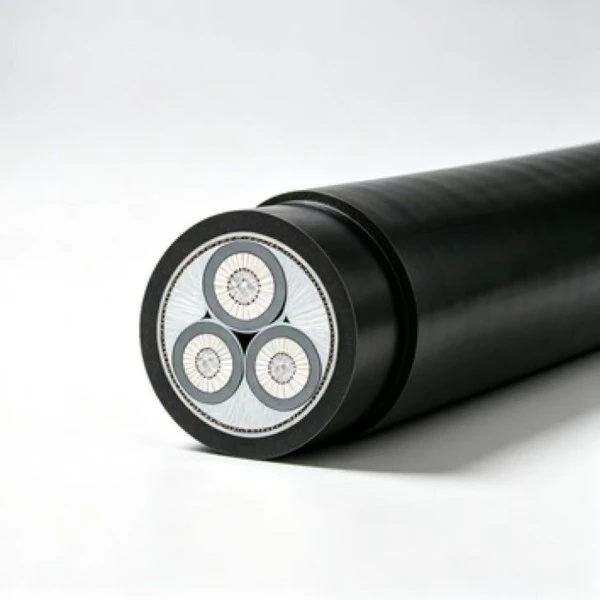
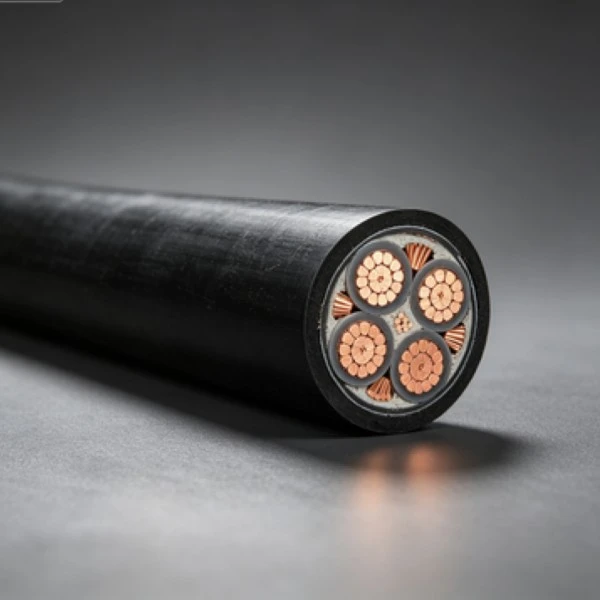
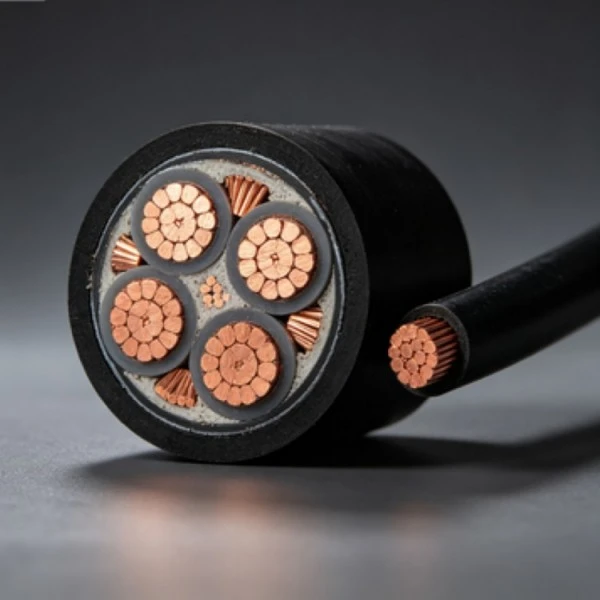
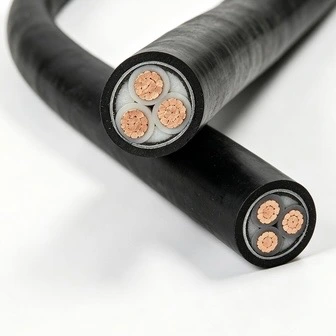
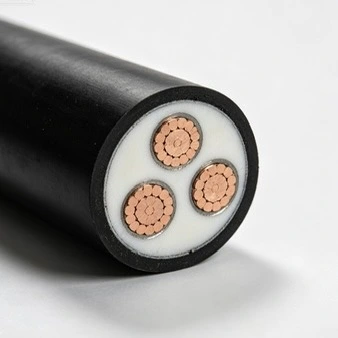
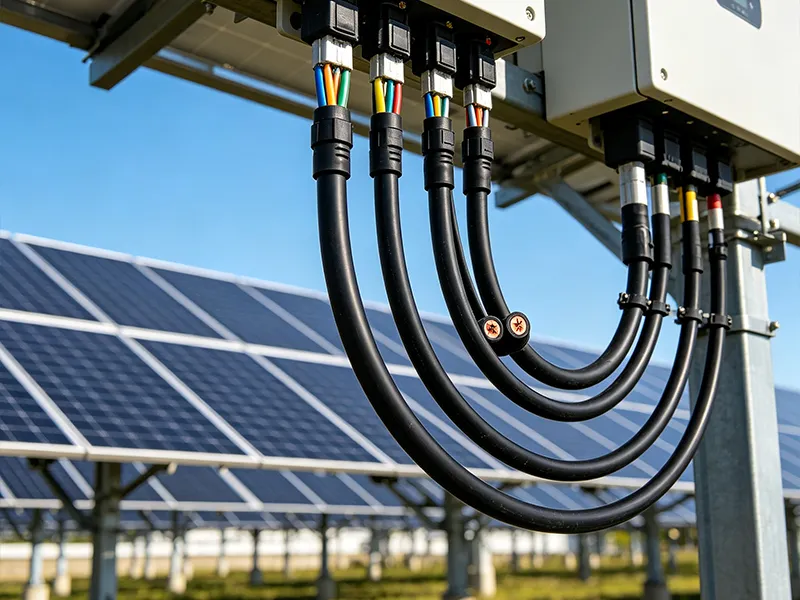
Medium Voltage Power Cables are used for power transmission and distribution in medium-voltage networks, including utility grids, industrial facilities and renewable energy installations. Qiancheng supplies XLPE insulated cables in 6/10kV and 12/20kV ratings, with copper or aluminium conductors and different core and armour configurations.
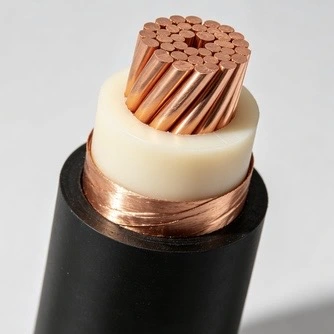
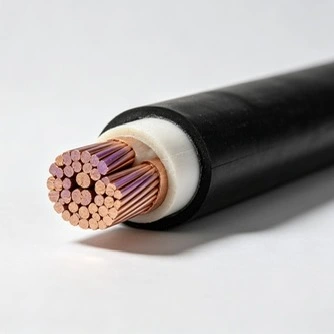
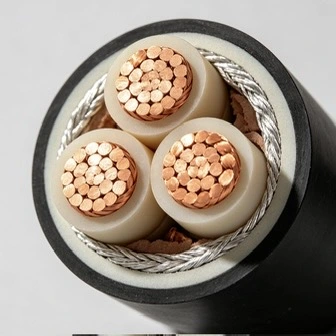
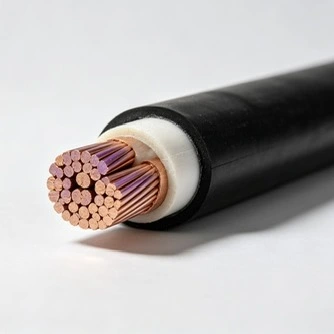
A typical medium-voltage cable consists of a conductor, conductor screen, XLPE insulation and insulation screen. The semiconductor screens help control the electric field around the insulation, while the XLPE layer provides the main electrical insulation. Steel tape or steel wire armour can be added where additional mechanical protection is required.
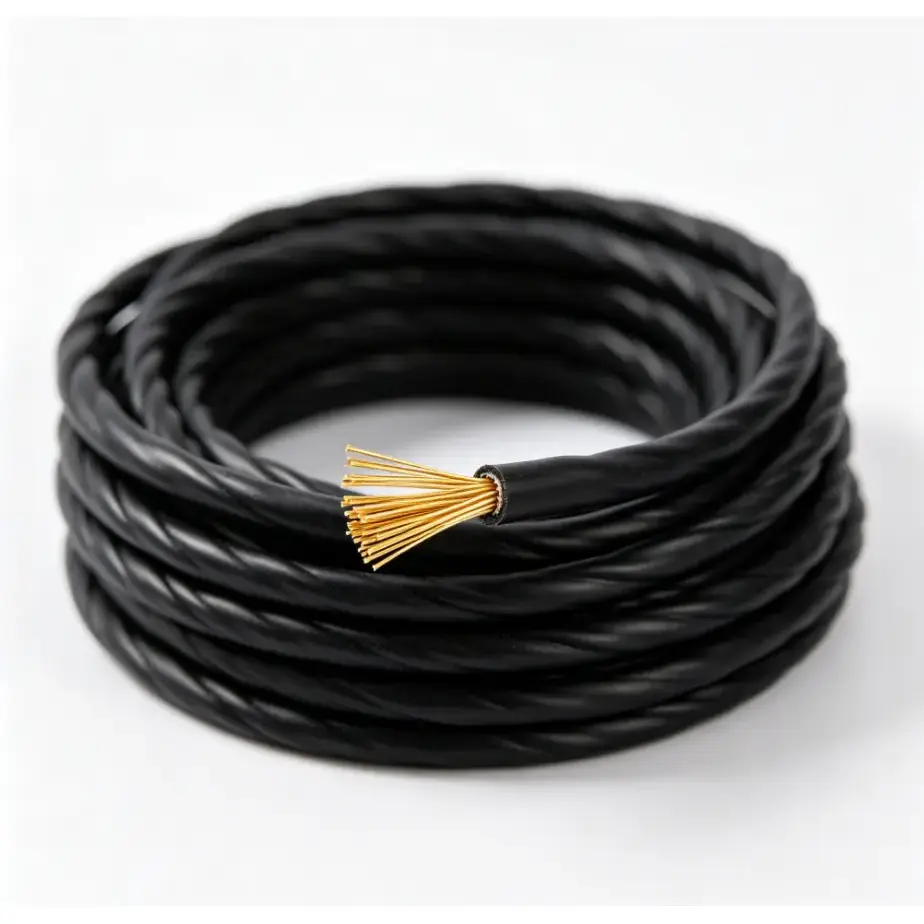
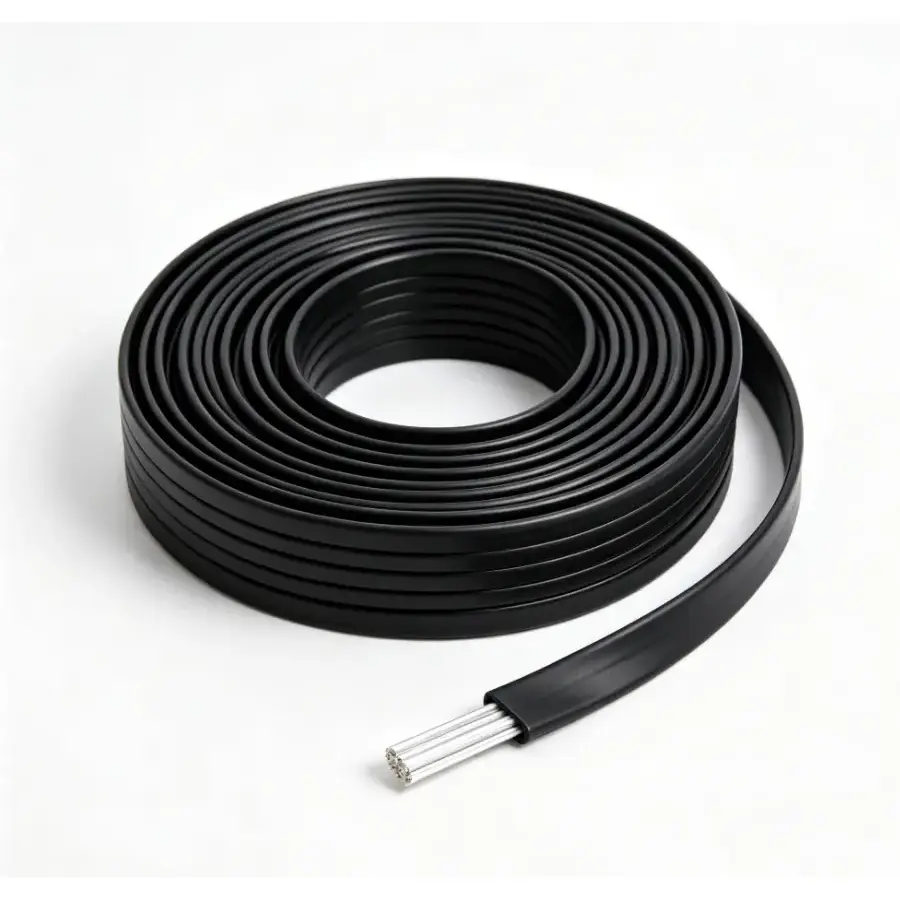
Copper and aluminium conductors are available for different electrical and installation requirements. Copper offers higher electrical conductivity, while aluminium provides lower conductor weight and can be suitable where cable weight and material cost are important considerations.
Medium Voltage Cable Product Range
|
Product Name
|
Specifications Available
|
Voltage Ratings
|
Configurations
|
|
Medium Voltage Power Cable
|
16/25/35/50/70/95/120/150/185/240/300/400/500/630/800mm²
|
6/10kV, 12/20kV
|
Single-core, 3-core, steel tape armoured, steel wire armoured, non-armoured, copper / aluminium conductor
|
Medium Voltage XLPE Cable Construction
The conductor is made from stranded copper or aluminium and is covered by a conductor screen, XLPE insulation and an insulation screen. This screened construction helps control the electric field around the insulation and provides the electrical insulation required for medium-voltage operation.
For applicable XLPE cable designs, the conductor operating temperature can reach up to 90°C under normal operating conditions, with a permissible short-circuit conductor temperature of up to 250°C for the specified short-circuit duration.
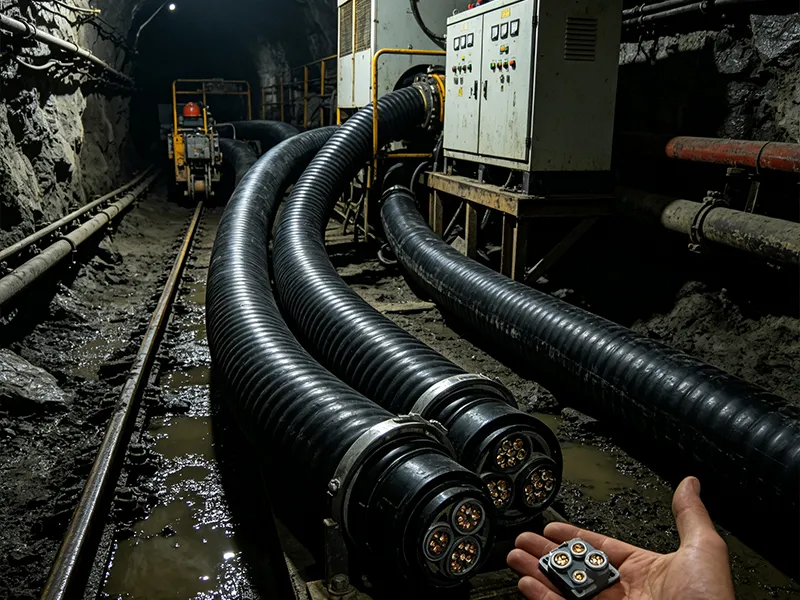
The cable can be supplied with or without armour. Steel tape and steel wire provide different levels of mechanical protection and are selected according to the cable design and installation requirements.
Where Are Medium Voltage Power Cables Used?
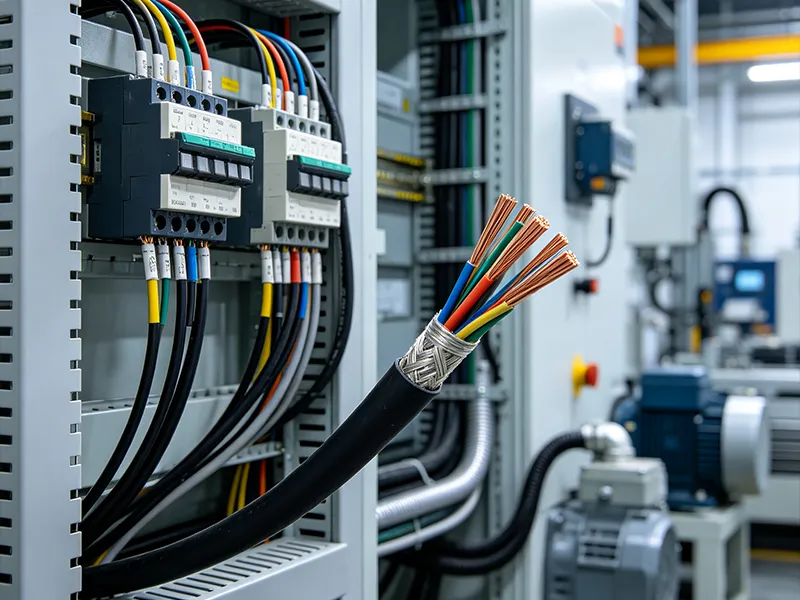
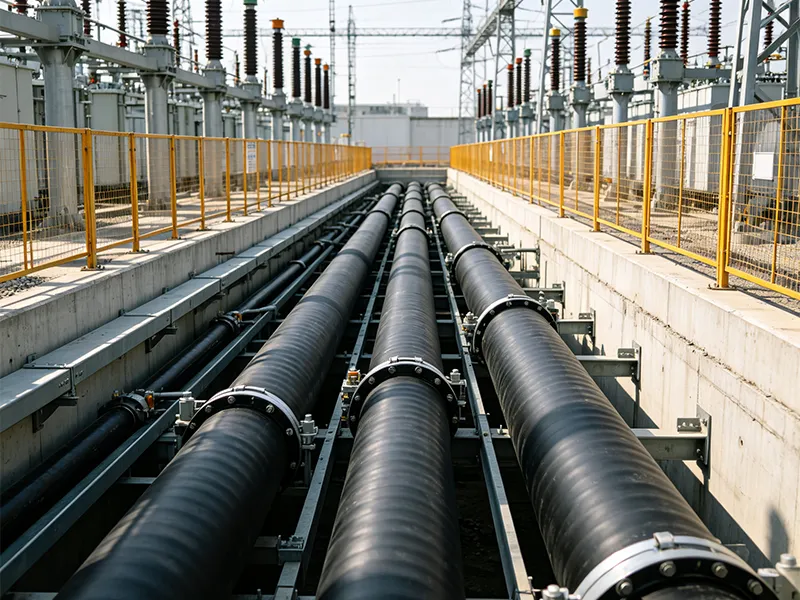
Medium-voltage cables are used to connect substations, distribution equipment and electrical loads within medium-voltage systems. Typical applications include:
-
Utility Distribution Networks: Connections between substations, distribution equipment and medium-voltage feeders.
-
Industrial Facilities: Power distribution for factories, processing plants, motors and other large electrical equipment.
-
Wind and Solar Projects: Medium-voltage collection and distribution connections within renewable energy installations.
-
Infrastructure Projects: Power distribution for tunnels, transportation facilities and other large electrical systems.
Installation Methods and Cable Protection
The cable construction should match the mechanical and environmental conditions at the installation site. Non-armoured cables can be used where the installation system provides sufficient mechanical protection, such as suitable cable trays or ducts. Armoured constructions are used where the cable is exposed to greater mechanical stress or requires additional protection.
For underground, direct-buried, tunnel and tray installations, cable selection should take account of bending radius, cable spacing, ambient temperature, thermal conditions and mechanical loads. The required armour type depends on the installation method and level of external protection available.
Which Standards Apply to These Cables?
The applicable standard depends on the cable design, voltage rating, destination market and project requirements. Relevant standards for the medium-voltage cable range include:
|
Product
|
Applicable Standards
|
|
Medium Voltage Power Cables
|
IEC 60502-2, BS 7835, AS/NZS 1429.1
|
Where a project requires a specific national or international standard, the cable construction and corresponding test requirements should be confirmed before production.
What Tests Are Performed Before Shipment?
Finished medium-voltage cables undergo dimensional and electrical checks according to the applicable product requirements. Qiancheng performs dimensional inspection, partial discharge testing and power-frequency withstand voltage testing for applicable products before shipment.
Partial discharge testing is used to check the insulation system for localized electrical discharge, while power-frequency withstand testing verifies the insulation under the specified test voltage. The test method and acceptance requirements depend on the applicable cable standard and product specification.
CE certification and relevant test reports from qualified testing organizations can be provided for applicable products according to project or market requirements.
How to Select a Medium Voltage Cable?
Cable selection should be based on the electrical system and installation conditions rather than voltage rating alone. The main factors include rated voltage, conductor material, conductor cross-section, core configuration, load current, short-circuit requirements, installation method and environmental conditions.
Copper or aluminium should be selected according to electrical requirements, cable weight and project cost. The conductor cross-section should be checked against current-carrying capacity, permissible voltage drop and installation conditions. For underground or direct-buried applications, thermal conditions and mechanical protection also need to be considered.
Armoured or non-armoured construction should be selected according to the level of mechanical protection required at the installation site. The final specification should also be checked against the applicable national or international standard before production.
Service Life and Quality Considerations
XLPE insulated medium-voltage cables can provide long-term service when correctly selected, installed and operated within their specified electrical and environmental limits. Under suitable laying conditions and permissible operating loads, a service life of approximately 40–50 years may be achievable. Actual service life depends on operating temperature, load profile, installation environment, moisture, mechanical stress and installation quality.
Qiancheng provides a 15-year quality guarantee for normal use under the applicable product and installation conditions.