Products
8.7/15kV XLPE Insulated Power Cable
  • 8.7/15kV XLPE Insulated Power Cable8.7/15kV XLPE Insulated Power Cable
  • 8.7/15kV XLPE Insulated Power Cable8.7/15kV XLPE Insulated Power Cable

8.7/15kV XLPE Insulated Power Cable

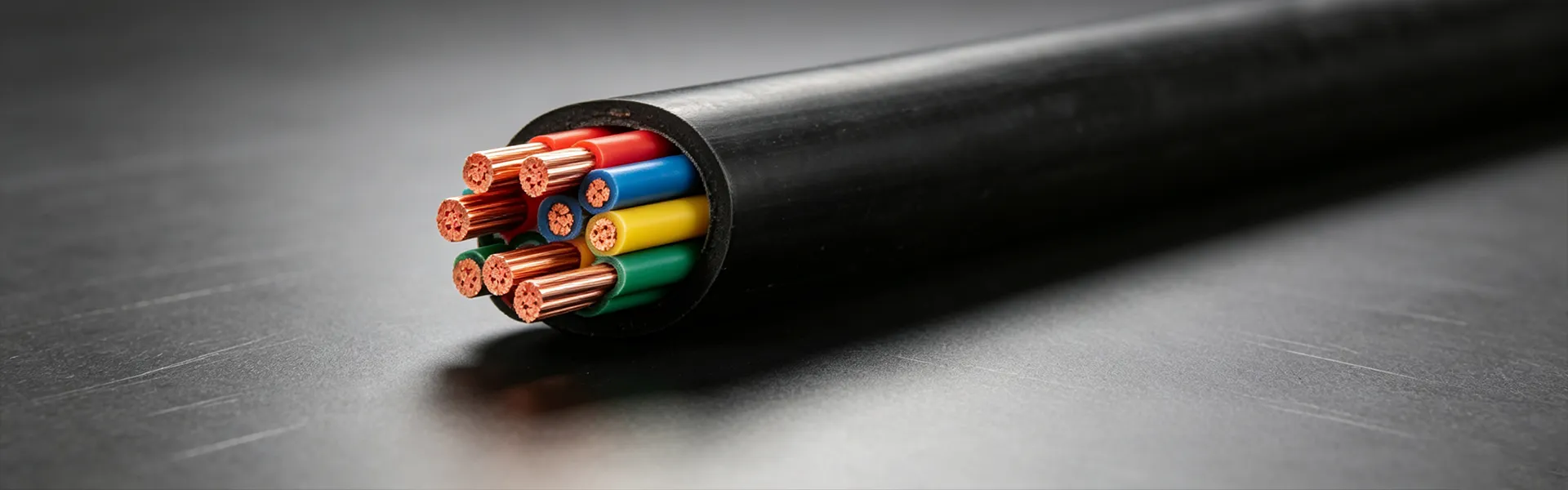
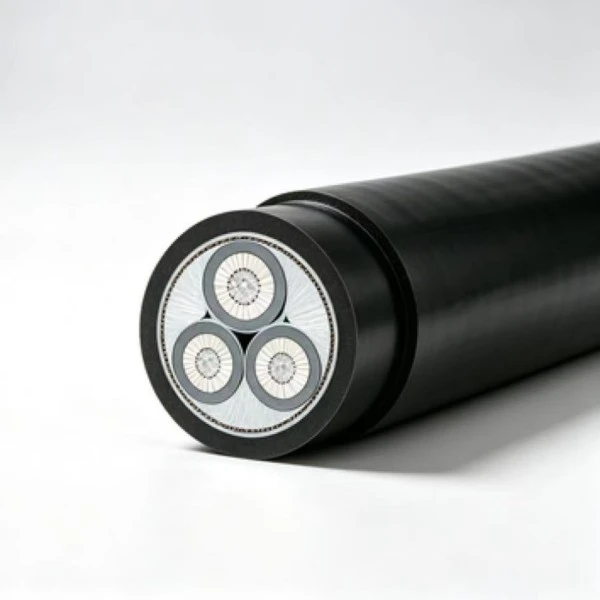
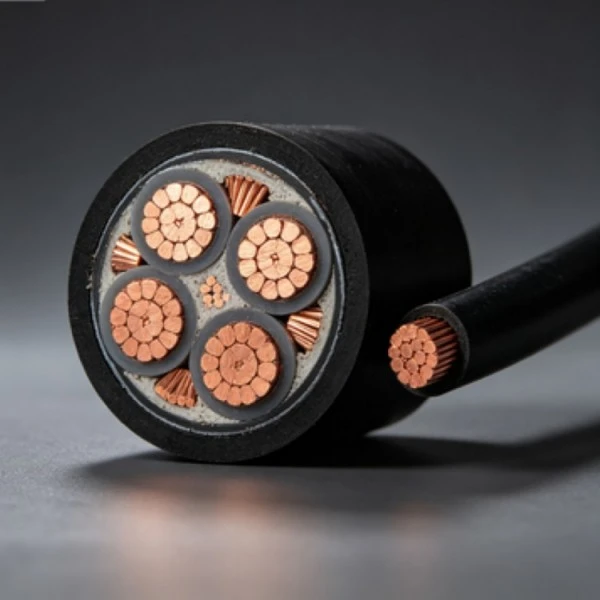
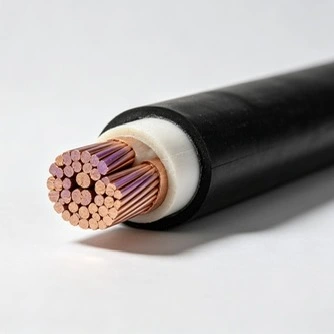
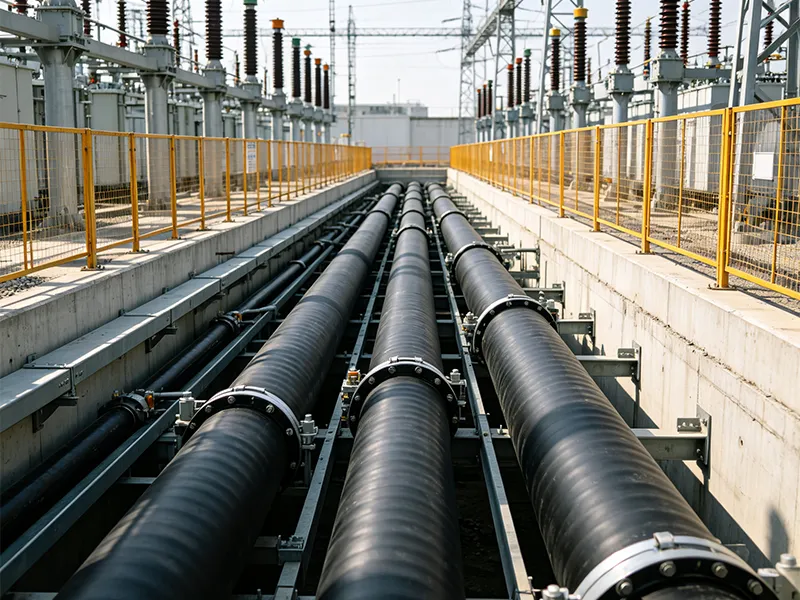
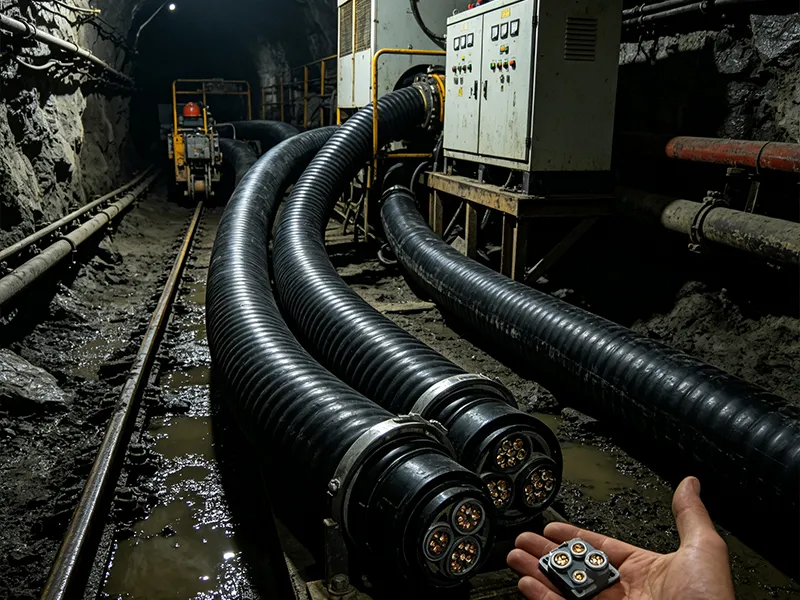
For medium-voltage cable procurement of 15 kV power-distribution projects such as substations, mines and rail transit, Qiancheng 8.7/15kV XLPE Insulated Power Cable is available. Supplied directly from source factory, halogen-free low-smoke customization is supported.

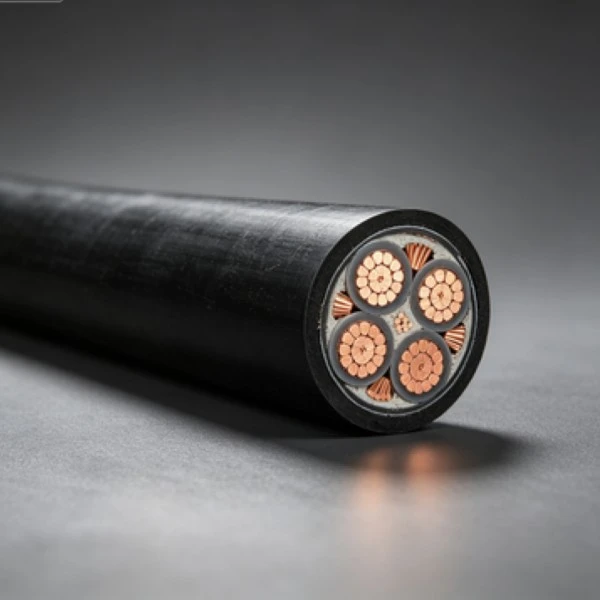
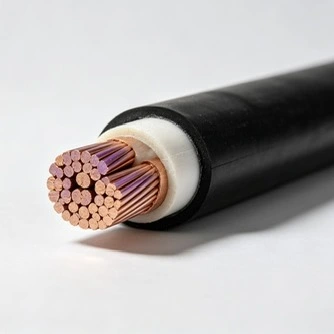
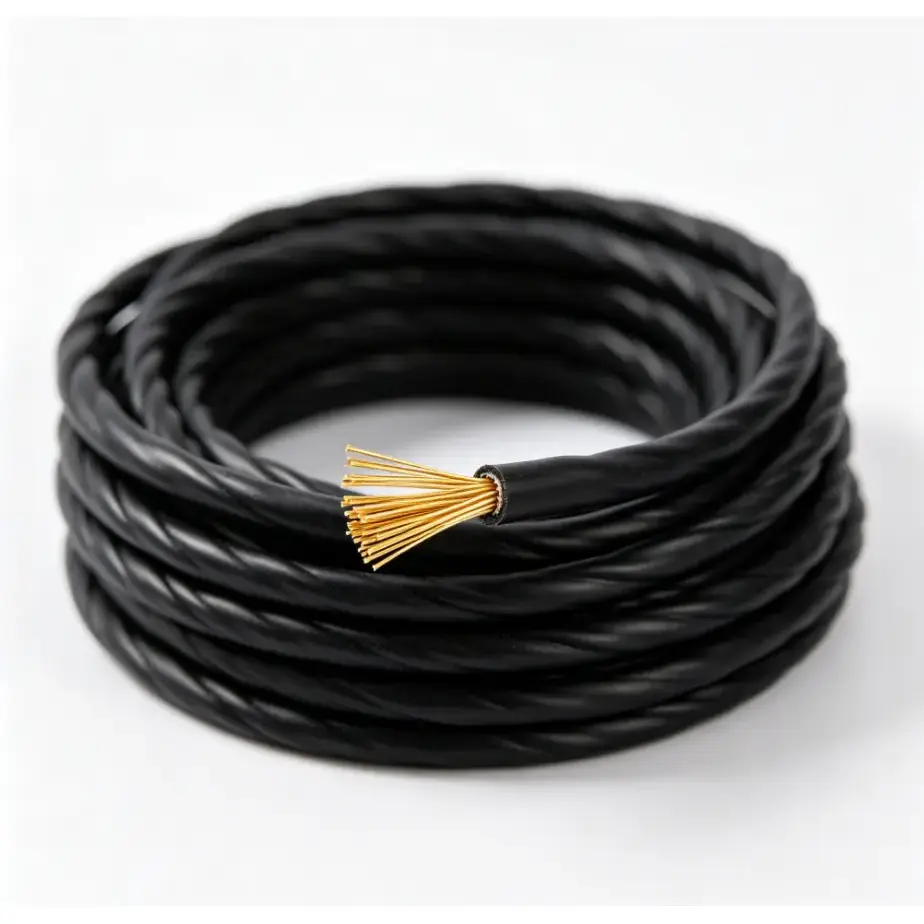
Qiancheng 8.7/15kV XLPE Insulated Power Cable is used in 15kV-class medium-voltage power distribution systems, including new installations, network upgrades and industrial power projects. The product range covers copper and aluminum conductor options, different cross-sectional areas and armored or non-armored constructions. Qiancheng maintains in-house testing and production records to support inspection, batch identification and product traceability.

8.7/15kV XLPE Insulated Power Cable8.7/15kV XLPE Insulated Power Cable

Construction and Product Features

XLPE Insulation and Electrical Performance

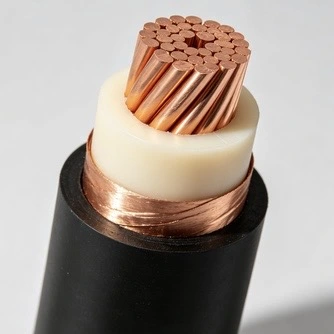
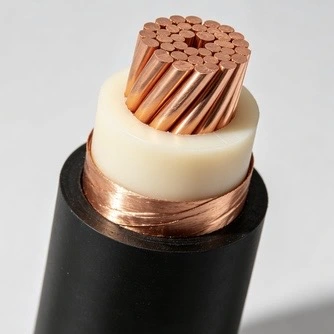
XLPE insulation has lower dielectric loss than conventional PVC insulation and is widely used in medium-voltage cable systems. Its cross-linked structure provides the thermal and electrical characteristics required for continuous operation at the specified voltage level. The supplied production data specifies an insulation thickness tolerance of ±0.05 mm, while the actual tolerance and test requirements should be verified against the applicable product specification.

Metallic Shielding for Medium-Voltage Operation

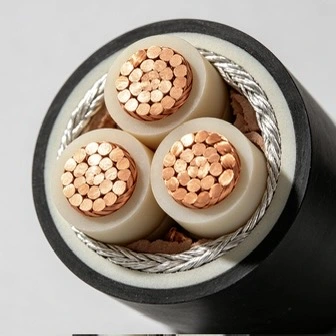
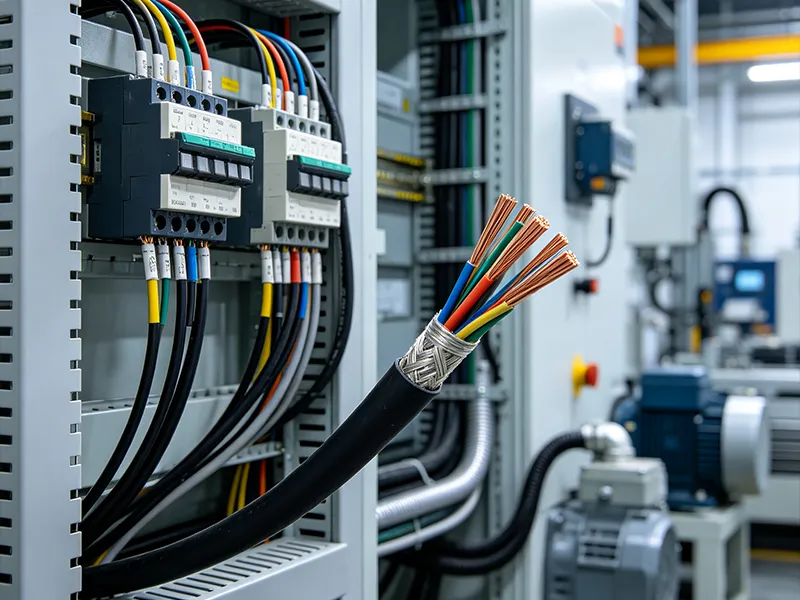
The cable incorporates a double copper-tape shielding structure with a specified lap rate of ≥25%. The metallic screen forms part of the cable's electric-field control system and provides a defined path for fault-related current according to the selected construction. Partial-discharge and voltage-withstand testing can be included in finished-product inspection according to the applicable technical requirements.

Optional Halogen-Free Low-Smoke Construction

A halogen-free low-smoke sheath option can be specified where project fire-performance requirements call for reduced smoke and corrosive gas emissions during combustion. The supplied technical data states a light transmittance of ≥70% for the applicable test condition. For projects with specific fire-safety approval requirements, the required standard, test report and documentation should be confirmed before production.

Copper and Aluminum Conductor Options

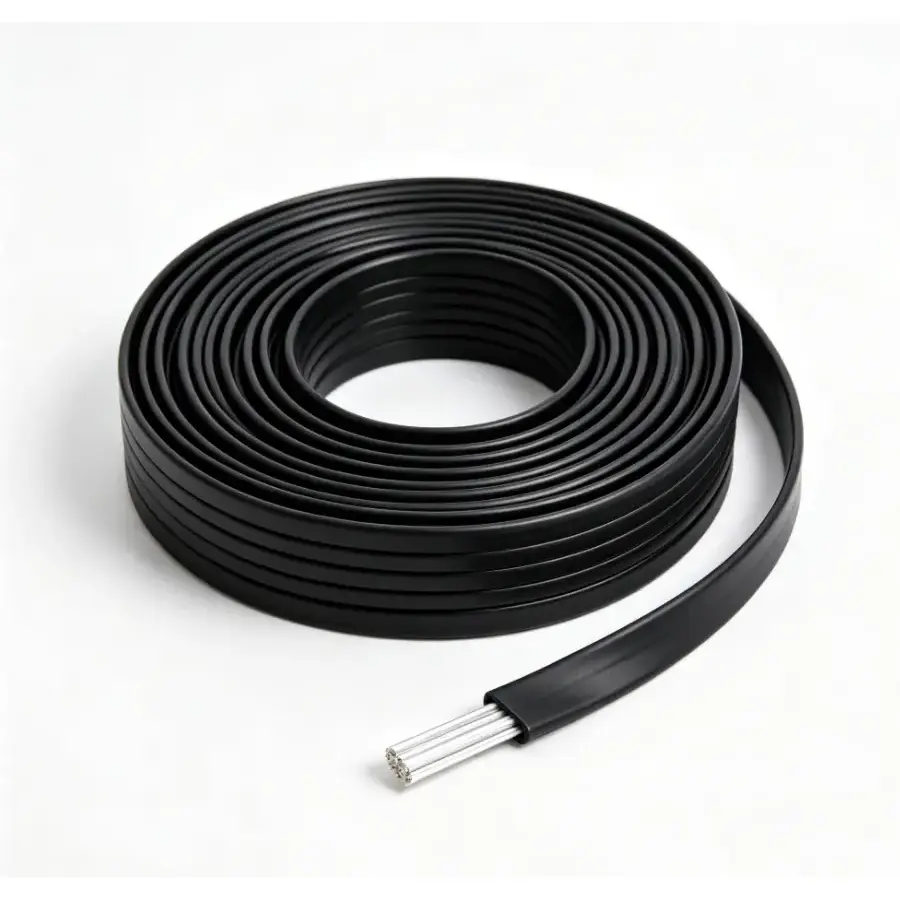
Copper and aluminum conductor constructions allow the cable to be matched to different electrical, installation and project-cost requirements. Copper provides higher electrical conductivity, while aluminum can reduce conductor weight and may be considered where cable weight and long-distance installation logistics are important. Final selection should take account of ampacity, voltage drop, cable length, installation conditions and termination requirements.

Range of Cross-sectional Areas

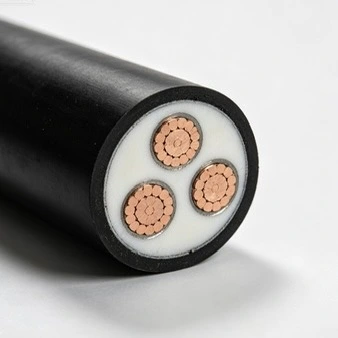
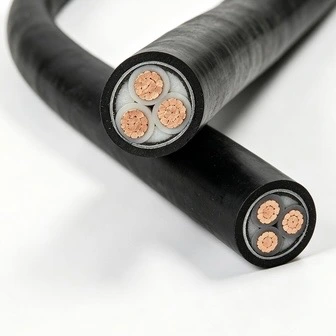
The listed specifications cover a broad range of conductor sizes, with the supplied data including single-core and three-core constructions. Availability, production length and conductor configuration should be confirmed according to the required specification. For project orders, the conductor material, cross-sectional area, core arrangement, sheath construction and cable length should be stated clearly in the inquiry.

Outdoor and Direct-Buried Installation Options

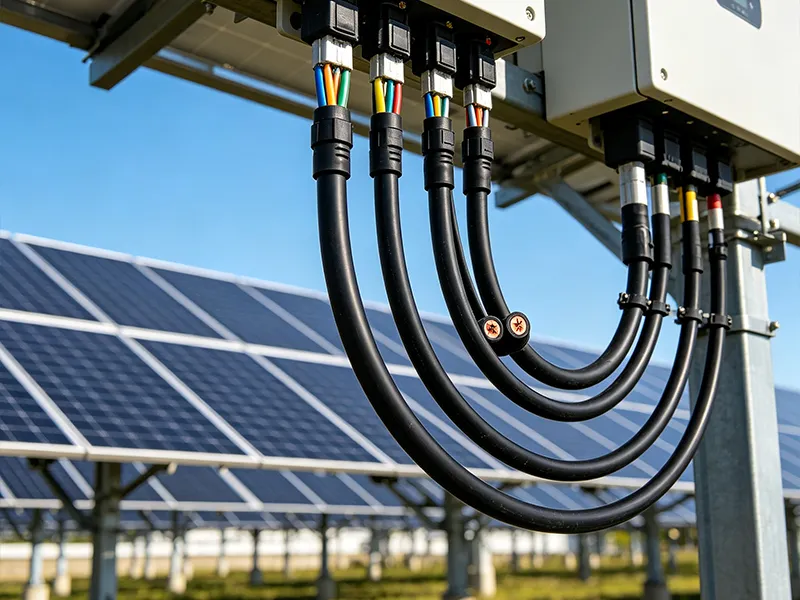
The cable can be supplied in constructions for cable trays, tunnels, trenches and direct-buried applications. Where additional mechanical protection is required, an armored construction can be considered. Sheath material, soil conditions, UV exposure, moisture, chemical contact and external mechanical loads should be reviewed together rather than selecting the cable only by voltage rating.

Production and Quality Inspection

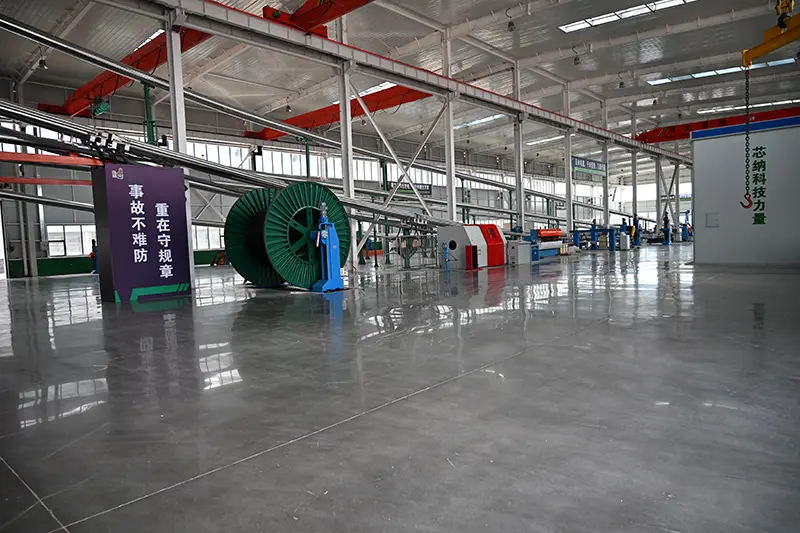
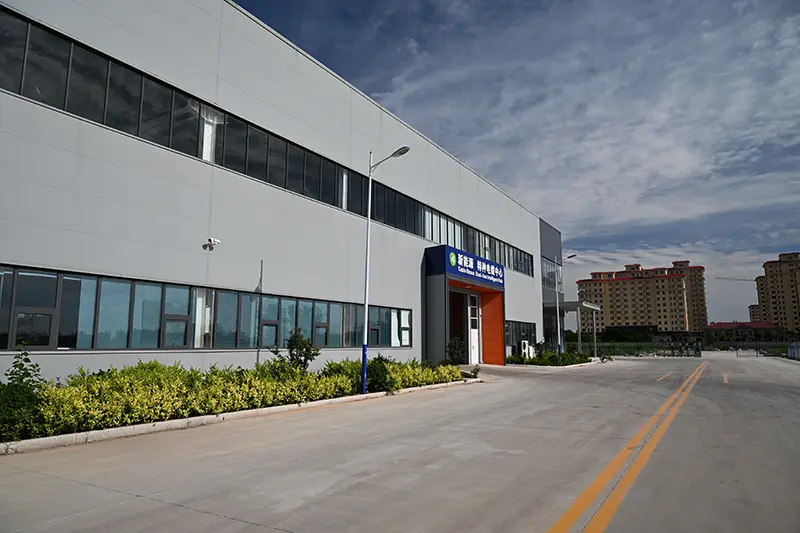
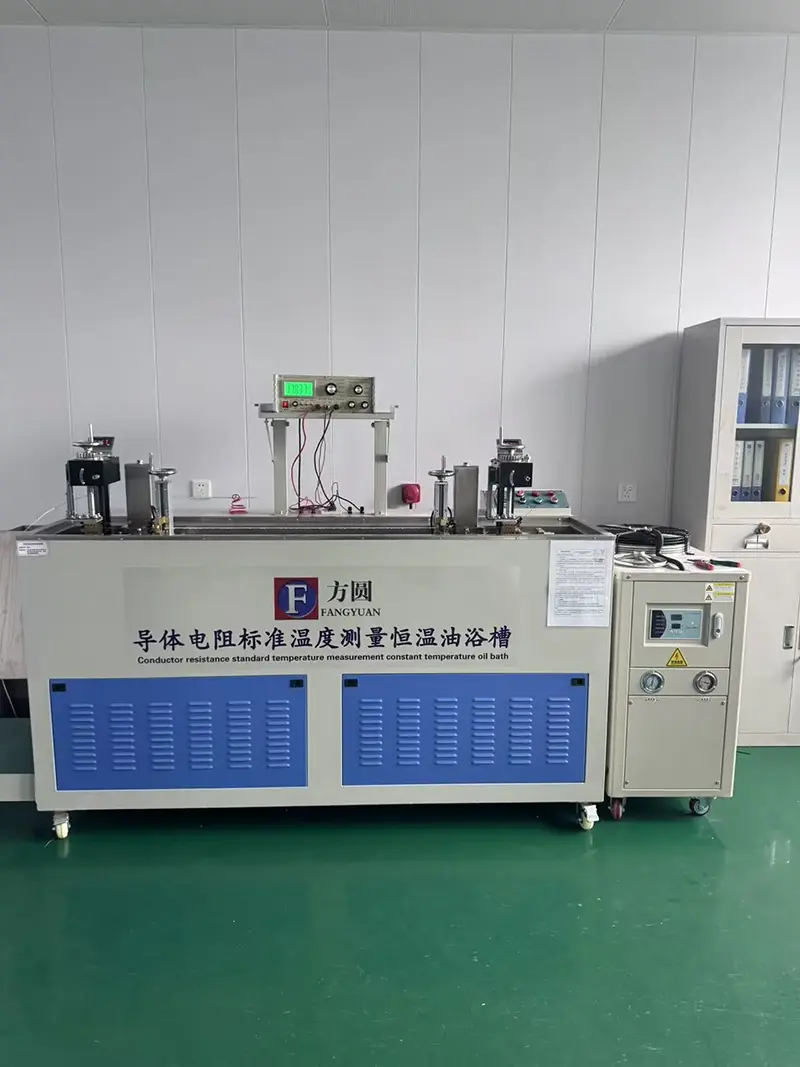
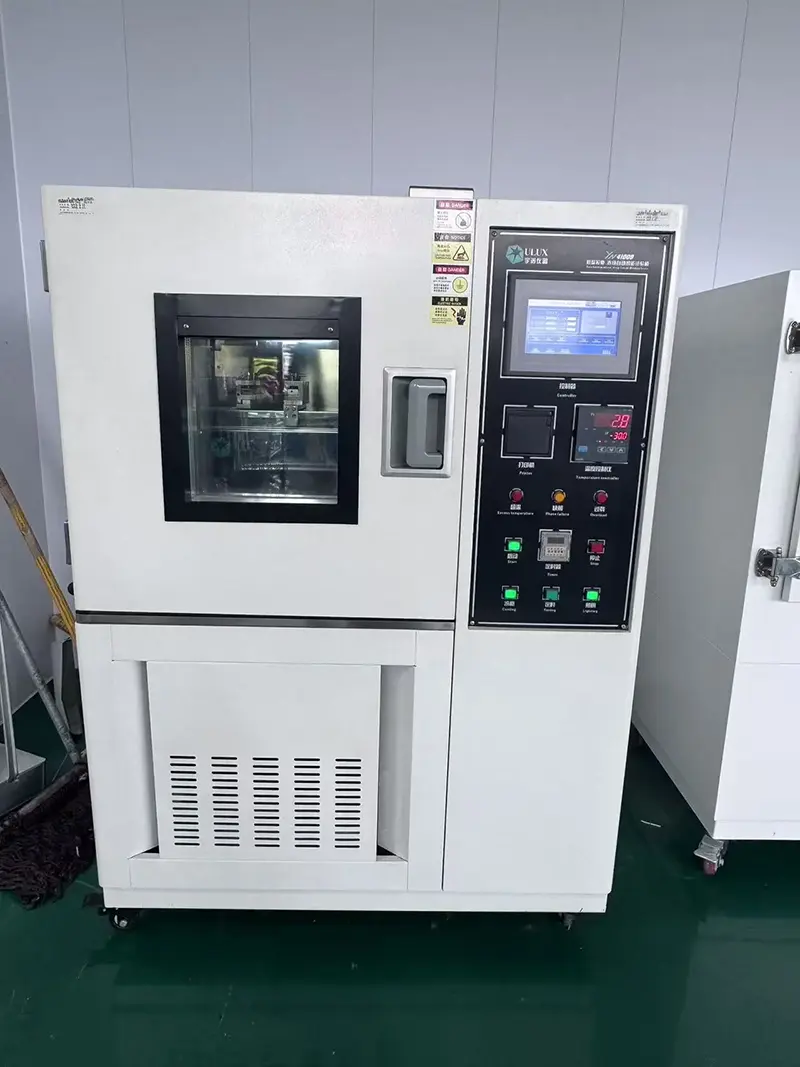
Qiancheng maintains production and testing records for cable products, with inspection covering relevant electrical and dimensional requirements according to the selected specification. Depending on the order, inspection documentation can include conductor resistance, insulation-related tests, voltage withstand results and other specified test records. Batch identification supports traceability between the finished cable and its production documentation.

8.7/15kV XLPE Insulated Power Cable8.7/15kV XLPE Insulated Power Cable

Product Specifications and Technical Parameters

Nominal Conductor Cross-sectional Area (mm²)

Insulation Thickness (mm)

Sheath Thickness (mm)

Approximate Cable Outer Diameter (mm)

DC Resistance of Cu Conductor (Ω/km)

DC Resistance of Al Conductor (Ω/km)

Test Voltage (kV/5min)

Ampacity of Cu in Air (A)

Ampacity of Al in Air (A)

Ampacity of Cu in Direct-buried Soil (A)

Ampacity of Al in Direct-buried Soil (A)

1×251×35

4.54.5

1.81.8

2324

≤0.727≤0.524

≤1.20≤0.868

30.530.5

140170

110135

150180

115135

1×501×70

4.54.5

1.91.9

2527

≤0.387≤0.268

≤0.641≤0.443

30.530.5

205260

160200

215265

160200

1×951×120

4.54.5

2.02.0

2930

≤0.193≤0.153

≤0.320≤0.253

30.530.5

315360

245280

315360

240270

1×1501×185

4.54.5

2.12.1

3234

≤0.124≤0.0991

≤0.206≤0.164

30.530.5

410470

320365

405455

305345

1×2401×300

4.54.5

2.22.4

3639

≤0.0754≤0.0601

≤0.125≤0.100

30.530.5

555640

435500

530595

400455

1×4001×500

4.54.5

2.42.5

4245

≤0.0470≤0.0366

≤0.0778≤0.0605

30.530.5

745885

585680

680765

520595

1×6301×800

4.54.5

2.52.7

5055

≤0.0283≤0.0221

≤0.0469≤0.0367

30.530.5

9801100

790910

860950

680765

1×10003×25

4.54.5

2.92.8

5950

≤0.0176≤0.727

≤0.0291≤1.20

30.530.5

1230120

103090

1040125

850100

3×353×50

4.54.5

2.92.9

5355

≤0.524≤0.387

≤0.868≤0.641

30.530.5

140165

110130

155180

120140

3×703×95

4.54.5

2.93.3

5863

≤0.268≤0.193

≤0.443≤0.320

30.530.5

210255

165200

220265

170210

3×1203×180

4.54.5

3.33.6

6670

≤0.153≤0.124

≤0.253≤0.206

30.530.5

290300

225225

300340

235260

3×1853×240

4.54.5

3.63.6

7479

≤0.0991≤0.0754

≤0.164≤0.125

30.530.5

375435

295345

380435

300345

3×3003×400

4.54.5

3.83.9

8489

≤0.0601≤0.0470

≤0.100≤0.0778

30.530.5

495565

390450

485520

390440

Engineering and Selection Considerations

Insulation and Electrical Reliability

Medium-voltage cable selection requires attention to insulation condition, electric-field control and the electrical test requirements applicable to the project. XLPE insulation and the metallic shielding system work together as part of the cable's insulation structure. For installations in humid or chemically exposed areas, the sheath material and environmental resistance should also be checked rather than relying on the voltage rating alone.

Fire-performance Requirements

For rail transit facilities, underground utility tunnels, hospitals and other enclosed infrastructure, fire-performance requirements may affect the choice of sheath construction. Where a halogen-free low-smoke cable is specified, the required smoke, flame and gas-emission test standards should be confirmed with the project specification before ordering.

Conductor Selection for Project Conditions

Copper and aluminum versions should be compared using actual electrical and installation parameters. Important factors include conductor resistance, permissible current, voltage drop, cable weight, route length, termination method and installation cost. The ampacity values in the technical table should be used together with the project's actual laying conditions because allowable current depends on installation and environmental factors.

Sample, Production and Inspection Consistency

For project procurement, the sample specification should match the final production specification in conductor material, cross-sectional area, core configuration, insulation, sheath and rated voltage. Batch inspection records provide a practical reference for checking finished products against the agreed technical requirements before shipment.

Documentation for Export and Project Acceptance

For overseas projects, the required technical documents should be identified before production. Depending on the contract and destination requirements, the document package may include product specifications, test reports, inspection records and certificates required by the project or applicable regulations. Chinese and English documentation can be prepared where required by the order.

Laying Methods

Laying Methods and Construction Notes

Qiancheng 8.7/15kV XLPE Insulated Power Cable can be installed on cable trays, in cable tunnels, cable trenches and conduits according to the selected construction. Direct burial can be considered where the soil and mechanical conditions are appropriate; armored construction is generally used when additional mechanical protection is required.

During installation, the specified minimum bending radius should be maintained and the cable should be protected from sharp edges and excessive pulling forces. Where the ambient temperature is below 0℃, the supplied installation requirement calls for cable preheating above 5℃ before laying. Single-core AC cables should not be installed separately in steel conduits because induced eddy-current heating can affect cable operation.

Application Scenarios

Industrial and Mining Power Distribution

Common applications include medium-voltage power distribution within mines, chemical plants and large industrial facilities. The final construction should be selected according to load, installation route, environmental exposure and the required level of mechanical protection.

Urban Transportation and Utility Infrastructure

Medium-voltage distribution networks in rail transit facilities and underground utility tunnels may require additional fire-performance considerations. Where project specifications call for reduced smoke and halogen-free materials, the corresponding sheath construction can be specified.

Utility and Substation Networks

The cable can be applied to medium-voltage distribution and transmission circuits associated with new substations, network renovation and regional power distribution. Conductor size and installation method should be matched to the calculated load and route conditions.

Public and Commercial Buildings

Hospitals, commercial complexes and other large buildings may use medium-voltage cable systems for internal or incoming power distribution. Fire-performance, routing space, mechanical protection and maintenance access should be considered together when determining the cable construction.

FAQ

Q1: What does the double copper-tape shield do in a medium-voltage cable?

A: The copper-tape shield forms part of the electric-field control and grounding system. The supplied specification gives a shield lap rate of ≥25%, while partial-discharge and voltage-withstand tests can be used to verify the electrical condition of the finished cable according to the applicable requirements.

Q2: Why is XLPE used instead of conventional PVC insulation for this voltage class?

A: XLPE has electrical and thermal characteristics that make it widely used in medium-voltage power cables, including lower dielectric loss and resistance to water-tree aging. The actual insulation performance should be evaluated together with the cable construction, test results and installation conditions.

Q3: When should a halogen-free low-smoke version be considered?

A: It can be considered where the project specification places particular emphasis on smoke generation, halogen content or corrosive combustion products. This is common in enclosed or densely occupied infrastructure. The applicable fire-performance standard and required test documentation should be confirmed before ordering.

Q4: Can the cable be installed in humid mines or chemical plants?

A: It can be considered for these environments when the selected sheath and cable construction match the actual conditions. Moisture, chemical exposure, temperature, soil conditions and mechanical loads should be reviewed during selection. The presence of XLPE insulation alone does not determine whether a cable is appropriate for every industrial environment.

Q5: When is armored construction required?

A: Armored construction is generally considered where the cable may experience additional mechanical forces, particularly in direct-buried installations. For cable trays, tunnels and protected trenches, a non-armored construction may be adequate when the installation conditions provide sufficient mechanical protection.

Q6: What conductor sizes and configurations are available?

A: The supplied technical table covers multiple single-core and three-core configurations with different copper and aluminum conductor sizes. The required conductor material, cross-sectional area, number of cores and cable length should be confirmed against the project load calculation and installation method.

Q7: How should copper and aluminum conductors be selected?

A: Copper and aluminum should be compared according to current-carrying capacity, conductor resistance, voltage drop, cable weight, route length, termination requirements and installation conditions. The current ratings in the table are reference values for the stated installation conditions and should not be treated as universal values for every project.

Q8: What should be checked before direct-buried installation?

A: Check the cable construction, armor requirement, soil conditions, burial route, mechanical protection, bending radius and applicable installation temperature. Sharp objects should be removed from the cable route, and the installation should follow the project's specified handling and testing procedures. For single-core AC cables, the arrangement inside metallic conduits should also be reviewed to avoid excessive induced heating.

When requesting a quotation, provide the rated voltage, conductor material, cross-sectional area, core configuration, cable length, installation method and application environment. This information allows the cable construction and technical documentation to be checked against the actual project requirements.


Hot Tags: 8.7/15kV XLPE Insulated Power Cable, 15kV XLPE Power Cable, Medium Voltage XLPE Cable
Send Inquiry
Contact Info

Looking for the right cable for a project or application? Send your requirements to Qiancheng Cable for product selection and quotation. You can provide the cable type, voltage rating, conductor material, cross-section, core number, insulation, application and required quantity.

Whether you need standard cables or specification-based production, our team can review your requirements and recommend suitable product options from our manufacturing range.

X
We use cookies to offer you a better browsing experience, analyze site traffic and personalize content. By using this site, you agree to our use of cookies. Privacy Policy
RejectAccept