News

Why Is H1Z2Z2-K Photovoltaic Solar Cable Essential for Safe and Reliable Solar Power Systems

2026-11-13 0 Leave me a message

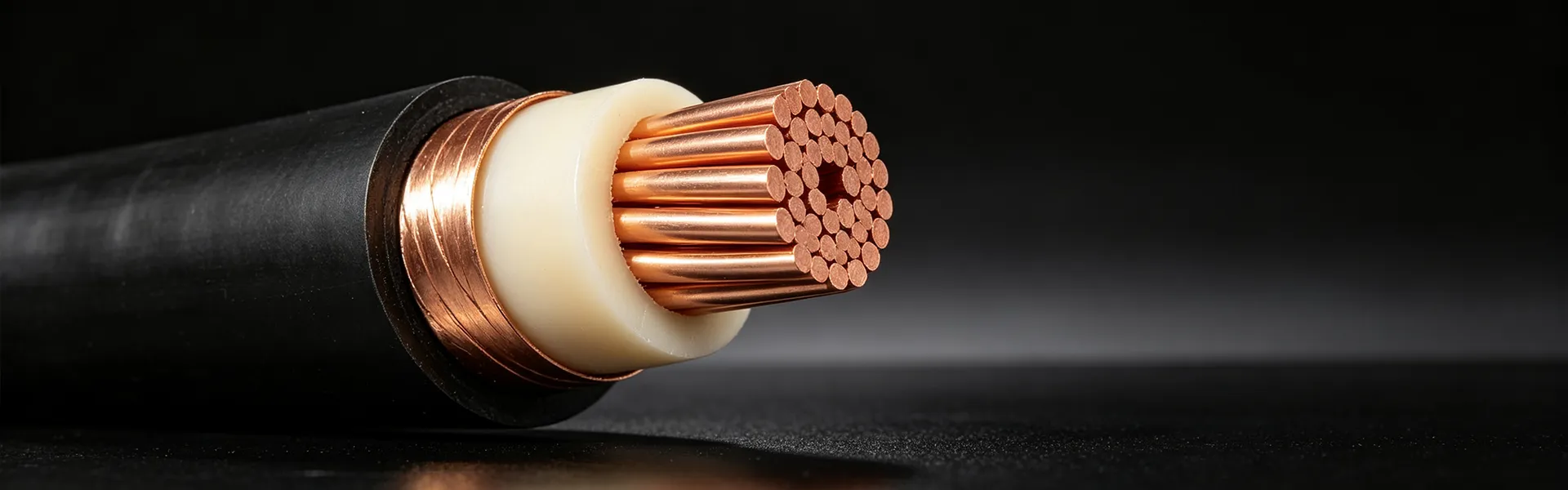
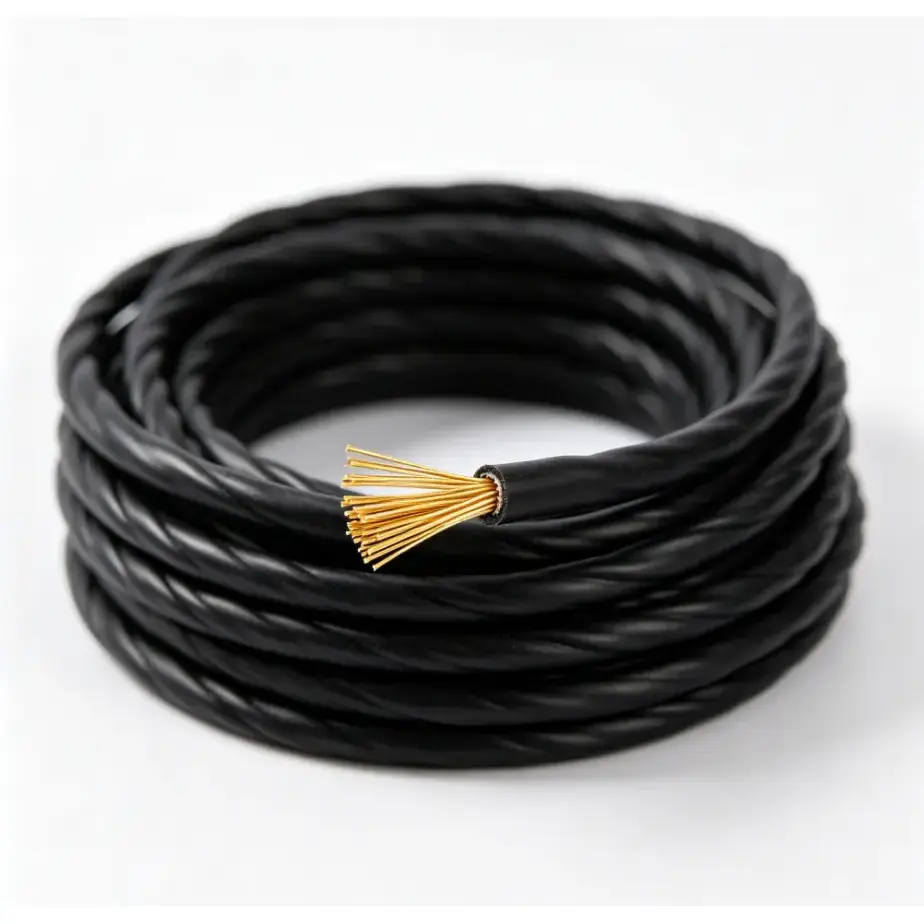
As solar energy installations continue to expand worldwide, selecting reliable electrical components has become essential for long-term system performance. Qiancheng provides H1Z2Z2-K Photovoltaic Solar Cable designed for photovoltaic DC transmission applications, combining tinned copper conductors, double-layer cross-linked polyolefin insulation, and halogen-free flame-retardant construction. With a rated DC voltage of 1.5 kV, flexible installation characteristics, and resistance to demanding outdoor conditions, this cable offers a practical wiring solution for commercial solar projects, rooftop photovoltaic systems, and large-scale solar power stations.

Article Summary: This article explores the construction, technical specifications, performance advantages, installation requirements, and application scenarios of H1Z2Z2-K photovoltaic solar cables. It also explains how to select the appropriate conductor cross-section, evaluate cable quality, and ensure dependable DC power transmission throughout the service life of a solar installation.

H1Z2Z2-K Photovoltaic Solar Cable

Table of Contents

1. What Is H1Z2Z2-K Photovoltaic Solar Cable?

2. Cable Construction and Material Advantages

3. Technical Specifications and Dimensions

4. Key Performance Characteristics

5. Common Applications in Solar Energy Projects

6. How to Select the Right Solar Cable

7. Installation and Safety Guidelines

8. Manufacturing Quality and Engineering Assurance

9. Frequently Asked Questions

10. Conclusion


1. What Is H1Z2Z2-K Photovoltaic Solar Cable?

H1Z2Z2-K is a specialized photovoltaic cable designed for DC power transmission in solar energy systems. Unlike conventional building wires, photovoltaic cables must withstand prolonged exposure to sunlight, temperature fluctuations, outdoor moisture, and other environmental stresses.

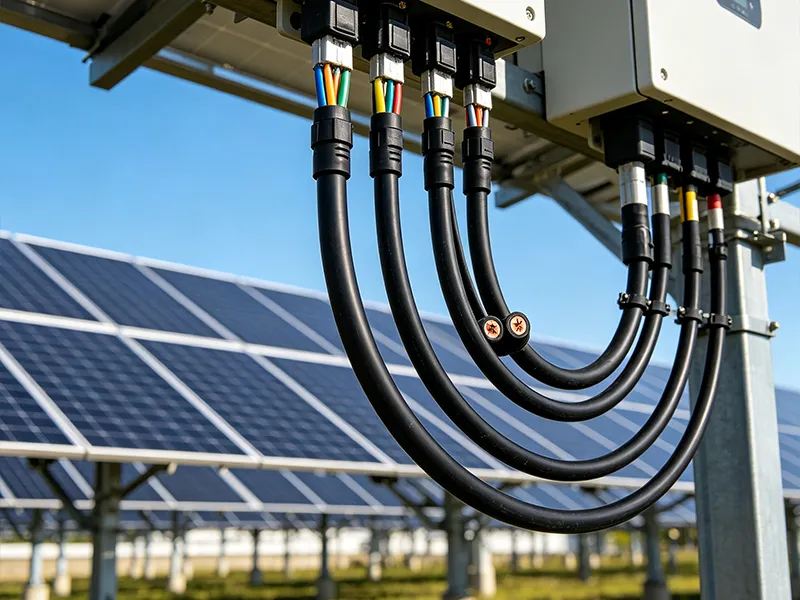
The cable is specifically engineered to connect photovoltaic modules, string circuits, and other DC electrical components. Its flexible conductor construction also makes it easier to route through cable trays, conduits, and other installation structures.

Qiancheng's H1Z2Z2-K Photovoltaic Solar Cable features several important characteristics:

  • Rated DC voltage: 1.5 kV for applicable photovoltaic installations.
  • Conductor material: Class 5 tinned copper for electrical conductivity and flexibility.
  • Insulation structure: Double-layer cross-linked polyolefin.
  • Safety characteristics: Halogen-free and flame-retardant construction.
  • Operating temperature: -40°C to +90°C.
  • Service life: More than 25 years under normal operating conditions.

These characteristics make the cable suitable for photovoltaic DC wiring projects where electrical reliability, environmental resistance, and installation convenience are important purchasing considerations.

For additional product information, visit the Qiancheng H1Z2Z2-K Photovoltaic Solar Cable product page.


2. Cable Construction and Material Advantages

The performance of a photovoltaic cable depends heavily on its conductor, insulation, and outer sheath. Each component contributes to electrical efficiency, mechanical protection, and long-term environmental durability.

Class 5 Tinned Copper Conductors

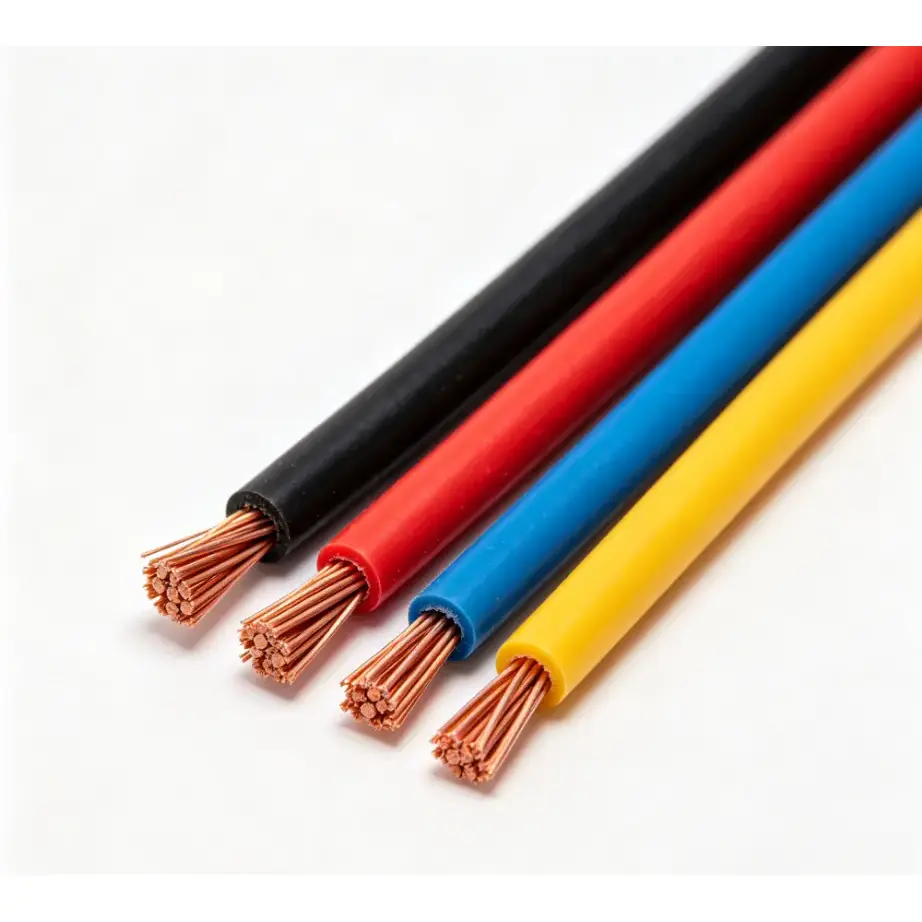
Qiancheng uses high-purity tinned copper conductors with a Class 5 flexible construction. Tinning helps protect the copper surface against oxidation and supports reliable electrical connections in demanding operating environments.

The flexible conductor structure offers several practical benefits:

  • Good electrical conductivity for photovoltaic DC transmission.
  • Improved flexibility during cable routing and installation.
  • Convenient stripping and termination operations.
  • Suitable construction for compatible photovoltaic connectors.
  • Reliable electrical contact when correctly installed and terminated.

Double-Layer Cross-Linked Polyolefin Insulation

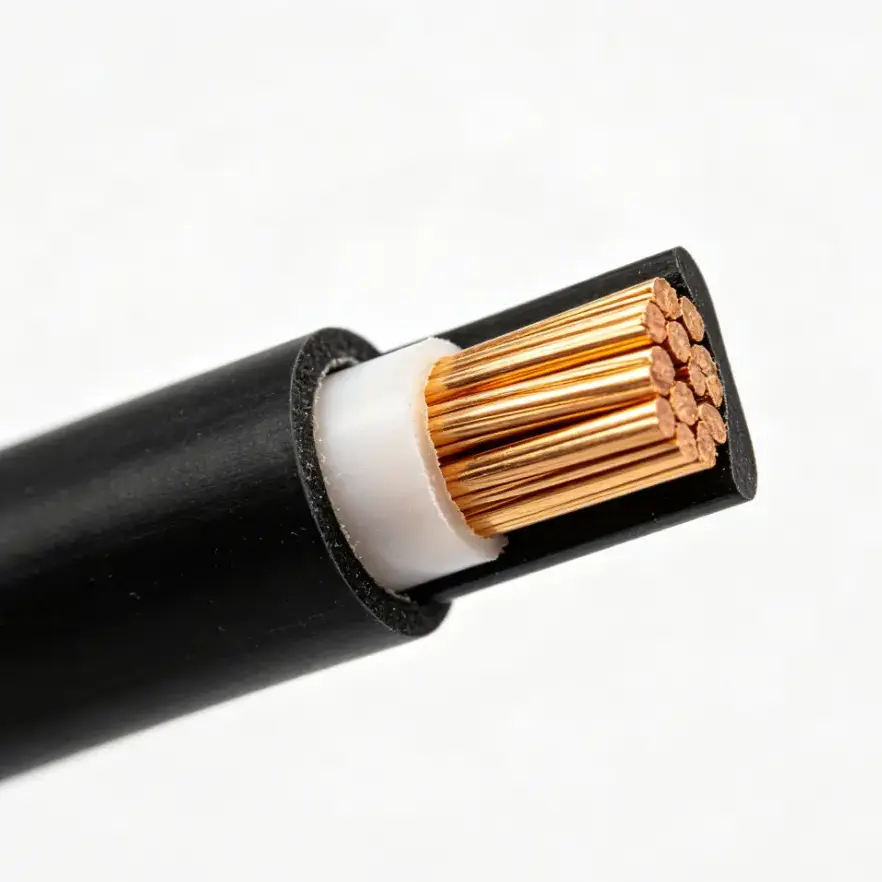
The insulation system uses cross-linked polyolefin materials to provide electrical insulation and environmental protection. Its double-layer construction helps maintain insulation integrity under normal photovoltaic operating conditions.

Cross-linked materials are particularly useful in solar installations because they are designed to withstand elevated temperatures and long-term outdoor exposure. The halogen-free formulation also helps reduce the release of harmful halogen-containing gases during combustion.

Flame-Retardant and Halogen-Free Design

Fire safety is an important consideration in commercial and utility-scale photovoltaic projects. Qiancheng's cable features radiation-cross-linked, halogen-free flame-retardant construction with Class C flame-retardant performance.

This material combination supports safer cable selection in photovoltaic installations where flame behavior, smoke characteristics, and electrical insulation are important engineering considerations.


3. Technical Specifications and Dimensions

Choosing the correct cable size is essential for managing current-carrying capacity, voltage drop, installation requirements, and overall system efficiency. Qiancheng offers multiple conductor cross-sections to accommodate different photovoltaic wiring requirements.

The following table summarizes representative technical dimensions for single-core H1Z2Z2-K photovoltaic cables.

Conductor Size Insulation Thickness (mm) Sheath Thickness (mm) Maximum Outer Diameter (mm) Minimum Insulation Resistance at 20°C (MΩ·km)
1 × 1.5 mm² 0.7 0.8 5.4 860
1 × 2.5 mm² 0.7 0.8 5.9 690
1 × 4 mm² 0.7 0.8 6.6 580
1 × 6 mm² 0.7 0.8 7.4 500
1 × 10 mm² 0.7 0.8 8.8 420
1 × 16 mm² 0.7 0.9 10.1 340
1 × 25 mm² 0.9 1.0 12.5 340
1 × 35 mm² 0.9 1.1 14.0 290
1 × 50 mm² 1.0 1.2 16.3 270
1 × 70 mm² 1.1 1.2 18.7 250
1 × 95 mm² 1.1 1.3 20.8 220
1 × 120 mm² 1.2 1.3 22.8 210
1 × 150 mm² 1.4 1.4 25.5 210
1 × 185 mm² 1.6 1.6 28.5 200
1 × 240 mm² 1.7 1.7 32.1 200

Important: The values above are nominal product dimensions and specified resistance values, not a complete cable ampacity table. Actual conductor selection should consider installation conditions, ambient temperature, grouping, circuit current, voltage drop, and applicable electrical standards.

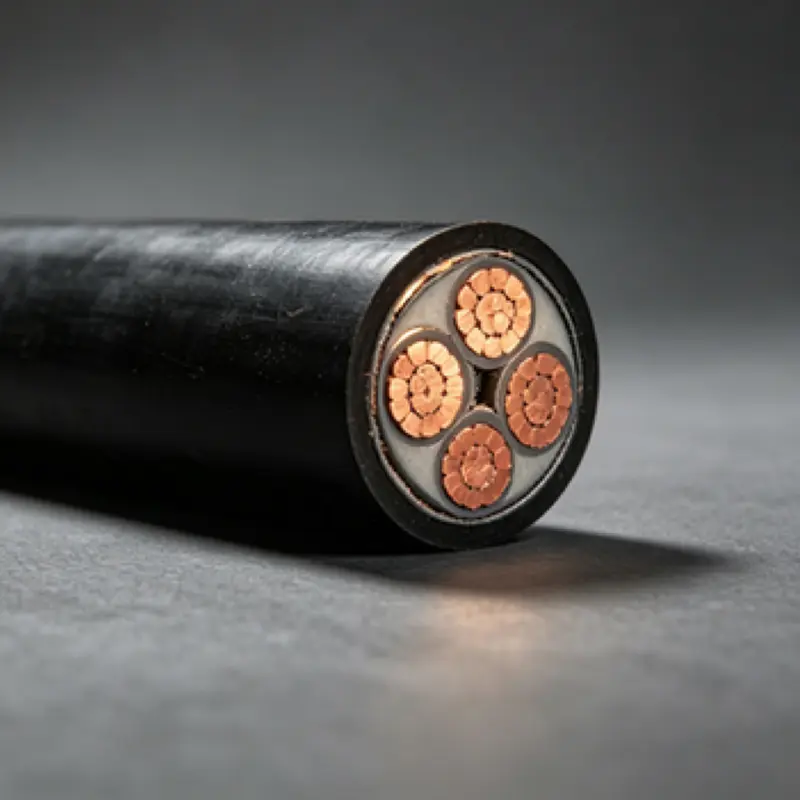
Qiancheng also offers multi-core configurations, including 2-core, 3-core, 4-core, and 5-core options in selected cross-sections. This provides additional flexibility for projects with different wiring arrangements.


4. Key Performance Characteristics

A high-quality solar cable must deliver consistent electrical performance while withstanding environmental conditions throughout the operating life of a photovoltaic system.

4.1 Wide Operating Temperature Range

Qiancheng's H1Z2Z2-K cable has a specified operating temperature range of -40°C to +90°C. This allows the cable to be considered for photovoltaic projects exposed to significant seasonal and daily temperature variations, subject to the applicable installation and loading conditions.

4.2 UV and Weathering Resistance

Solar cables are frequently installed in exposed outdoor environments. Continuous ultraviolet radiation can gradually affect unsuitable polymer materials. The cross-linked polyolefin construction is designed for outdoor photovoltaic applications, while UV-aging tests can help evaluate material durability.

4.3 Corrosion and Environmental Resistance

For solar farms installed near coastal or industrial areas, environmental corrosion is an important consideration. Salt-spray testing can provide additional information about material performance under corrosive conditions. Actual suitability should be verified against project-specific environmental requirements.

4.4 Long-Term Operating Reliability

Qiancheng specifies a service life of more than 25 years under normal operating conditions. Achieving this expected service life also depends on correct cable sizing, compatible connectors, appropriate routing, environmental exposure, and professional installation.


5. Common Applications in Solar Energy Projects

The flexible structure and photovoltaic-oriented material design make H1Z2Z2-K solar cable suitable for several types of solar power installations.

Ground-Mounted Solar Power Stations

Large-scale photovoltaic power stations require extensive DC wiring between solar modules and electrical collection equipment. Properly selected solar cables help maintain reliable power transmission across long installation routes.

Commercial and Residential Rooftop Systems

Rooftop photovoltaic systems often involve complex routing around mounting structures, roof surfaces, and electrical equipment. Flexible solar cables simplify installation while providing insulation suitable for outdoor exposure.

Fishery-Solar Complementary Projects

Fishery-solar complementary installations combine photovoltaic generation with aquaculture activities. Their electrical infrastructure may be exposed to moisture and challenging outdoor conditions, making appropriate cable selection and waterproof connection protection particularly important.

Industrial Distributed Photovoltaic Systems

Factories, warehouses, and commercial buildings increasingly install distributed solar systems to support energy management strategies. Reliable DC cables are essential for connecting photovoltaic arrays and associated electrical equipment.

Typical application scenarios include:

  • Utility-scale photovoltaic power plants.
  • Residential rooftop solar installations.
  • Commercial and industrial rooftop projects.
  • Agricultural and fishery-solar complementary systems.
  • Distributed solar energy generation facilities.

6. How to Select the Right Solar Cable

Selecting the appropriate photovoltaic cable involves more than simply matching the conductor size to the available connector. Engineers and procurement professionals should evaluate the complete electrical and environmental requirements of the project.

Consider the Required Current Capacity

The cable cross-section must be selected according to the maximum design current and the applicable derating factors. Higher current requirements may require larger conductors to control temperature rise and maintain safe operating conditions.

Evaluate Voltage Drop

Long cable routes can create voltage drop and electrical losses. Selecting an appropriate conductor cross-section helps reduce these losses and supports efficient DC transmission.

Check Voltage Compatibility

Ensure that the cable's rated voltage is compatible with the maximum photovoltaic system voltage. Qiancheng's H1Z2Z2-K product is designed for applicable 1.5 kV photovoltaic DC applications.

Verify Environmental Conditions

Consider the actual installation environment, including:

  • Maximum and minimum ambient temperatures.
  • Direct sunlight and UV exposure.
  • Humidity and potential water exposure.
  • Salt spray or industrial corrosive conditions.
  • Mechanical stress and installation routing.

Review Product Documentation

Before placing a bulk order, procurement teams should request relevant technical documents, product specifications, and test reports. Traceable CNAS test documentation is available for Qiancheng's product to support procurement quality verification.


7. Installation and Safety Guidelines

Even a high-performance photovoltaic cable can experience premature damage if installation procedures are ignored. Following appropriate laying and connection practices is essential for long-term electrical safety.

Maintain the Recommended Installation Temperature

The recommended ambient temperature during cable laying should not be lower than -15°C. Avoid forcibly pulling or bending the cable under low-temperature conditions because excessive mechanical stress may damage its outer sheath.

Observe the Minimum Bending Radius

During construction, the minimum bending radius should be at least four times the cable's outer diameter. Maintaining this requirement helps prevent unnecessary mechanical stress on the cable structure.

Choose Appropriate Routing Methods

Depending on the project design, the cable can be installed using:

  • Outdoor overhead routing.
  • Cable tray installation.
  • Protective conduit systems.
  • Light-buried laying arrangements.

Protect Cable Connections Against Moisture

Outdoor cable joints must receive appropriate waterproofing and insulation treatment. Waterproof junction boxes or compatible sealed connection systems should be used for exposed connections to reduce the risk of rainwater penetration, electrical leakage, and short circuits.

Maintain Electrical Separation

Avoid routing photovoltaic DC cables in the same protective conduit as high-voltage cables where electrical separation requirements prohibit such arrangements. Follow the project design and applicable electrical installation regulations to maintain proper separation and minimize interference risks.


8. Manufacturing Quality and Engineering Assurance

For international photovoltaic projects, cable procurement should be based on verified technical performance rather than price alone. Manufacturing consistency, material selection, product traceability, and inspection documentation all contribute to reliable project execution.

When evaluating a photovoltaic cable manufacturer, buyers should consider the following quality indicators:

Evaluation Item What Buyers Should Verify Project Benefit
Conductor Quality Material composition, conductor class, and dimensions Reliable electrical conductivity
Insulation Materials Cross-linked polyolefin construction and thickness Electrical insulation and environmental protection
Flame-Retardant Performance Relevant flame-retardant test documentation Improved fire-safety assessment
Dimensional Inspection Conductor area, insulation thickness, and outer diameter Consistent product specifications
Test Documentation Traceable test reports and inspection records Procurement verification and quality control
Batch Identification Product markings and manufacturing traceability Easier quality tracking

Qiancheng focuses on photovoltaic cable manufacturing and provides H1Z2Z2-K cable solutions for domestic and international solar engineering projects. Its product offering combines tinned copper conductors, cross-linked insulation materials, multiple conductor sizes, and traceable CNAS test documentation.

For buyers comparing suppliers, requesting technical specifications and relevant test records before procurement is a practical way to evaluate product suitability and reduce project risks.

Learn more about the manufacturer's capabilities through Qiancheng Cable and explore its broader photovoltaic cable product range.


9. Frequently Asked Questions

Q1: What is the rated voltage of H1Z2Z2-K Photovoltaic Solar Cable?

The Qiancheng H1Z2Z2-K Photovoltaic Solar Cable is designed for applicable 1.5 kV photovoltaic DC applications. Buyers should verify the system voltage and applicable cable rating requirements before installation.

Q2: What conductor material does Qiancheng use?

The cable uses Class 5 high-purity tinned copper conductors. This construction provides good electrical conductivity, flexibility, and resistance to conductor surface oxidation.

Q3: What is the operating temperature range?

The specified operating temperature range is -40°C to +90°C. Actual operating conditions should remain within the product's applicable technical and installation limits.

Q4: Is H1Z2Z2-K solar cable suitable for outdoor installation?

Yes. It is designed for photovoltaic outdoor applications and features cross-linked polyolefin insulation with halogen-free flame-retardant construction. Its suitability for a specific environment should also be verified against the project's UV, moisture, corrosion, and mechanical requirements.

Q5: What conductor sizes are available?

Qiancheng offers single-core sizes ranging from 1.5 mm² to 240 mm², along with selected 2-core, 3-core, 4-core, and 5-core configurations. Availability should be confirmed according to the required specifications and order quantity.

Q6: What is the minimum bending radius during installation?

The recommended minimum bending radius during construction is four times the cable's outer diameter. Installers should also avoid forced bending and pulling when the ambient temperature is below -15°C.

Q7: What is the expected service life of this photovoltaic cable?

Qiancheng specifies a service life of more than 25 years under normal operating conditions. Actual service life depends on installation quality, operating temperature, environmental exposure, electrical loading, and maintenance practices.

Q8: Can the cable be installed in cable trays or conduits?

Yes. The cable supports outdoor overhead routing, cable tray installation, conduit installation, and light-buried laying, subject to applicable project design and installation requirements.

Q9: What documents should buyers request before ordering?

Buyers should request technical specifications, dimensional information, relevant electrical and flame-retardant test reports, and product traceability records. Qiancheng can provide traceable CNAS test documentation to support procurement quality verification.

Q10: How can international buyers obtain a quotation from Qiancheng?

Buyers can contact Qiancheng directly through its official website and provide the required conductor size, number of cores, rated voltage, estimated quantity, application environment, and destination market. This information helps the sales team evaluate project requirements and recommend suitable cable specifications.


10. Conclusion

Choosing the right H1Z2Z2-K Photovoltaic Solar Cable is an important step in building a safe, efficient, and durable solar power system. Its Class 5 tinned copper conductors, double-layer cross-linked polyolefin insulation, halogen-free flame-retardant construction, and wide operating temperature range make it a practical solution for various photovoltaic DC wiring applications.

For solar EPC contractors, electrical distributors, project developers, and international cable wholesalers, Qiancheng provides multiple conductor sizes, flexible product configurations, and traceable quality documentation to support different procurement requirements. Whether you are developing a rooftop solar installation or sourcing cables for a large-scale photovoltaic power station, choosing a qualified manufacturer can help improve project consistency and long-term reliability.

Looking for a reliable H1Z2Z2-K Photovoltaic Solar Cable supplier for your next solar energy project? Contact Qiancheng today to discuss your technical specifications, request detailed product documentation, and obtain a competitive quotation. Visit Qiancheng's official website or contact us to explore professional photovoltaic cable solutions for your business.

Related News
Leave me a message
X
We use cookies to offer you a better browsing experience, analyze site traffic and personalize content. By using this site, you agree to our use of cookies. Privacy Policy
RejectAccept