News

What Makes Copper PVC Flexible Wire the Smart Choice for Your Next Project

2026-11-20 0 Leave me a message

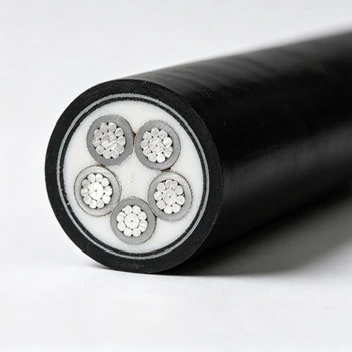
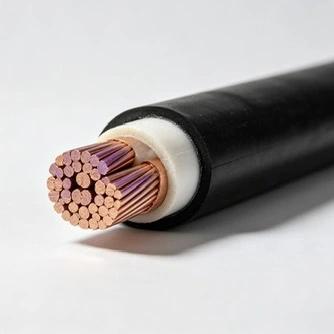
When it comes to reliable, flexible electrical connections, copper PVC flexible wire has become the standard for professionals across industries. At Qiancheng Cable Co., Ltd., we manufacture high-quality copper PVC flexible wire that balances conductivity, durability, and ease of installation. Whether you're wiring a control panel, a home appliance, or an industrial machine, understanding what this wire is—and why it outperforms alternatives—can save you time, cost, and rework. In this guide, we break down the what, why, how, which, and when of copper PVC flexible wire so you can specify the right cable with confidence.

Copper PVC Flexible Wire

Table of Contents

What Is Copper PVC Flexible Wire?

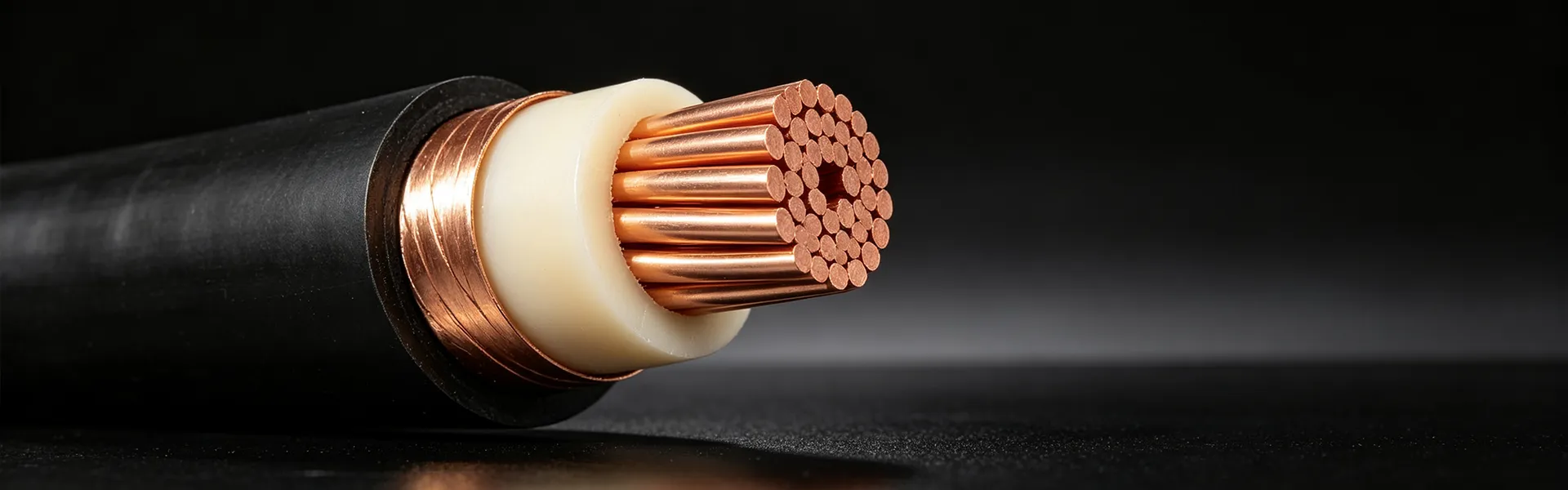
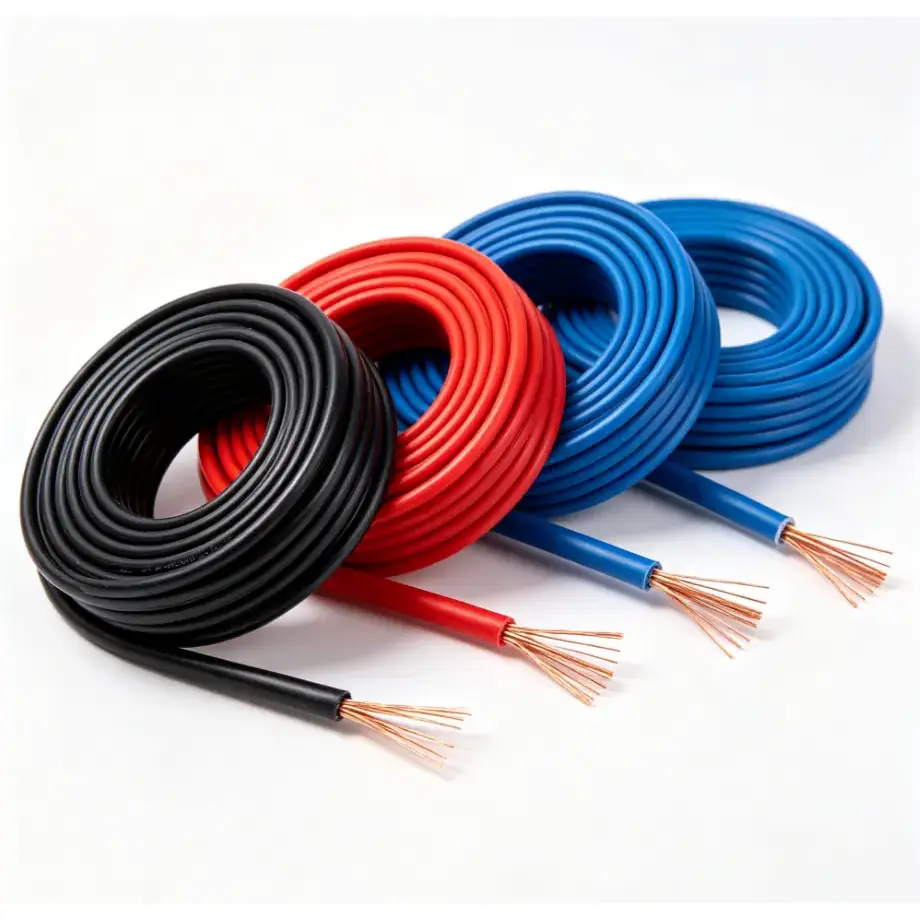
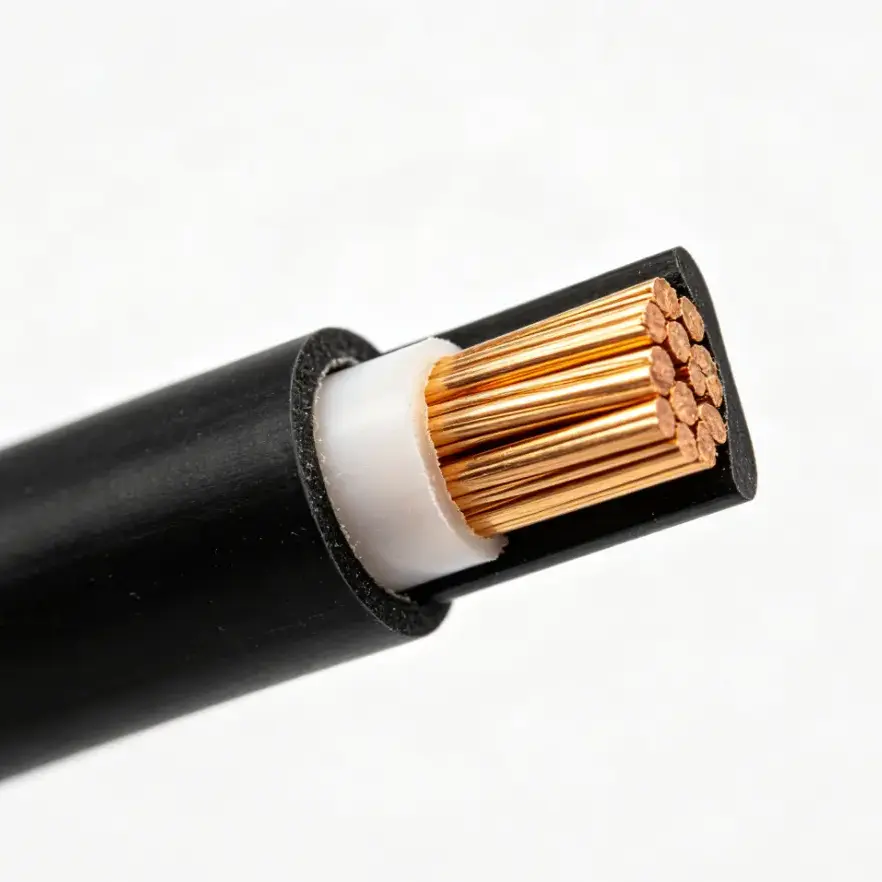
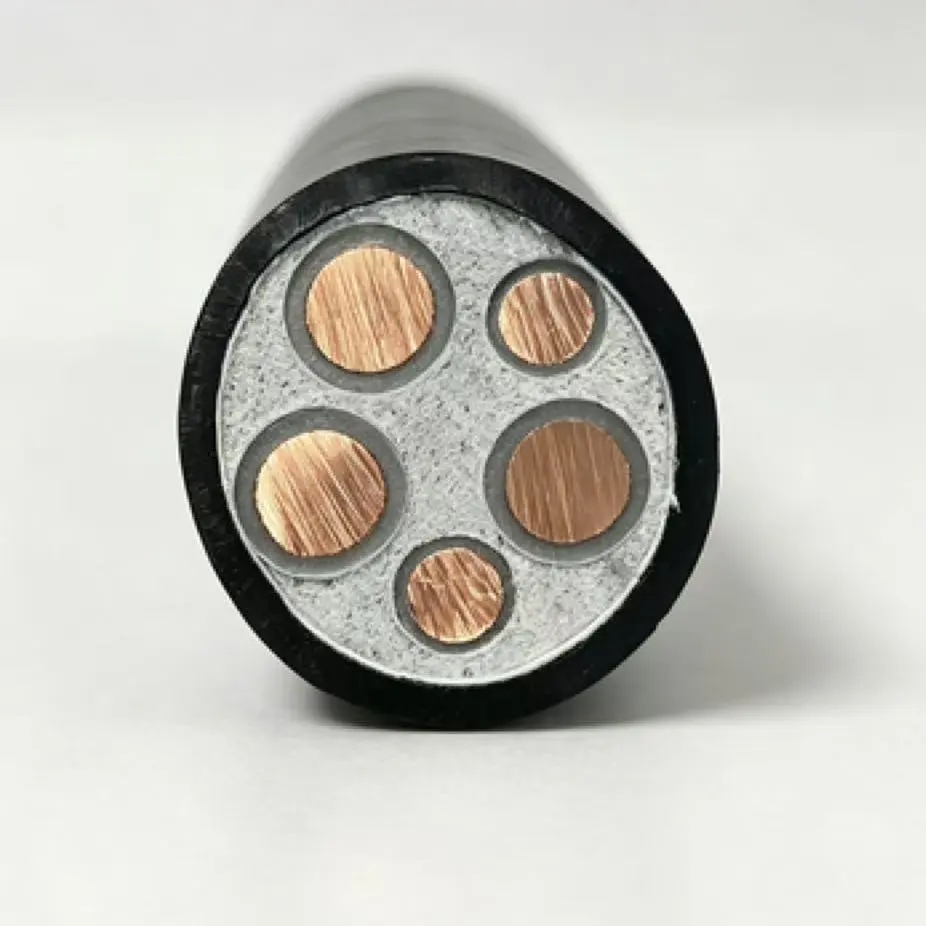
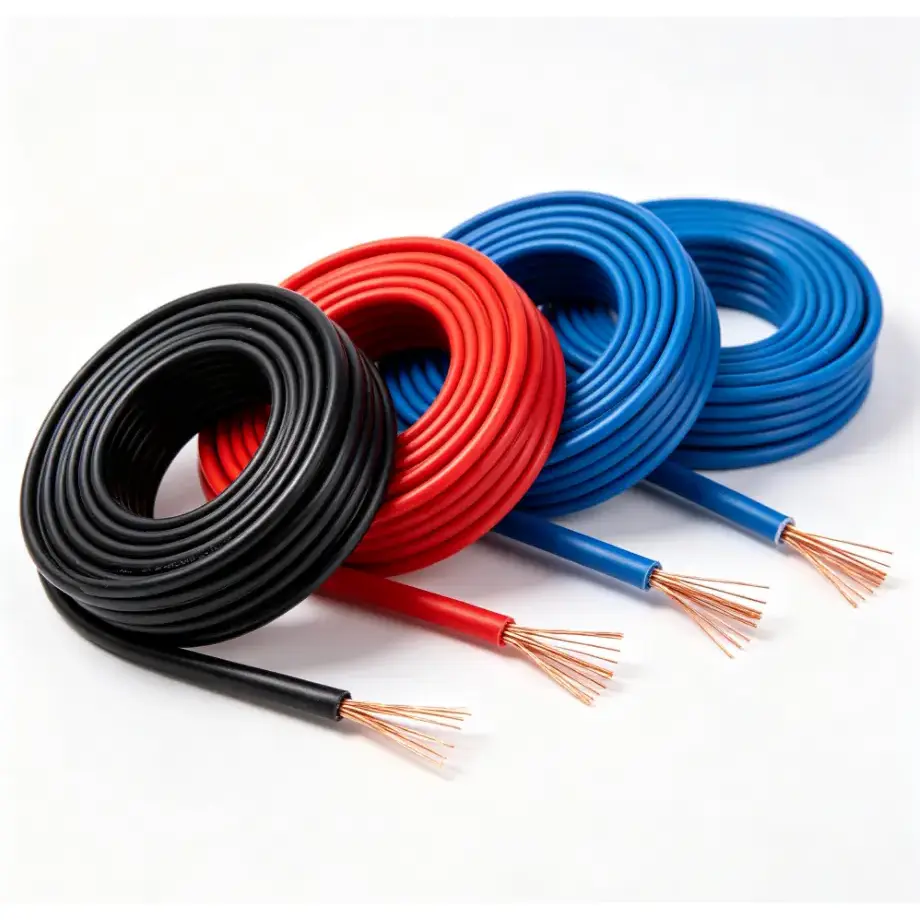
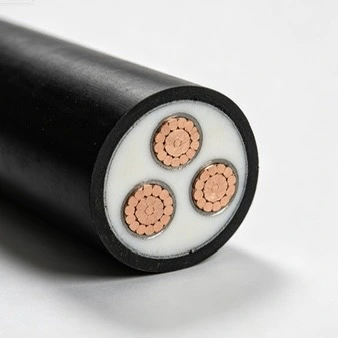
Copper PVC flexible wire is an electrical conductor made from stranded copper wires, insulated with polyvinyl chloride (PVC). The stranding—rather than a single solid core—gives the wire its flexibility, allowing it to bend and route through tight spaces without cracking or breaking. PVC insulation provides excellent dielectric strength, resistance to moisture and chemicals, and a smooth surface for easy handling. At Qiancheng, we produce this wire in a range of cross-sections, core counts, and voltage ratings to match your exact application. Typical constructions include single-core, multi-core, and twisted pairs, with conductor sizes from 0.5 mm² up to 10 mm² and beyond.

Key characteristics include:

  • Conductor: Stranded annealed copper (Class 5 or Class 6 flexibility)
  • Insulation: PVC compound, available in various colors
  • Temperature range: Typically -15°C to +70°C (depending on grade)
  • Voltage rating: 300/500 V, 450/750 V, or higher on request
  • Standards: IEC 60227, GB/T 5023, BS 6500, and other regional equivalents

Why Choose Copper PVC Flexible Wire?

The combination of copper and PVC delivers a rare balance of performance and economy. Here's why engineers and installers consistently specify it:

  • Superior conductivity: Copper offers low electrical resistance, minimizing voltage drop and energy loss.
  • Flexibility and durability: Stranded construction withstands repeated flexing, vibration, and tight bending radii.
  • Cost-effective: PVC is one of the most economical insulation materials without compromising safety.
  • Easy installation: Lightweight and pliable, it reduces labor time in panel wiring and equipment connections.
  • Good chemical resistance: PVC resists acids, alkalis, oils, and moisture in many industrial environments.
  • Flame retardancy: Many PVC compounds are self-extinguishing, meeting fire safety requirements.
  • Wide availability: Standard sizes and colors are readily available, with custom options from manufacturers like Qiancheng.

Compared to solid-core wire, copper PVC flexible wire is far less prone to fatigue failure in moving applications. Compared to rubber-insulated cable, it is usually lighter and more affordable, though for extreme temperature or abrasion, rubber may be preferred. For most general-purpose wiring, copper PVC flexible wire hits the sweet spot.

How Is Copper PVC Flexible Wire Made?

Manufacturing high-quality copper PVC flexible wire involves several precise steps. At Qiancheng Cable, our process follows strict quality control at every stage:

  1. Copper wire drawing: High-purity copper rods are drawn down to fine strands (e.g., 0.15–0.25 mm diameter) through a series of dies.
  2. Annealing: The strands are annealed to restore flexibility and conductivity after cold working.
  3. Stranding: Multiple strands are twisted together in a defined lay pattern to achieve the desired flexibility class (Class 5 or 6).
  4. PVC compounding and extrusion: The PVC compound is heated and extruded over the stranded conductor to form a uniform insulation layer.
  5. Cooling and curing: The insulated wire passes through water baths and may be further cured for dimensional stability.
  6. Testing: Conductors are checked for resistance, insulation for thickness and dielectric strength, and finished wire for flexibility and surface quality.
  7. Marking and packaging: The wire is printed with specification details and wound onto spools or coils for shipment.

Each step—from copper purity to extrusion temperature—affects the final performance. That's why sourcing from a manufacturer with in-house control, like Qiancheng, ensures consistent quality and traceability.

Which Applications Use Copper PVC Flexible Wire?

The versatility of copper PVC flexible wire makes it suitable for a vast range of applications. Common uses include:

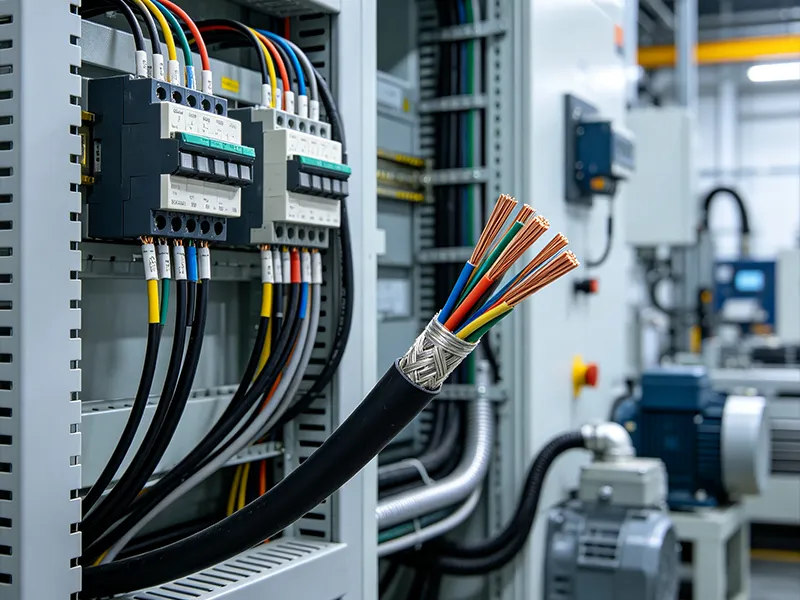
  • Control panels and switchgear: Panel wiring, relay connections, and terminal blocks.
  • Home appliances: Internal wiring for refrigerators, washing machines, air conditioners, and small appliances.
  • Industrial machinery: Motor leads, sensor wiring, and flexible connections on moving parts.
  • Lighting: Fixture wiring, LED strips, and decorative lighting.
  • Automotive and marine: Auxiliary circuits, though specialized automotive wire may be required for high-temperature zones.
  • Power distribution: Flexible cords for portable tools, extension leads, and temporary power.
  • Renewable energy: Low-voltage connections in solar and battery systems (where voltage and temperature ratings align).

For any application requiring repeated flexing or space-constrained routing, copper PVC flexible wire is often the first choice.

When Should You Use Copper PVC Flexible Wire?

Choose copper PVC flexible wire when:

  • You need flexibility: In applications with movement, vibration, or tight bends.
  • Installation space is limited: Stranded wire bends easily around corners and through conduits.
  • Voltage is low to medium: 300/500 V and 450/750 V ratings cover most control and power circuits.
  • Temperature is moderate: PVC performs best within -15°C to +70°C; for higher temperatures, consider silicone or XLPE insulation.
  • Chemical exposure is mild: PVC resists common oils and chemicals, but for aggressive solvents, check compatibility.
  • Budget matters: It offers a cost-effective solution without sacrificing essential performance.

Avoid using standard PVC wire in applications requiring continuous high-temperature operation, heavy abrasion, or exposure to strong UV—though special PVC compounds can extend performance in some of these areas.

Copper PVC Flexible Wire vs. Other Wire Types

The table below summarizes key differences to help you specify the right wire:

Wire Type Conductor Insulation Flexibility Temperature Range Typical Cost Best For
Copper PVC Flexible Wire Stranded copper PVC High -15°C to +70°C Low–Medium Control panels, appliances, general wiring
Solid Core PVC Wire Solid copper PVC Low -15°C to +70°C Low Fixed wiring in walls and conduits
Rubber Flexible Cable Stranded copper Rubber (EPR/Neoprene) Very high -40°C to +90°C Medium–High Harsh environments, outdoor, heavy flex
XLPE Insulated Wire Stranded or solid Cross-linked polyethylene Medium -40°C to +90°C+ Medium Higher temperature, power distribution
Silicone Flexible Wire Stranded copper Silicone rubber Very high -60°C to +180°C High Extreme temperatures, medical, aerospace

Frequently Asked Questions

Q: What does “Class 5” or “Class 6” flexibility mean for copper PVC flexible wire?
A: These classes refer to IEC 60228 conductor stranding. Class 5 uses finer strands than Class 2, and Class 6 even finer, giving greater flexibility. Class 6 is ideal for applications with continuous flexing.

Q: Can copper PVC flexible wire be used outdoors?
A: Standard PVC is not UV-stabilized and may degrade in sunlight. For outdoor use, specify a UV-resistant PVC compound or use conduit protection. Qiancheng can supply UV-stabilized versions on request.

Q: What is the maximum current rating for 1.5 mm² copper PVC flexible wire?
A: Current capacity depends on installation conditions. As a guide, 1.5 mm² flexible wire typically carries around 14–16 A in free air, but always refer to local wiring regulations and derating factors.

Q: Is copper PVC flexible wire suitable for high-frequency signals?
A: No. For signal or data transmission, shielded or twisted-pair cables with specific impedance are required. Copper PVC flexible wire is intended for power and control circuits.

Q: How do I choose between single-core and multi-core copper PVC flexible wire?
A: Single-core is easier to route individually and terminate; multi-core is convenient for grouped circuits and reduces installation time. Consider your panel layout and connector types.

Q: Does Qiancheng provide custom colors and sizes?
A: Yes. We offer custom insulation colors, conductor sizes, core counts, and voltage ratings to meet your project specifications. Contact our team with your requirements.

Ready to Specify Copper PVC Flexible Wire with Confidence?

Whether you're building control panels, appliances, or industrial equipment, the right wire makes all the difference. At Qiancheng Cable, we combine high-purity copper, precision stranding, and quality PVC insulation to deliver copper PVC flexible wire that performs reliably project after project. Our team can help you select the correct size, flexibility class, and insulation grade—and provide samples for evaluation. Contact us today to discuss your requirements, request a quote, or get technical advice from our cable specialists. Let Qiancheng be your trusted partner for copper PVC flexible wire solutions.

Related News
Leave me a message
X
We use cookies to offer you a better browsing experience, analyze site traffic and personalize content. By using this site, you agree to our use of cookies. Privacy Policy
RejectAccept