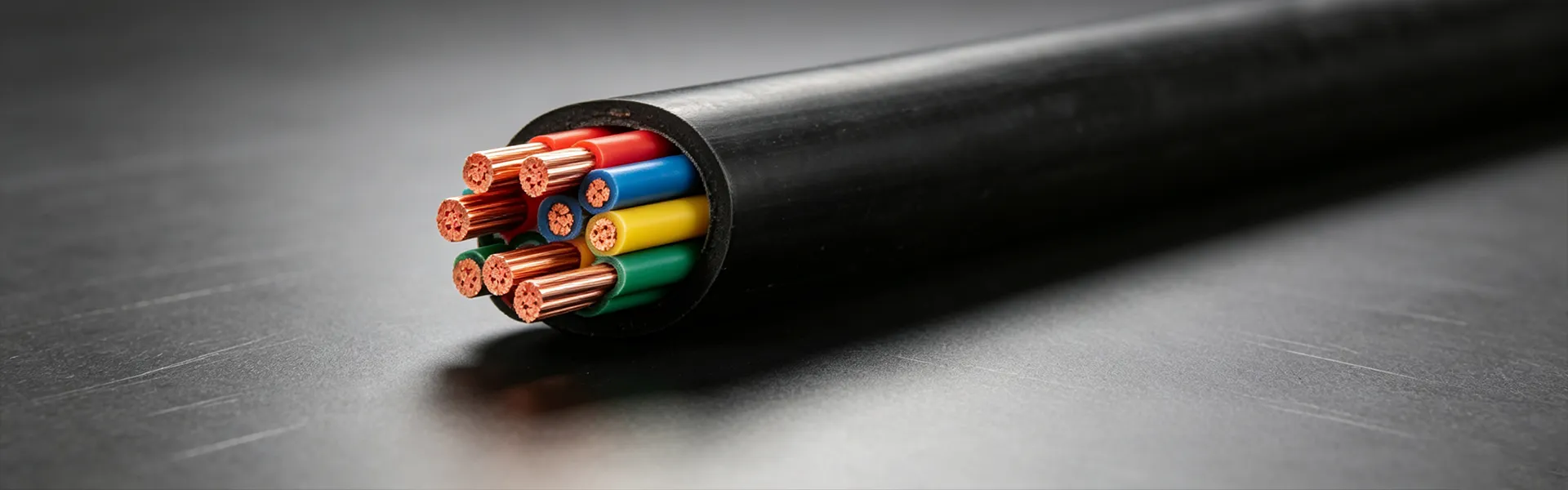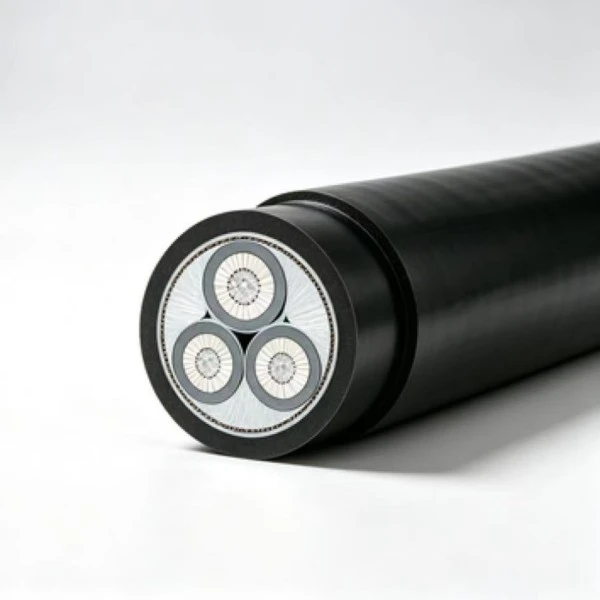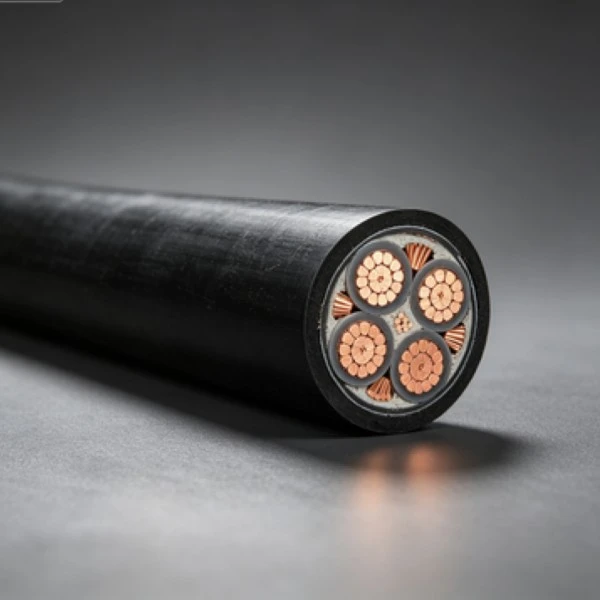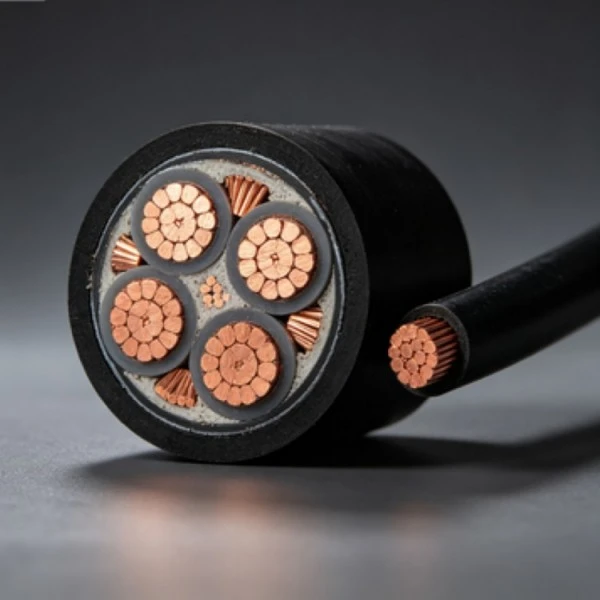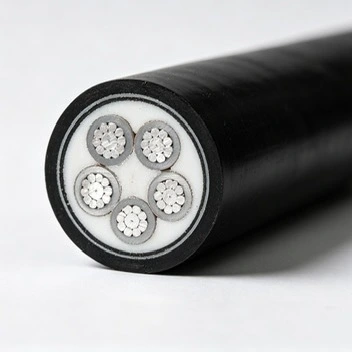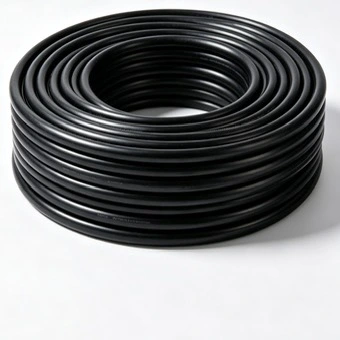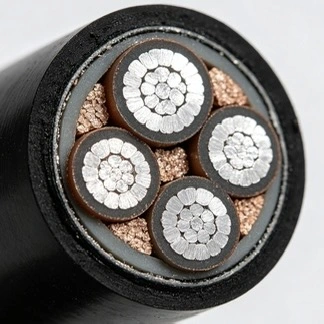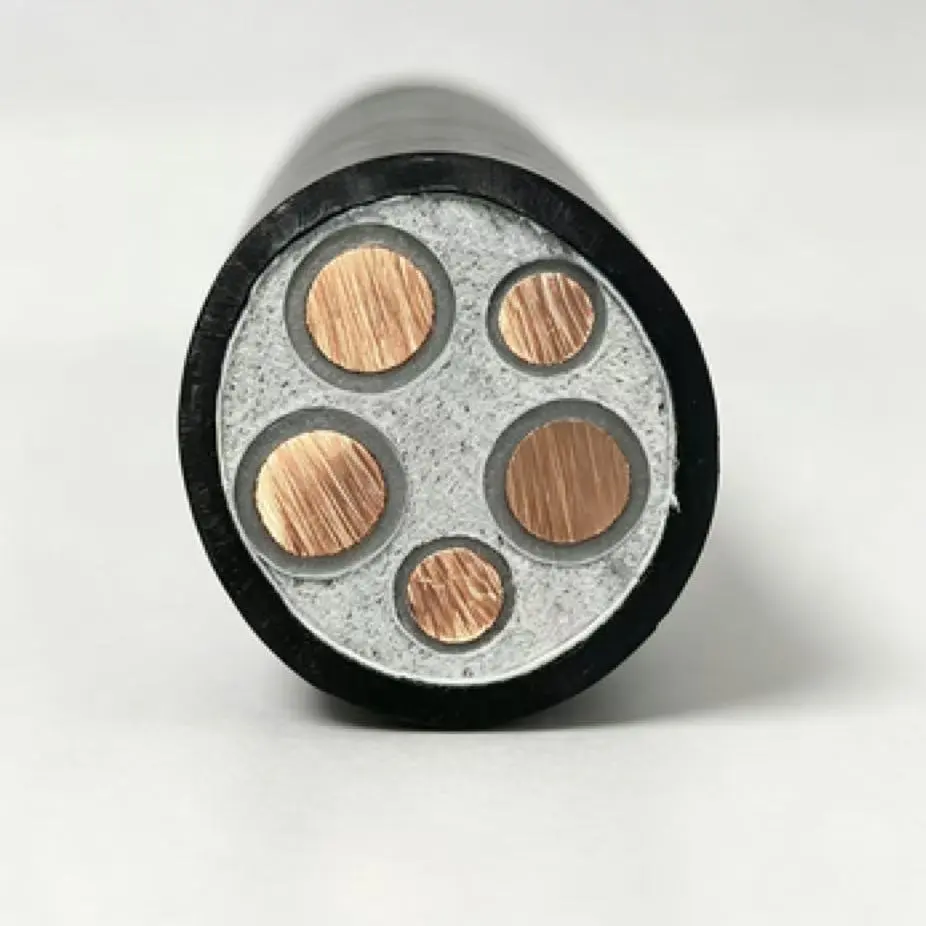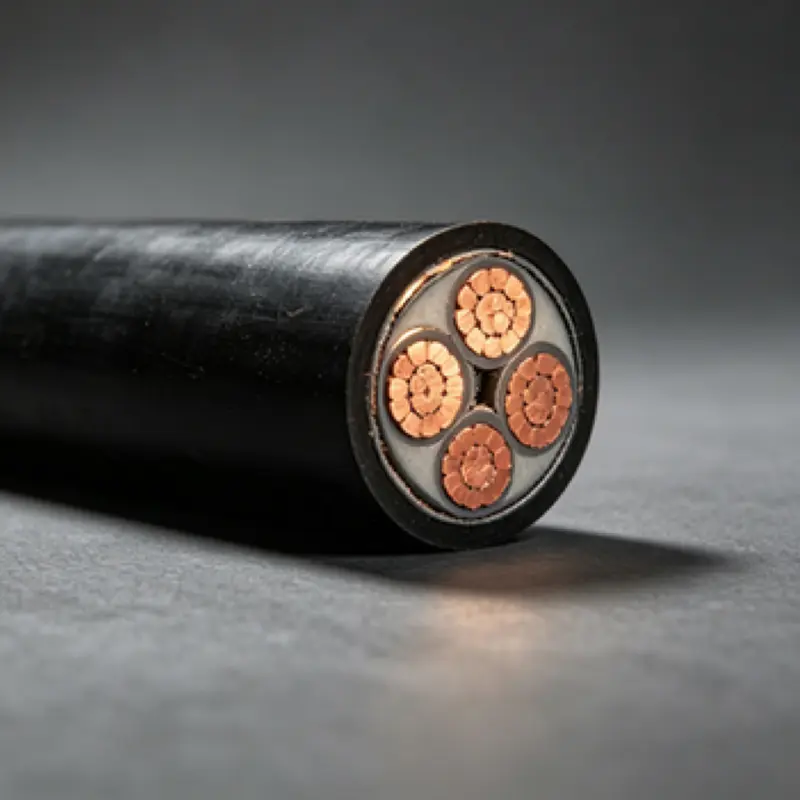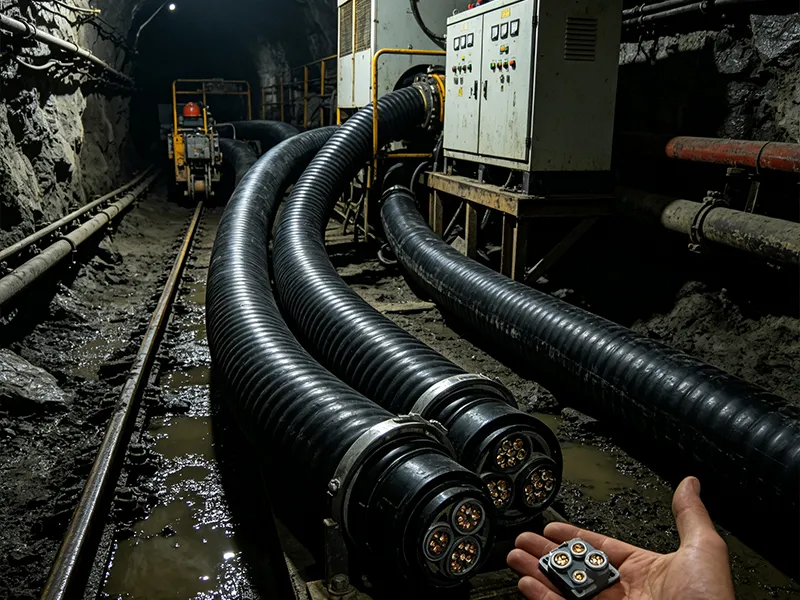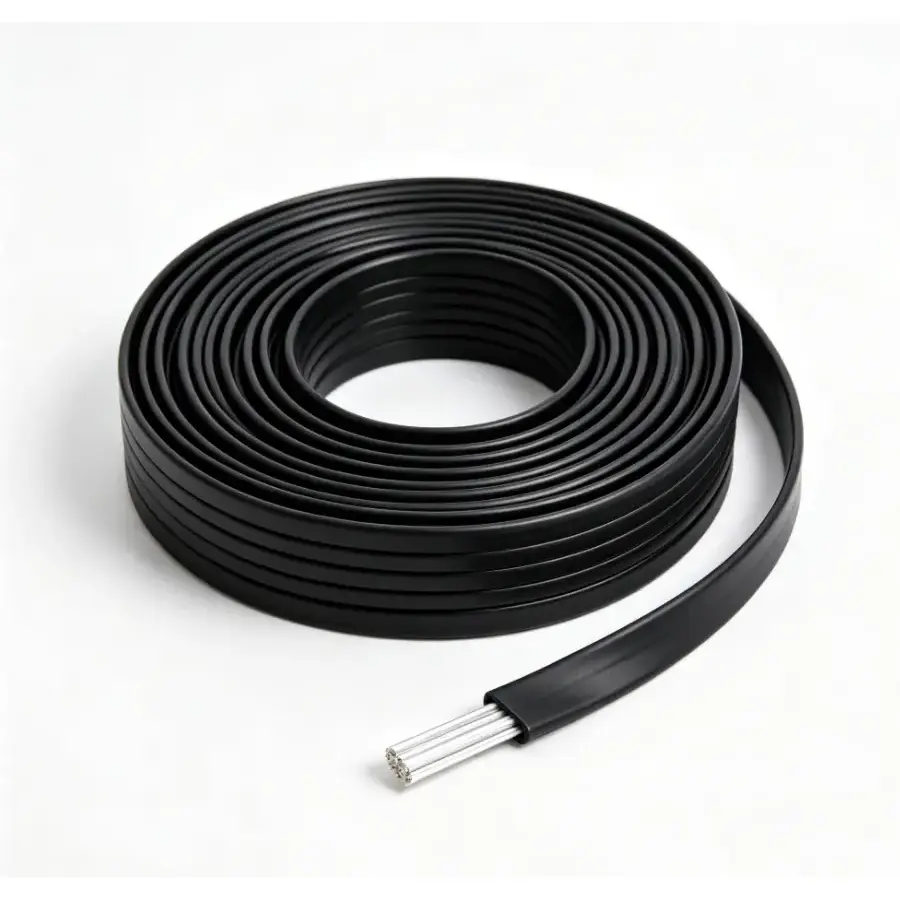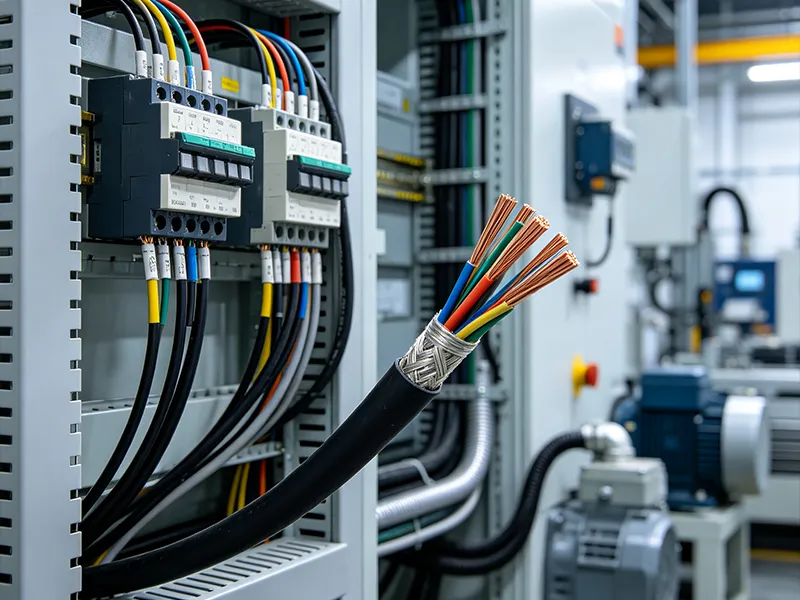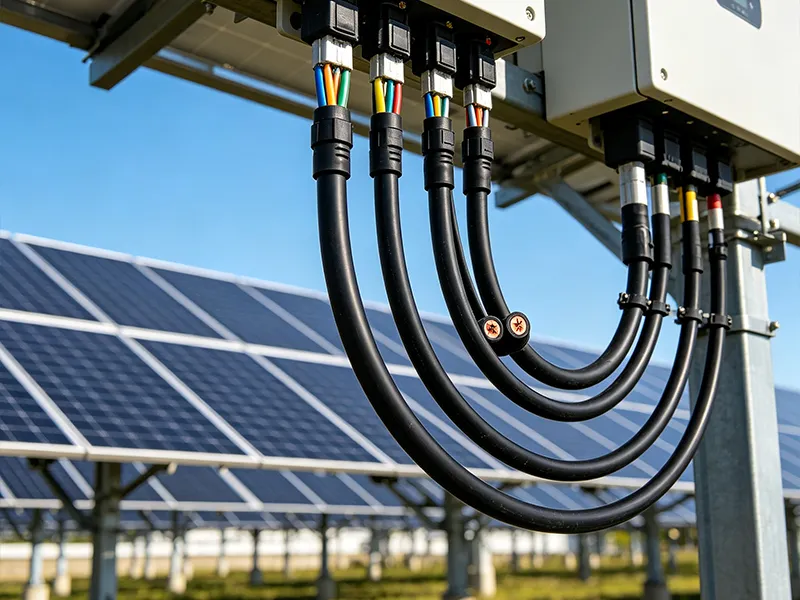
Qiancheng Aluminum PVC FR Fire Resistant Low Voltage Power Cable is designed for low-voltage power distribution where flame-retardant and fire-resistant performance is required. The aluminum conductor construction can be specified for building services, emergency power circuits, industrial facilities and other projects where conductor weight, installation conditions and fire-performance requirements need to be considered together.
|
Nominal Conductor Cross-sectional Area (mm²) |
Insulation Thickness (mm) |
Sheath Thickness (mm) |
Approximate Cable Outer Diameter (mm) |
DC Resistance of Al Conductor (Ω/km) |
Test Voltage (kV/5min) |
Ampacity-Al in Air (A) |
Ampacity-Al in Direct-buried Soil (A) |
|
1×1.5 |
0.7 |
1.5 |
6 |
— |
3.5 |
— |
— |
|
1×2.5 |
0.7 |
1.5 |
6 |
≤12.1 |
3.5 |
26 |
32 |
|
1×4 |
0.7 |
1.5 |
7 |
≤7.41 |
3.5 |
35 |
42 |
|
1×6 |
0.7 |
1.5 |
7 |
≤4.61 |
3.5 |
45 |
54 |
|
1×10 |
0.7 |
1.5 |
8 |
≤3.08 |
3.5 |
59 |
69 |
|
1×16 |
0.7 |
1.5 |
9 |
≤1.91 |
3.5 |
78 |
90 |
|
1×25 |
0.9 |
1.5 |
10 |
≤1.20 |
3.5 |
100 |
115 |
|
1×35 |
0.9 |
1.5 |
12 |
≤0.868 |
3.5 |
125 |
135 |
|
1×50 |
1.0 |
1.5 |
13 |
≤0.641 |
3.5 |
150 |
165 |
|
1×70 |
1.1 |
1.5 |
14 |
≤0.443 |
3.5 |
190 |
200 |
|
1×95 |
1.1 |
1.5 |
16 |
≤0.320 |
3.5 |
230 |
240 |
|
1×120 |
1.2 |
1.5 |
18 |
≤0.253 |
3.5 |
370 |
275 |
|
1×150 |
1.4 |
2.0 |
21 |
≤0.206 |
3.5 |
310 |
310 |
|
1×185 |
1.6 |
2.0 |
23 |
≤0.164 |
3.5 |
360 |
355 |
|
1×240 |
1.7 |
2.0 |
25 |
≤0.125 |
3.5 |
430 |
410 |
|
1×300 |
1.8 |
2.0 |
34 |
≤0.100 |
3.5 |
495 |
465 |
|
1×400 |
2.0 |
2.1 |
37 |
≤0.0778 |
3.5 |
590 |
535 |
|
1×500 |
2.2 |
2.2 |
41 |
≤0.0605 |
3.5 |
685 |
610 |
|
1×630 |
2.4 |
2.3 |
45 |
≤0.0469 |
3.5 |
800 |
695 |
|
1×800 |
2.6 |
2.4 |
46 |
≤0.0367 |
3.5 |
930 |
785 |
|
1×1000 |
2.8 |
2.6 |
51 |
≤0.0291 |
3.5 |
1050 |
875 |
The cable uses an aluminum conductor for low-voltage power transmission. Aluminum construction can reduce conductor weight compared with copper at an equivalent cross-sectional area, but conductor selection should also consider resistance, allowable current, voltage drop, connection method and installation conditions. The values in the technical table provide the starting point for project-level cable selection.
The fire-resistant construction is intended to help maintain circuit continuity under specified fire-test conditions. The required fire-resistance level should be confirmed from the applicable product standard and project specification. Fire resistance and flame retardancy are different performance characteristics and should be evaluated using the corresponding test requirements.
Flame-retardant PVC is used for the insulation and outer sheath in the stated construction. Its role is to limit flame propagation under the specified test conditions. The actual performance level should be verified through the relevant product test report rather than inferred from the material name alone.
Insulation and sheath thickness increase with conductor cross-sectional area according to the product specification. These dimensions affect the overall cable diameter, installation space and mechanical protection requirements, so the final cable size should be checked against the available tray, conduit or trench arrangement.
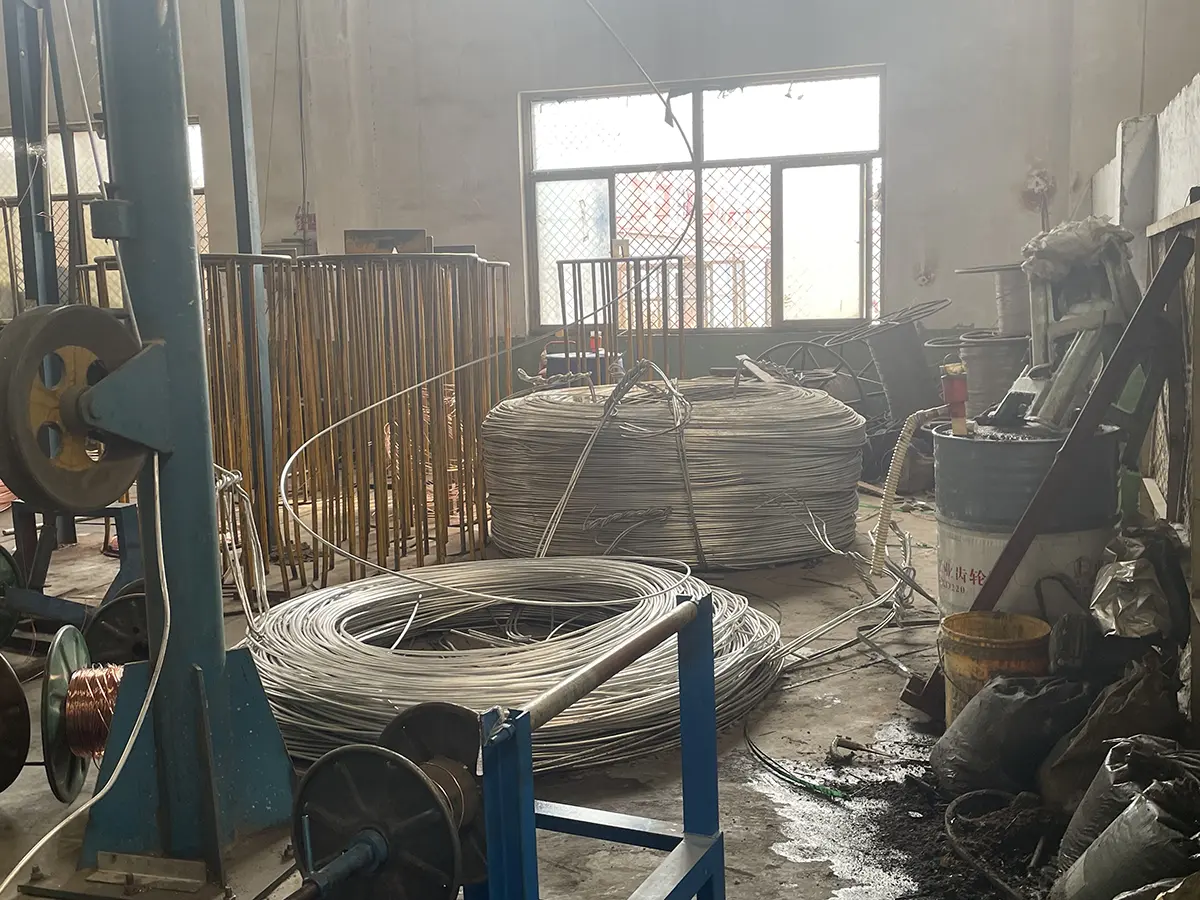
Qiancheng manufactures the cable through conductor processing, fire-resistant layer application, insulation extrusion and sheath extrusion. Production inspection can include conductor resistance, dimensional checks, insulation performance and relevant fire-performance testing according to the agreed specification.
Incoming conductor and insulation materials are checked against the applicable production requirements before processing. Aluminum conductor resistance and dimensional consistency are important quality-control points because they directly affect electrical performance and finished-cable conformity.
Conductor processing, fire-resistant layer application and extrusion parameters are controlled during production. Insulation and sheath thickness are checked against the product specification to reduce dimensional variation between production batches.
Production and inspection records can be associated with the relevant cable batch and reel identification. For engineering orders, the required inspection documents, test records and reel information can be agreed before production to support project filing and acceptance.
Third-party factory inspection, sampling or witnessed testing can be arranged when required by the purchase specification. The inspection scope should be confirmed in advance so that the relevant samples, test equipment and production records are available.
The fire-resistant construction is intended for circuits where continued electrical function during a defined fire exposure is part of the project requirement. The required test duration, flame temperature, mechanical conditions and circuit-integrity criteria should be confirmed from the applicable standard and project specification.
Flame-retardant performance concerns the limitation of flame propagation along the cable under defined test conditions. IEC 60332 covers tests on electric and optical-fibre cables under fire conditions, including vertical flame-propagation methods for individual cables and grouped-cable arrangements.
For projects with fire-safety acceptance requirements, the applicable test report should identify the tested cable construction, conductor size, test method and result. This is more useful for technical review than relying only on general descriptions such as fire-resistant or flame-retardant.
For low-voltage cables required to maintain circuit integrity during fire, IEC 60331 provides test methods under defined fire conditions. Different parts of the standard apply according to cable diameter and test arrangement, so the exact test method should be matched to the cable construction and project requirement.
The cable construction combines the aluminum conductor, fire-resistant layer, insulation and outer sheath. Each layer performs a different function, so selection should consider the complete construction rather than conductor material alone.
The conductor provides the electrical path for the low-voltage circuit. Cross-sectional area should be selected according to design current, allowable voltage drop, installation conditions and applicable electrical requirements.
The fire-resistant layer provides thermal protection around the conductor during the specified fire exposure. Its performance is assessed through the applicable fire-resistance test rather than through normal operating-temperature data.
The insulation separates the energized conductor from other conductive or external components. Uniform insulation thickness is important for electrical integrity and dimensional consistency during production.
The outer sheath provides protection against the external installation environment and contributes to the cable's flame-retardant performance. Where outdoor installation is required, the sheath material and environmental resistance should be confirmed against the actual exposure conditions.


The Aluminum PVC FR Fire Resistant Low Voltage Power Cable can be specified for selected low-voltage circuits in hospitals, schools, shopping centers, office buildings and other public facilities where fire-performance requirements apply. Typical circuits may include emergency power, fire-related equipment and other designated low-voltage loads.
Industrial plants and production facilities may use fire-resistant low-voltage cables for selected emergency or essential power circuits. Cable size should be determined from the equipment load, starting current, installation arrangement and required voltage-drop limits.
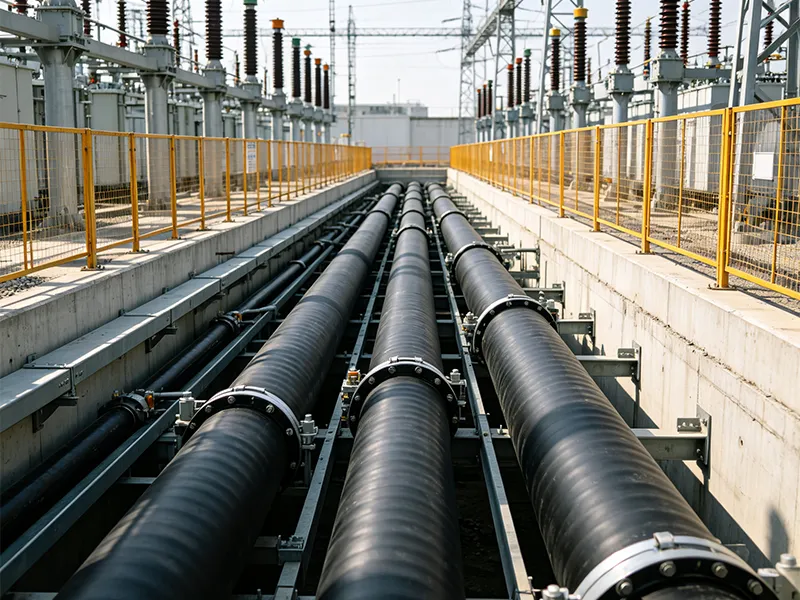
The cable may be considered for low-voltage distribution and renovation projects where aluminum conductors are suitable for the electrical design and the specified fire-performance requirements. Installation may include cable trays, trenches or other protected routing systems depending on the project.
Underground cable routes require consideration of moisture, mechanical damage, corrosion, drainage and access for maintenance. Direct burial should only be used where the cable construction and project specification permit it, with additional protection applied where site conditions require.
Before tray or vertical installation, engineers should verify cable weight, bending requirements, support spacing, heat dissipation and the number of circuits installed together. Aluminum conductors can be useful where cable weight is an important installation consideration, but electrical sizing remains the primary selection factor.
Cross-sectional area should be selected according to design current and checked against allowable voltage drop, installation conditions, ambient temperature and cable grouping. The ampacity values in the table should be interpreted together with the actual project installation conditions rather than used as universal field values.
Fire resistance and flame retardancy should be specified separately in the purchase documentation. If a project requires continued circuit operation during fire, the required fire-integrity test method and duration should be stated clearly. If the project only requires limitation of flame spread, the applicable flame-retardant test should be identified.
Indoor, outdoor, underground and cable-tray installations can impose different requirements on the outer sheath and supporting installation system. For projects involving moisture, chemical exposure, strong sunlight or high mechanical risk, the installation conditions should be reviewed before finalizing the cable construction.
For export and infrastructure orders, the purchase specification can define conductor resistance, insulation dimensions, test voltage, fire-performance testing, inspection scope and documentation requirements. Agreeing these items before production helps avoid differences between procurement documents and final acceptance criteria.
For a quotation or technical review, customers can provide the rated voltage, conductor cross-section, required cable length, installation method, project application and applicable standard. Qiancheng can review these details and confirm the suitable Aluminum PVC FR Fire Resistant Low Voltage Power Cable construction together with the required technical documents.
For projects involving fire-resistant circuits, it is also useful to specify the required fire-integrity test method, flame-retardant test level, conductor resistance requirements and inspection procedure before production. This information allows the manufacturing and quality-control teams to work against a defined technical specification.
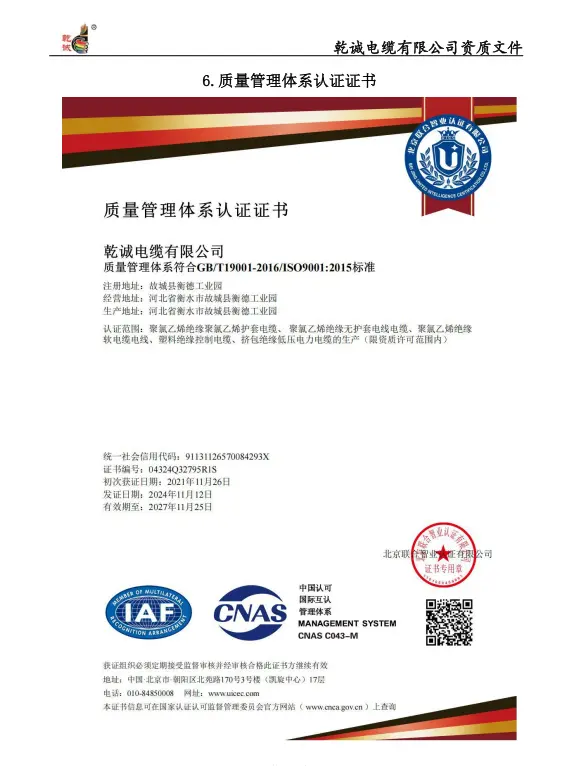
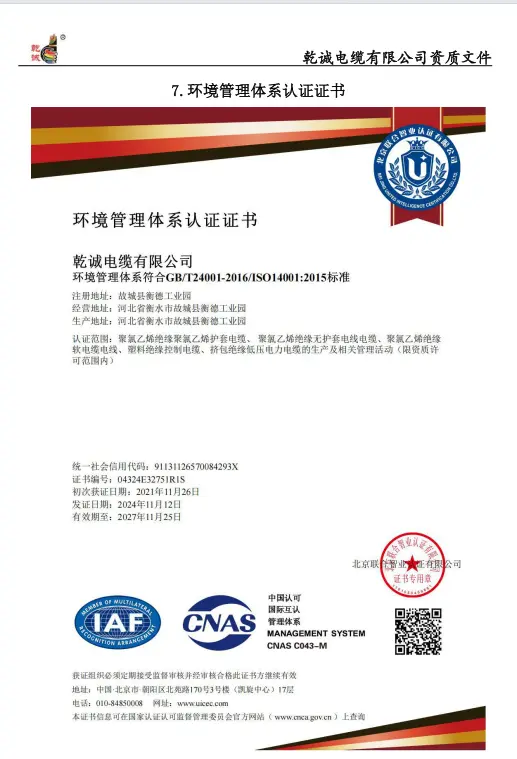
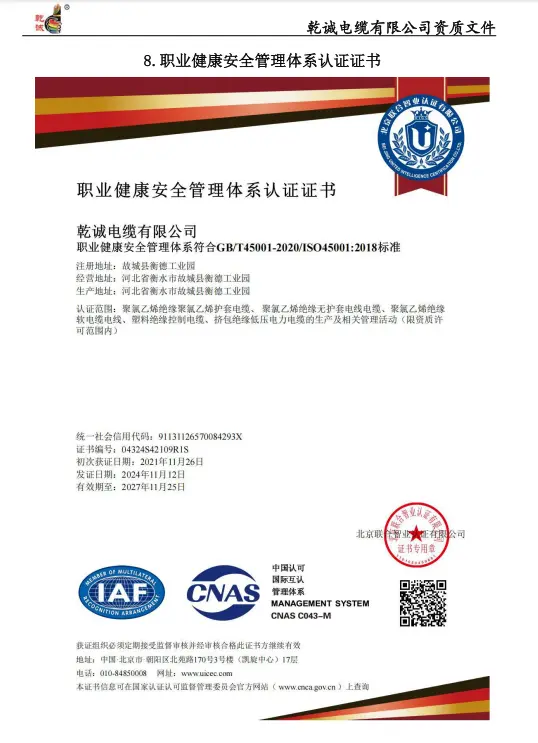
Where applicable to the project, Qiancheng can provide documentation related to quality, environmental and occupational-health-and-safety management systems, including ISO9001, ISO14001 and ISO45001 certificates.
Production licenses and product-specific qualification documents can be supplied according to the product, destination market and project requirements. Customers should confirm the exact certificates required for local regulatory or project acceptance before ordering.
Fire-resistance and flame-retardant test reports can be provided according to the tested construction and applicable test method. For technical review, the report should be checked against the ordered cable construction, conductor size and required performance level.
For overseas orders, technical documents can include English-language specifications, inspection records, factory acceptance documents, packing information and batch traceability records when included in the purchase agreement.
A: They address different fire-performance characteristics. A flame-retardant cable is designed to limit flame propagation under defined test conditions, while a fire-resistant cable is designed to maintain circuit integrity for a specified period under the applicable fire-test conditions. The required performance should be stated in the project specification.
A: Aluminum can reduce conductor weight compared with copper at the same nominal cross-sectional area. It can therefore be considered for projects where cable weight, installation handling and material cost are important factors. The conductor size must still be selected according to current capacity, voltage drop and applicable electrical requirements.
A: Selection should consider design current, installation method, ambient temperature, cable grouping, circuit length, voltage drop and short-circuit conditions. The ampacity values in the table provide reference data, but the final selection should be checked against the actual installation arrangement.
A: It can be considered for low-voltage circuits where the project requires the corresponding fire-resistant construction. For fire pumps, emergency lighting or other life-safety equipment, the required circuit-integrity duration and applicable local or project standard should be confirmed before cable selection.
A: Outdoor use depends on the sheath construction, environmental exposure and installation method. Where the cable is exposed to prolonged sunlight, moisture, chemicals or mechanical damage, the project should specify the required environmental protection and installation system.
A: Direct burial should only be used when permitted by the cable specification and project design. Soil moisture, corrosion, mechanical protection, drainage and expected service conditions should be evaluated before selecting direct burial. Conduit or other protective measures may be required in demanding environments.
A: Yes. Factory inspection, sampling and witnessed testing can be arranged according to the agreed inspection plan. The required test items, sampling method, documentation and acceptance criteria should be confirmed before production.
A: Useful information includes conductor size, cable length, voltage level, installation method, application, destination country, applicable standard and required fire-performance level. If the cable specification has not been finalized, the project load and installation conditions can be provided for an initial technical review.
Address
Qiancheng Cable Co., Ltd., Hengde Industrial Park, Gucheng County, Hengshui City, Hebei Province, China
Tel
Looking for the right cable for a project or application? Send your requirements to Qiancheng Cable for product selection and quotation. You can provide the cable type, voltage rating, conductor material, cross-section, core number, insulation, application and required quantity.
Whether you need standard cables or specification-based production, our team can review your requirements and recommend suitable product options from our manufacturing range.