News

High-Performance Power Cables Become Core Infrastructure for Global Grid Upgrade and Energy Transition

2026-09-10 0 Leave me a message

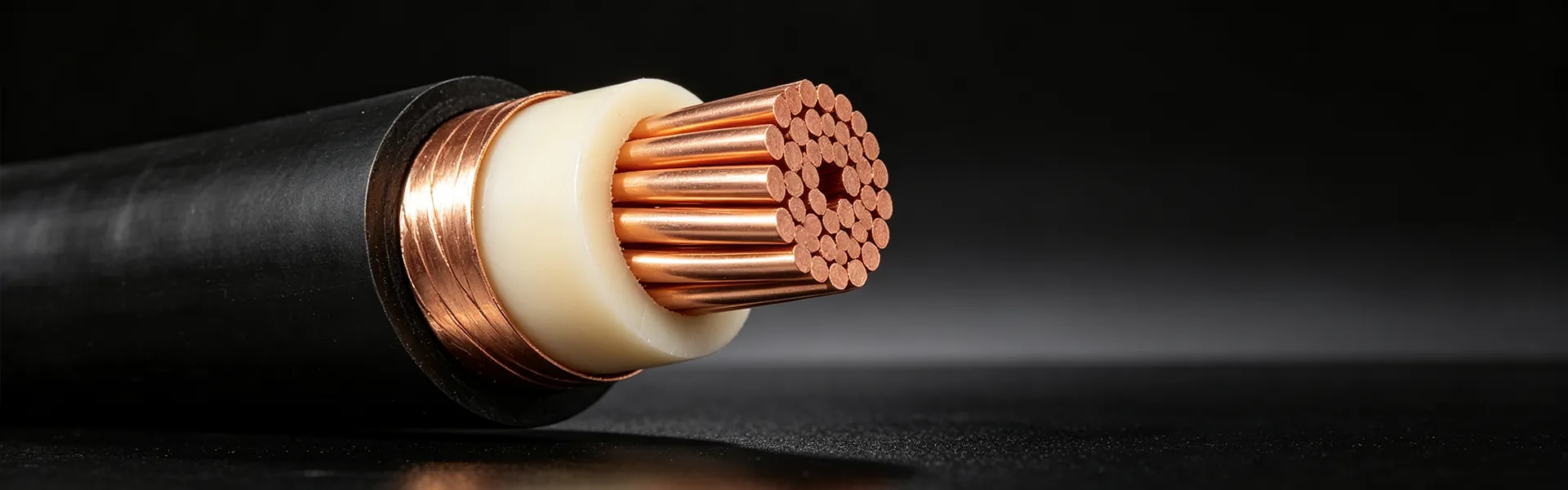
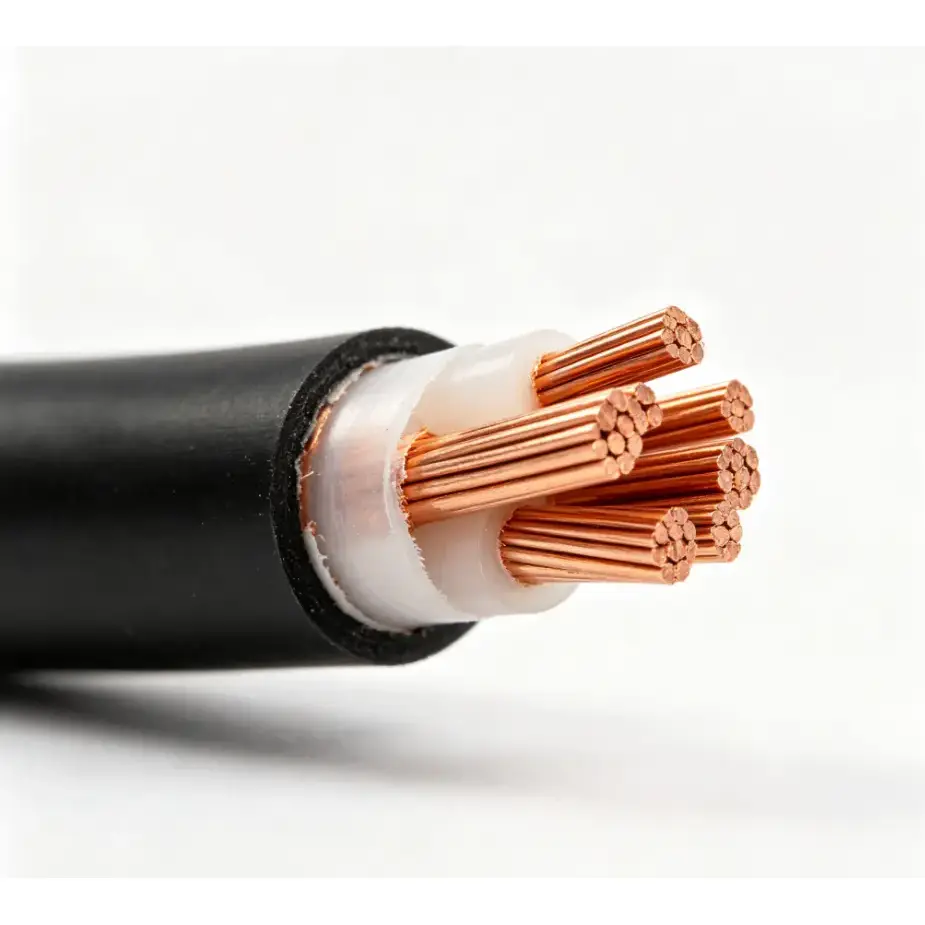
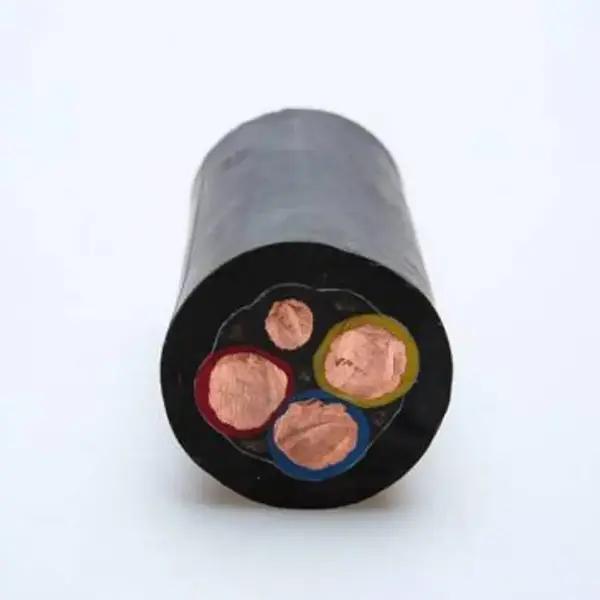
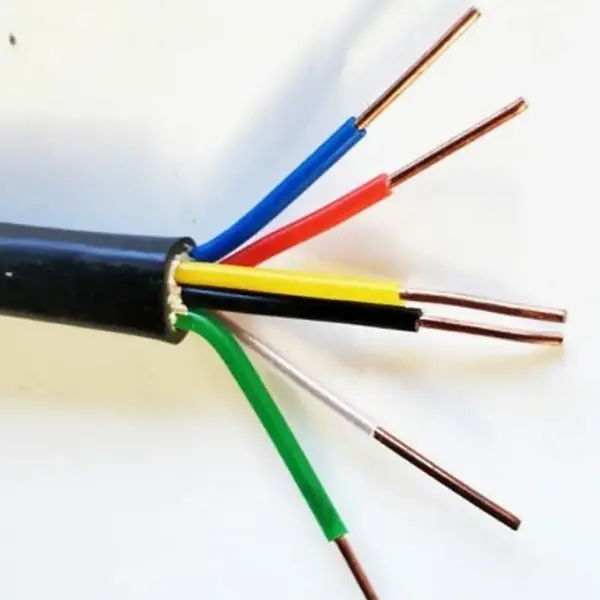
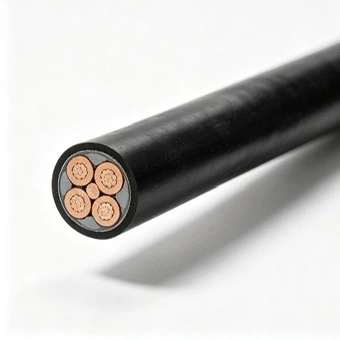
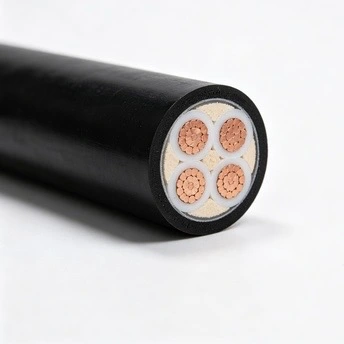
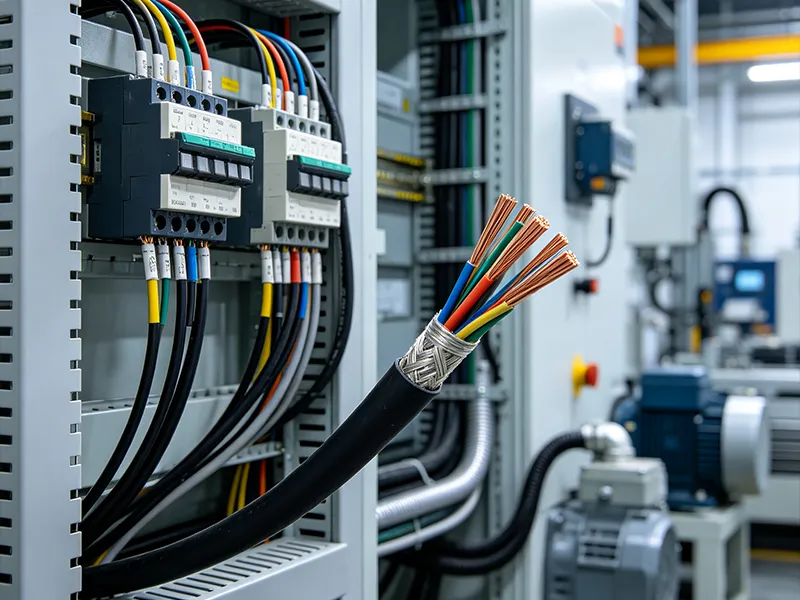
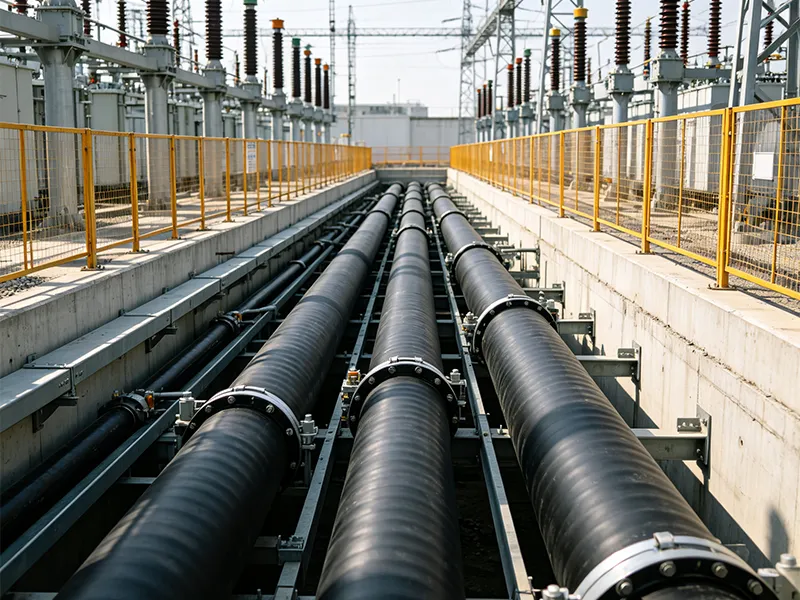
Power cables are the essential electrical transmission infrastructure that supports urban power grids, industrial power supply, and new energy grid integration worldwide. As global countries accelerate power grid renovation and carbon-neutral energy layout, high-quality power cables with high voltage resistance, low loss, and long service life have become a key demand in the electrical equipment industry in 2026. Unlike ordinary household wires, industrial and utility-grade power cables are professionally designed for long-distance, high-current, and stable power transmission, covering overhead laying, underground pipe trenches, and indoor and outdoor engineering scenarios.

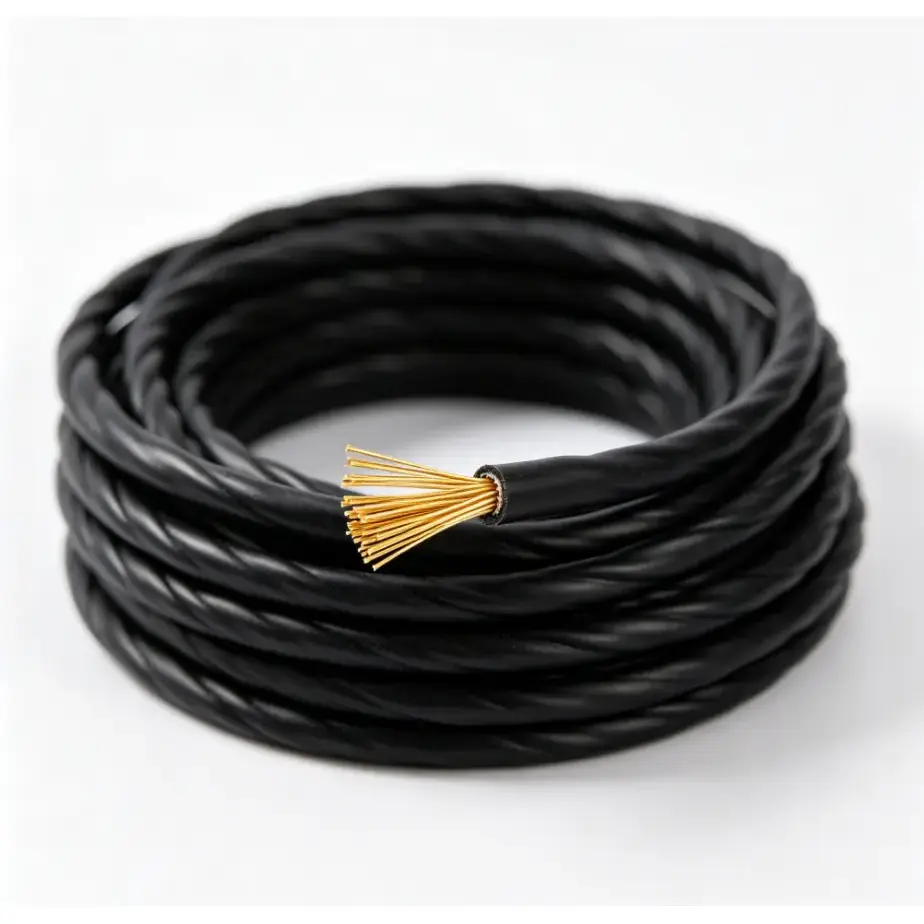
Modern power cable products mainly adopt high-purity copper or aluminum conductors and XLPE cross-linked polyethylene insulation materials. This advanced material formula effectively solves the aging, cracking, and insulation breakdown problems of traditional PVC cables under long-term high-load operation. Excellent thermal stability allows power cables to maintain stable electrical performance under high-temperature working conditions, greatly reducing line loss and improving overall power transmission efficiency. For urban power grid reconstruction projects, medium and high-voltage power cables replace exposed overhead lines, avoiding power failure risks caused by extreme weather such as strong winds, thunderstorms, and freezing rain, while beautifying urban public space.

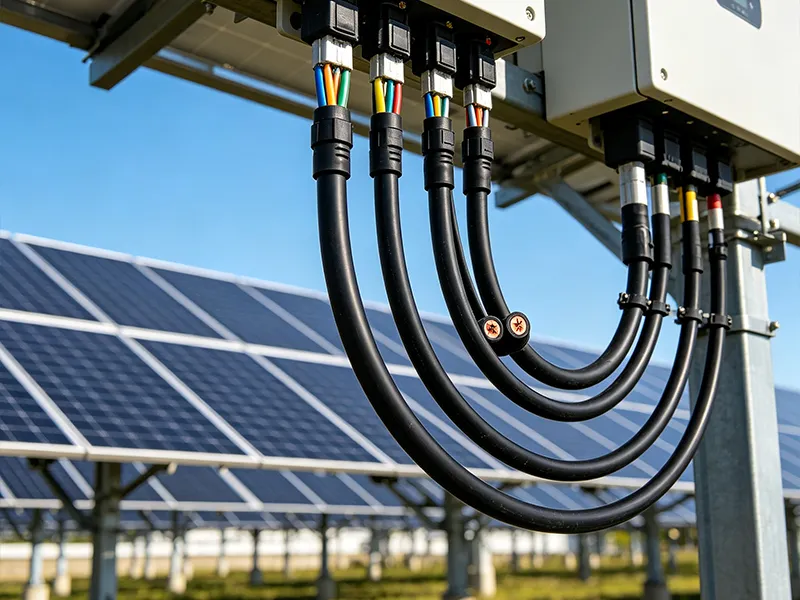
The booming new energy industry further boosts the market demand for upgraded power cables. Large-scale wind farms, photovoltaic power stations, and energy storage power stations require dedicated high-power power cables to transmit intermittent new energy power to the main grid. Traditional cables cannot adapt to the fluctuating voltage and current of new energy power generation, leading to excessive loss and frequent faults. New-generation low-loss power cables optimize conductor structure and insulation thickness, effectively adapting to the unstable output characteristics of renewable energy and improving grid operation safety.

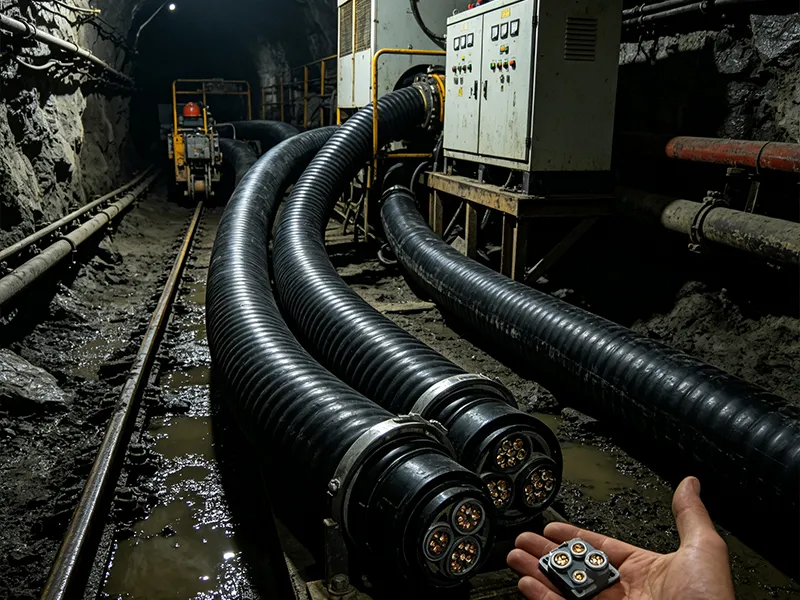
Safety and durability are the core evaluation standards of power cable engineering applications. Qualified industrial power cables have flame-retardant, fire-resistant, waterproof, and anti-aging properties. Fire-resistant power cables can maintain complete circuit continuity for a specified period in fire accidents, ensuring the normal operation of fire-fighting equipment, emergency lighting, and alarm systems in high-rise buildings, industrial parks, and public facilities. In coastal and humid areas, waterproof and corrosion-resistant power cable sheaths prevent moisture penetration and chemical erosion, extending the service life of buried lines to more than 30 years.

In terms of industry trends, intelligent power cables have become a new development direction. Integrated temperature and current sensing modules realize real-time monitoring of cable operating status, helping power departments implement predictive maintenance and avoid sudden line faults. With the continuous advancement of global grid digitalization and intelligent transformation, high-performance, low-energy-consumption, and intelligent power cables will continue to consolidate their core position in power transmission engineering. Industry institutions predict that the global power cable market will maintain steady growth in the next five years, driven by infrastructure investment and new energy construction.


Related News
Leave me a message
X
We use cookies to offer you a better browsing experience, analyze site traffic and personalize content. By using this site, you agree to our use of cookies. Privacy Policy
RejectAccept