News

Which 21/35kV XLPE Insulated Power Cable Should You Choose for Medium-Voltage Distribution

2026-11-23 0 Leave me a message

When a project requires reliable medium-voltage power distribution, the 21/35kV XLPE insulated power cable from Qiancheng Cable is engineered to deliver stable electrical performance, mechanical protection, and long service life in demanding environments. As a professional manufacturer of 21/35kV XLPE insulated power cables, Qiancheng Cable supplies solutions for utilities, industrial plants, renewable energy projects, and commercial infrastructure. This article explains what this cable is, why it matters, how to select and install it, and which configuration fits your application best.

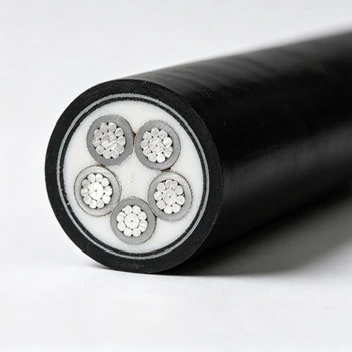
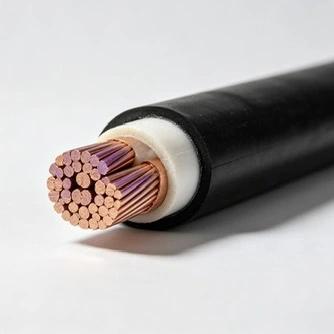
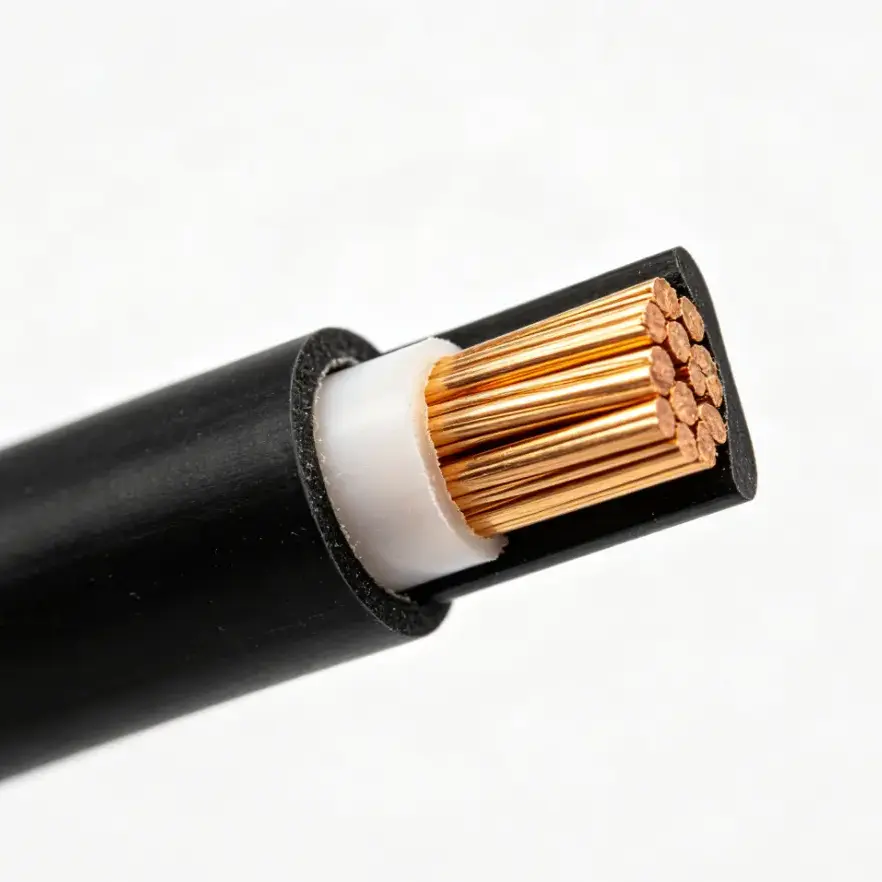
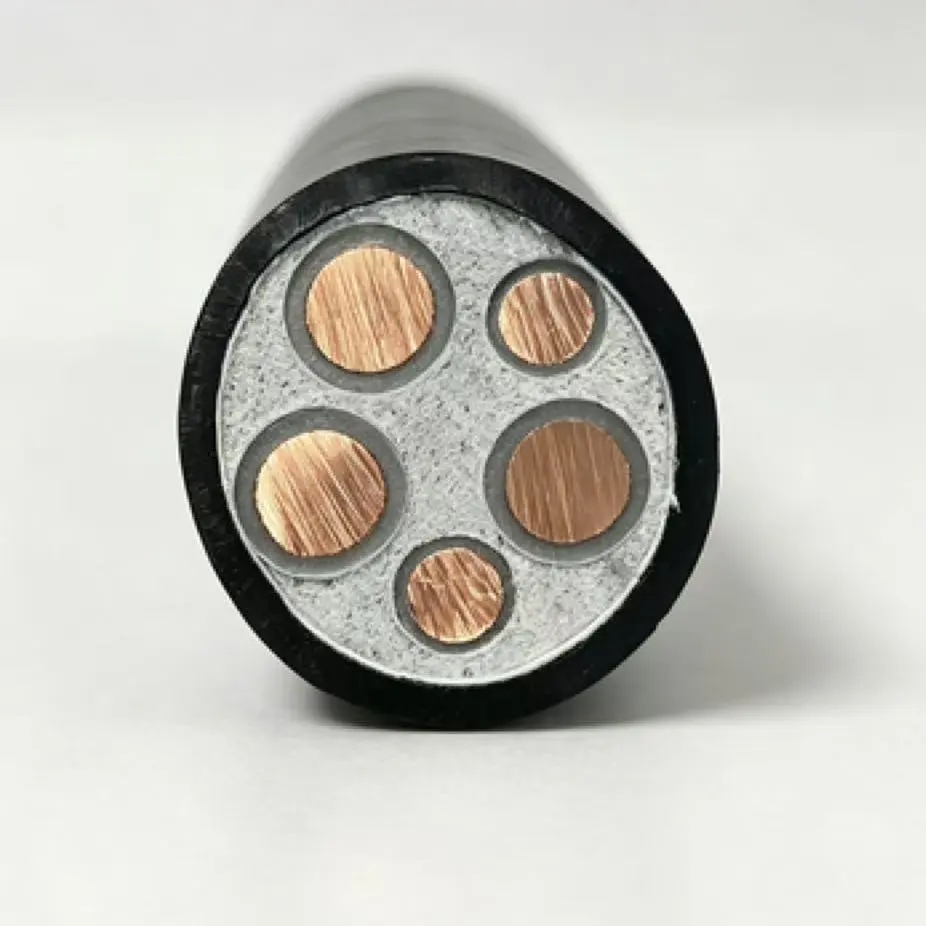
21/35kV XLPE Insulated Power Cable

Table of Contents


What is a 21/35kV XLPE Insulated Power Cable?

A 21/35kV XLPE insulated power cable is a medium-voltage cable designed for rated voltages of 21kV to 35kV. The designation “21/35kV” refers to the voltage rating: 21kV is the phase-to-ground voltage, and 35kV is the phase-to-phase voltage. The insulation material is cross-linked polyethylene (XLPE), which provides excellent dielectric strength, thermal stability, and resistance to aging and moisture.

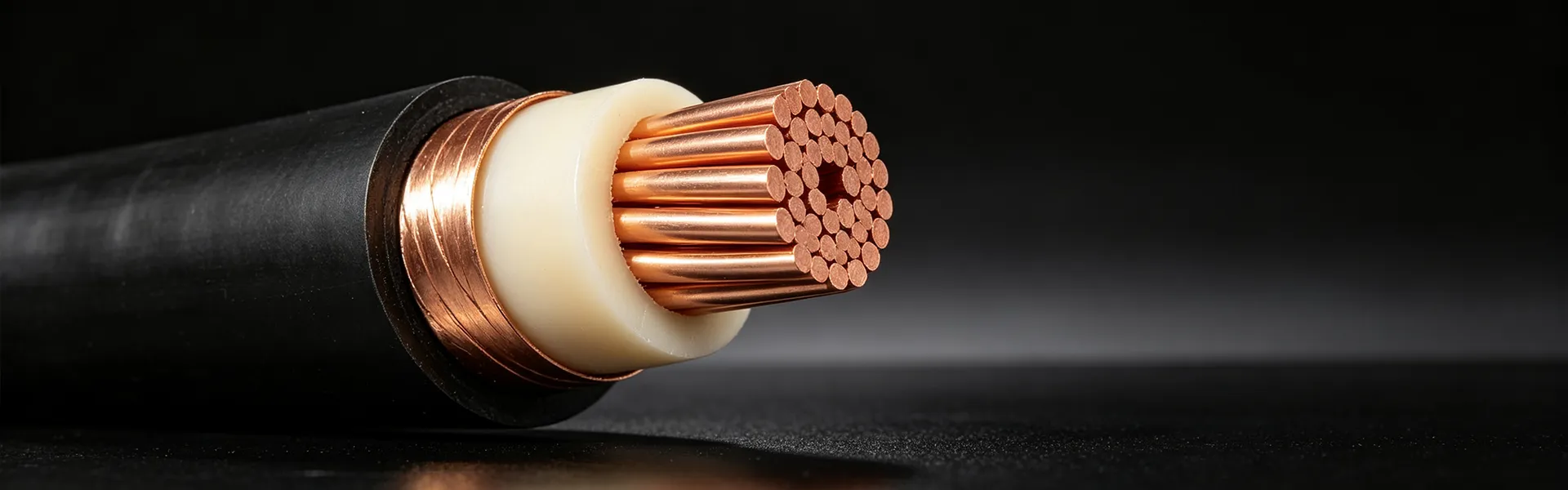
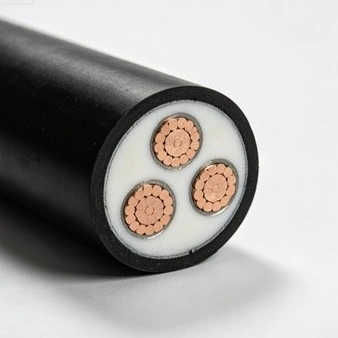
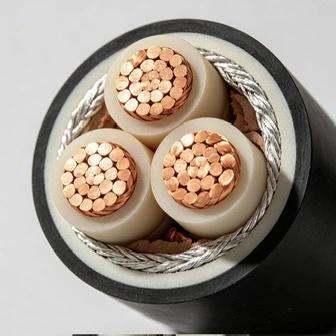
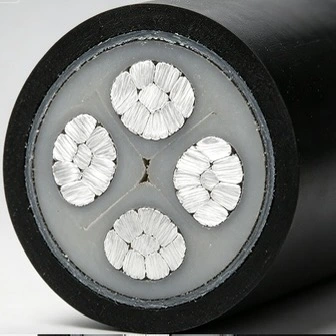
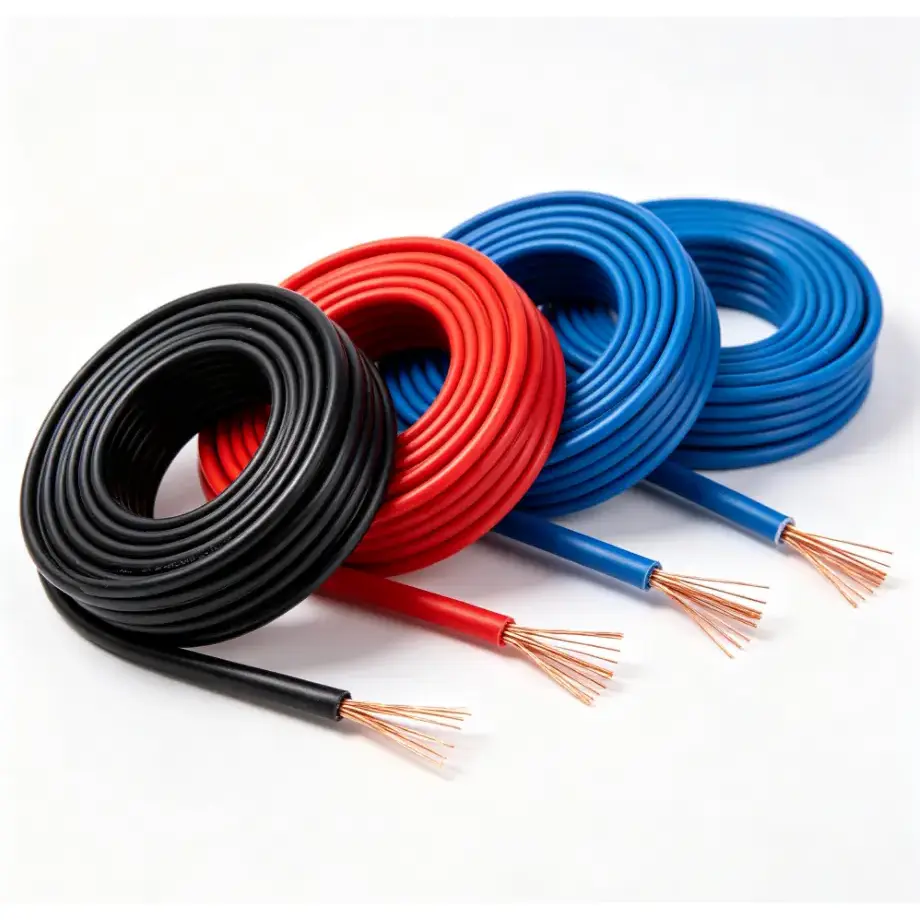
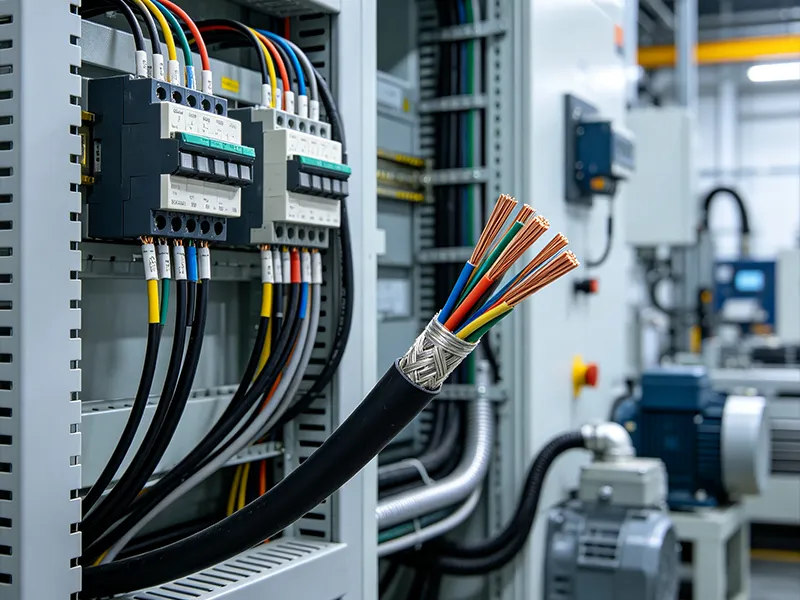
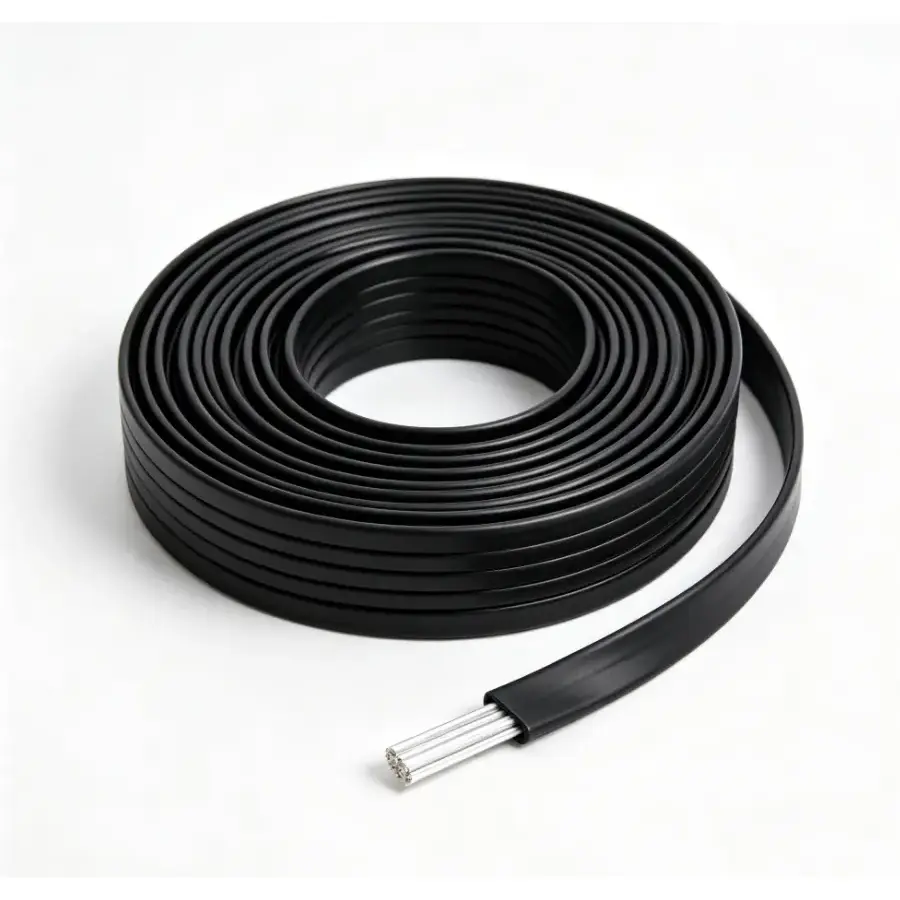
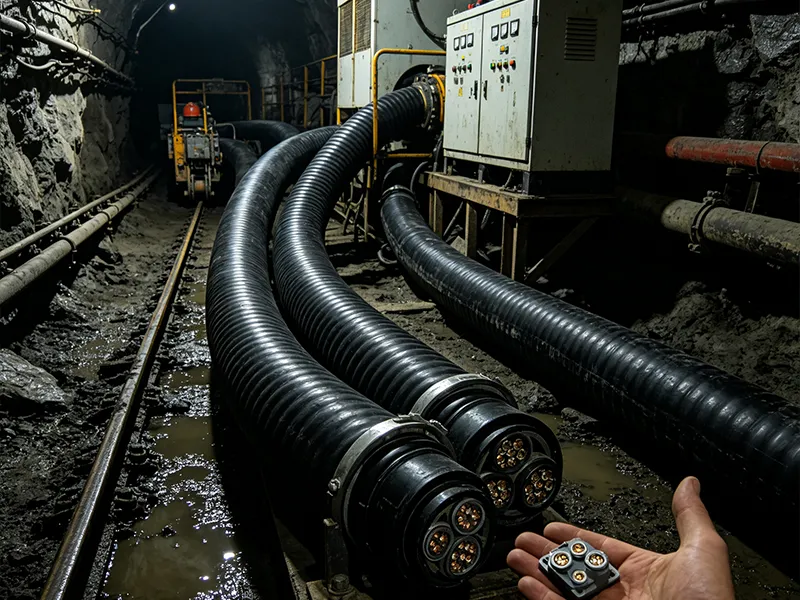
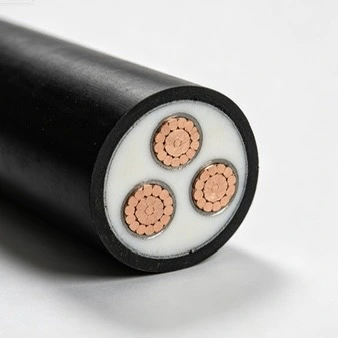
These cables typically consist of a copper or aluminum conductor, an XLPE insulation layer, a metallic screen or armor, and an outer sheath. The construction may vary depending on the application, installation method, and environmental conditions. Common standards include IEC 60502-2, GB/T 12706, and other regional specifications. Qiancheng Cable manufactures 21/35kV XLPE insulated power cables in single-core and three-core configurations, with conductor sizes and sheath materials tailored to project requirements.


Why Choose a 21/35kV XLPE Insulated Power Cable?

Medium-voltage distribution systems require cables that can handle high electrical stress while maintaining safety and reliability. The 21/35kV XLPE insulated power cable offers several key advantages:

  • High dielectric strength: XLPE insulation withstands higher operating temperatures (up to 90°C continuous, 250°C short-circuit) compared to PVC or paper-insulated cables.
  • Excellent moisture resistance: XLPE is less susceptible to water treeing when properly compounded and manufactured, extending cable life in wet or humid environments.
  • Lower dielectric losses: The low dissipation factor of XLPE improves transmission efficiency and reduces operating costs.
  • Mechanical robustness: With appropriate armor and sheath options, these cables resist mechanical damage during installation and operation.
  • Long service life: Qualified XLPE cables can provide 30 years or more of reliable service under normal operating conditions.
  • Environmental compatibility: Modern XLPE formulations and sheath materials can meet low-smoke, halogen-free, and flame-retardant requirements.

For projects that demand stable medium-voltage transmission with minimal maintenance, the 21/35kV XLPE insulated power cable is a proven and cost-effective choice.


How to Select a 21/35kV XLPE Insulated Power Cable?

Selecting the right cable involves evaluating electrical, mechanical, and environmental factors. The following checklist helps engineers and procurement teams specify the correct 21/35kV XLPE insulated power cable:

  • Voltage rating: Confirm system voltage and required insulation level (21/35kV, 26/35kV, etc.).
  • Conductor material and cross-section: Choose copper or aluminum based on current-carrying capacity, voltage drop, and cost. Cross-section should be sized for continuous current, short-circuit withstand, and future load growth.
  • Number of cores: Single-core cables are common for higher voltages and ease of installation; three-core cables suit compact routes and reduced magnetic field issues.
  • Insulation thickness: Must meet the specified standard (e.g., IEC 60502-2) and account for operating voltage and impulse withstand.
  • Metallic screen: Copper tape or wire screen for earthing and fault current paths.
  • Armor: Steel tape or steel wire armor for mechanical protection in direct burial or high-risk areas.
  • Outer sheath: PVC, PE, or LSZH depending on fire safety, UV exposure, and chemical resistance requirements.
  • Installation method: Direct burial, duct, tray, or aerial—affects armor and sheath selection.
  • Environmental conditions: Temperature range, moisture, chemical exposure, and rodent resistance.
  • Standards and certifications: Ensure compliance with IEC, GB, or local codes and third-party approvals.

Providing complete project details to a manufacturer such as Qiancheng Cable allows for accurate product selection and quotation.


Which Applications Use a 21/35kV XLPE Insulated Power Cable?

The 21/35kV XLPE insulated power cable is widely used in medium-voltage power distribution networks and industrial systems. Typical applications include:

  • Utility distribution networks: Urban and rural medium-voltage feeders, ring main units, and substation connections.
  • Industrial plants: Power supply for motors, transformers, switchgear, and process lines.
  • Renewable energy projects: Wind farms, solar PV plants, and battery energy storage systems requiring medium-voltage collection and transmission.
  • Commercial and institutional buildings: High-rise buildings, data centers, hospitals, and campuses with medium-voltage distribution.
  • Infrastructure: Airports, railways, tunnels, and ports where reliable power is critical.

Each application may require specific cable construction, such as low-smoke zero-halogen sheath for tunnels or enhanced mechanical protection for direct burial.


When Should You Install a 21/35kV XLPE Insulated Power Cable?

Installation timing depends on project phase, environmental conditions, and logistical planning. Consider the following:

  • During construction phase: Install cables after civil works and before final backfilling or closing of trenches.
  • Weather conditions: Avoid installation in extreme cold or wet conditions unless proper precautions are taken, as XLPE and sheath materials have temperature limits for handling and bending.
  • Coordination with other trades: Schedule cable pulling before permanent structures, cable trays, or duct banks are closed.
  • Testing and commissioning: Plan for insulation resistance tests, high-voltage tests, and continuity checks after installation and before energization.
  • Replacement or upgrade projects: When existing cables reach end of life or system capacity increases, plan for planned outages and phased replacement.

Proper installation planning minimizes downtime and ensures the cable’s long-term performance.


Comparison Table: 21/35kV XLPE Cable vs. Other Medium-Voltage Cables

Feature 21/35kV XLPE Insulated Cable PVC Insulated Cable Paper Insulated Cable EPR Insulated Cable
Maximum continuous conductor temperature 90°C 70°C 65–80°C 90°C
Dielectric losses Low Moderate Higher Low to moderate
Moisture resistance Excellent (with proper construction) Good Poor without metallic sheath Good
Mechanical strength Good to excellent (with armor) Moderate Moderate Good
Installation flexibility Good Good Poor (requires special handling) Excellent
Typical service life 30+ years 20–25 years 20–30 years 25–30 years
Environmental options LSZH, flame-retardant, UV-resistant Limited Limited Good

This comparison highlights why 21/35kV XLPE insulated cables are preferred for modern medium-voltage distribution where efficiency, longevity, and safety are priorities.


FAQ

Q1: What does 21/35kV mean in a power cable?
A1: It indicates the voltage rating: 21kV phase-to-ground and 35kV phase-to-phase. This cable is suitable for medium-voltage distribution systems operating at these levels.

Q2: Can 21/35kV XLPE cables be installed underground?
A2: Yes, with appropriate armor and outer sheath, these cables are suitable for direct burial and duct installation. Proper bedding and backfill are essential to prevent mechanical damage.

Q3: What is the maximum conductor temperature for XLPE insulation?
A3: The maximum continuous conductor temperature is typically 90°C. Short-circuit temperature can reach 250°C for a limited duration, depending on the standard and conductor type.

Q4: Are 21/35kV XLPE cables available with low-smoke zero-halogen sheath?
A4: Yes, manufacturers like Qiancheng Cable offer LSZH sheath options for applications requiring reduced smoke and halogen emissions, such as tunnels and public buildings.

Q5: What standards should a 21/35kV XLPE cable comply with?
A5: Common standards include IEC 60502-2, GB/T 12706, and project-specific specifications. Buyers should confirm the applicable standard with the manufacturer.


Contact Us

Ready to specify the right 21/35kV XLPE insulated power cable for your project? Qiancheng Cable provides product selection, technical support, and competitive quotations for standard and customized medium-voltage cables. Share your voltage rating, conductor size, core number, installation method, and quantity with our team, and we will recommend the most suitable solution. Contact us today to discuss your requirements and receive a prompt response from our experienced sales and engineering team.

Related News
Leave me a message
X
We use cookies to offer you a better browsing experience, analyze site traffic and personalize content. By using this site, you agree to our use of cookies. Privacy Policy
RejectAccept