News

How Can Aluminum PVC Insulated Round Wire Deliver Reliable and Cost-Effective Low-Voltage Wiring

2026-10-16 0 Leave me a message

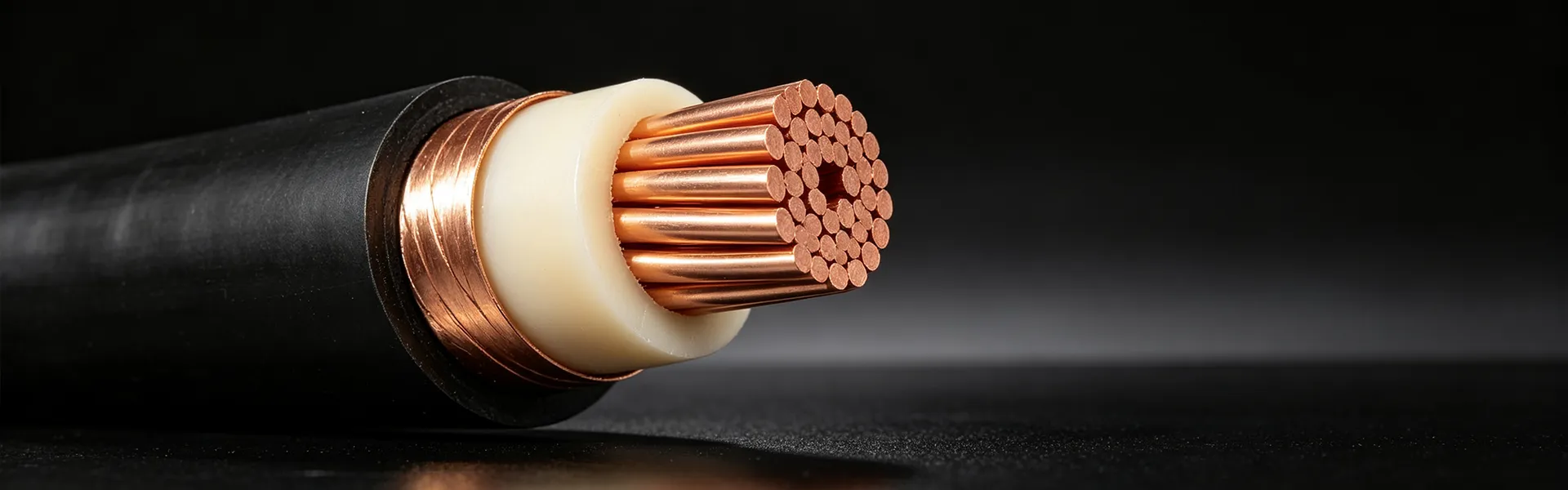
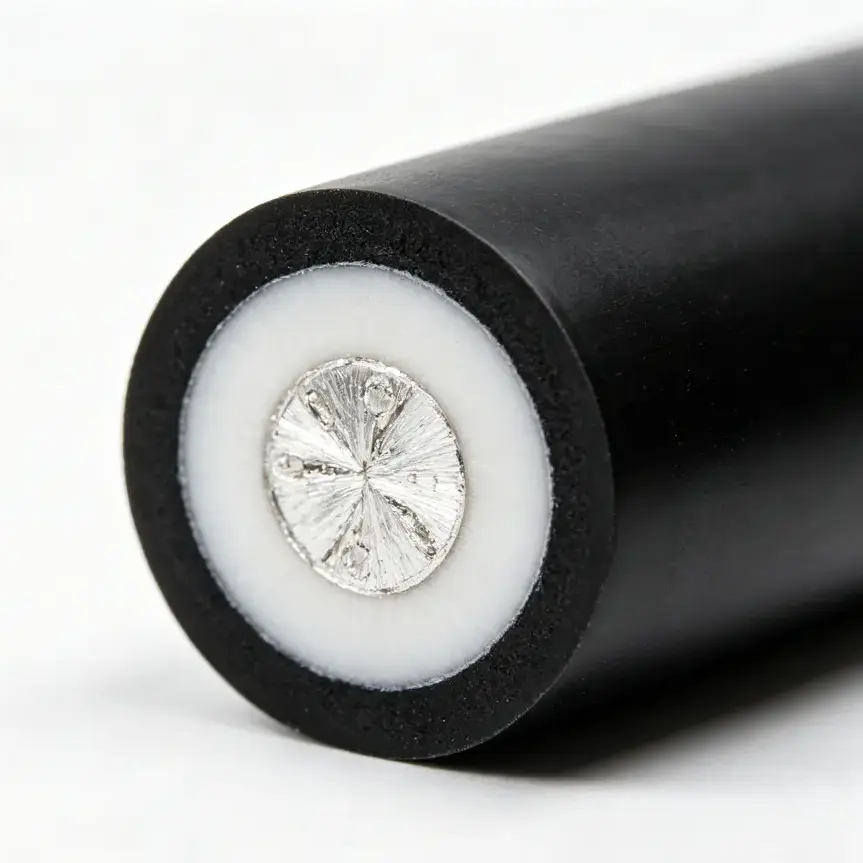
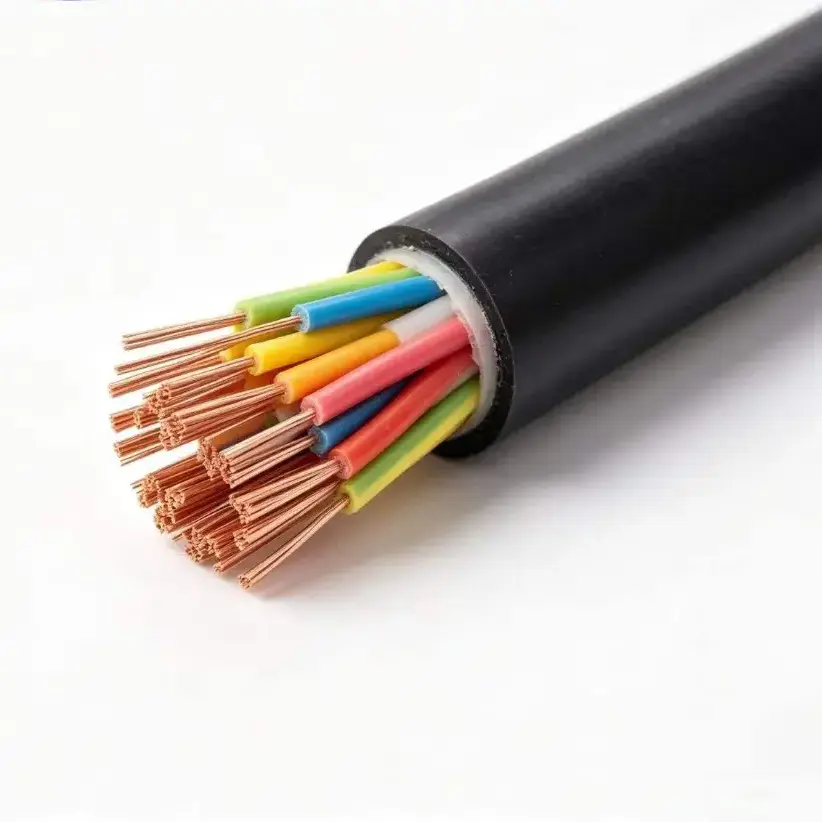
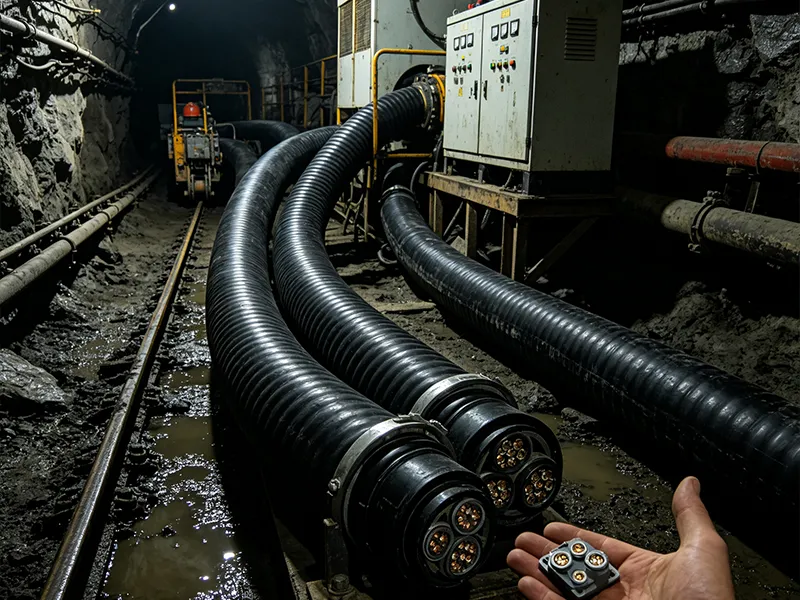
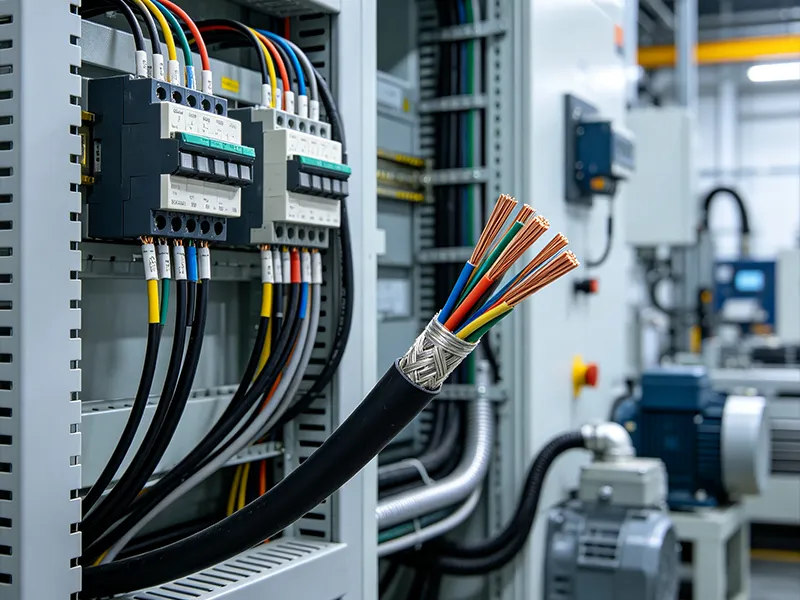
Qiancheng, a China cable manufacturer, supplies Aluminum PVC Insulated Round Wire for fixed low-voltage power distribution and construction wiring applications. Featuring an aluminum conductor, PVC insulation, and a protective outer sheath, this cable combines lightweight construction with practical electrical insulation. Understanding its specifications, installation requirements, and performance characteristics helps engineers, contractors, and procurement teams select the right cable for dependable electrical systems.

Aluminum PVC insulated round wire is designed for fixed electrical installations where conductor weight, insulation protection, and project cost are important considerations. Qiancheng's BLVV model features a single-core aluminum conductor with PVC insulation and an outer PVC sheath, rated at 300/500V. Available conductor cross-sections range from 2.5 mm² to 70 mm² in the listed specifications. This guide explains the cable's construction, technical parameters, key benefits, application scenarios, selection criteria, and installation precautions to help buyers make informed decisions.

Aluminum PVC Insulated Round Wire

Table of Contents


1. What Is Aluminum PVC Insulated Round Wire?

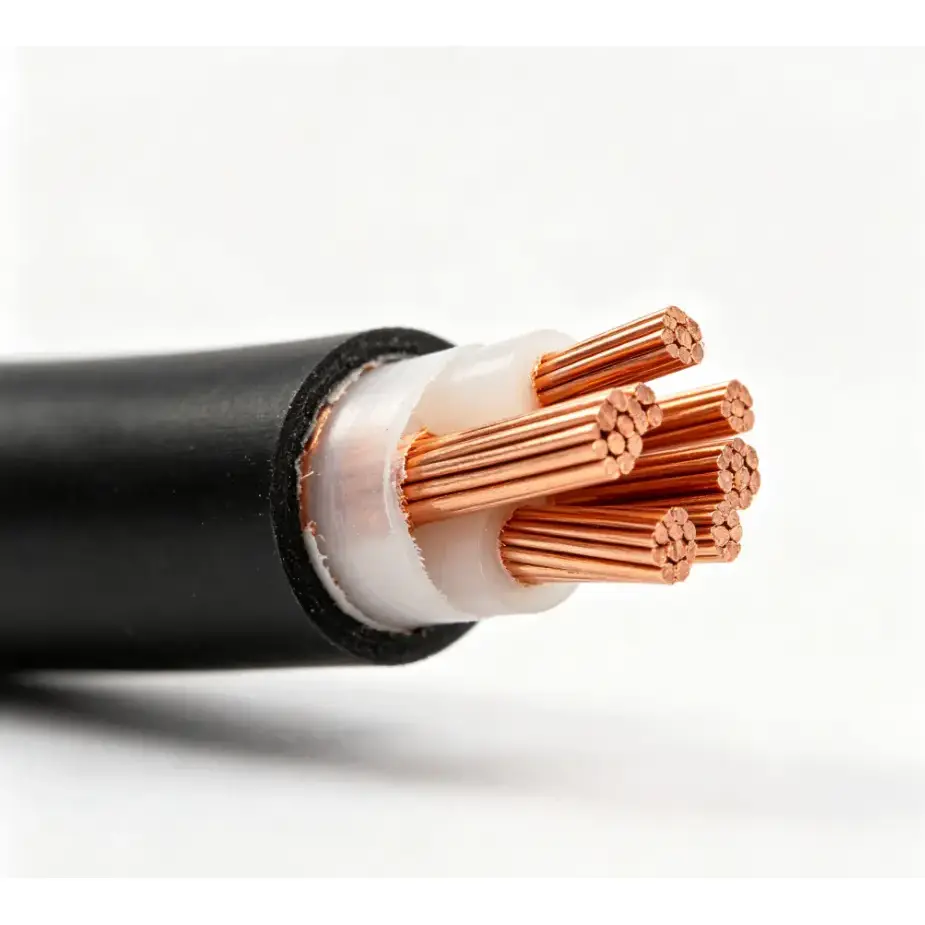
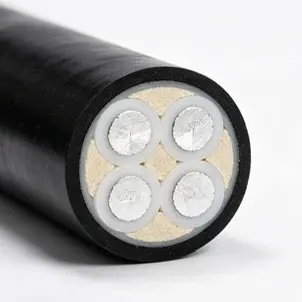
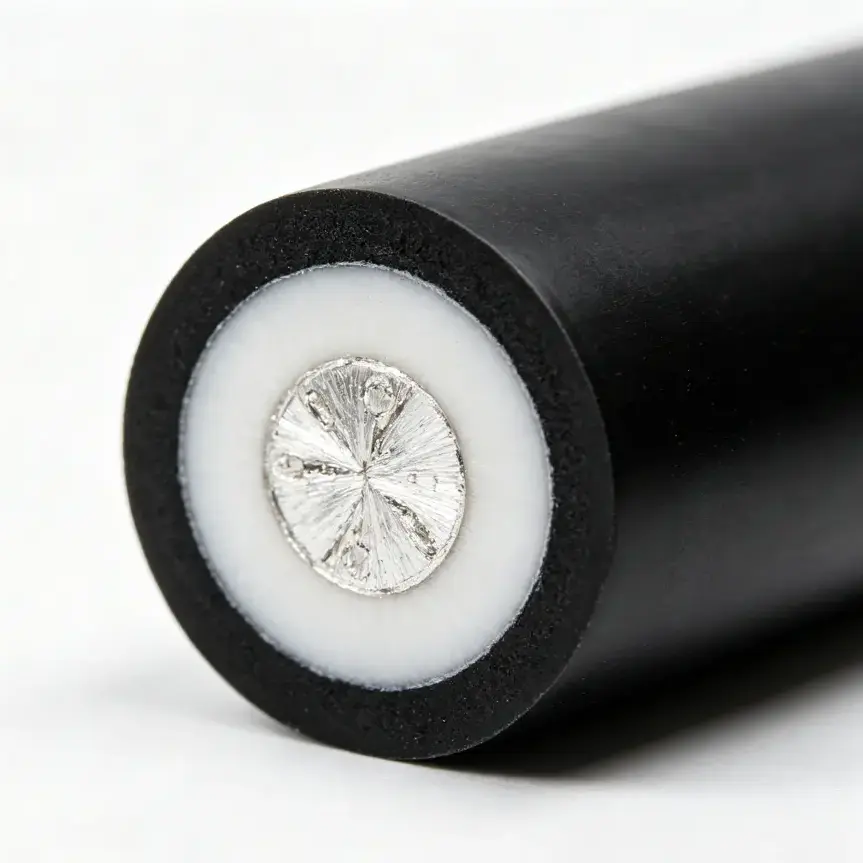
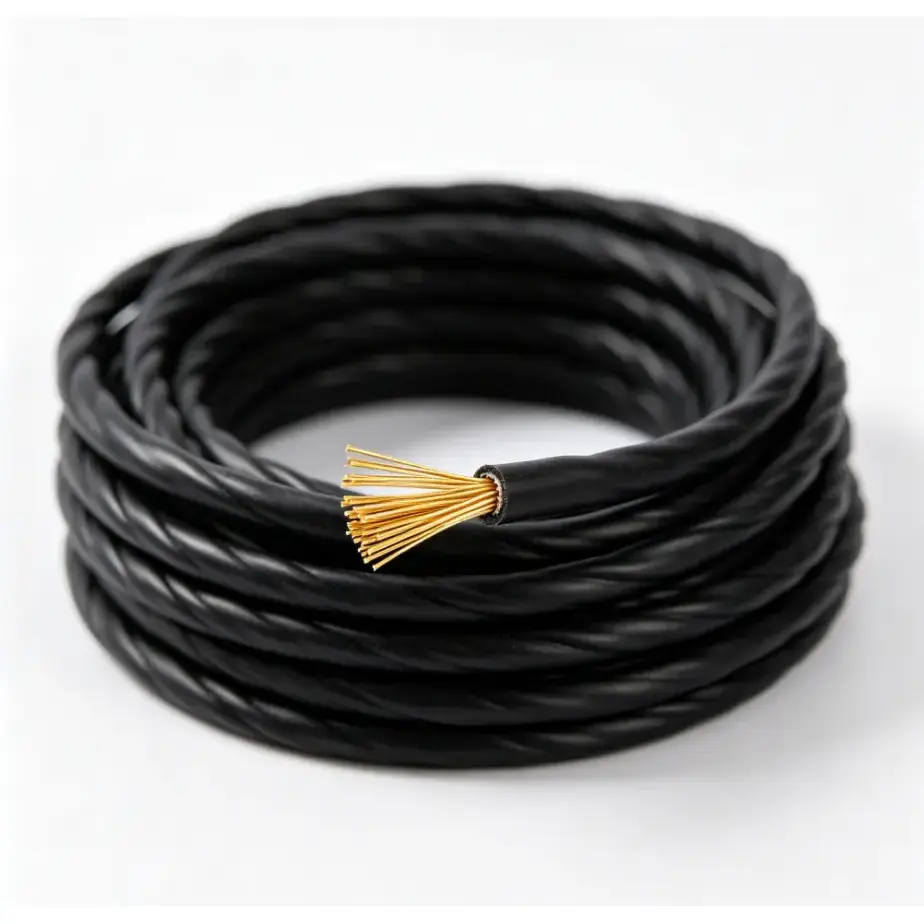
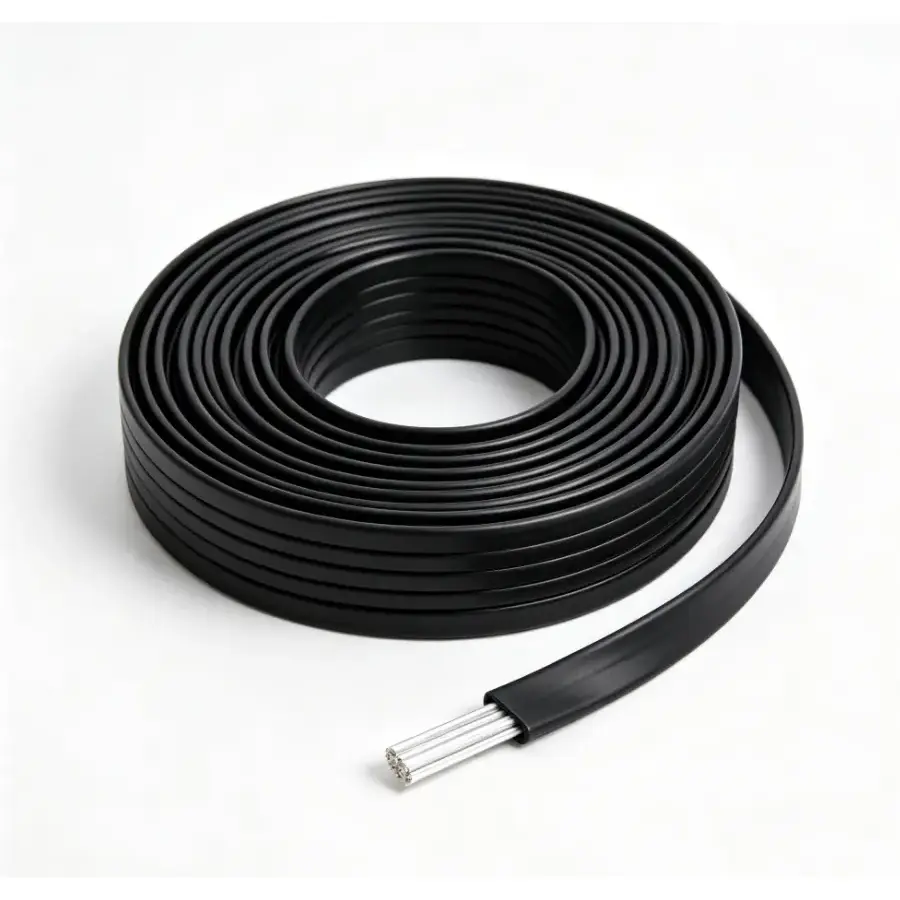
Aluminum PVC insulated round wire is an electrical cable that uses aluminum as its conducting material and polyvinyl chloride (PVC) as its insulation. In the BLVV construction offered by Qiancheng, a PVC outer sheath provides an additional protective layer around the insulated conductor.

The cable is designed for fixed low-voltage electrical installations. Its rated voltage is 300/500V, making correct application and compliance with local electrical regulations essential when specifying it for a project.

The combination of aluminum and PVC addresses several practical requirements:

  • Reduced conductor weight: Aluminum has a lower density than copper, which can make cable handling and transportation easier.
  • Electrical insulation: The PVC insulation separates the conductor from surrounding conductive materials.
  • Additional external protection: The PVC sheath helps protect the insulated core against ordinary contact and environmental exposure within the product's intended operating conditions.
  • Multiple size options: Different conductor cross-sections allow engineers to match cable dimensions to project requirements.

It is important to distinguish this product from aluminum cables with XLPE insulation, armored power cables, and flexible cords. Their electrical ratings, temperature limits, mechanical characteristics, and installation methods may differ significantly.

For product-specific information, visit Qiancheng's Aluminum PVC Insulated Round Wire product page.


2. How Is the Cable Constructed?

The cable's performance depends on the interaction between its conductor, insulation, and outer sheath. Each component serves a different function, and the complete structure must meet the requirements of the intended installation.

Aluminum conductor

The aluminum conductor carries electrical current through the circuit. Compared with copper, aluminum is lighter by volume, which can be beneficial when handling long cable runs or transporting substantial quantities of cable. However, aluminum has higher electrical resistivity than copper, so conductor sizing must account for current, voltage drop, and installation conditions.

PVC insulation

The primary PVC insulation surrounds the conductor and provides electrical separation. Its thickness must correspond to the specified cable design and applicable product standard. Damaged insulation, unsuitable operating temperatures, or incorrect installation can compromise electrical safety.

PVC outer sheath

The external PVC sheath adds a layer of protection against ordinary mechanical contact and environmental exposure. Although PVC can offer useful resistance to moisture and abrasion, the actual level of protection depends on the material formulation, cable design, and operating environment. An ordinary PVC sheath should not automatically be assumed to provide UV resistance, flame-retardant performance, or suitability for direct burial.

The resulting single-core, round construction is intended for suitable fixed-wiring applications rather than unrestricted use in every indoor or outdoor environment.


3. What Are the Main Technical Specifications?

Technical data should be reviewed before ordering any electrical cable. The following table summarizes the BLVV specifications published by Qiancheng. Values are product reference dimensions, not universal ratings for every aluminum PVC cable.

Nominal Cross-Section Minimum Conductor Wire Count Insulation Thickness (mm) Sheath Thickness (mm) Maximum Outer Diameter (mm) Reference Weight (kg/km)
1 × 2.5 mm² 1 0.8 0.8 5.7 35.5
1 × 4 mm² 1 0.8 0.9 6.5 46.2
1 × 6 mm² 1 0.8 0.9 7.1 55.8
1 × 10 mm² 7 1.0 0.9 8.8 85.0
1 × 16 mm² 7 1.0 0.9 9.9 110.2
1 × 25 mm² 7 1.2 1.0 12.1 163.0
1 × 35 mm² 7 1.2 1.1 13.5 206.6
1 × 50 mm² 7 1.4 1.3 15.8 279.2
1 × 70 mm² 12 1.4 1.4 17.9 366.9

Important specification note: The published table identifies the minimum number of conductor wires for each size. Buyers should confirm the exact conductor construction, applicable standards, rated operating temperature, current-carrying capacity, and any required test reports with the supplier before placing an order.

For example, the outer diameter and reference weight are useful for estimating cable routing space, transportation loads, and material quantities. They do not independently establish whether a cable can safely carry a particular electrical load.


4. What Are Its Key Advantages?

Lower weight for easier handling

Aluminum's low density is a practical advantage in projects that involve large cable quantities. Compared with a copper conductor of an equivalent electrical function, an appropriately sized aluminum conductor can reduce conductor weight. The final cable-weight comparison must use electrically suitable conductor sizes rather than simply comparing equal cross-sectional areas.

Two layers of PVC protection

The insulation and outer sheath perform complementary functions. Primary insulation provides electrical separation, while the sheath adds external protection. This arrangement can be useful in fixed installations where the cable is installed according to its rated conditions and protected against excessive mechanical stress.

Multiple conductor sizes

The listed range from 2.5 mm² to 70 mm² gives buyers several options for different circuit requirements. A smaller conductor may suit a relatively low-load circuit, while a larger conductor may be considered for higher loads or longer cable routes. Final selection must be based on engineering calculations and applicable regulations.

Practical procurement and project planning

Regular size options can simplify specification comparisons and material planning. For projects requiring particular lengths, quantities, packaging, or flame-retardant material options, purchasers should confirm availability and technical requirements with Qiancheng before production or shipment.

These advantages are most meaningful when the cable is matched to the intended application. No conductor material or insulation structure can compensate for incorrect sizing, poor connections, or unsuitable installation conditions.


5. Where Is This Cable Commonly Used?

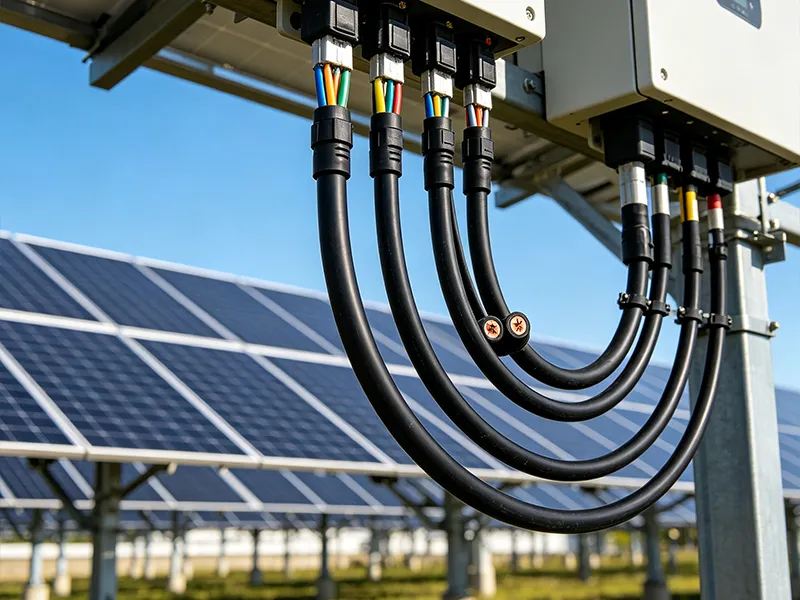
Qiancheng's BLVV cable is intended for suitable fixed low-voltage wiring applications. Depending on the applicable regulations and confirmed product specification, potential uses include:

  • Building electrical projects: Fixed wiring in suitable residential, commercial, and industrial building installations.
  • Factory power distribution: Electrical circuits in facilities where the rated voltage and environmental conditions match the cable specification.
  • Construction projects: Fixed wiring routes in buildings and infrastructure projects with appropriate mechanical protection.
  • General electrical installations: Low-voltage distribution circuits designed around the cable's conductor size and permitted installation method.
  • Outdoor fixed wiring: Applications where the product's environmental suitability has been verified, including exposure to sunlight, moisture, and temperature variation.

Before specifying the cable for outdoor installations, check whether the particular PVC formulation and cable design are approved for the anticipated exposure. For direct burial, high-impact environments, hazardous locations, or applications requiring a particular fire-performance classification, a purpose-designed and appropriately certified cable may be necessary.


6. How Should You Select the Right Specification?

Choosing an appropriate cable requires more than matching a nominal cross-sectional area to an expected current. A reliable selection process considers the complete electrical circuit and its installation environment.

Step 1: Confirm voltage and intended use

Verify that the 300/500V rating is suitable for the circuit and the applicable electrical code. Do not assume that a cable is appropriate for a different voltage class merely because its physical construction looks similar.

Step 2: Calculate conductor size

Determine the expected load current, circuit length, ambient temperature, installation method, grouping with other cables, and allowable voltage drop. Aluminum's electrical resistance is higher than copper's, so a direct size-for-size substitution may not be appropriate.

Step 3: Evaluate the installation environment

Identify potential exposure to moisture, sunlight, chemicals, abrasion, impact, and heat. Confirm whether additional conduit, trunking, support, or mechanical protection is required.

Step 4: Check the connection system

Aluminum conductors require terminals and connectors specifically suitable for aluminum. Confirm the permitted conductor size, terminal material, preparation method, and tightening torque. Incorrect connections can cause excessive resistance and overheating.

Step 5: Verify documentation and supply requirements

Before confirming an order, request the technical data sheet, applicable product standards, test documentation, packaging details, and delivery schedule. For larger projects, confirm that the supplied cable marking and batch documentation match the approved specification.


7. What Installation Precautions Matter Most?

Correct installation is essential to achieving reliable electrical performance. Even a cable manufactured to the correct specification can become unsafe if it is installed or terminated improperly.

  • Use qualified electrical personnel: Installation should comply with local regulations and the approved electrical design.
  • De-energize before working: Isolate the circuit and verify the absence of voltage before handling conductors.
  • Use compatible terminals: Select connectors designed for aluminum conductors and the required conductor size.
  • Follow the specified torque: Tighten terminals according to the connector manufacturer's instructions rather than relying on guesswork.
  • Avoid insulation damage: Use appropriate stripping tools and prevent cuts, crushing, or excessive bending.
  • Provide suitable mechanical protection: Protect the cable where abrasion, impact, sharp edges, or other physical hazards may occur.
  • Inspect and test the completed circuit: Perform the required continuity, insulation-resistance, and other applicable electrical tests before energization.

Where aluminum conductors connect to copper conductors, use approved connectors designed for the specific combination of materials. The connection method must address compatibility, contact resistance, and any preparation requirements specified by the connector manufacturer.

For projects with demanding fire-safety requirements, confirm the precise flame-retardant classification and supporting test evidence. A PVC sheath alone does not establish that the cable meets a particular fire-safety standard.


8. Frequently Asked Questions

1. What is the rated voltage of Qiancheng's BLVV round wire?

The published product description specifies a rated voltage of 300/500V. Always verify the product marking and documentation against the requirements of the intended circuit before installation.

2. Why choose aluminum instead of copper?

Aluminum offers lower density and can reduce conductor weight, which is useful for handling and transportation. However, aluminum has higher electrical resistivity than copper. The conductor size, terminal compatibility, and installation requirements must therefore be evaluated carefully.

3. What conductor sizes are available?

Qiancheng's published BLVV specification table lists nominal cross-sections of 2.5, 4, 6, 10, 16, 25, 35, 50, and 70 mm². Confirm current availability and any special size or length requirements directly with the supplier.

4. Can this cable be used outdoors?

It may be suitable for certain outdoor fixed-wiring applications when the product specification and installation conditions permit. Direct sunlight, water exposure, temperature, and mechanical damage must be assessed. Do not assume that all PVC-sheathed cables are suitable for prolonged UV exposure or direct burial.

5. Does PVC insulation mean the cable is flame-retardant?

No. Flame-retardant performance depends on the specific material formulation, cable design, and applicable test standard. If flame-retardant performance is required, request confirmation of the supplied version and its supporting test documentation.

6. How can buyers determine the correct conductor size?

Selection should account for load current, cable length, voltage drop, ambient temperature, installation method, cable grouping, and local electrical requirements. A qualified electrical designer should verify the final conductor size rather than relying on nominal cross-section alone.

7. What information should be provided when requesting a quotation?

Provide the cable model, rated voltage, conductor cross-section, required length, total quantity, installation environment, applicable standard, destination market, packaging requirements, and any special performance requirements. This information helps the supplier assess specification compatibility and prepare a more accurate quotation.


9. Conclusion: How Can You Source the Right Aluminum PVC Insulated Round Wire?

Aluminum PVC insulated round wire is a practical option for suitable fixed low-voltage installations that require a lightweight conductor and a protective PVC insulation-and-sheath structure. Successful specification depends on more than price: voltage rating, conductor sizing, connection compatibility, environmental exposure, and compliance documentation all influence long-term performance.

Qiancheng provides BLVV cable specifications for project evaluation, with listed conductor sizes from 2.5 mm² to 70 mm². If you are sourcing cable for a building, factory, or electrical distribution project, review your technical requirements before selecting the final model. Visit the Aluminum PVC Insulated Round Wire product page to review the available information, then contact us with your required size, voltage, quantity, installation conditions, and delivery destination. Qiancheng's team can help you discuss suitable specifications and quotation details for your project.

Related News
Leave me a message
X
We use cookies to offer you a better browsing experience, analyze site traffic and personalize content. By using this site, you agree to our use of cookies. Privacy Policy
RejectAccept