Products
Aluminum PVC Fire Resistant Power Cable
  • Aluminum PVC Fire Resistant Power CableAluminum PVC Fire Resistant Power Cable
  • Aluminum PVC Fire Resistant Power CableAluminum PVC Fire Resistant Power Cable
  • Aluminum PVC Fire Resistant Power CableAluminum PVC Fire Resistant Power Cable

Aluminum PVC Fire Resistant Power Cable

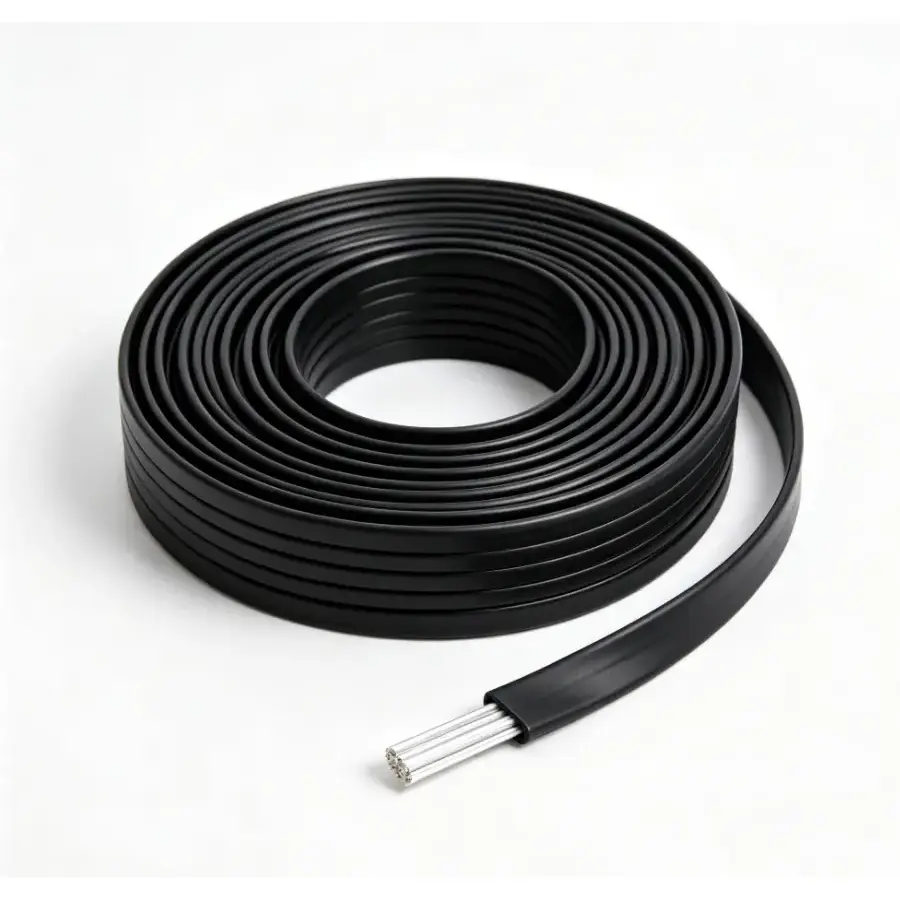
Qiancheng Aluminum PVC Fire Resistant Power Cable features lightweight and fire-resistant performance with factory-direct spot supply. Purchasers are welcome for inquiries!

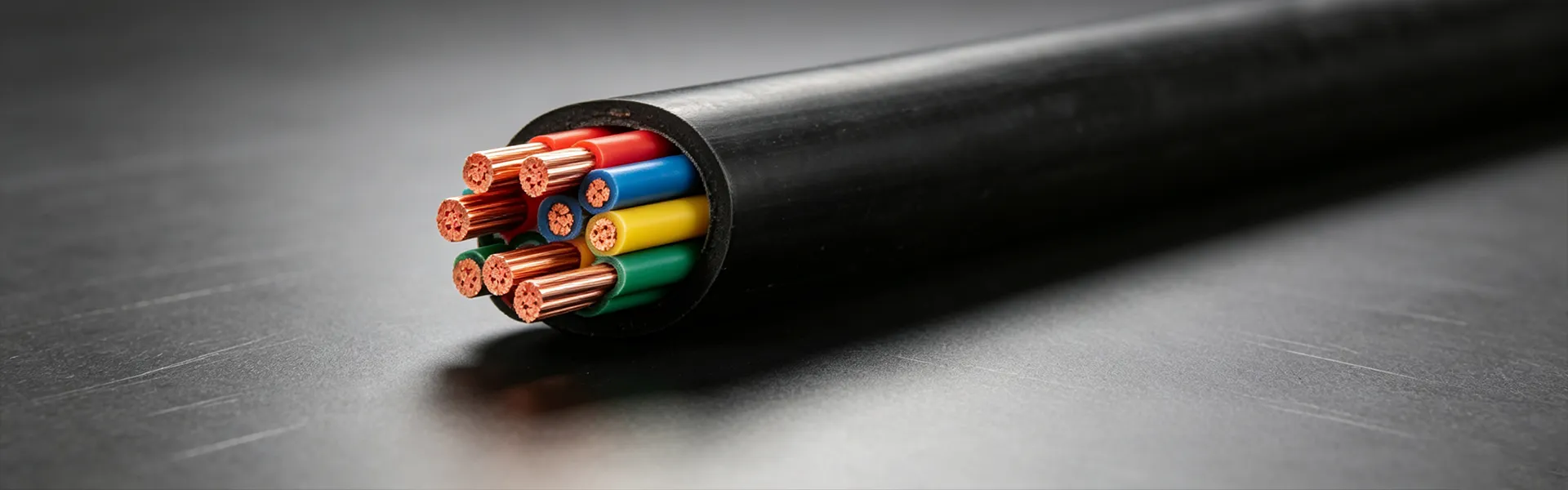
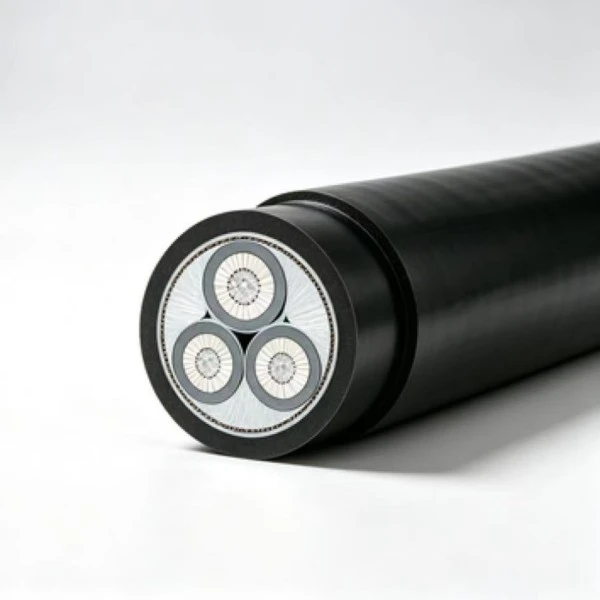
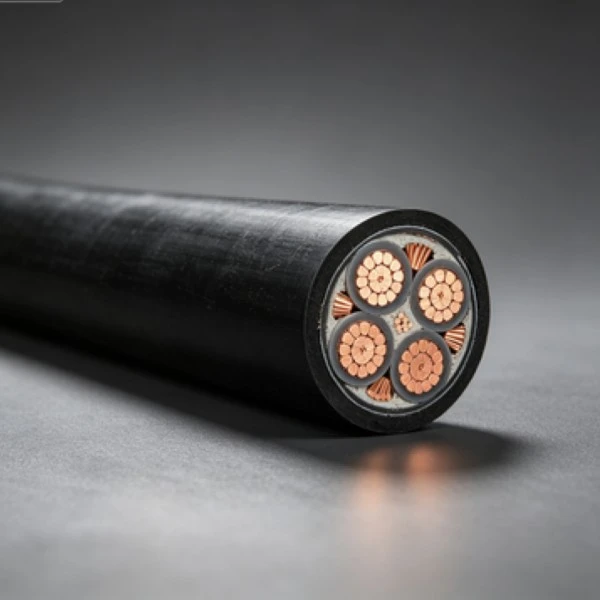
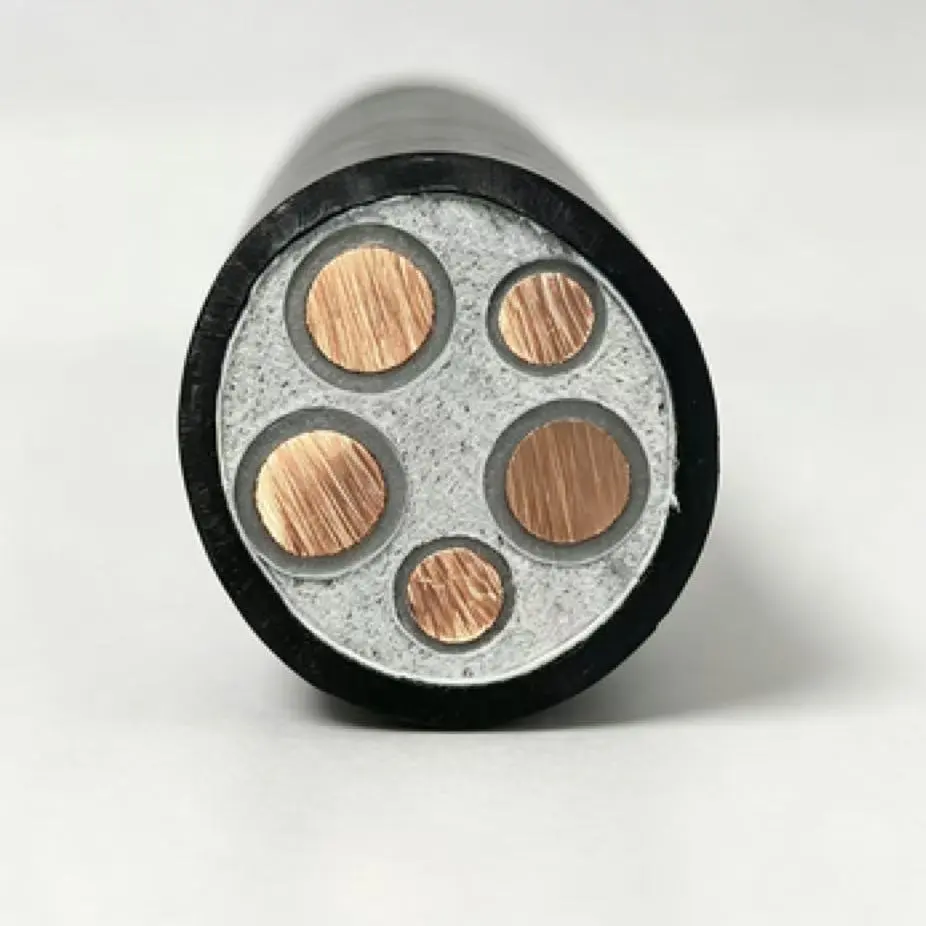
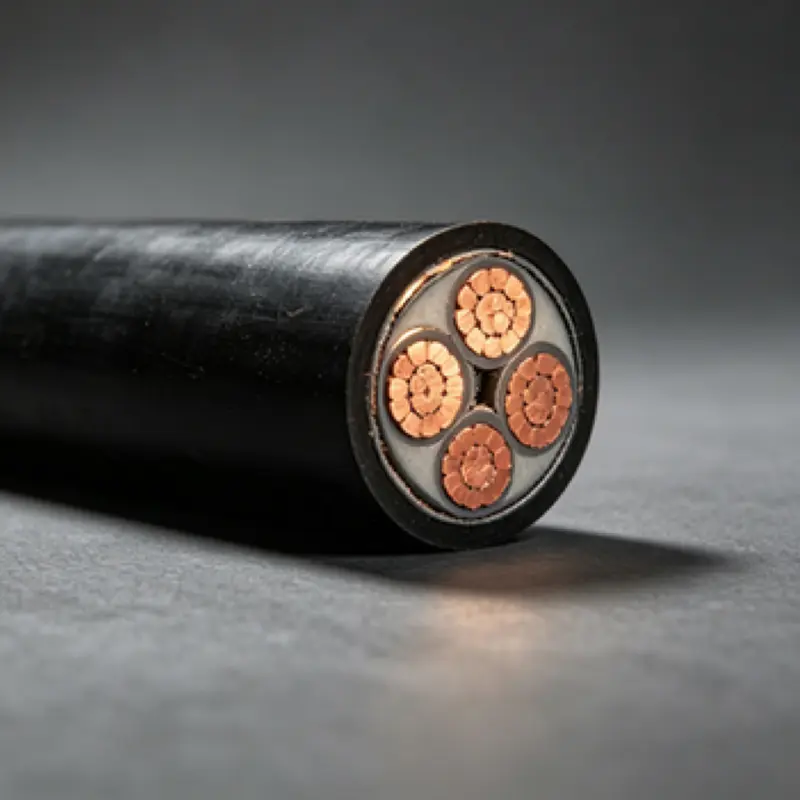
For low-voltage circuits that need to remain energized during a specified fire exposure, Aluminum PVC Fire Resistant Power Cable combines an aluminum conductor with electrical insulation, a dedicated fire-resistant layer and a PVC protective sheath. It is intended for emergency power distribution and other circuits with defined fire-continuity requirements.

The range covers conductor sizes from 1.5 mm² to 1000 mm², with electrical data provided for conductor resistance, withstand voltage and ampacity under different installation conditions. Final cable selection depends on the circuit load, route length, installation method, allowable voltage drop and applicable fire-safety requirements.

Product Dimensions and Technical Parameters

Nominal cross-section

(mm²)

Insulation thickness

(mm)

Sheath thickness

(mm)

Approximate cable outer diameter

(mm)

Conductor DC resistance

(Ω/km)Al

Test voltage

(kV/5min)

Ampacity in air(A)

(A)-Al

Ampacity in direct-buried soil(A)-Al

1×1.5

0.7

1.5

6

—

3.5

—

—

1×2.5

0.7

1.5

6

≤12.1

3.5

26

32

1×4

0.7

1.5

7

≤7.41

3.5

35

42

1×6

0.7

1.5

7

≤4.61

3.5

45

54

1×10

0.7

1.5

8

≤3.08

3.5

59

69

1×16

0.7

1.5

9

≤1.91

3.5

78

90

1×25

0.9

1.5

10

≤1.20

3.5

100

115

1×35

0.9

1.5

12

≤0.868

3.5

125

135

1×50

1.0

1.5

13

≤0.641

3.5

150

165

1×70

1.1

1.5

14

≤0.443

3.5

190

200

1×95

1.1

1.5

16

≤0.320

3.5

230

240

1×120

1.2

1.5

18

≤0.253

3.5

370

275

1×150

1.4

2.0

21

≤0.206

3.5

310

310

1×185

1.6

2.0

23

≤0.164

3.5

360

355

1×240

1.7

2.0

25

≤0.125

3.5

430

410

1×300

1.8

2.0

34

≤0.100

3.5

495

465

1×400

2.0

2.1

37

≤0.0778

3.5

590

535

1×500

2.2

2.2

41

≤0.0605

3.5

685

610

1×630

2.4

2.3

45

≤0.0469

3.5

800

695

1×800

2.6

2.4

46

≤0.0367

3.5

930

785

1×1000

2.8

2.6

51

≤0.0291

3.5

1050

875

Construction and Material Selection

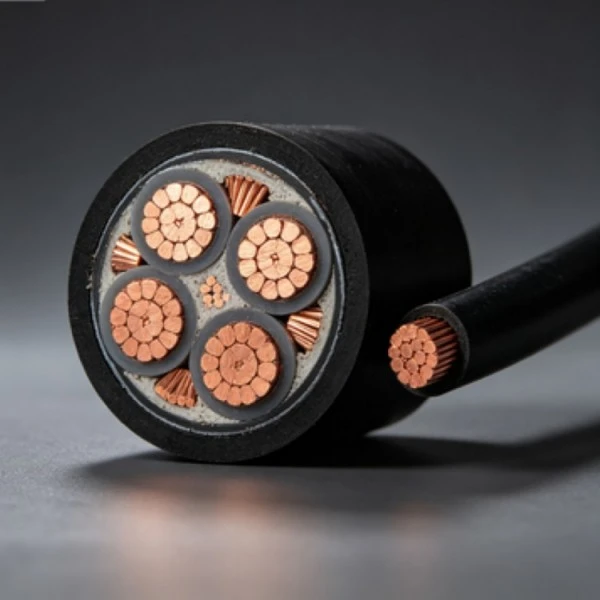
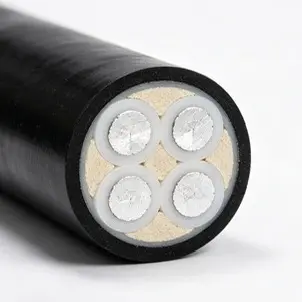
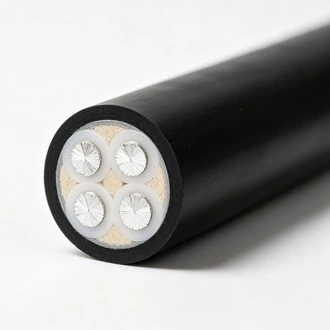
The cable is built around four functional layers that work together during normal operation and under the specified fire-test conditions. The aluminum conductor carries the electrical load, while the insulation provides electrical separation. A dedicated fire-resistant layer helps protect the circuit when exposed to high temperature, and the PVC sheath forms the outer protective surface.

Aluminum Conductor

Aluminum is used as the current-carrying conductor. Its lower density compared with copper can be relevant to cable weight and handling, particularly on long cable routes. However, aluminum conductors require appropriate sizing and compatible termination components. Current capacity, voltage drop and installation conditions should be considered before selecting the conductor cross-section.

Fire-Resistant Layer

The fire-resistant layer is intended to provide thermal protection to the electrical core during the specified fire exposure. Its function should be distinguished from flame retardancy: flame-retardant materials are primarily intended to limit flame propagation, while fire-resistant cable constructions are evaluated for maintaining circuit operation under defined fire-test conditions.

PVC Insulation and Outer Sheath

The insulation provides the required electrical separation around the conductor, while the PVC sheath protects the finished cable from normal external contact during handling and installation. The insulation and sheath thicknesses shown in the table vary with conductor size and form part of the cable's dimensional specification.

Aluminum PVC Fire Resistant Power Cable

Electrical and Fire-Performance Considerations

For fire-related power circuits, cable performance cannot be evaluated by flame resistance alone. Electrical continuity, insulation condition, conductor resistance and the applicable fire-test conditions all need to be considered together. The supplied product data specifies a 3.5 kV/5 min test voltage and provides separate current-carrying values for installation in air and direct-buried soil.

Fire-Resistance Test Conditions

The supplied product information specifies a 90-minute fire-resistance performance under a 750 °C test condition. This value should be understood as a test result associated with the specified cable construction and test method rather than a universal statement that the cable will maintain power for the same duration under every real fire. Project approval should be based on the applicable test report and local fire-safety requirements.

Conductor Resistance and Ampacity

Conductor DC resistance is listed in the technical table for the applicable aluminum conductor sizes. The ampacity figures are provided separately for installation in air and direct-buried soil because heat dissipation changes with installation conditions. Actual cable sizing may also require consideration of ambient temperature, cable grouping, burial conditions, route length and allowable voltage drop.

Withstand-Voltage Performance

The listed 3.5 kV/5 min value represents the specified test voltage and duration in the supplied product data. Withstand-voltage testing is used to check the insulation system under the defined test condition. Product documentation and the applicable manufacturing standard should be reviewed when the cable is submitted for project approval.

Installation and Cable Selection

Cable selection should start with the electrical load and then be checked against the actual installation environment. For emergency and fire-related circuits, the required fire-resistance duration and applicable construction requirements should also be identified before the cable is ordered.

Selecting the Conductor Size

The nominal cross-section should be selected according to operating current, voltage drop and installation conditions. For long-distance circuits, voltage drop can become an important sizing factor even when the conductor's current-carrying capacity is sufficient. The final selection should therefore be based on the complete circuit design rather than ampacity alone.

Air Installation

When installed in cable trays or other open routes, heat dissipation, cable spacing, ambient temperature and the number of loaded cables can affect the allowable current. The air ampacity values in the table provide product reference data and should be applied together with the relevant installation standard.

Direct Burial and Cable Trenches

For direct burial or underground cable-trench installation, soil thermal conditions, burial depth, cable spacing, drainage and mechanical protection should be considered. The direct-buried ampacity values in the table are installation-specific reference values and should not be treated as a substitute for project-specific cable calculations.

Aluminum Conductor Termination

Aluminum conductors should be connected using terminals, lugs or connectors suitable for aluminum conductors and the specified electrical load. Correct conductor preparation and compression are important at the joint because an improperly prepared termination can create additional contact resistance and local heating.

Typical Application Areas

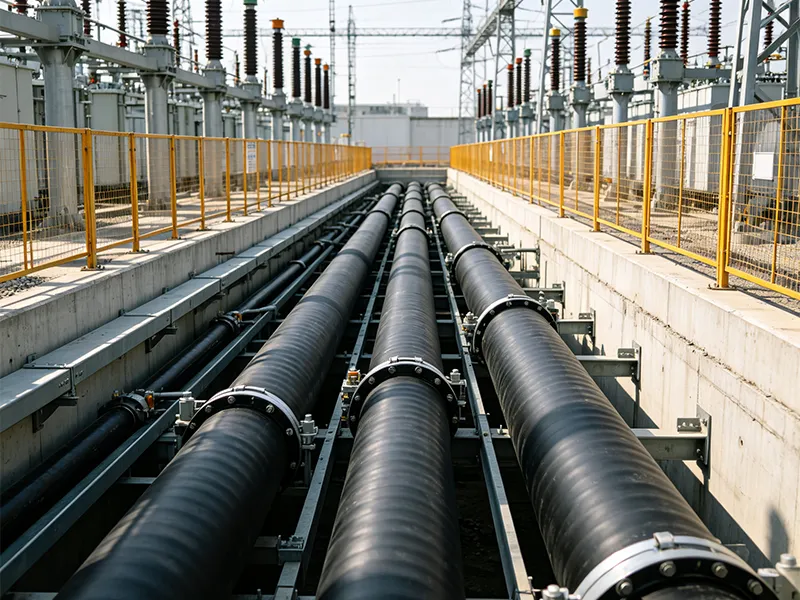
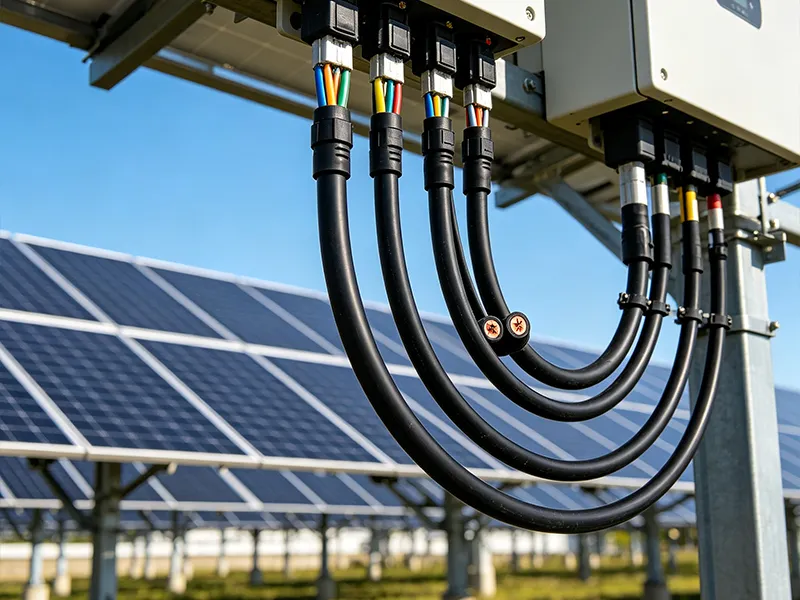
Aluminum PVC Fire Resistant Power Cable can be specified for low-voltage distribution circuits where continued electrical service during a defined fire condition is part of the project requirement. Typical applications include selected emergency power circuits, fire-related electrical loads, public buildings, industrial facilities and underground distribution routes.

Emergency Power Distribution

The cable can be used for designated emergency power circuits where the cable system is required to maintain circuit operation for a specified period during fire exposure. The required fire-resistance level should be confirmed from the project design and applicable local regulations.

Public and Commercial Buildings

Applications may include selected power circuits in hospitals, schools, commercial buildings and other facilities where emergency electrical systems are installed. Whether a particular cable construction is required depends on the building design, fire strategy and applicable electrical and fire codes.

Industrial Facilities

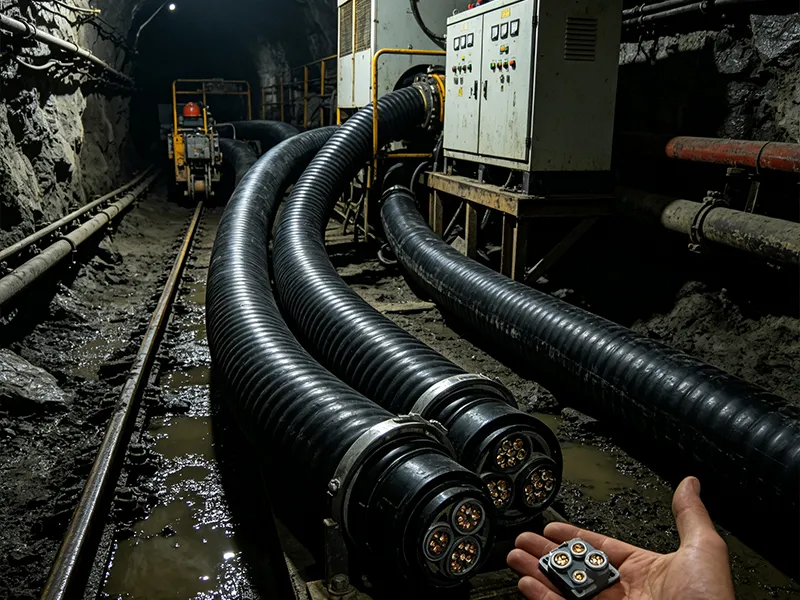
In factories and industrial facilities, the cable can be considered for emergency distribution, fire-related equipment and other low-voltage circuits where an aluminum conductor and defined fire-performance requirement are specified. Cable size should be matched to the electrical load and installation route.

Underground Distribution Routes

The available larger conductor sizes can be considered for underground distribution routes and cable trenches where the installation design permits this cable construction. Burial conditions, mechanical protection and thermal dissipation should be checked before installation.

Manufacturing and Quality Documentation

In-House Production and Testing

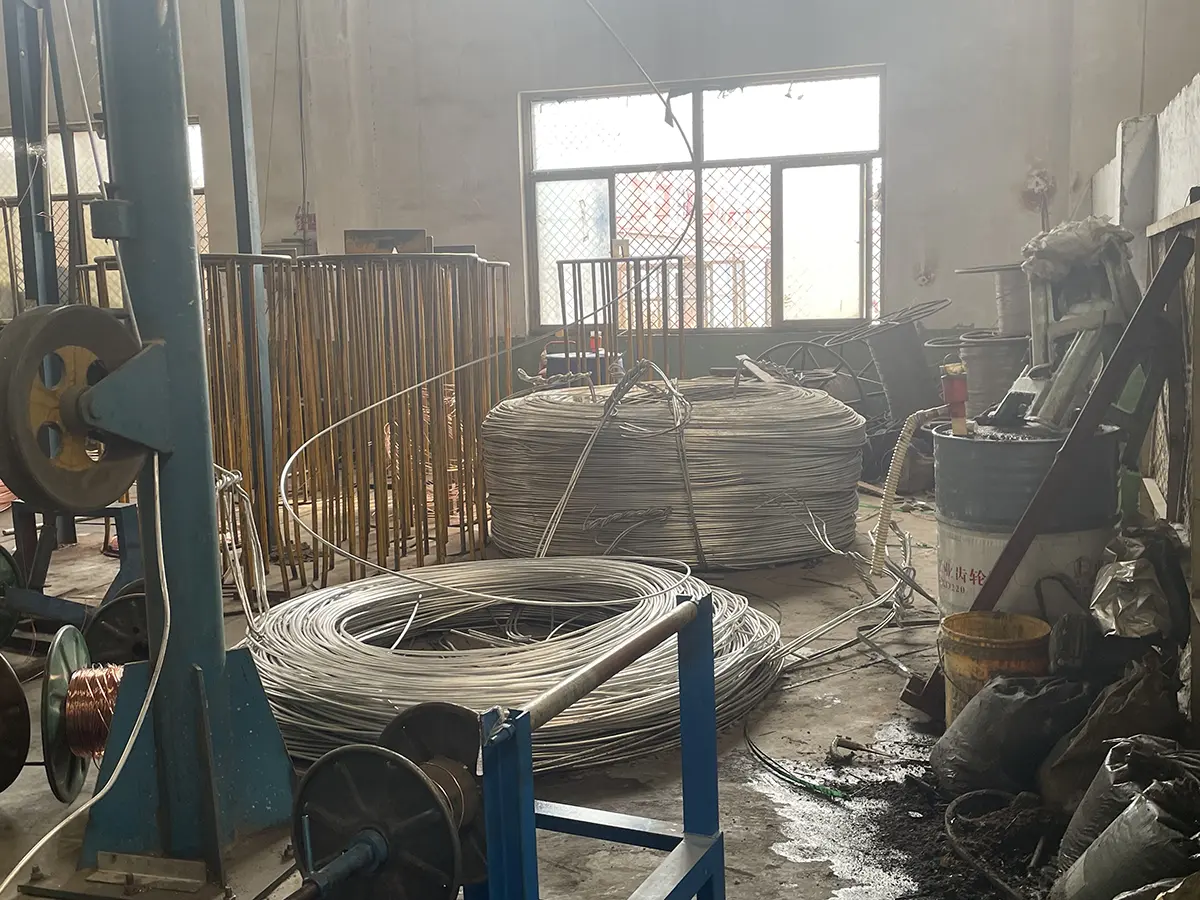
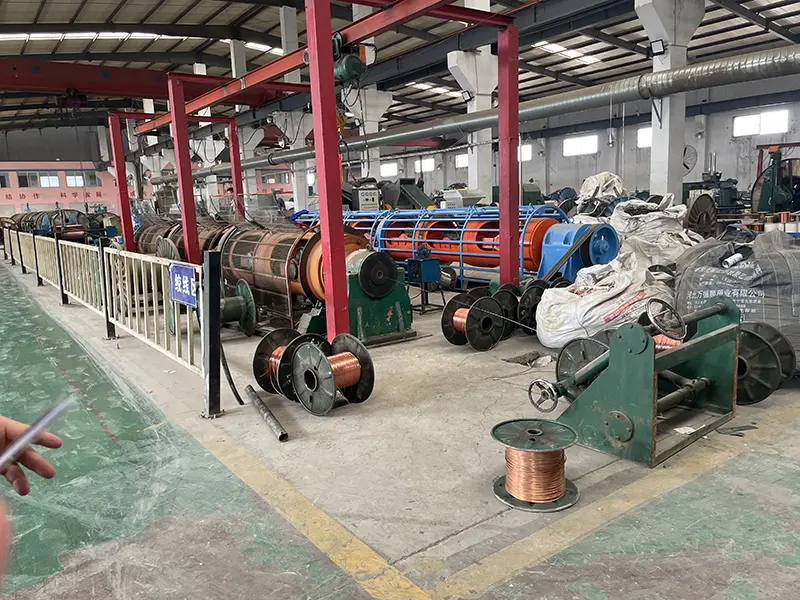
Qiancheng Cable operates its own cable production workshops and testing facilities. The manufacturing process covers conductor processing, insulation extrusion, application of the fire-resistant layer and outer sheath extrusion. Relevant production and inspection records provide a basis for controlling finished-cable dimensions and electrical characteristics.

Aluminum PVC Fire Resistant Power CableAluminum PVC Fire Resistant Power Cable

Quality Management Certifications

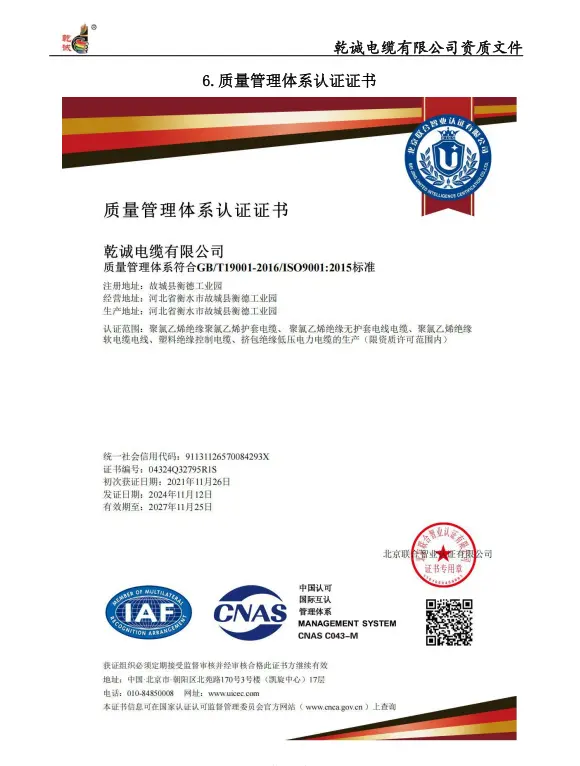
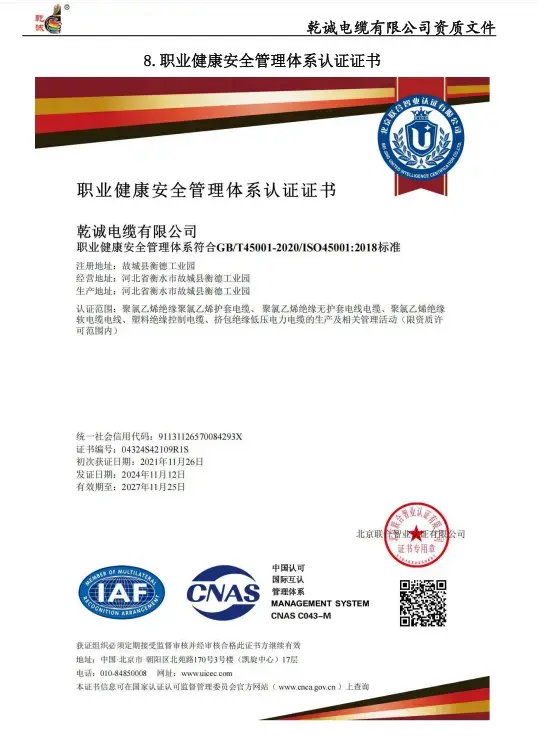
Qiancheng Cable holds a National Industrial Cable Production License together with ISO9001 Quality Management, ISO14001 Environmental Management and ISO45001 Occupational Health and Safety certifications. These documents provide information about the company's production and management systems and can be reviewed during supplier qualification.

Aluminum PVC Fire Resistant Power CableAluminum PVC Fire Resistant Power CableAluminum PVC Fire Resistant Power Cable

Technical Verification Before Ordering

For project procurement, the cable should be checked against the actual electrical and fire-safety specification rather than selected only by product name. The following information is useful when requesting a quotation or technical submission: required conductor cross-section, operating voltage, load current, cable length, installation method, ambient or soil conditions, cable grouping, allowable voltage drop and required fire-test condition.

Where the cable is being submitted for a construction project, the purchaser can also request the applicable technical data, test documentation and qualification certificates for review. This allows the selected construction and test requirements to be checked before production and installation.

FAQ

What is the difference between fire-resistant and flame-retardant cable?

Fire resistance concerns the ability of a cable circuit to continue operating for a specified period under defined fire-test conditions. Flame retardancy mainly concerns limiting the spread of flame along the cable. A cable may have flame-retardant properties without being classified for the same fire-resistance performance.

Why is an aluminum conductor used for this cable?

Aluminum provides a lower-density conductor option for low-voltage power distribution. It can be relevant where cable weight and handling are considerations. Because aluminum has different electrical and connection characteristics from copper, conductor sizing and termination components should be selected accordingly.

What does the 90-minute fire-resistance specification mean?

The supplied product information specifies 90 minutes under a 750 °C test condition. This refers to the defined test condition for the specified cable construction. It should not be interpreted as a guarantee of identical circuit performance in every real fire because actual results depend on installation, fire exposure and the applicable test method.

How should the cable size be selected?

The selection should consider load current, voltage drop, cable length, installation method, ambient conditions, cable grouping and the required fire-performance level. The ampacity values listed in the table provide reference data for installation in air and direct-buried soil.

Can the cable be used for direct burial?

The product data includes ampacity values for direct-buried soil. Actual suitability should still be confirmed according to the cable construction, burial conditions, mechanical protection, soil thermal characteristics and applicable installation requirements.

What should be considered when connecting an aluminum conductor?

The terminal or connector should be suitable for aluminum conductors and the specified load. Proper conductor preparation and compression are important to maintain a reliable electrical connection and avoid excessive contact resistance or localized heating.

What documents can be provided for project evaluation?

Depending on the project requirements, technical data, product test documentation and company qualification certificates can be provided for supplier and product evaluation. For fire-related applications, the relevant fire-test documentation should be reviewed together with the project specification before approval.


Hot Tags: Aluminum PVC Fire Resistant Power Cable, Fire Resistant Power Cable Supplier, Aluminum PVC Power Cable Manufacturer, Fire Resistant Cable Wholesale
Send Inquiry
Contact Info

Looking for the right cable for a project or application? Send your requirements to Qiancheng Cable for product selection and quotation. You can provide the cable type, voltage rating, conductor material, cross-section, core number, insulation, application and required quantity.

Whether you need standard cables or specification-based production, our team can review your requirements and recommend suitable product options from our manufacturing range.

X
We use cookies to offer you a better browsing experience, analyze site traffic and personalize content. By using this site, you agree to our use of cookies. Privacy Policy
RejectAccept