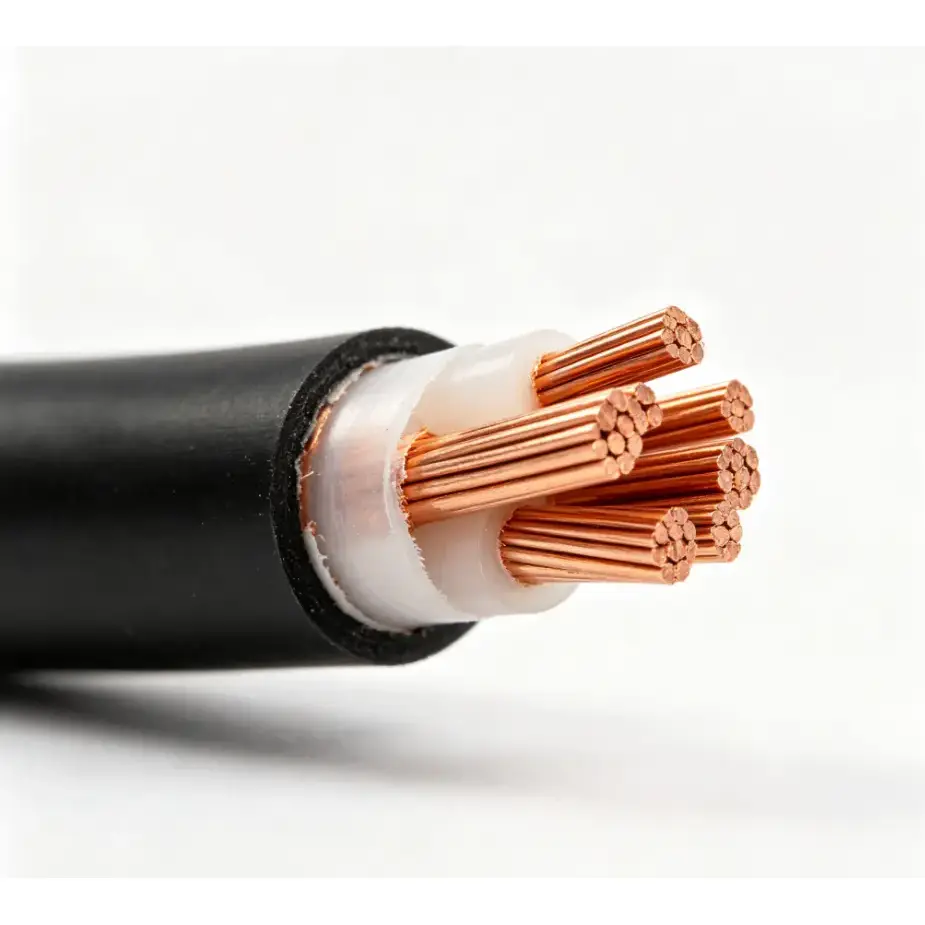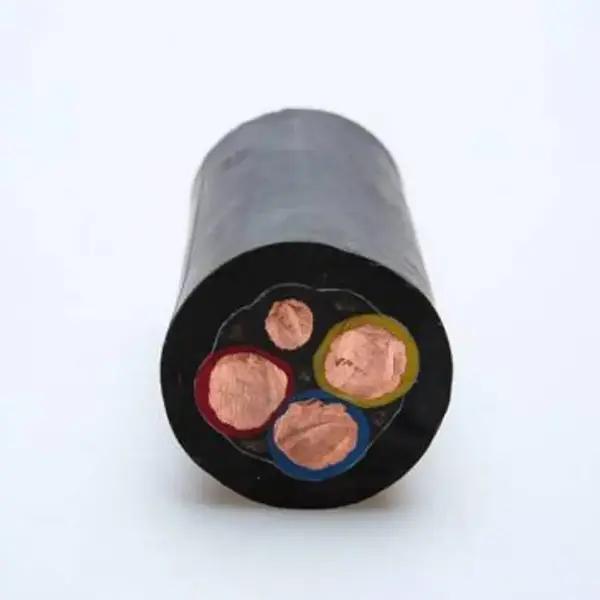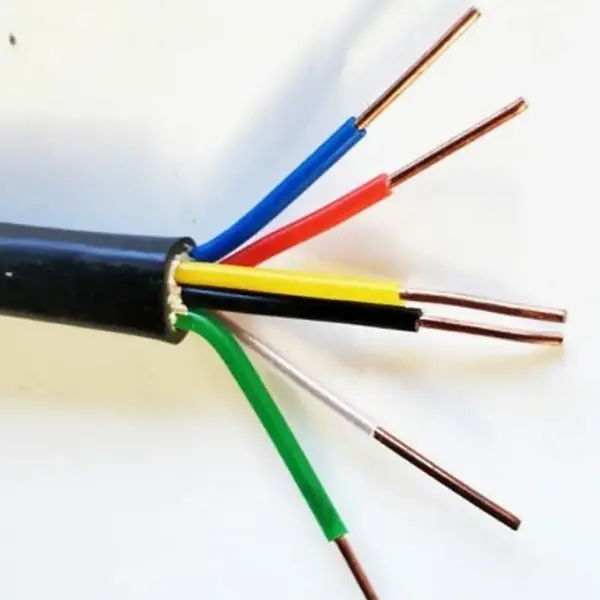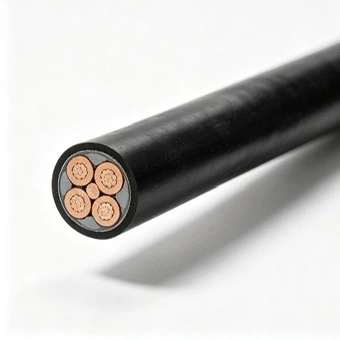
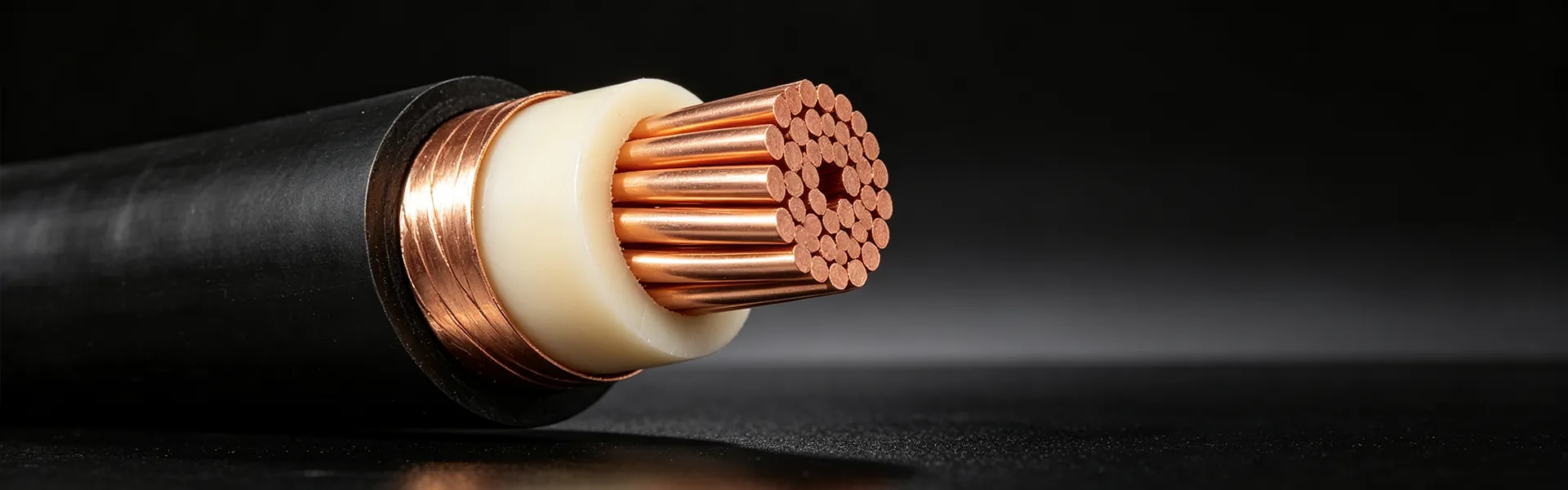
Qiancheng Aluminum PVC Insulated Flat Wire is designed for low-voltage power distribution where practical routing, lower conductor weight, installation efficiency, and reliable insulation are important. With a flat structure, high-purity aluminum conductor, and double-layer PVC protection, it provides a practical wiring option for civil and light industrial applications.
Choosing the right electrical wire requires more than comparing conductor materials. Installation space, rated voltage, mechanical protection, cable weight, operating temperature, and application conditions all influence long-term wiring performance. Aluminum PVC Insulated Flat Wire combines a lightweight aluminum conductor with PVC insulation and a flat cable configuration, making it particularly useful where wiring space is limited or large quantities of low-voltage cable are required.
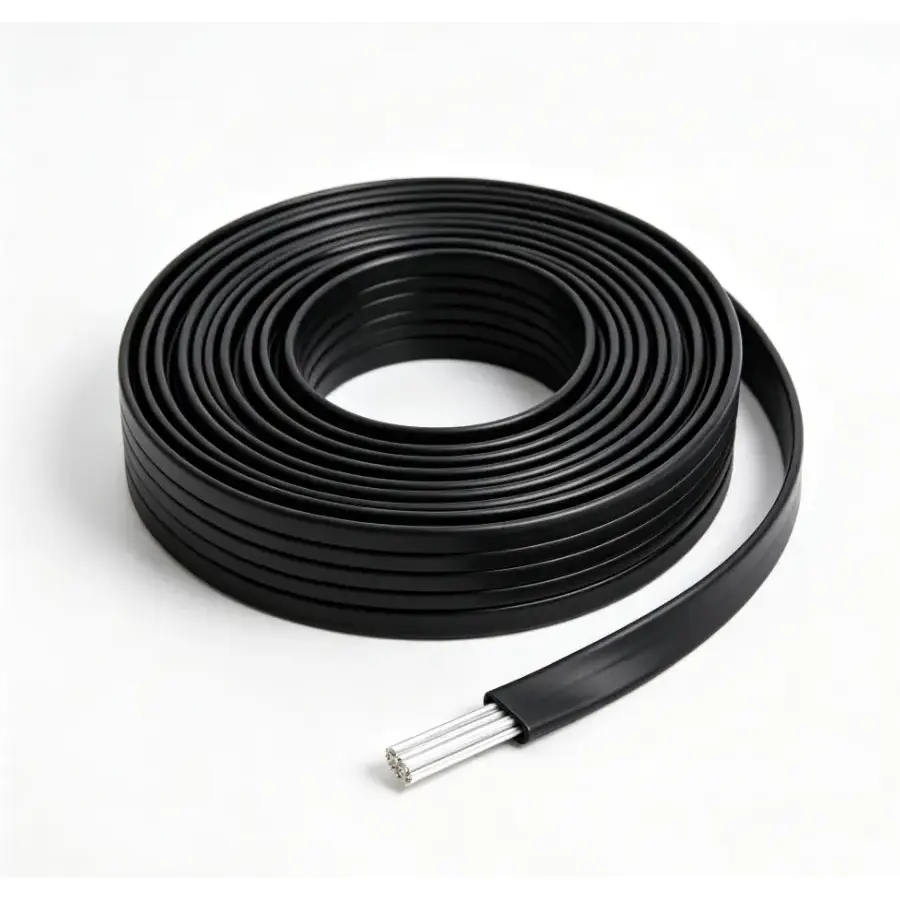
Table of Contents
What Is Aluminum PVC Insulated Flat Wire?
What Are the Key Specifications?
Where Can Aluminum PVC Insulated Flat Wire Be Used?
How Should You Select the Right Flat Wire?
Aluminum PVC Flat Wire Specification Comparison
What Should Be Considered During Installation?
Why Choose Qiancheng Aluminum PVC Insulated Flat Wire?
What Is Aluminum PVC Insulated Flat Wire?
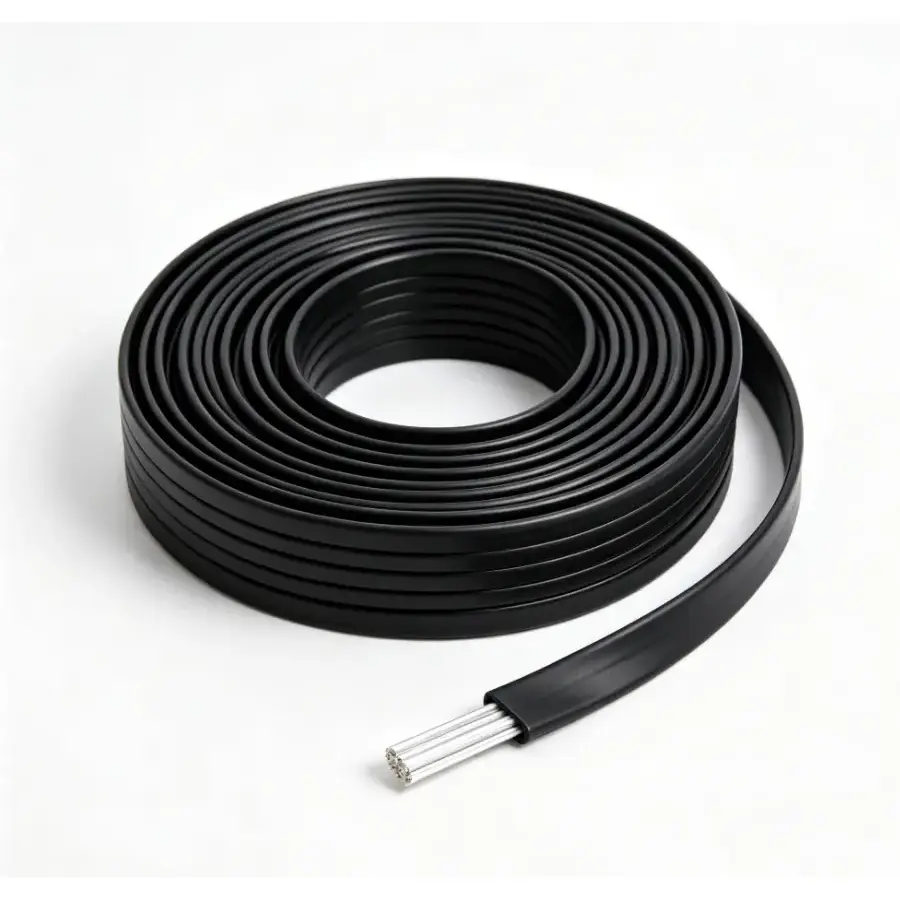
Aluminum PVC Insulated Flat Wire is a low-voltage electrical cable that combines an aluminum conductor with PVC insulation and a PVC outer sheath. Unlike conventional round cables, its cores are arranged in a flat configuration, which can make routing easier in confined installation areas.
Qiancheng's product is identified as model BLVVB and uses a high-purity aluminum conductor. Depending on the required specification, the conductor can be produced as a solid single aluminum conductor or a stranded aluminum conductor. The product is available in 2- or 3-core flat arrangements, with conductor cross-sections ranging from 2.5mm² to 10mm².
The PVC insulation and sheath provide electrical insulation and basic protection against normal moisture, abrasion, and environmental exposure within the specified operating conditions. This makes the cable suitable for various lightweight low-voltage power-distribution applications.
For buyers evaluating alternatives, PVC insulated flat copper wire can also be considered when higher electrical conductivity is a priority.
What Are the Key Specifications?
Technical specifications should always be reviewed before selecting a cable because conductor size, voltage rating, installation method, and environmental conditions directly affect application suitability.
| Parameter | Specification | Practical Significance |
|---|---|---|
| Product Model | BLVVB | Identifies the aluminum PVC insulated flat-wire configuration |
| Conductor Material | High-purity aluminum | Provides a lightweight conductor solution for low-voltage wiring |
| Conductor Cross-Section | 2.5mm²–10mm² | Allows selection according to project load and installation requirements |
| Core Arrangement | 2–3 cores | Suitable for common low-voltage power-distribution configurations |
| Insulation | PVC | Provides electrical insulation around the conductor |
| Sheath | PVC flat sheath | Provides additional mechanical and environmental protection |
| Rated Voltage | 300/500V | Designed for specified low-voltage applications |
| Insulation Resistance | ≥5MΩ·km at 20°C | Indicates insulation performance under the specified test condition |
| Withstand Voltage | 2kV for 5 minutes | Supports electrical insulation verification during testing |
| Operating Temperature | -15°C to 70°C | Defines the specified temperature range for operation |
Actual cable selection should always be based on the applicable technical specification, local electrical requirements, installation environment, and expected electrical load.
What Are the Main Advantages?
1. Space-Efficient Flat Construction
The flat profile allows the cable to sit closer to mounting surfaces than many conventional round cables. This can be useful for concealed wall wiring, ceiling cavities, narrow grooves, and equipment gaps where installation space is limited.
2. Lower Conductor Weight
Aluminum has a lower density than copper. Therefore, an aluminum conductor can reduce the overall conductor weight compared with a copper conductor of comparable application. This characteristic becomes particularly useful when projects involve long cable runs, high quantities, or transportation over considerable distances.
3. Practical PVC Protection
The combination of PVC insulation and a PVC sheath creates a layered protective structure around the aluminum conductor. Within its specified operating conditions, this structure helps protect against ordinary moisture, abrasion, and environmental exposure.
4. Easier Routing in Restricted Spaces
The flat construction can simplify cable positioning where space is restricted. Installers may find it easier to organize wiring through ceiling spaces, wall grooves, equipment gaps, and other narrow areas.
5. Cost-Conscious Material Selection
For projects where conductor weight and material economics are important, aluminum can provide a practical alternative to copper. However, aluminum has lower electrical conductivity than copper, so the conductor cross-section must be selected appropriately for the required electrical load and installation conditions.
Where Can Aluminum PVC Insulated Flat Wire Be Used?
Aluminum PVC Insulated Flat Wire is intended primarily for lightweight low-voltage power-distribution applications. Its flat structure and aluminum conductor make it particularly practical for projects where installation space and cable weight are important considerations.
- Residential wiring: Suitable for certain concealed wall and ceiling wiring applications when the electrical design permits aluminum conductors.
- Home renovation: Its flat profile can simplify routing during old-circuit replacement and renovation projects.
- Shop power distribution: Can be used for appropriate low-voltage distribution within commercial spaces.
- Small workshops: Suitable for selected fixed power-distribution applications.
- Mechanical equipment: Can provide external low-voltage power supply where the cable specification matches the equipment requirements.
- Temporary workshop wiring: Its lightweight construction can be convenient for suitable temporary low-voltage installations.
- Warehouses: Can support selected lighting and power-distribution requirements.
- Agricultural facilities: May be applied in greenhouse and other agricultural power-supply projects when environmental conditions are properly evaluated.
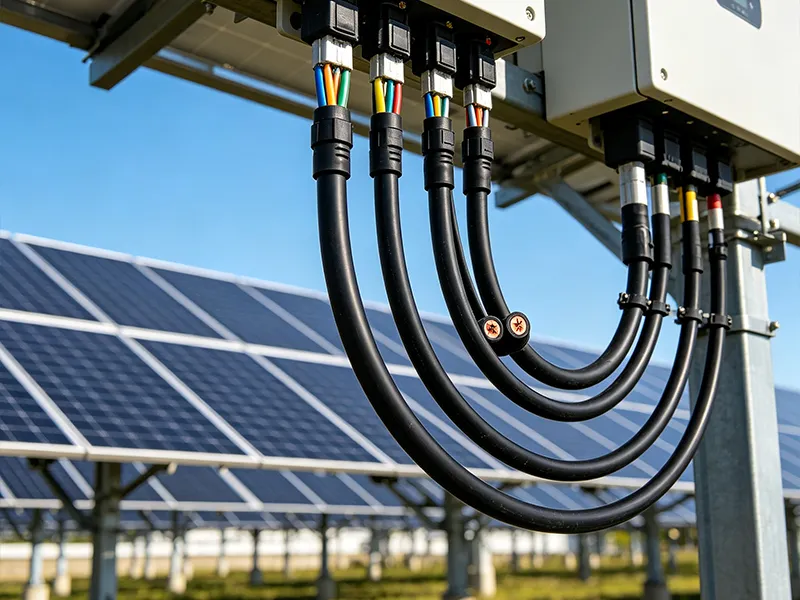
- Photovoltaic supporting facilities: Can be considered for suitable low-voltage auxiliary wiring applications.
For outdoor installations with prolonged exposure to sunlight and rain, additional protection or a weather-resistant cable solution should be considered rather than assuming that standard PVC construction is suitable for every outdoor condition.
How Should You Select the Right Flat Wire?
Choosing a cable should begin with the actual electrical and installation requirements rather than simply selecting the lowest-cost option. Buyers can evaluate the following factors:
- Determine the voltage requirement. Confirm that the cable's rated voltage is suitable for the intended circuit.
- Calculate the expected electrical load. Conductor cross-section should be selected according to current requirements and applicable electrical standards.
- Evaluate installation conditions. Consider whether the cable will be concealed, exposed, routed through a narrow gap, or installed near equipment.
- Check the temperature range. Confirm that expected ambient and operating temperatures remain within the specified cable range.
- Consider environmental exposure. Moisture, sunlight, chemicals, abrasion, and mechanical stress should all be evaluated.
- Choose the appropriate core configuration. The number of cores should match the circuit design.
- Confirm cable length and packaging requirements. For large projects, suitable roll lengths and export packaging can improve handling and transportation efficiency.
When the project involves special installation conditions, it is advisable to provide the supplier with information such as voltage, conductor cross-section, core number, application, required length, and expected quantity before placing an order.
Aluminum PVC Flat Wire Specification Comparison
| Selection Factor | Aluminum PVC Flat Wire | Why It Matters |
|---|---|---|
| Conductor | High-purity aluminum | Reduces conductor weight and can offer material-cost advantages |
| Cable Shape | Flat | Helps simplify routing in restricted installation spaces |
| Insulation | PVC | Provides electrical insulation |
| Sheath | PVC | Adds protection against ordinary environmental exposure |
| Core Options | 2–3 cores | Supports different low-voltage wiring configurations |
| Cross-Section | 2.5mm²–10mm² | Allows selection based on electrical requirements |
| Rated Voltage | 300/500V | Defines the intended low-voltage application range |
| Temperature | -15°C to 70°C | Helps determine suitability for different environments |
What Should Be Considered During Installation?
Even a properly manufactured cable can perform poorly if it is incorrectly selected or installed. For aluminum PVC insulated flat wire, professional installation practices should include:
- Use a conductor cross-section appropriate for the expected current.
- Follow applicable national and local electrical installation standards.
- Avoid excessive bending or mechanical damage during installation.
- Protect the cable from sharp edges and severe abrasion.
- Use appropriate terminals and connection methods designed for aluminum conductors.
- Check connections carefully because aluminum and copper have different electrical and mechanical characteristics.
- For outdoor applications, evaluate UV exposure, rain, temperature variation, and mechanical protection.
- Keep installation conditions within the manufacturer's specified operating range.
These practices help preserve insulation integrity and support stable power transmission throughout the cable's intended service conditions.
Frequently Asked Questions
1. What is Aluminum PVC Insulated Flat Wire mainly used for?
It is mainly designed for suitable low-voltage power-distribution applications in residential, commercial, agricultural, workshop, and light industrial environments. Its flat structure is particularly useful where organized routing and limited installation space are important.
2. What conductor sizes are available?
The referenced Qiancheng specification covers conductor cross-sections from 2.5mm² to 10mm², with 2-core and 3-core flat arrangements available for different wiring requirements.
3. Is aluminum better than copper for every wiring application?
No. Aluminum and copper have different electrical conductivity, weight, connection characteristics, and material costs. Aluminum can be advantageous when lower conductor weight and material economics are priorities, while copper may be preferred where higher conductivity is required. The correct choice depends on the electrical design.
4. Can the cable be customized?
Qiancheng supports specification-based sourcing and customized requirements. Buyers can discuss conductor cross-section, cable length, core configuration, application requirements, and order quantity with the supplier.
5. Can it be used outdoors?
It can be considered for suitable outdoor applications when environmental conditions remain within the product's capabilities. For long-term exposure to sunlight and rain, additional conduit, protection, or a weather-resistant cable construction may be necessary.
6. How is the cable packaged for transportation?
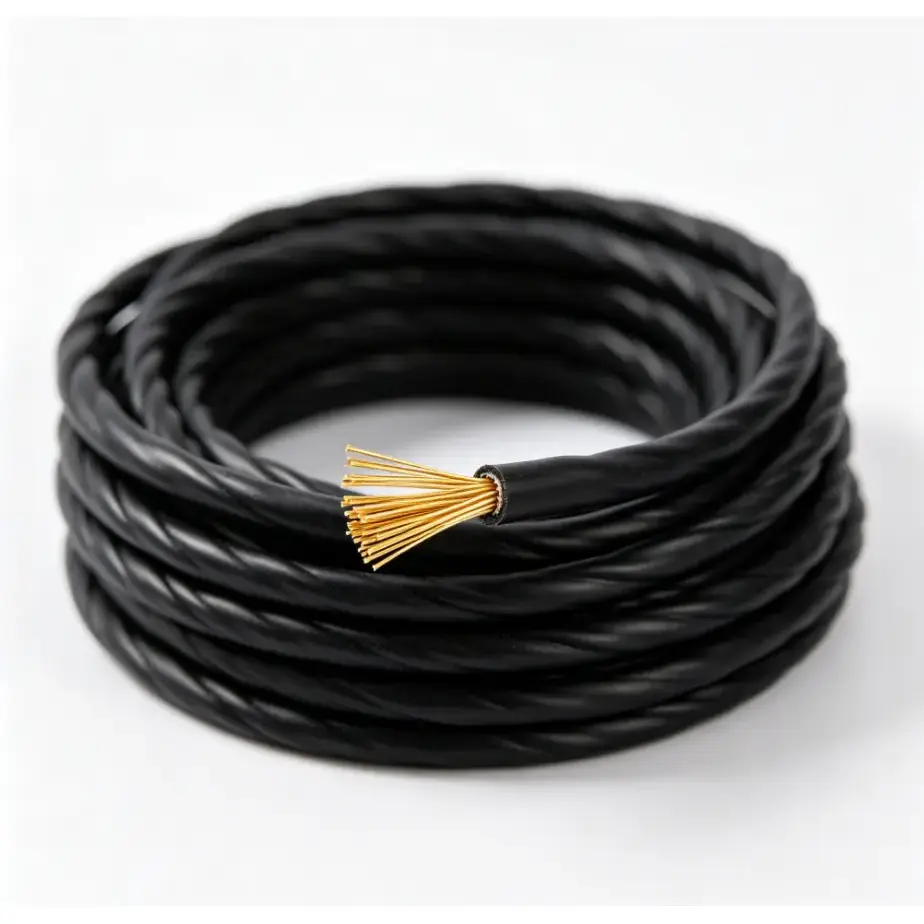
The wire is wound on a spool and protected with plastic film for export packaging. This packaging approach helps protect finished cable coils during handling, loading, and transportation.
Why Choose Qiancheng Aluminum PVC Insulated Flat Wire?
For buyers looking for a practical solution for low-voltage power distribution, Qiancheng Aluminum PVC Insulated Flat Wire combines a high-purity aluminum conductor, PVC insulation, PVC sheath, and space-efficient flat construction. Its specifications cover common low-voltage requirements, while its lightweight structure can be advantageous for projects involving extensive cable routing and transportation.
Qiancheng supports specification-based sourcing, bulk orders, and customized requirements. Buyers can provide the desired conductor material, cross-section, core number, voltage rating, application, cable length, and quantity to help determine the appropriate configuration.
If you are sourcing aluminum flat wire for residential wiring, workshop distribution, agricultural facilities, equipment power supply, or other low-voltage projects, learn more about Qiancheng Aluminum PVC Insulated Flat Wire and discuss your project requirements with the manufacturer. For specifications, customization, bulk purchasing, and quotation support, contact us with your application details and required cable parameters.