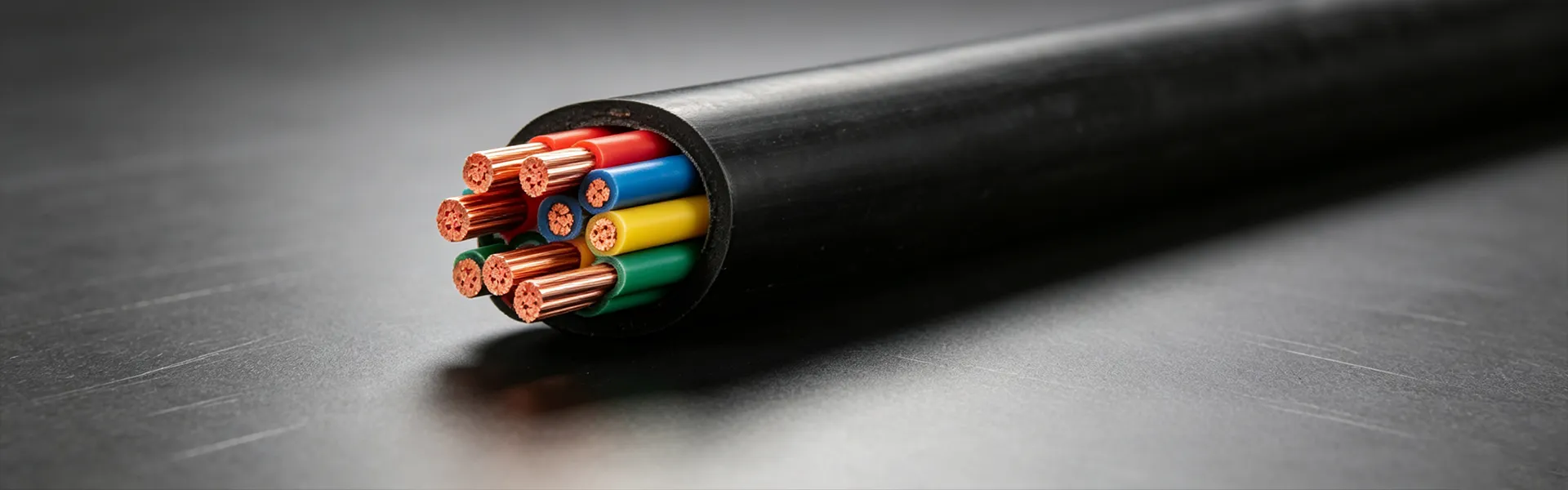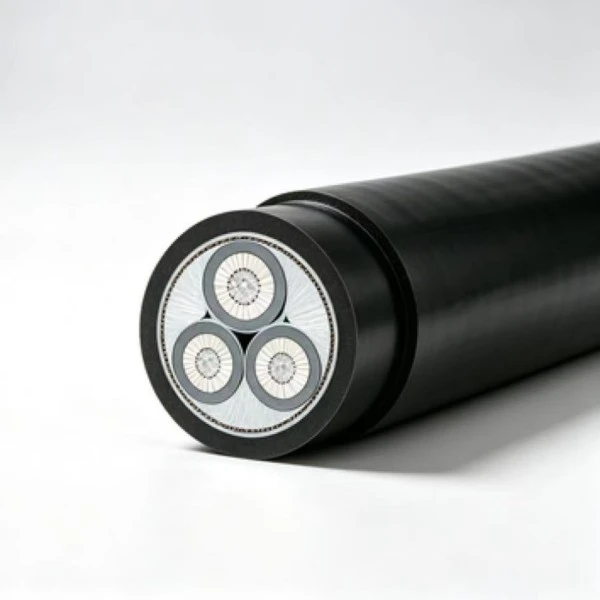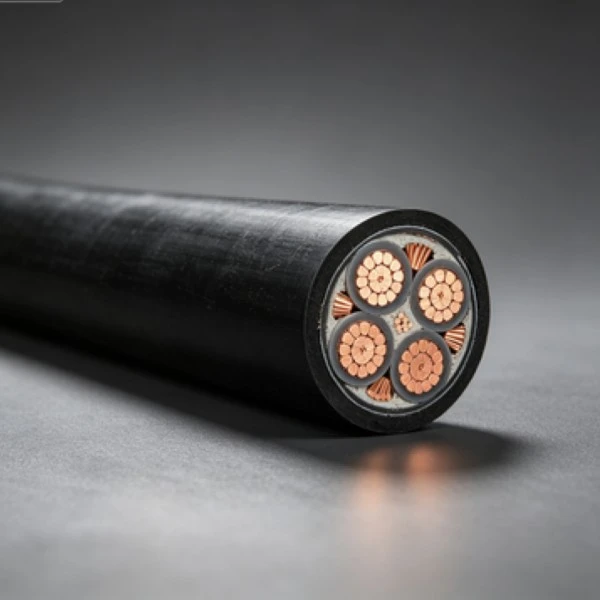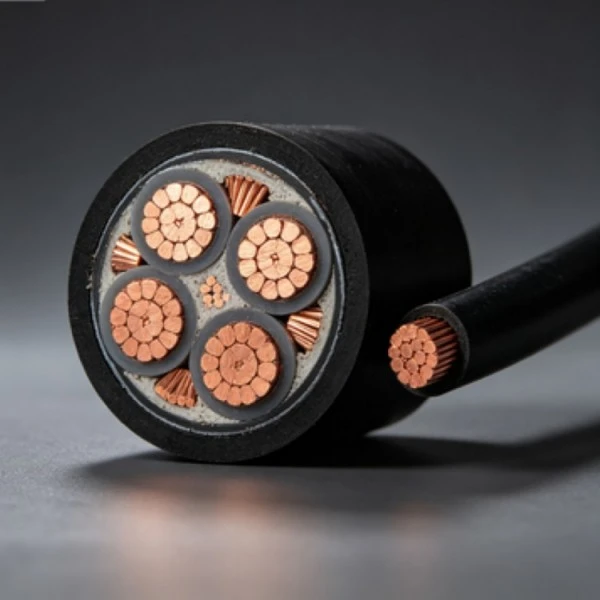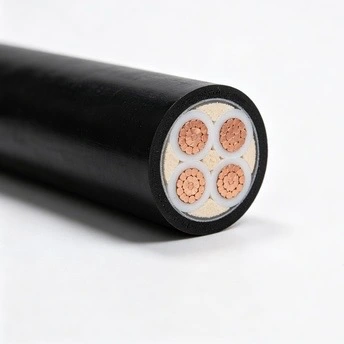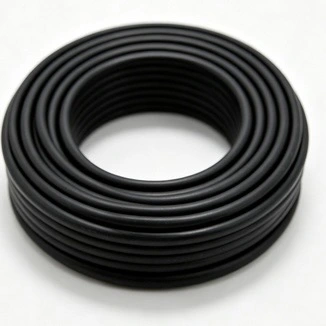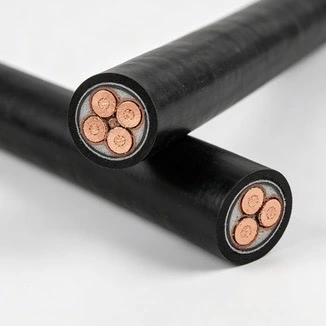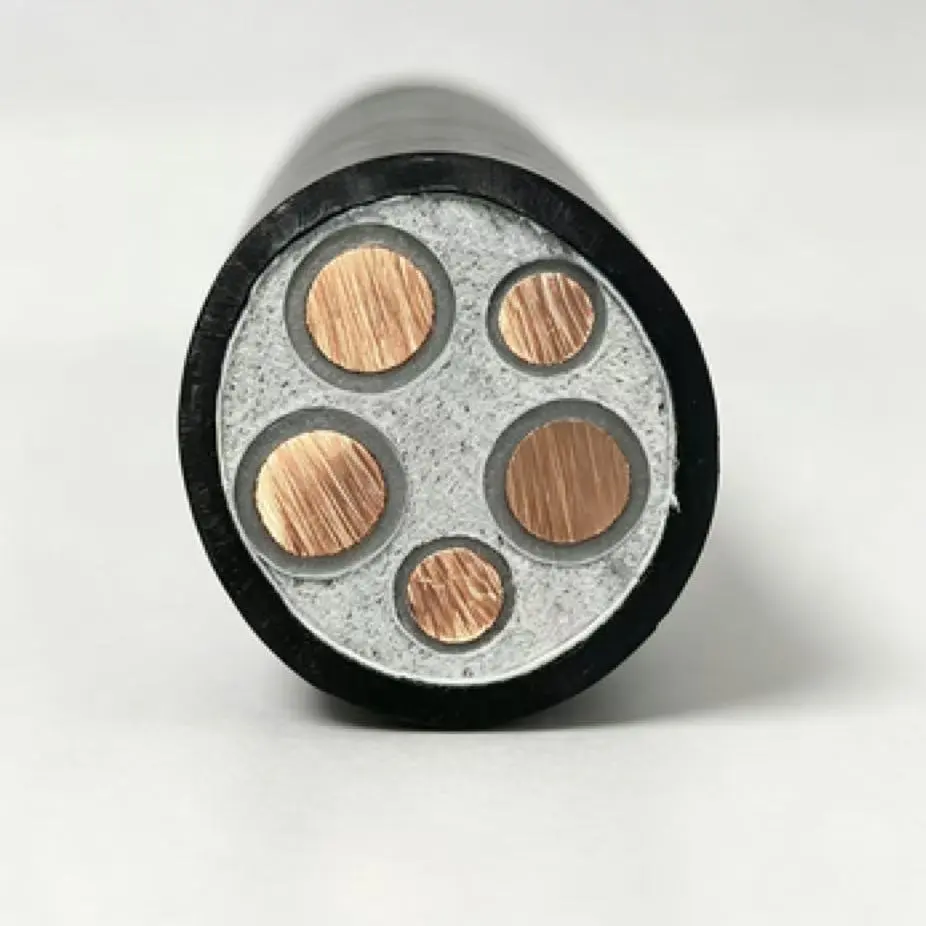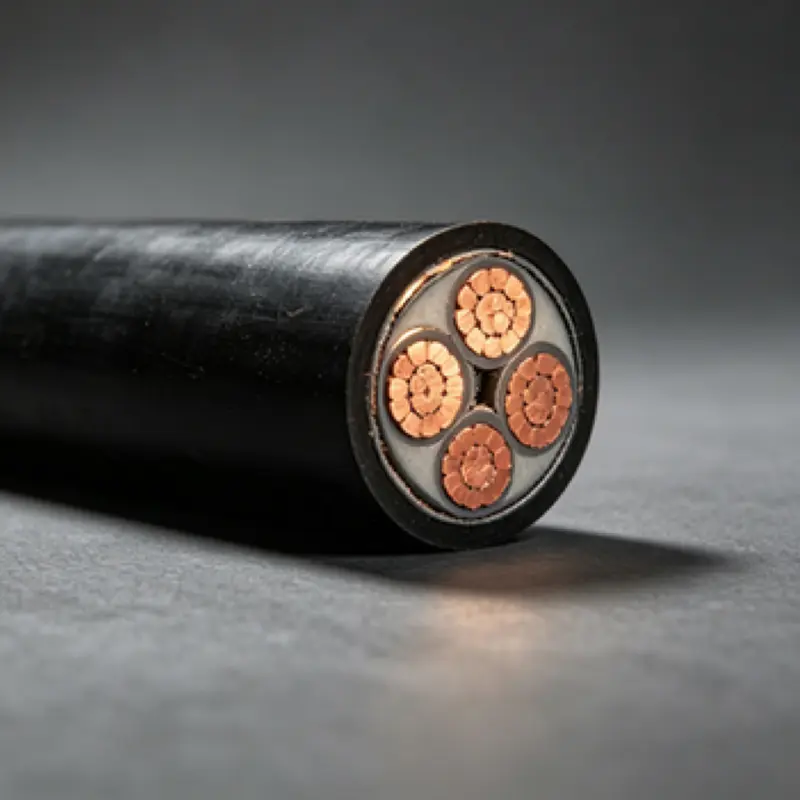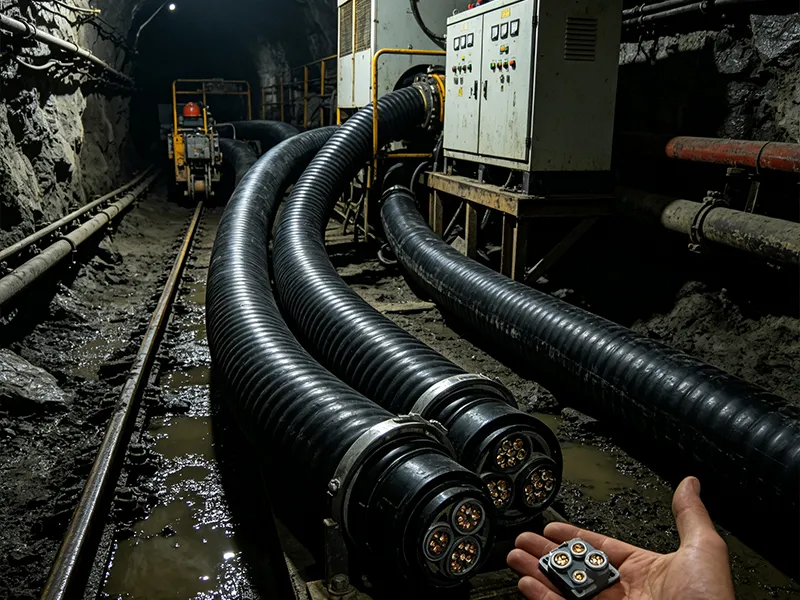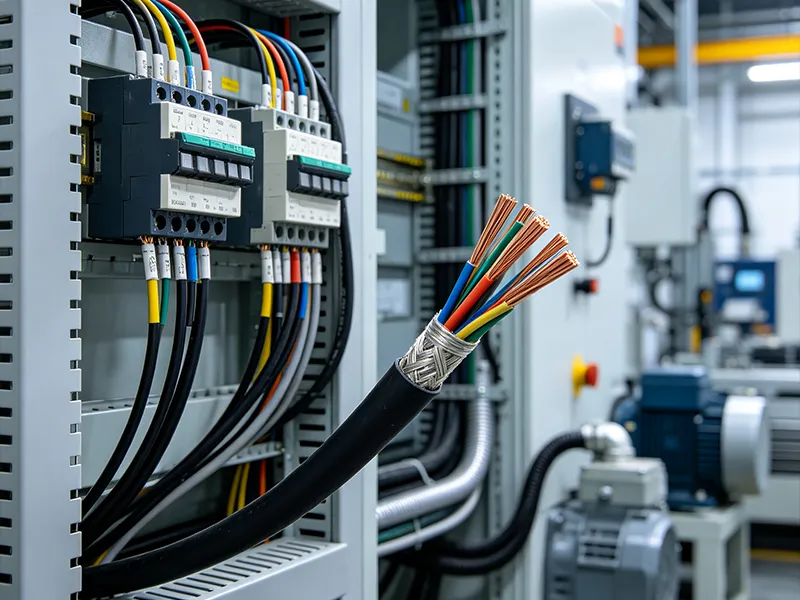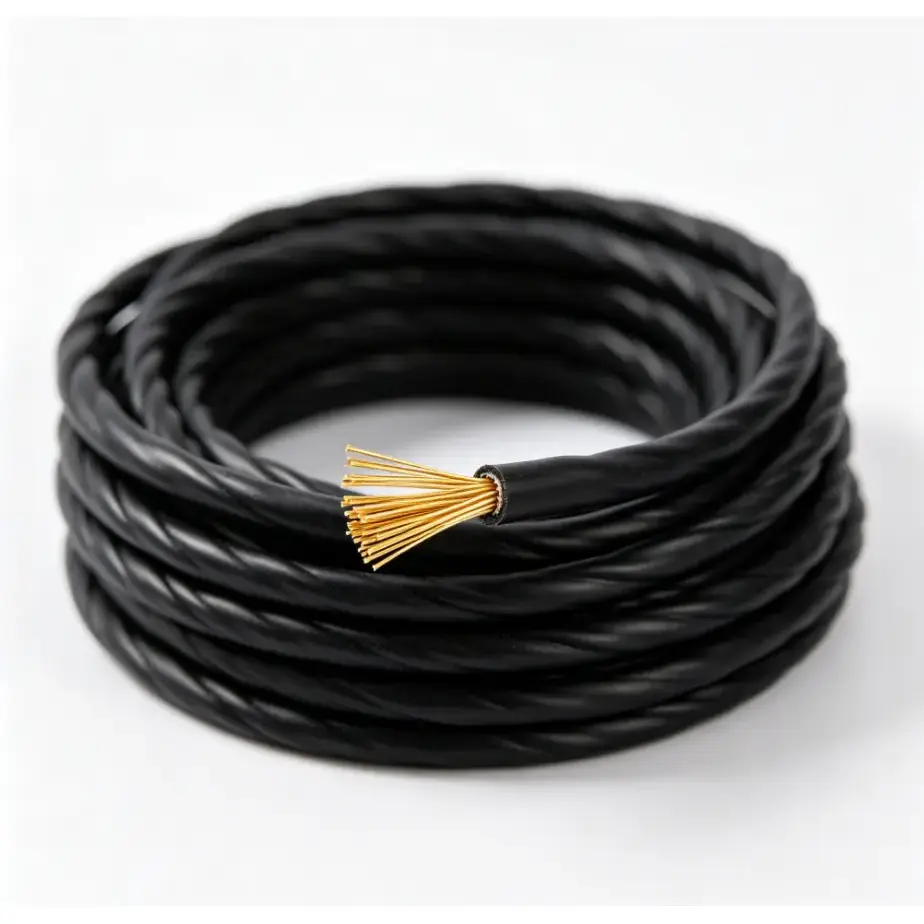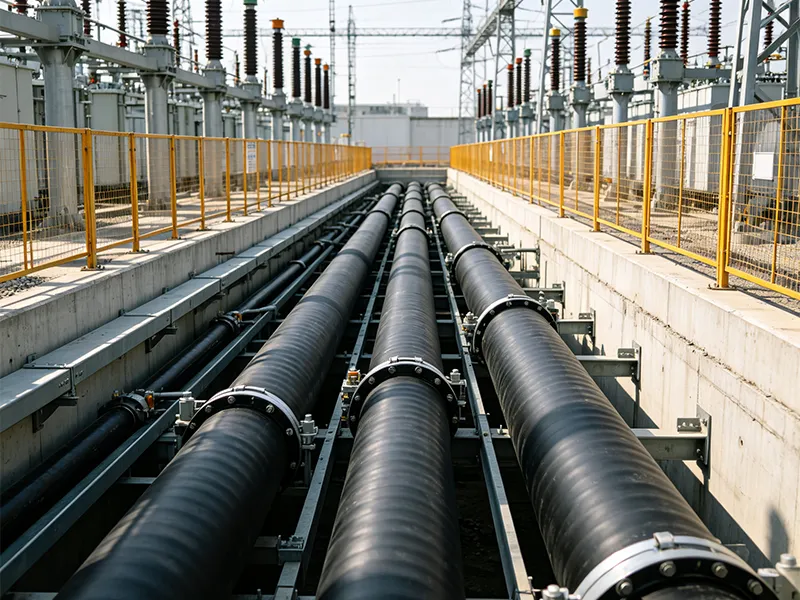
Copper XLPE FR Fire Resistant Low Voltage Power Cable is designed for low-voltage circuits where flame-spread control and continued power supply under specified fire conditions are both required. Its construction combines a copper conductor, XLPE insulation, mica fire-resistant tape, flame-retardant filler and a protective outer sheath for fire-emergency power distribution and other low-voltage installations with defined fire-performance requirements.
|
Nominal section (mm²) |
Minimum number of conductor wires |
Conductor outer diameter (mm) |
Nominal thickness of XLPE insulation /mm |
Approximate outer diameter of insulation /mm |
Maximum conductor resistance at 20 ℃ (Ω/km) copper |
|
1.5 |
1 |
1.36±0.02 |
0.7 |
3.0 |
12.1 |
|
1.5(B) |
7 |
1.56±0.02 |
0.7 |
3.2 |
12.1 |
|
2.5 |
1 |
1.75±0.02 |
0.7 |
3.4 |
7.41 |
|
2.5(B) |
7 |
2.01±0.02 |
0.7 |
3.6 |
7.41 |
|
4 |
1 |
2.22±0.02 |
0.7 |
3.8 |
4.61 |
|
4(B) |
7 |
2.52±0.02 |
0.7 |
4.1 |
4.61 |
|
6 |
1 |
2.72±0.03 |
0.7 |
4.3 |
3.08 |
|
6(B) |
7 |
3.09±0.03 |
0.7 |
4.7 |
3.08 |
|
10 |
6 |
3.9±0.10 |
0.7 |
5.5 |
1.83 |
|
16 |
6 |
5.0±0.10 |
0.7 |
6.6 |
1.15 |
|
25 |
6 |
6.1±0.10 |
0.9 |
8.1 |
0.727 |
|
35 |
6 |
7.1±0.10 |
0.9 |
9.0 |
0.524 |
|
50 |
6 |
8.2±0.15 |
1.0 |
10.4 |
0.387 |
|
70 |
12 |
9.8±0.15 |
1.1 |
12.2 |
0.268 |
|
95 |
15 |
11.6±0.15 |
1.1 |
14.0 |
0.193 |
|
120 |
18 |
13.2±0.15 |
1.2 |
15.8 |
0.153 |
|
150 |
18 |
14.6±0.20 |
1.4 |
17.6 |
0.124 |
|
185 |
30 |
16.2±0.20 |
1.6 |
19.6 |
0.0991 |
|
240 |
34 |
18.5±0.20 |
1.7 |
22.1 |
0.0754 |
|
300 |
34 |
20.5±0.20 |
1.8 |
24.3 |
0.0601 |
|
400 |
53 |
23.3±0.20 |
2.0 |
27.5 |
0.0470 |
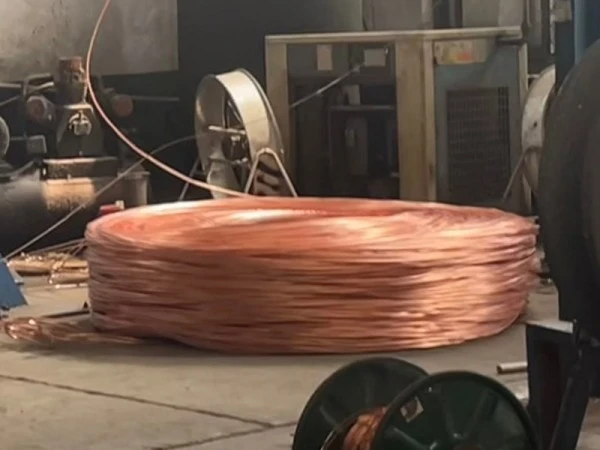
The conductor is made from electrolytic copper and is available in single-wire and stranded constructions according to the specified cross-section. The conductor resistance values in the table above provide a direct reference for electrical selection. Stranded conductors can also provide greater flexibility where the cable route includes bends, trays or conduits.

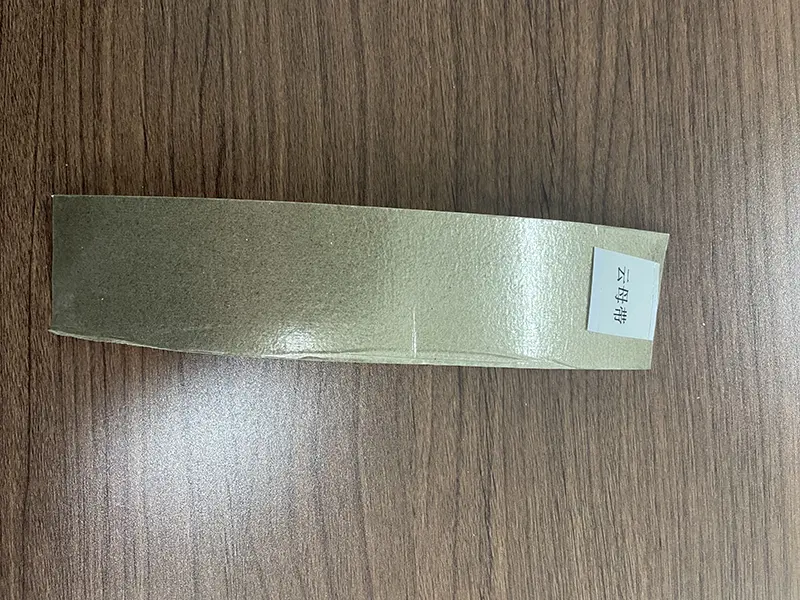
Double-layer mica tape is applied around the conductor assembly as the primary fire-resistant barrier. Under a specified fire test, the mica layer helps protect the conductor and insulation system from direct heat exposure and supports circuit integrity for the required test duration. Fire-resistance performance should be evaluated according to the applicable product standard and test report rather than by temperature alone.
XLPE provides the main electrical insulation around the conductor. Its commonly specified continuous operating temperature is 90 ℃, subject to the applicable cable design and standard. Compared with conventional PVC insulation, XLPE has higher thermal capability and good resistance to ageing and many chemical environments, which makes it suitable for power circuits exposed to elevated operating temperatures.
Flame-retardant filler is used to occupy internal spaces between cable components and maintain the intended cable geometry. Its role is also to limit flame propagation through internal gaps when the cable is exposed to fire.
The outer sheath provides mechanical protection and contributes to flame-spread control. For outdoor or trench installations, the actual resistance to UV exposure, moisture and soil conditions should be checked against the specified sheath material and project requirements.
The applicable production and testing requirements depend on the cable construction, rated voltage, fire-performance classification and destination market. For export projects, the required GB, IEC or destination-country requirements should be confirmed before production so that the cable configuration and documentation match the project specification.
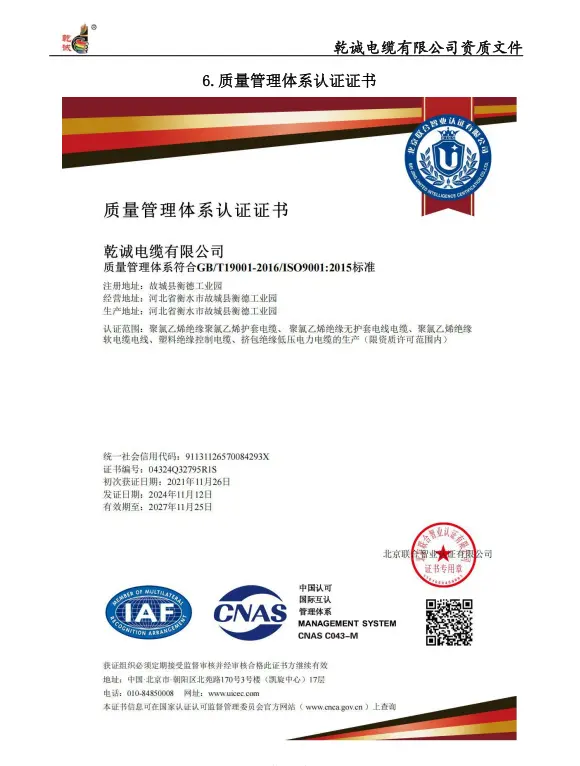
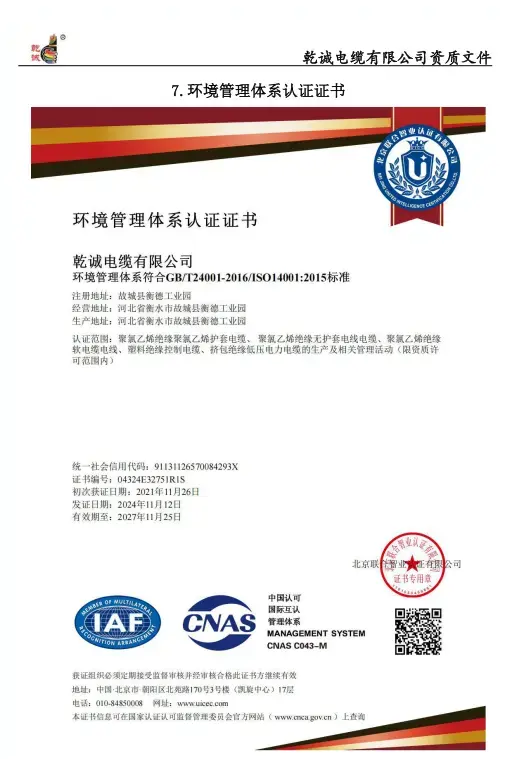
Available quality documentation may include ISO 9001 Quality Management, ISO 14001 Environmental Management and ISO 45001 Occupational Health and Safety certifications, together with applicable production qualifications and product test documentation.
For fire-performance requirements, relevant fire-integrity and flame-retardant test reports can be provided where applicable to the specified product construction. Batch-related production and inspection records can also be maintained for traceability according to the order and quality-control requirements.

Copper XLPE FR Fire Resistant Low Voltage Power Cable uses separate construction layers for different fire-related functions. The flame-retardant materials are intended to limit flame propagation, while the mica fire-resistant layer supports continued circuit operation during the specified fire test. These are different performance requirements and should be verified through the corresponding test methods and reports.
XLPE insulation is designed for a continuous conductor operating temperature of up to 90 ℃ under the applicable specification. Actual allowable current depends on conductor size, installation method, ambient temperature, grouping and other correction factors. Cable selection should therefore be based on the complete installation condition rather than insulation temperature alone.
Copper conductors provide the electrical path for low-voltage power transmission. The maximum resistance values listed in the technical table can be used when checking voltage drop, conductor heating and circuit design. Finished-cable inspection may include conductor resistance, insulation and withstand-voltage testing according to the applicable production and project requirements.
Conductor dimensions, insulation thickness and finished-cable characteristics can be checked during production. Inspection records and product documentation can be associated with the relevant production batch or cable reel where traceability is required. This provides a practical basis for incoming inspection, project acceptance and later maintenance.
Select the conductor cross-section according to the design current, permissible voltage drop, installation method, ambient temperature and cable grouping. The values in the technical table describe conductor dimensions and resistance, but they should not be treated as a standalone ampacity table.
Before ordering, confirm whether the project requires flame-retardant performance, fire-resistance for a specified duration, or both. Where a fire-integrity rating is required, the required test temperature, duration, circuit condition and applicable standard should be matched with the cable's test documentation.
For construction below the manufacturer's specified minimum installation temperature, appropriate handling and preheating procedures should be followed according to the product specification. The maximum continuous conductor operating temperature is generally specified as 90 ℃ for this XLPE-insulated construction. Heat sources, cable grouping and ambient conditions should also be considered during installation.
The cable should be installed without exceeding the specified minimum bending radius. For the values provided for this product, a reference minimum bending radius is ≥10 × cable outer diameter for single-core cables and ≥15 × cable outer diameter for multi-core cables. The actual installation requirement should follow the applicable product specification.
1. Indoor fire-emergency circuits: Suitable for applications such as fire-protection power distribution, equipment power circuits and cable-tray installations where continued power supply under specified fire conditions is required.
2. Commercial and public buildings: Cable trays, shafts and other low-voltage distribution routes can be considered when the selected cable meets the project's fire-performance and electrical requirements.
3. Outdoor and cable-trench installations: Installation can be considered where the sheath construction is suitable for the expected UV, moisture and mechanical conditions.
4. Direct burial: Direct burial should only be used when the cable construction and sheath are specified for the soil, moisture, mechanical and chemical conditions at the installation site.
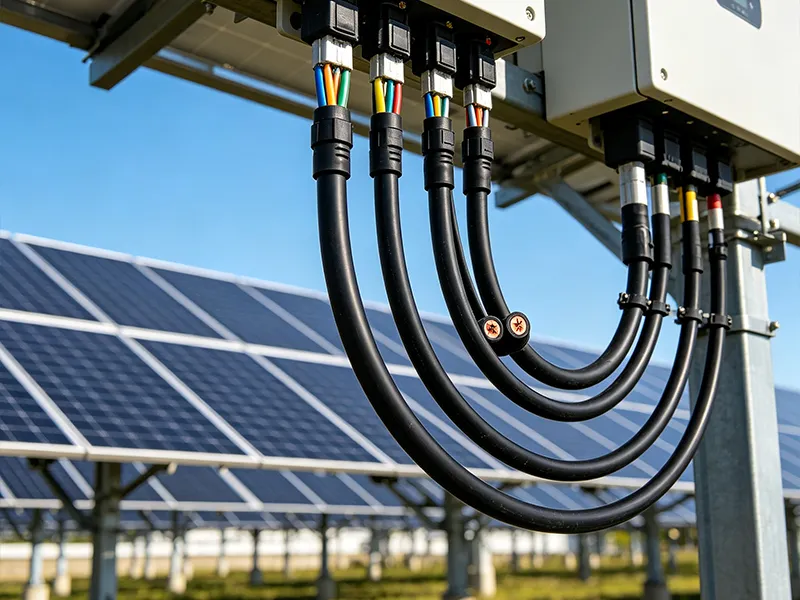
Intermediate joints should be minimized in fire-emergency circuits. Where a joint or branch connection is necessary, the jointing system should be compatible with the cable's electrical rating and required fire performance. Fire-resistant jointing or termination components should be selected as a complete system rather than relying only on the cable itself.
Cable identification should be maintained at both ends and at appropriate route points to support inspection and future maintenance. During pulling and laying, avoid excessive tensile force, sharp edges and uncontrolled bending that could damage the insulation or fire-resistant layers.
The cable integrates its fire-resistant and flame-retardant layers into the factory-manufactured structure, reducing the need for separate fire-protection treatment along the cable body. However, terminations, joints, supports and penetrations through fire-rated structures still require compatible installation systems to maintain the required electrical and fire-performance characteristics of the complete installation.
A: Flame-retardant performance concerns limiting flame propagation after ignition, while fire-resistant performance concerns maintaining specified circuit integrity under defined fire conditions. A cable may be required to meet one or both requirements depending on the project.
A: XLPE provides electrical insulation with a typical continuous operating temperature of 90 ℃ for this type of construction. Its thermal capability and ageing resistance make it suitable for low-voltage power circuits where operating temperature and service conditions need to be considered.
A: Confirm the load current, conductor cross-section, allowable voltage drop, installation method, ambient temperature, cable grouping, route length and required fire-performance level. These factors determine whether a particular size and construction are suitable for the project.
A: Relevant product specifications, inspection records and applicable test reports can be supplied according to the cable construction and order requirements. For export projects, the required standard and destination-market documentation should be confirmed before production.
A: Pay attention to installation temperature, bending radius, pulling tension, heat sources, cable grouping and mechanical protection. Joints and terminations should also use components compatible with the required electrical and fire-performance specifications.
A: It can be considered for these applications when the sheath and complete cable construction are suitable for the actual UV, moisture, soil, mechanical and chemical conditions. Direct burial should not be assumed from the cable's fire rating alone.
Address
Qiancheng Cable Co., Ltd., Hengde Industrial Park, Gucheng County, Hengshui City, Hebei Province, China
Tel
Looking for the right cable for a project or application? Send your requirements to Qiancheng Cable for product selection and quotation. You can provide the cable type, voltage rating, conductor material, cross-section, core number, insulation, application and required quantity.
Whether you need standard cables or specification-based production, our team can review your requirements and recommend suitable product options from our manufacturing range.