Products
Aluminum XLPE FR Fire Resistant Low Voltage Power Cable
  • Aluminum XLPE FR Fire Resistant Low Voltage Power CableAluminum XLPE FR Fire Resistant Low Voltage Power Cable
  • Aluminum XLPE FR Fire Resistant Low Voltage Power CableAluminum XLPE FR Fire Resistant Low Voltage Power Cable
  • Aluminum XLPE FR Fire Resistant Low Voltage Power CableAluminum XLPE FR Fire Resistant Low Voltage Power Cable

Aluminum XLPE FR Fire Resistant Low Voltage Power Cable

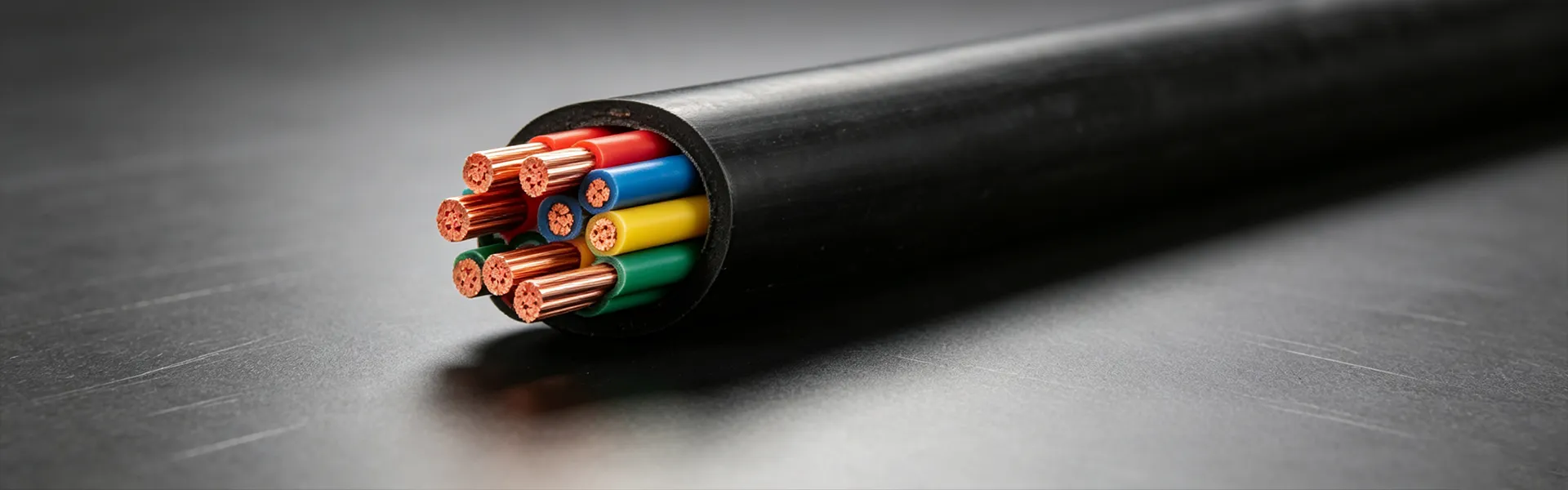
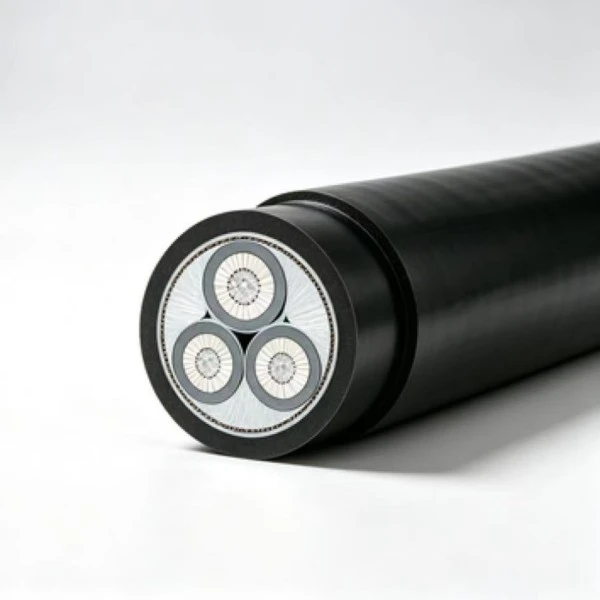
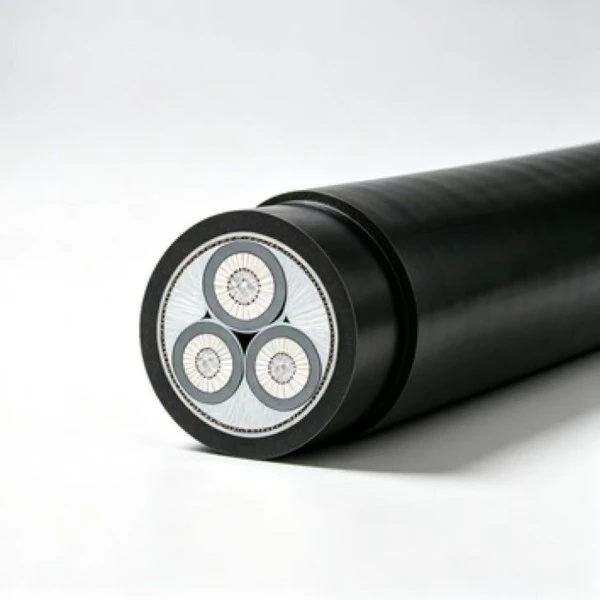
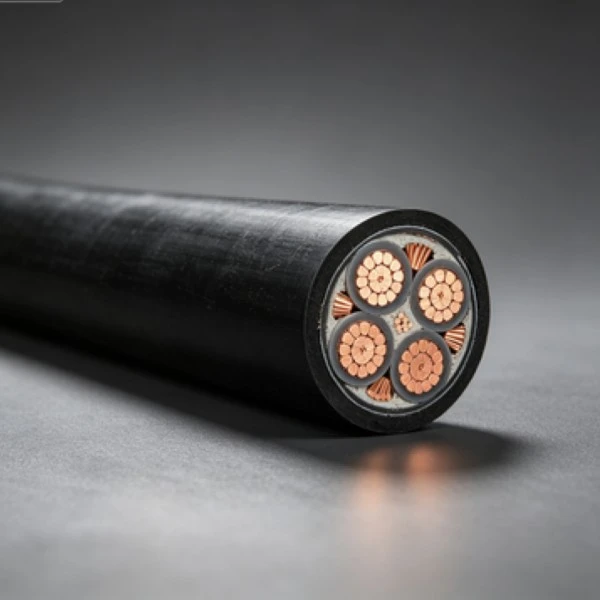
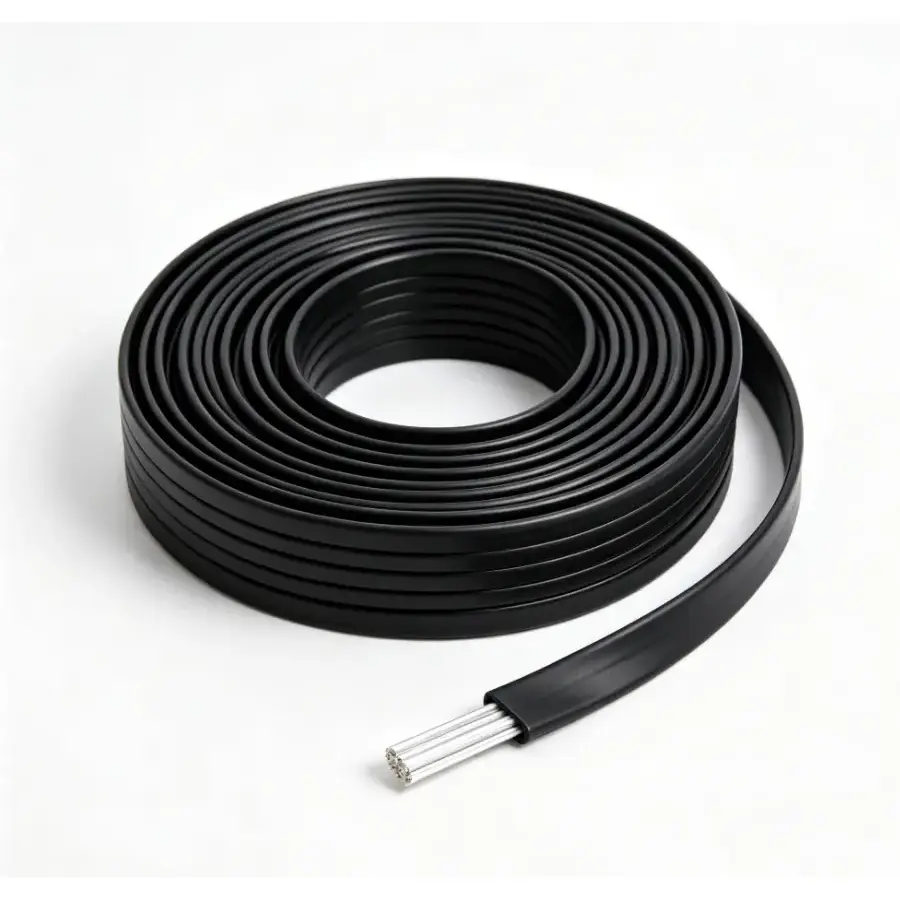
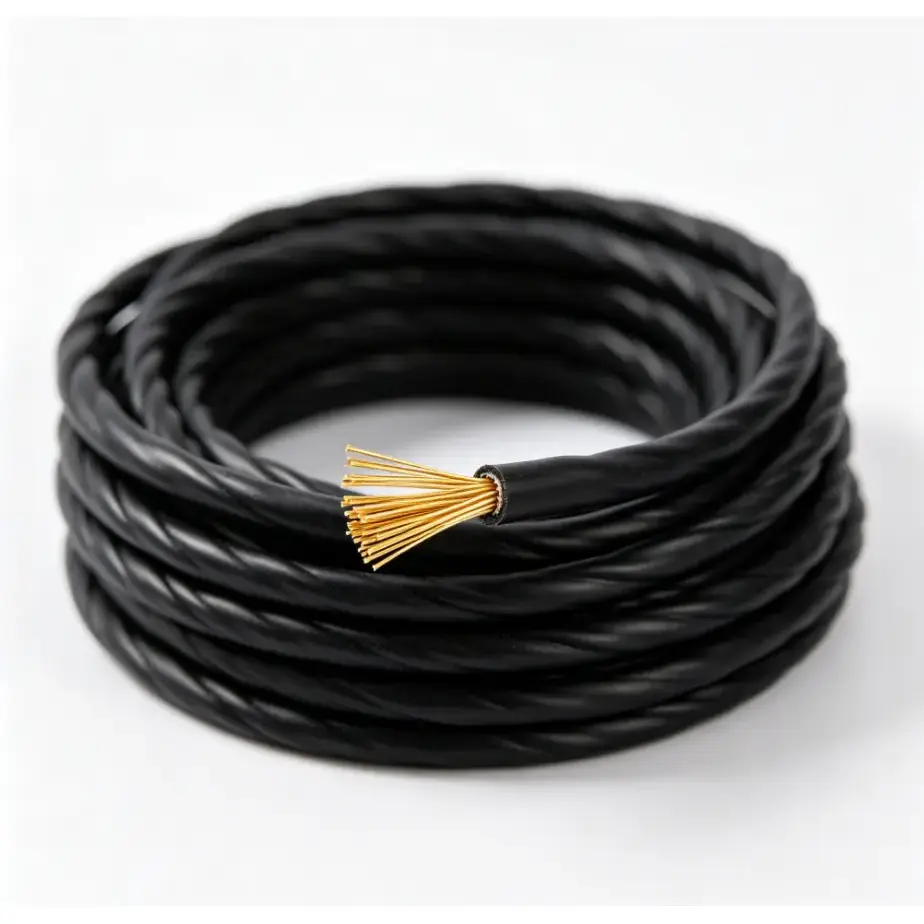
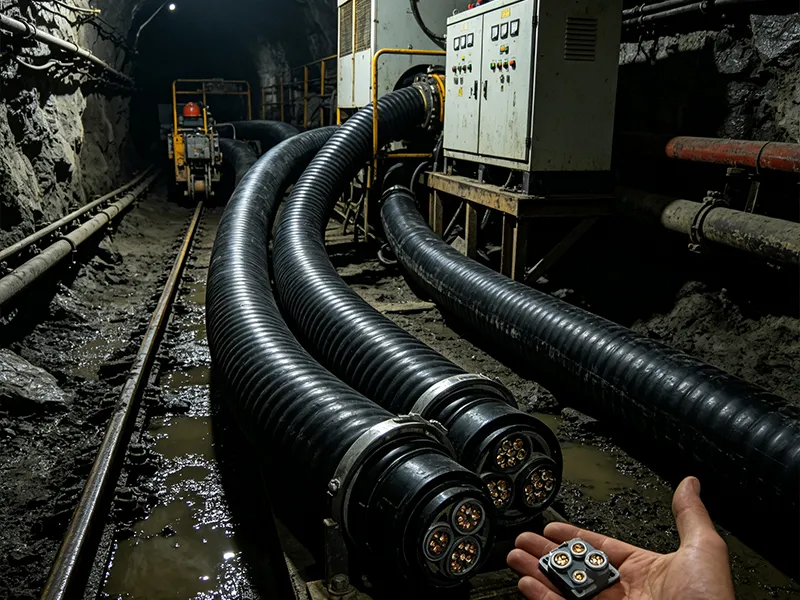
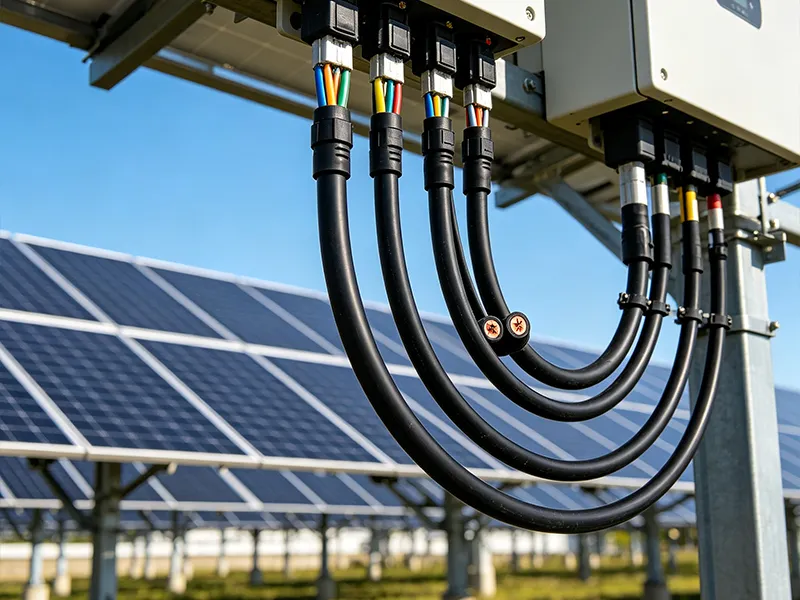
Qiancheng Aluminum XLPE FR Fire Resistant Low Voltage Power Cable is a lightweight fire-proof cable supplied directly from factory stock. Bulk procurement and sample customization for overseas municipal and industrial-park fire-safety projects are accepted.

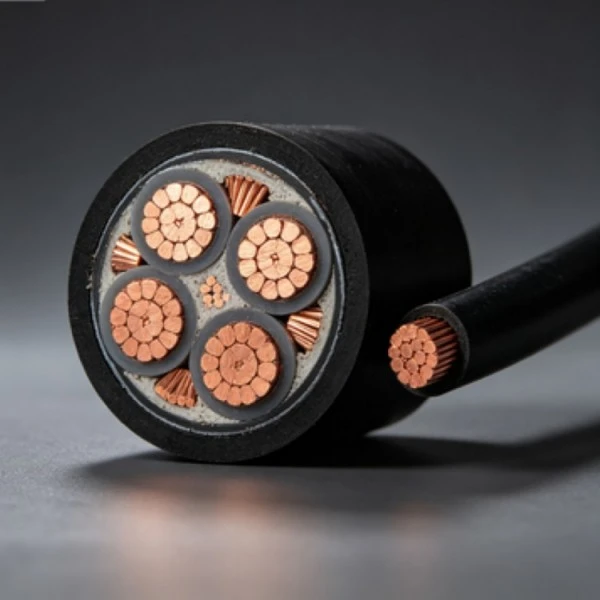
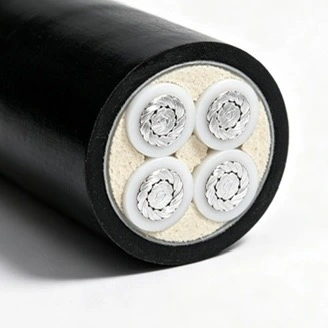
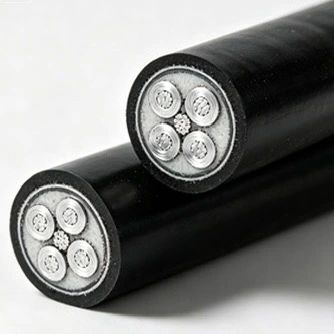
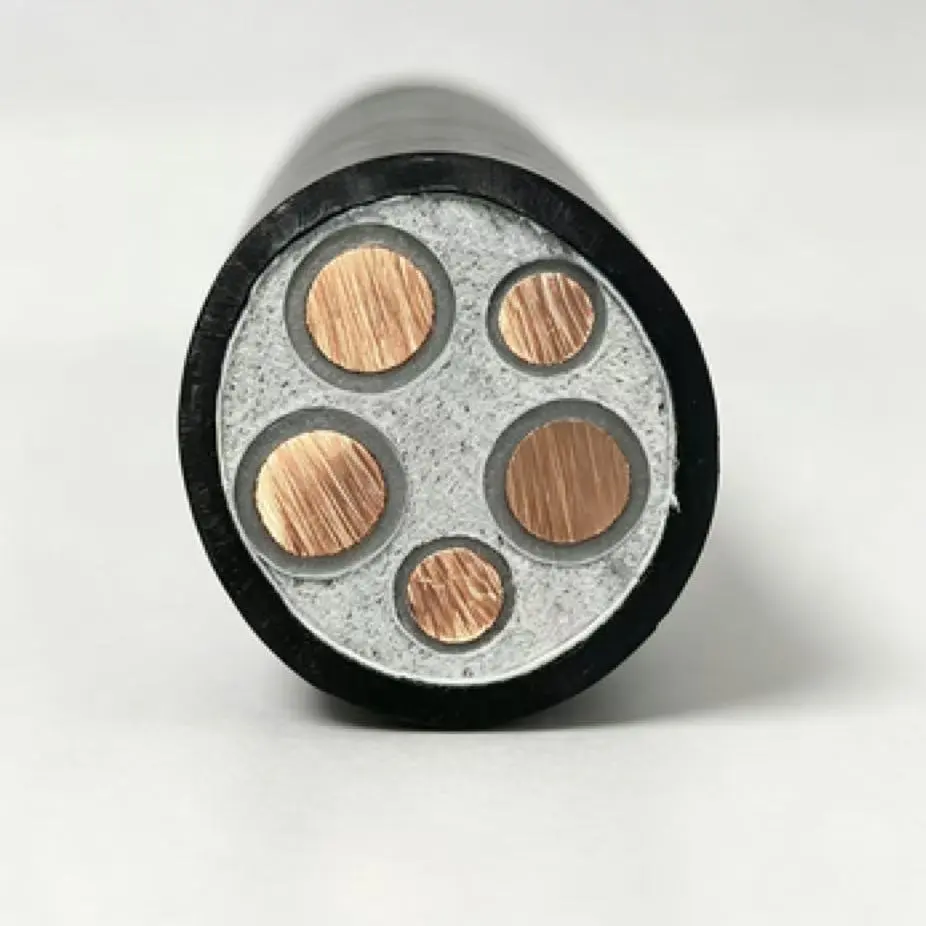
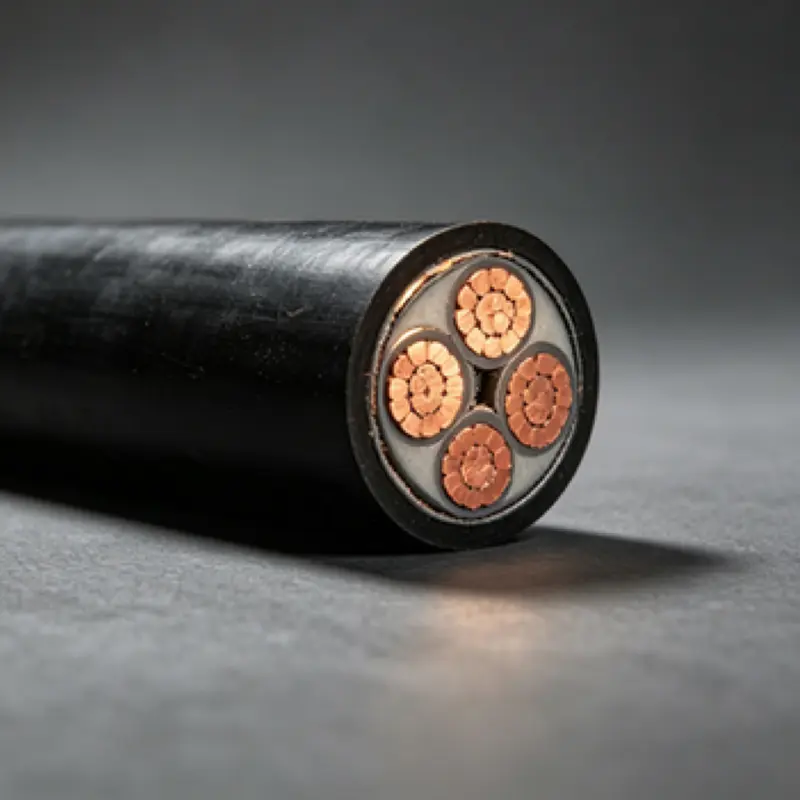
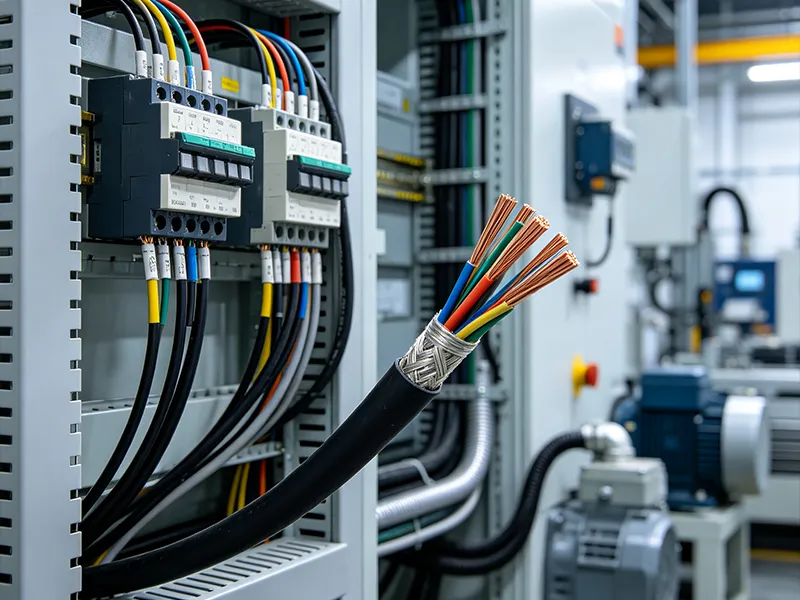
Qiancheng Aluminum XLPE FR Fire Resistant Low Voltage Power Cable is designed for low-voltage power distribution where fire resistance, flame-retardant performance and installation weight need to be considered together. The cable uses an aluminum conductor, XLPE insulation, a mica fire-resistant layer and a flame-retardant outer sheath for applications including building power systems, cable trenches, municipal networks and industrial facilities.


Product Specifications and Technical Parameters Table

Nominal Conductor Cross-sectional Area (mm²)

Insulation Thickness (mm)

Sheath Thickness (mm)

Approximate Cable Outer Diameter (mm)

DC Resistance of Al Conductor (Ω/km)

Test Voltage (kV/5min)

Ampacity-Al in Air (A)

Ampacity-Al in Direct-buried Soil (A)

1×1.5

0.7

1.5

6

—

3.5

—

—

1×2.5

0.7

1.5

6

≤12.1

3.5

26

32

1×4

0.7

1.5

7

≤7.41

3.5

35

42

1×6

0.7

1.5

7

≤4.61

3.5

45

54

1×10

0.7

1.5

8

≤3.08

3.5

59

69

1×16

0.7

1.5

9

≤1.91

3.5

78

90

1×25

0.9

1.5

10

≤1.20

3.5

100

115

1×35

0.9

1.5

12

≤0.868

3.5

125

135

1×50

1.0

1.5

13

≤0.641

3.5

150

165

1×70

1.1

1.5

14

≤0.443

3.5

190

200

1×95

1.1

1.5

16

≤0.320

3.5

230

240

1×120

1.2

1.5

18

≤0.253

3.5

370

275

1×150

1.4

2.0

21

≤0.206

3.5

310

310

1×185

1.6

2.0

23

≤0.164

3.5

360

355

1×240

1.7

2.0

25

≤0.125

3.5

430

410

1×300

1.8

2.0

34

≤0.100

3.5

495

465

1×400

2.0

2.1

37

≤0.0778

3.5

590

535

1×500

2.2

2.2

41

≤0.0605

3.5

685

610

1×630

2.4

2.3

45

≤0.0469

3.5

800

695

1×800

2.6

2.4

46

≤0.0367

3.5

930

785

1×1000

2.8

2.6

51

≤0.0291

3.5

1050

875


Cable Construction and Material Selection

Aluminum Conductor

The conductor uses aluminum as the current-carrying material. Compared with a copper conductor of equivalent electrical design, aluminum can reduce cable mass, which can be relevant for long cable runs, cable tray loading and installation handling. Conductor cross-section should be selected according to current-carrying capacity, voltage drop, installation conditions and the applicable electrical standard.

XLPE Insulation

Cross-linked polyethylene provides the primary electrical insulation around the conductor. Compared with conventional PVC insulation, XLPE is generally selected for its higher allowable operating temperature and resistance to thermal aging. Actual operating temperature, short-circuit conditions and service environment should follow the applicable product specification and installation standard.

Mica Fire-resistant Layer

A mica-based fire-resistant layer is incorporated into the cable construction to help maintain insulation and circuit integrity when exposed to defined fire conditions. Fire resistance and flame retardancy are separate performance properties, so the required test method, duration and acceptance criteria should be confirmed against the project specification and available test documentation.

Flame-retardant Outer Sheath

The outer sheath provides mechanical protection and contributes to flame-retardant performance. Its suitability for outdoor or trench installation depends on the specified sheath compound, ultraviolet exposure, moisture, temperature and mechanical conditions. Installation protection should be considered where the cable is exposed to severe environmental or mechanical stress.

The Aluminum XLPE FR Fire Resistant Low Voltage Power Cable combines an aluminum conductor with XLPE insulation, a fire-resistant layer and a flame-retardant sheath. This construction allows the electrical, thermal and fire-performance requirements of the project to be considered separately rather than relying on a single material property.

Aluminum XLPE FR Fire Resistant Low Voltage Power Cable

Fire Performance and Electrical Safety

Fire-resistant Performance

The fire-resistant structure is intended to support circuit continuity under specified fire-test conditions. The verified duration and temperature should be taken from the corresponding test report rather than treated as a general operating guarantee for every fire scenario.

Flame-retardant Performance

Flame retardancy concerns the ability of the cable construction to limit flame propagation under a defined test. It is different from fire resistance, which concerns maintaining circuit integrity for a specified period under specified fire conditions. For project acceptance, both requirements should be checked against the applicable standards and test documents.

Electrical Insulation

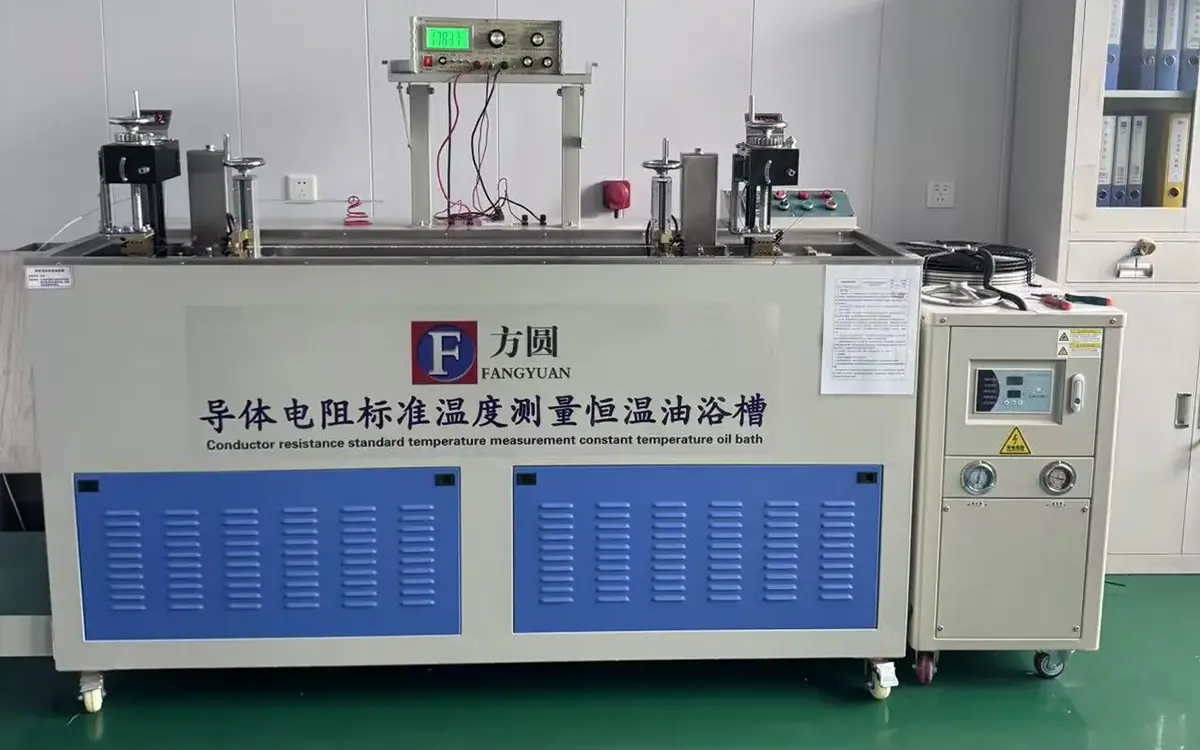
XLPE insulation separates the conductor from the outer protective layers and provides electrical insulation during normal operation. Finished-cable inspection can include dimensional checks, conductor resistance, insulation-related tests and voltage-withstand testing according to the ordered specification and applicable test requirements.

Conductor and Batch Control

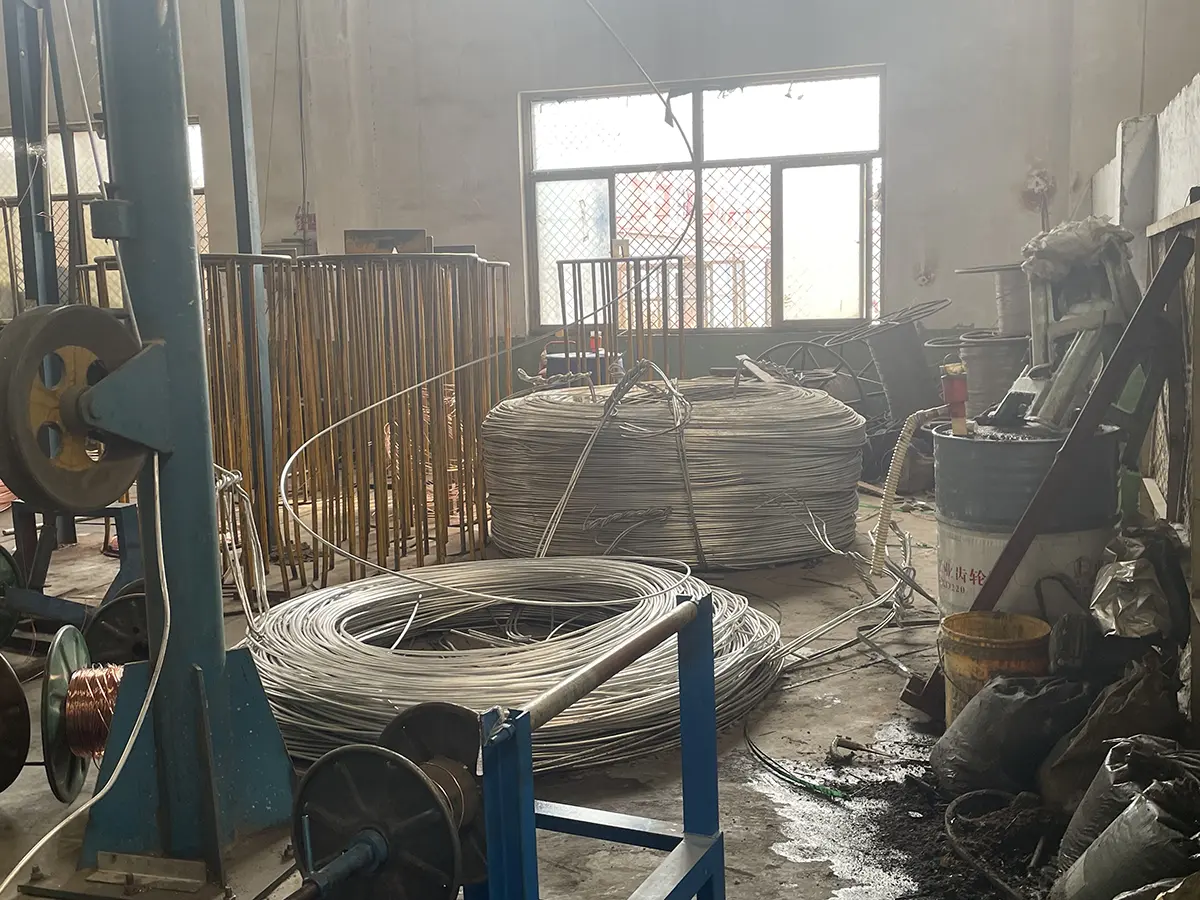
Aluminum conductor material should be checked for the required electrical and dimensional properties before cable production. Production records and finished-cable test results provide a basis for batch traceability. Where required by a project contract, factory inspection or third-party sampling can be arranged according to an agreed inspection scope.

Aluminum XLPE FR Fire Resistant Low Voltage Power Cable

Selection and Installation Considerations

Conductor Size

Cable selection should consider load current, installation method, ambient temperature, cable grouping, voltage drop and short-circuit conditions. The ampacity values in the table are reference data for the listed configurations; the final conductor size should be confirmed using the calculation method and correction factors required by the project standard.

Installation Temperature

For cables with PVC insulation, PVC sheath or halogen-free flame-retardant sheath, the installation ambient temperature shall not be lower than 0 ℃. Low-temperature installation should be carried out only when the cable construction and installation procedure permit it.

Minimum Bending Radius During Installation

Item

Single-core Cable


Multi-core Cable


Non-armored

Armored

Non-armored

Armored

Minimum bending radius during installation

20D

15D

15D

12D

Minimum bending radius near connection boxes and terminals (bending shall be carefully controlled e.g. by forming guide plates)

15D

12D

12D

10D

After cable laying completion, a voltage-withstand test shall be performed for 15 minutes at test voltage of 3.5 kV.

Applications and Working Conditions

The Aluminum XLPE FR Fire Resistant Low Voltage Power Cable can be considered for low-voltage fire-safety power distribution in hospitals, schools, commercial buildings, industrial facilities, municipal pipe networks and similar projects. Selection should be based on the required load, voltage, installation method, environmental conditions and fire-performance requirements.

Indoor Cable Trays

Suitable for low-voltage power circuits installed in indoor cable trays where fire-performance requirements form part of the project specification. Cable support spacing, grouping and heat dissipation should be considered during installation.

Outdoor and Cable-Trench Installation

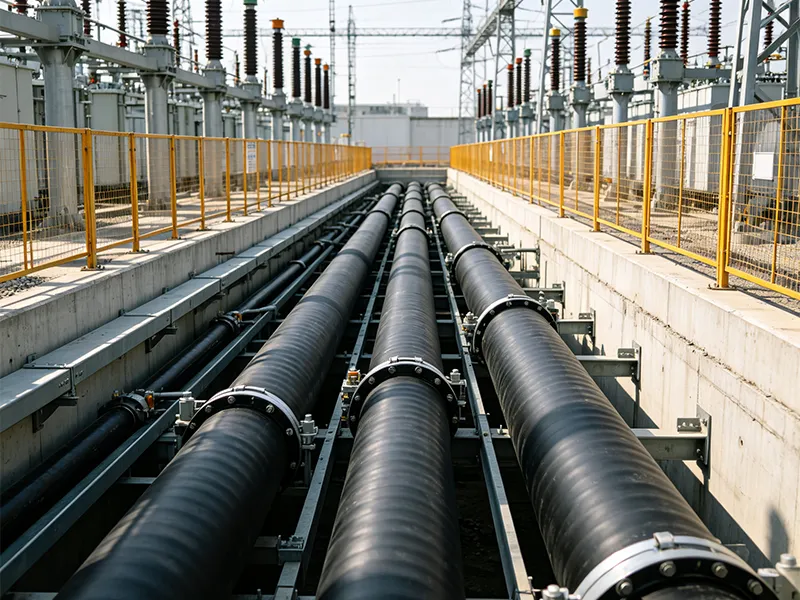
The cable can be used for outdoor overhead installation and cable trenches when the sheath construction and environmental conditions are suitable. UV exposure, moisture, temperature changes and mechanical protection should be evaluated before installation.

Direct Burial

Light direct burial may be considered where the cable construction and project requirements permit it. Soil conditions, moisture, corrosion, burial depth and mechanical protection should be evaluated before the installation method is confirmed.

Restricted Working Conditions

Long-term underwater immersion laying is prohibited. For locations with continuous water exposure, severe chemical contamination, exceptional mechanical loading or other special conditions, a cable construction specifically designed for those conditions should be selected.

Quality Control and Technical Documentation

Qiancheng maintains production and inspection records for cable manufacturing and finished-product testing. Depending on the product configuration and project requirements, documentation may include product specifications, factory test records, voltage-withstand test results, fire-performance test reports and batch traceability information.

For export projects, customers can provide the required conductor size, cable length, installation method, fire-performance requirements and applicable standards in advance. This information helps determine the appropriate cable construction and documentation package before production.

Customer factory visits, agreed inspection procedures and independent third-party sampling can be arranged when required by the contract. Length cutting and surface marking can also be discussed according to the order specification.

FAQ

Q1: What is the main difference between an aluminum-core and copper-core fire-resistant cable?

A: Aluminum reduces conductor mass compared with copper under comparable electrical design conditions. The actual difference in cable weight and cost depends on conductor size, cable construction, installation method and project requirements. Conductor sizing should not be based on weight alone.

Q2: What does the mica fire-resistant layer do?

A: The mica layer acts as a fire-resistant barrier around the conductor. Under a qualified fire test, it helps maintain electrical insulation and circuit integrity for the specified test duration. The verified performance should be taken from the relevant test report.

Q3: Why is XLPE used instead of conventional PVC insulation?

A: XLPE is commonly selected where higher operating-temperature capability and resistance to thermal aging are required. The suitable insulation system still depends on the voltage level, ambient conditions, installation method and applicable standard.

Q4: How should the conductor size be selected?

A: Selection should consider load current, installation method, ambient temperature, grouping, voltage drop and short-circuit conditions. The ampacity values shown in the specification table should be used together with the applicable design calculation and correction factors.

Q5: What are the minimum bending-radius requirements?

A: During installation, the minimum bending radius is 20D for non-armored single-core cable, 15D for armored single-core cable, 15D for non-armored multi-core cable and 12D for armored multi-core cable. Near connection boxes and terminals, the specified values are 15D, 12D, 12D and 10D respectively.

Q6: What test is required after cable laying?

A: According to the supplied installation requirements, a voltage-withstand test shall be carried out after laying at 3.5 kV for 15 minutes. The actual test procedure should follow the applicable project specification and safety requirements.

Q7: Can this cable be installed outdoors or directly buried?

A: Outdoor overhead installation, cable-trench installation and light direct burial can be considered when the environmental and installation conditions are suitable. Long-term underwater immersion is prohibited. UV exposure, moisture, soil conditions and mechanical protection should be evaluated before installation.

Q8: What documents can be supplied for an export project?

A: Depending on the product configuration and contract, available documents may include product specifications, factory test records, voltage-withstand test results, fire-performance test reports and batch traceability records. The required documentation should be confirmed before production.


Hot Tags: Aluminum XLPE FR Fire Resistant Low Voltage Power Cable, Fire Resistant Low Voltage Power Cable, XLPE Insulated Aluminum Power Cable
Send Inquiry
Contact Info

Looking for the right cable for a project or application? Send your requirements to Qiancheng Cable for product selection and quotation. You can provide the cable type, voltage rating, conductor material, cross-section, core number, insulation, application and required quantity.

Whether you need standard cables or specification-based production, our team can review your requirements and recommend suitable product options from our manufacturing range.

X
We use cookies to offer you a better browsing experience, analyze site traffic and personalize content. By using this site, you agree to our use of cookies. Privacy Policy
RejectAccept