Products
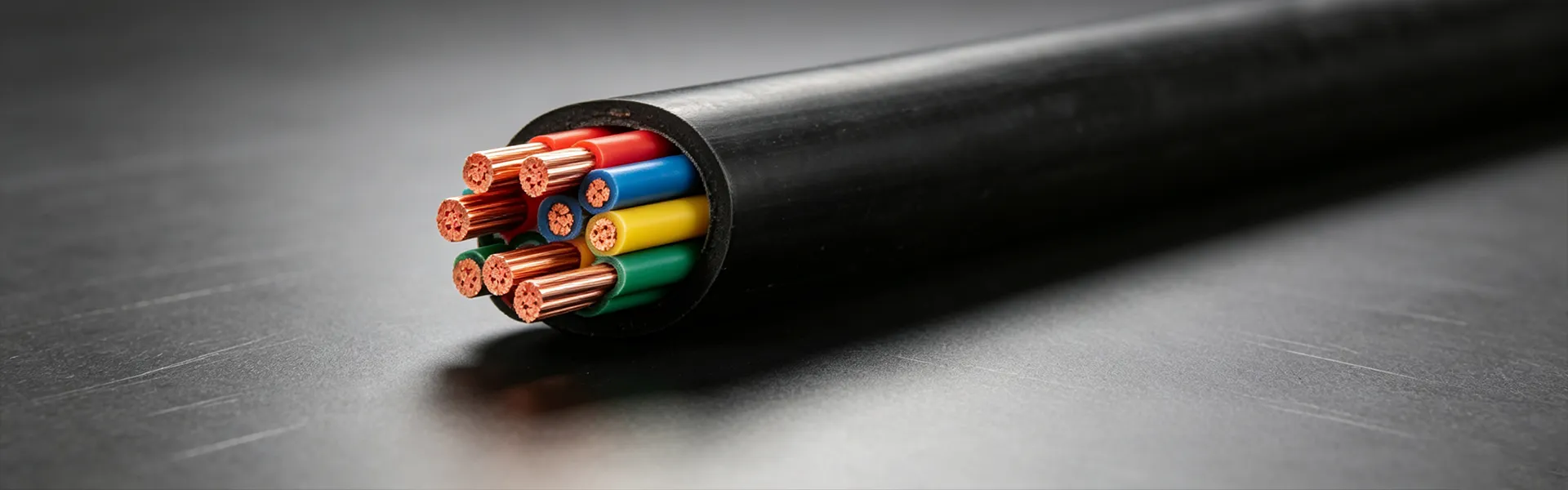
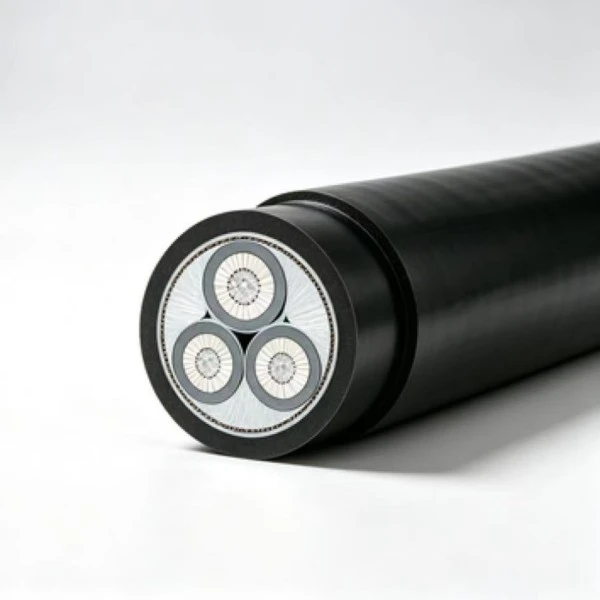
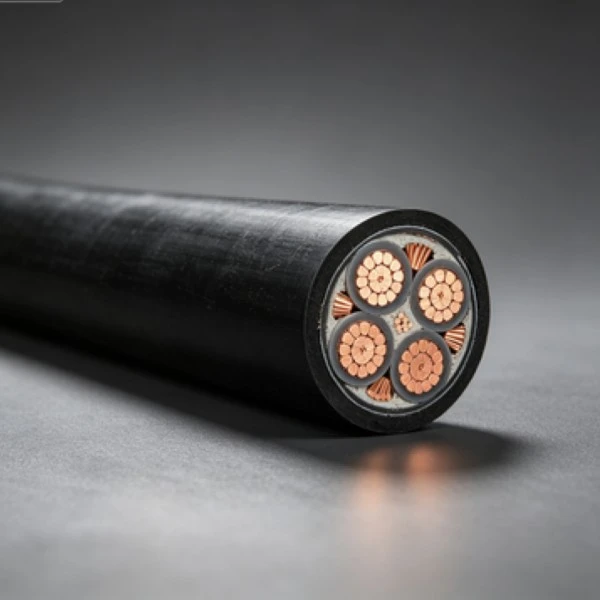
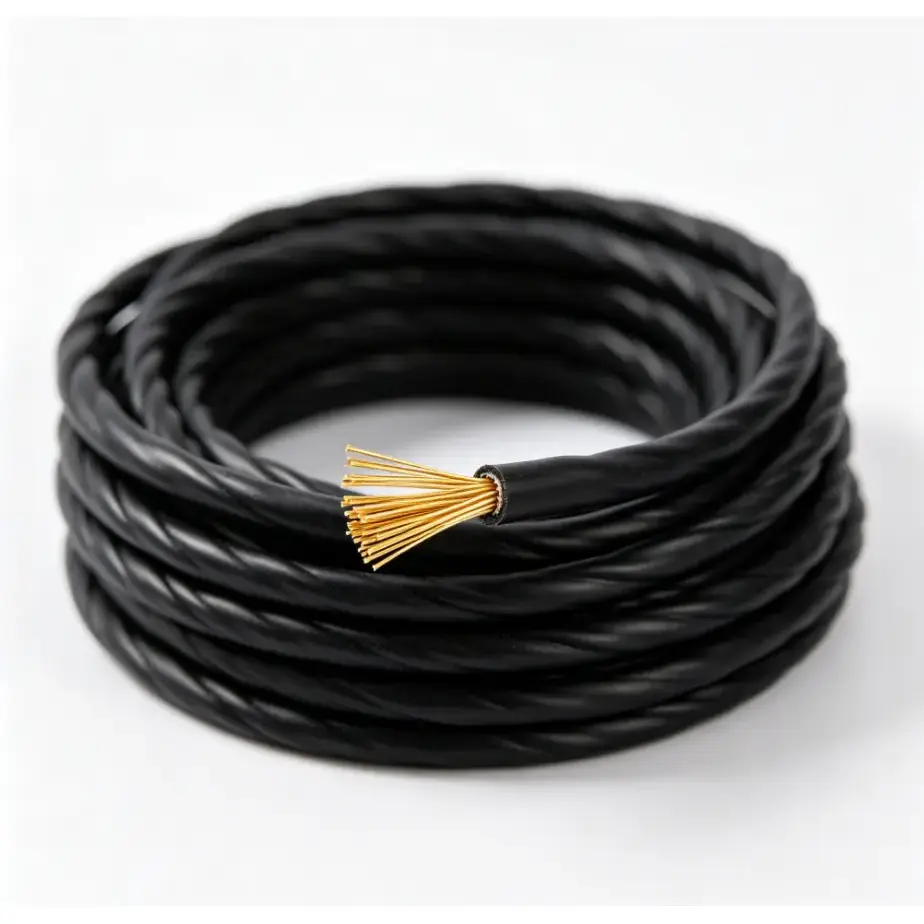
Copper XLPE LSZH Low Voltage Power Cable
  • Copper XLPE LSZH Low Voltage Power CableCopper XLPE LSZH Low Voltage Power Cable
  • Copper XLPE LSZH Low Voltage Power CableCopper XLPE LSZH Low Voltage Power Cable
  • Copper XLPE LSZH Low Voltage Power CableCopper XLPE LSZH Low Voltage Power Cable

Copper XLPE LSZH Low Voltage Power Cable

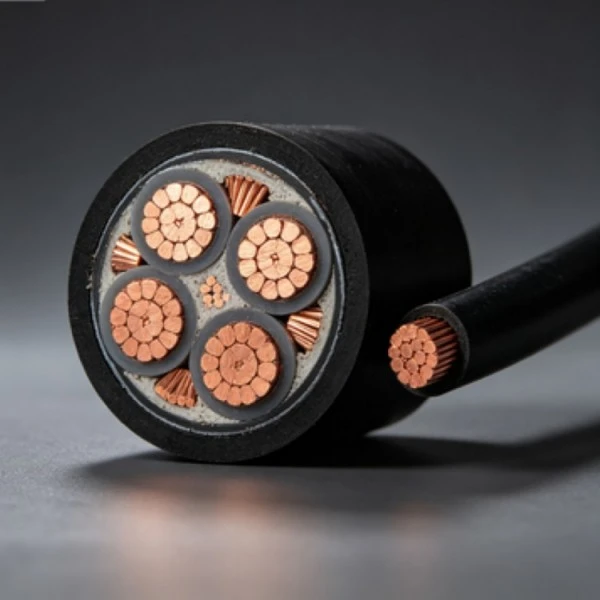
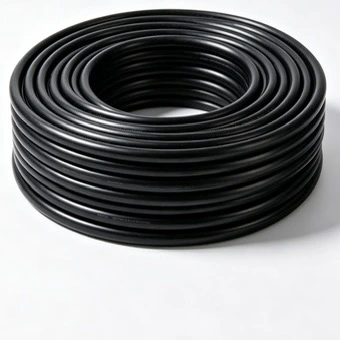
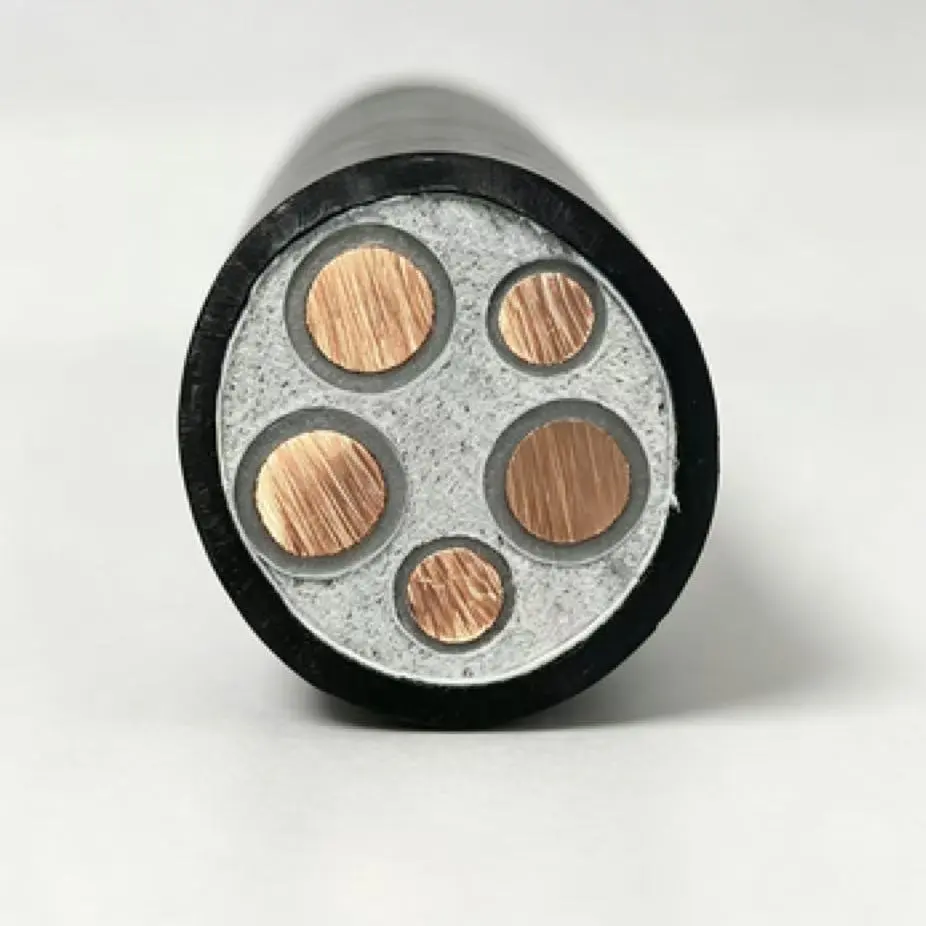
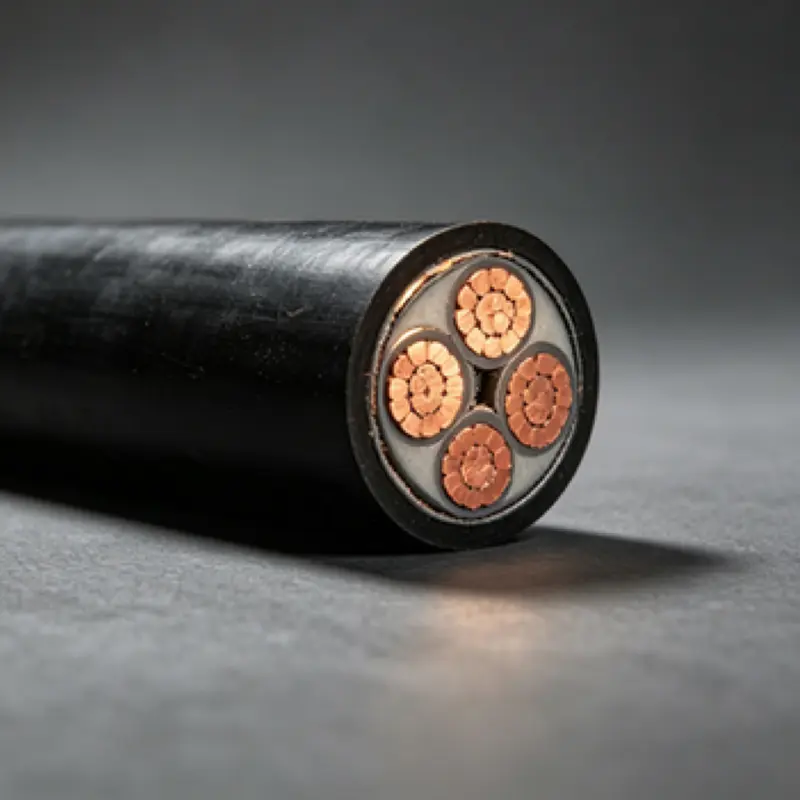
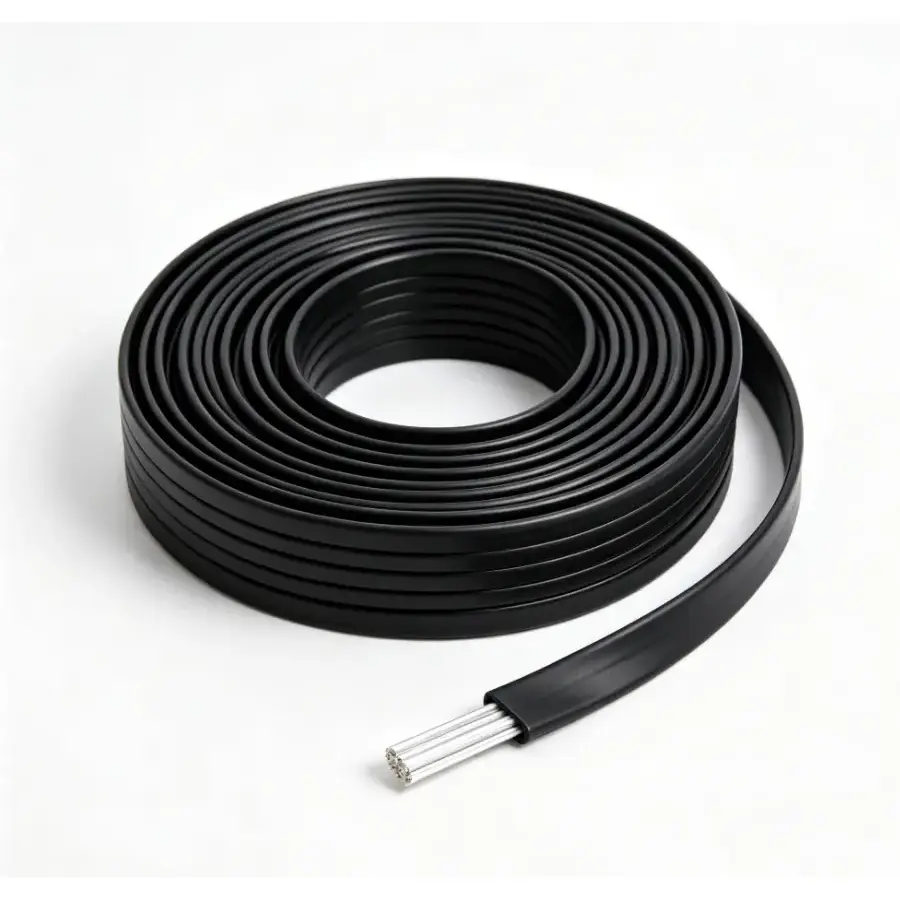
Qiancheng Copper XLPE LSZH Low Voltage Power Cable features low-smoke and eco-friendly performance with sufficient stock. Bulk procurement and sample-based customization are available for large-scale public-building and rail-transit projects.

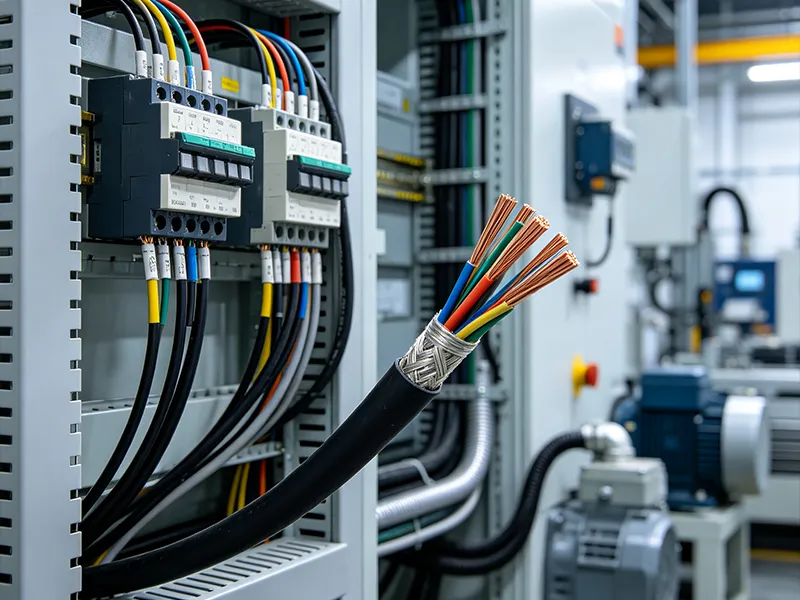
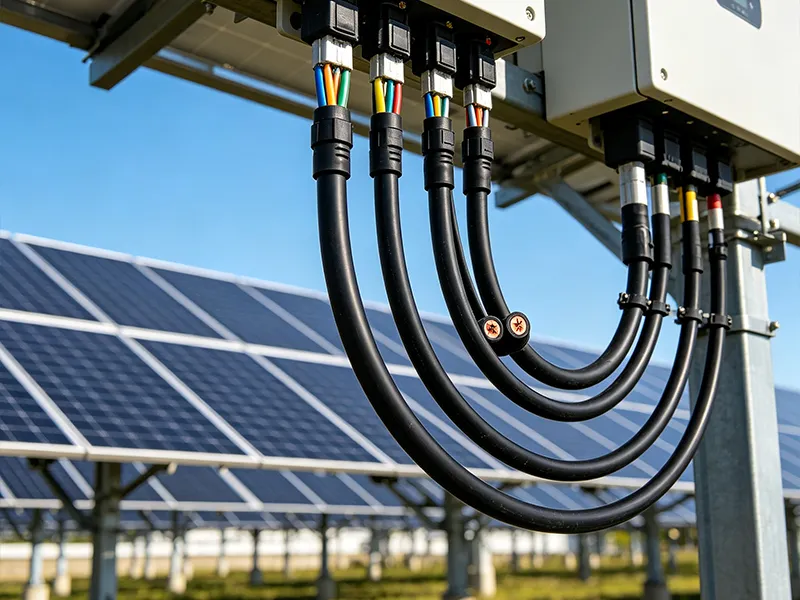
Qiancheng Copper XLPE LSZH Low Voltage Power Cable is designed for low-voltage power distribution in buildings and infrastructure where reduced smoke and halogen-free cable construction are specified. It can be used in metro facilities, hospitals, office buildings, utility tunnels and other enclosed areas, with conductor sizes selected according to the required load, installation method and project specifications.

Product Specifications and Technical Parameters Table

Nominal Conductor Cross-section (mm²)

Minimum Number of Conductor Wires

Conductor Outer Diameter (mm)

Nominal XLPE Insulation Thickness (mm)

Approximate Insulation Outer Diameter (mm)

Max. Conductor Resistance at 20℃ Copper (Ω/km)

1.5

1

1.36±0.02

0.7

3.0

12.1

1.5 (B)

7

1.56±0.02

0.7

3.2

12.1

2.5

1

1.75±0.02

0.7

3.4

7.41

2.5 (B)

7

2.01±0.02

0.7

3.6

7.41

4

1

2.22±0.02

0.7

3.8

4.61

4 (B)

7

2.52±0.02

0.7

4.1

4.61

6

1

2.72±0.03

0.7

4.3

3.08

6 (B)

7

3.09±0.03

0.7

4.7

3.08

10

6

3.9±0.10

0.7

5.5

1.83

16

6

5.0±0.10

0.7

6.6

1.15

25

6

6.1±0.10

0.9

8.1

0.727

35

6

7.1±0.10

0.9

9.0

0.524

50

6

8.2±0.15

1.0

10.4

0.387

70

12

9.8±0.15

1.1

12.2

0.268

95

15

11.6±0.15

1.1

14.0

0.193

120

18

13.2±0.15

1.2

15.8

0.153

150

18

14.6±0.20

1.4

17.6

0.124

185

30

16.2±0.20

1.6

19.6

0.0991

240

34

18.5±0.20

1.7

22.1

0.0754

300

34

20.5±0.20

1.8

24.3

0.0601

400

53

23.3±0.20

2.0

27.5

0.0470

Construction and Electrical Performance

XLPE Insulation

The Copper XLPE LSZH Low Voltage Power Cable uses XLPE insulation for electrical separation between the conductor and surrounding cable components. XLPE provides a higher normal operating temperature than conventional PVC insulation and is commonly selected where thermal performance, insulation stability and long-term electrical reliability are required. Actual operating limits should follow the applicable cable standard and project specification.

Halogen-free Low-smoke Sheathing System

The LSZH construction is intended for installations where smoke generation and halogen-containing combustion products need to be controlled. Smoke density and halogen acid gas are separate performance characteristics and should be verified against the applicable test standards and project requirements. IEC 61034 covers smoke emission measurement, while IEC 60754-1 specifies a method for determining halogen acid gas content.

Copper Conductor

The cable uses copper conductors for low-voltage power transmission. Conductor resistance is an important parameter for assessing voltage drop and operating losses, while conductor cross-section should be selected according to current-carrying capacity, installation conditions, ambient temperature, grouping and allowable voltage drop.

Conductor Size Selection

The available conductor sizes in the technical table cover small control and branch-circuit requirements as well as larger low-voltage power-distribution applications. Final selection should consider the connected load, circuit length, installation method, short-circuit conditions and applicable local electrical requirements rather than conductor cross-section alone.

Copper XLPE LSZH Low Voltage Power CableCopper XLPE LSZH Low Voltage Power Cable

Production and Quality Control

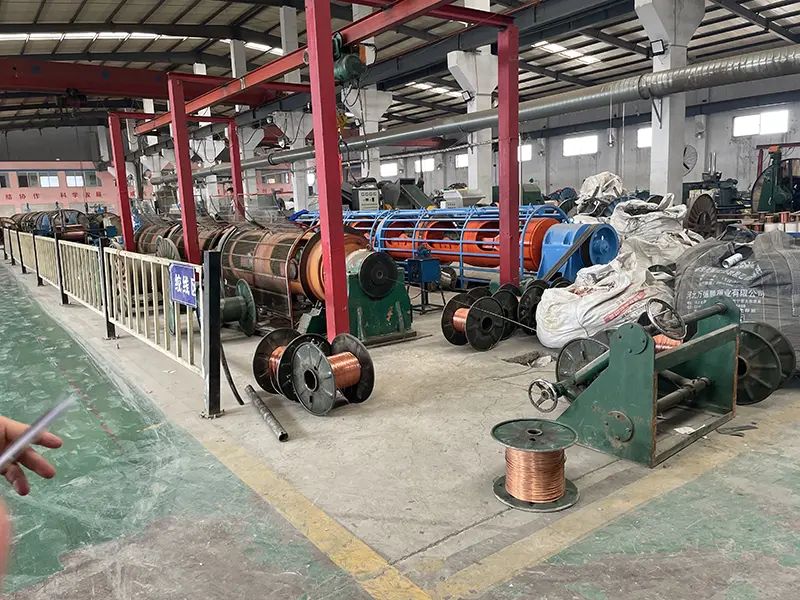
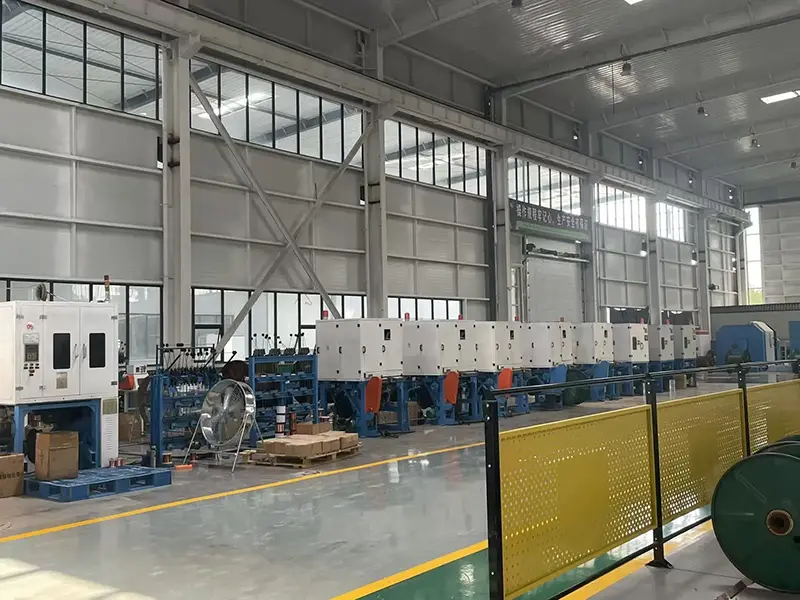
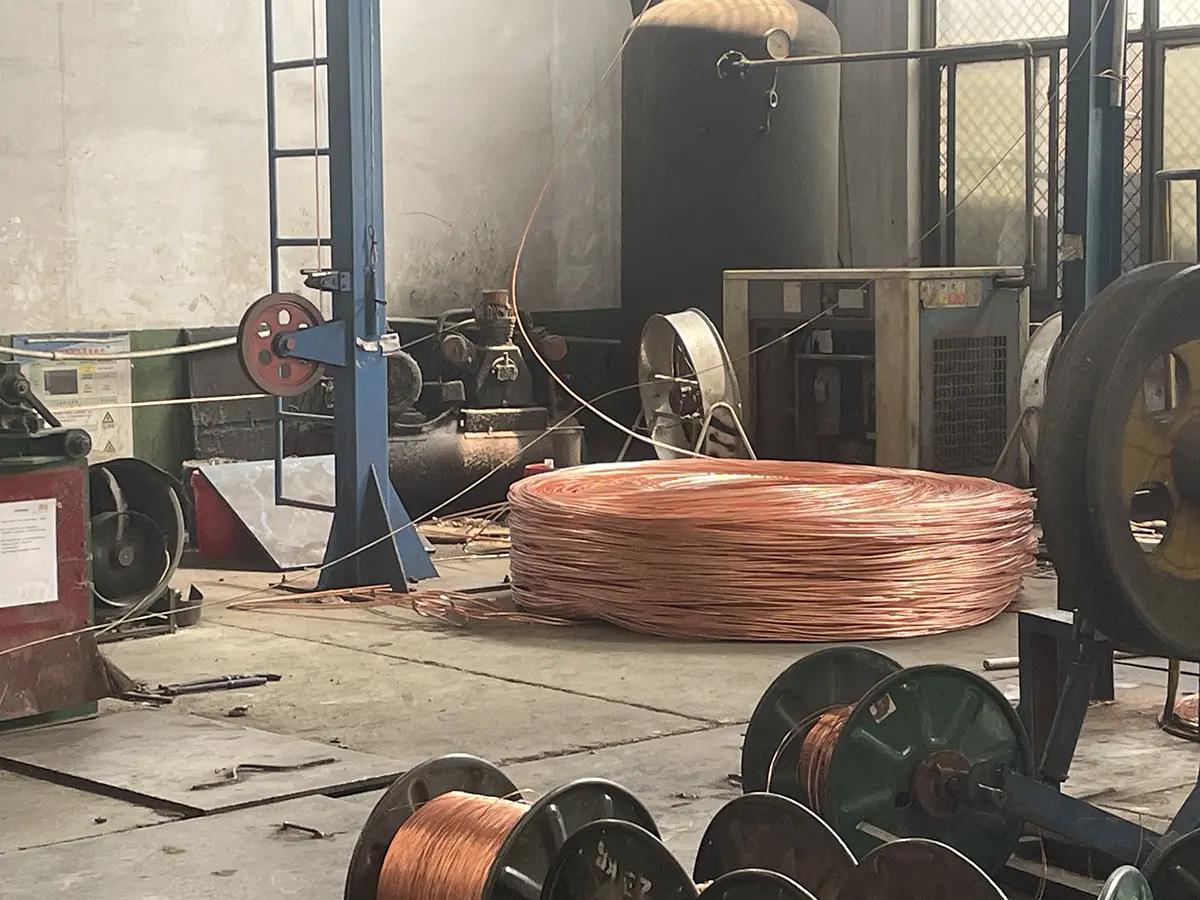
Qiancheng operates its own production facilities with cable extrusion and testing equipment for manufacturing and routine quality control. Production records, raw-material inspection and electrical or combustion-related test results can be maintained according to project documentation requirements. For projects requiring additional verification, factory visits and third-party sampling can be arranged subject to project conditions.

Material and Process Control

Conductor material, insulation compound, sheath material, conductor dimensions and insulation thickness are controlled during production according to the applicable specification. Dimensional checks and electrical tests provide practical checkpoints before finished cable is released for delivery.

Batch Traceability

Batch-level documentation can be used to connect the finished cable with its production and inspection records. Where project documentation requires reel identification, test reports or material records, the required information can be prepared with the shipment.

Third-party Inspection

For export and infrastructure projects with independent quality-control requirements, third-party inspection or sampling can be coordinated before shipment. The inspection scope can be defined according to the purchase specification, applicable standard and acceptance requirements.

Copper XLPE LSZH Low Voltage Power Cable

Fire and Smoke Performance

Flame Propagation

Where IEC 60332 testing is specified, the relevant cable construction can be evaluated for flame propagation according to the applicable part of the IEC 60332 series. The exact test level should be confirmed against the project specification because different cable constructions and installation arrangements may require different test methods.

Smoke Emission

Low-smoke performance is particularly relevant in enclosed areas where smoke can affect visibility, evacuation and fire-service access. IEC 61034 provides test methods for measuring smoke density under defined burning conditions, so project documentation should identify the required test method and acceptance level rather than relying only on the term "low smoke."

Halogen-free Requirements

For projects specifying halogen-free materials, the relevant cable construction and material test requirements should be confirmed before production. IEC 60754-1 addresses the determination of halogen acid gas evolved from cable materials during combustion, providing a separate verification point from flame propagation and smoke-density testing.

Application Scenarios

Metro and Rail Transit Facilities

The Copper XLPE LSZH Low Voltage Power Cable can be specified for low-voltage distribution circuits in metro stations, rail-transit buildings, platforms, service areas and other enclosed infrastructure where project documents require low-smoke and halogen-free cable construction.

Hospitals and Medical Buildings

Applications may include power-distribution circuits serving wards, operating areas, emergency departments, public areas and supporting facilities. Cable selection should follow the electrical design, fire-safety specification and installation requirements of the building.

Office and Public Buildings

The cable is suitable for low-voltage distribution in office buildings, shopping centers, schools, exhibition facilities and other public buildings where smoke and combustion-product requirements are part of the electrical specification.

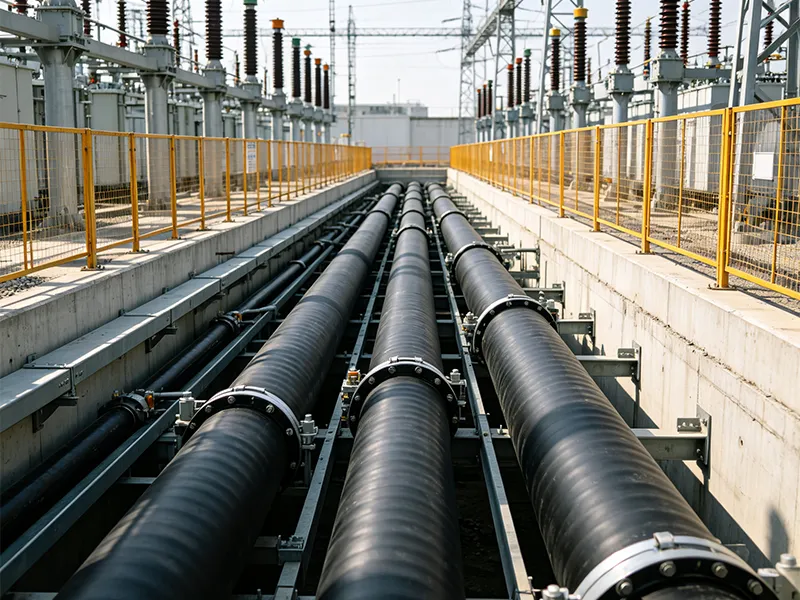
Underground and Utility Infrastructure

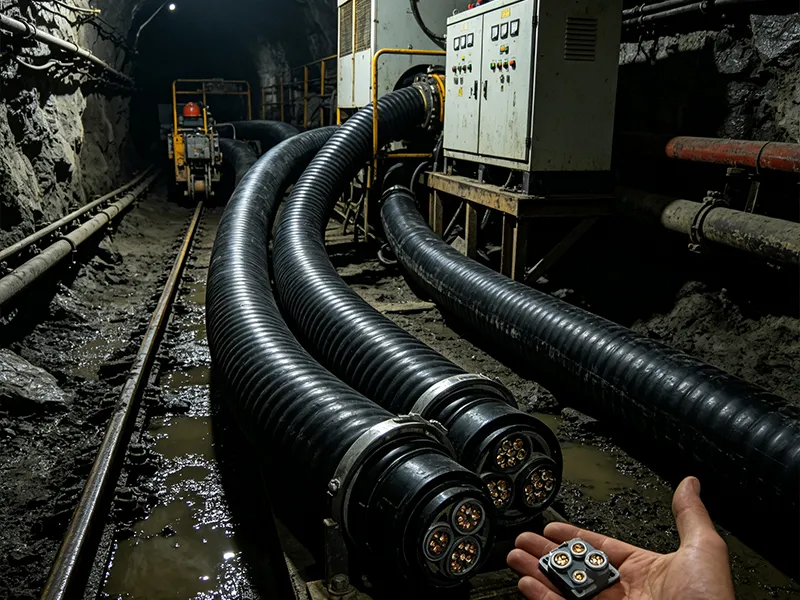
Typical applications include underground parking areas, utility tunnels, equipment rooms and other enclosed service infrastructure. Installation design should account for cable grouping, heat dissipation, mechanical protection and access for maintenance.

Transportation and Technical Facilities

Airports, railway facilities, communication rooms and other technical buildings may specify LSZH cable constructions for selected low-voltage circuits. The final cable type should be matched to the circuit function and project fire-performance requirements.

Installation and Selection Considerations

Current-carrying Capacity

Cable sizing should start with the design current and then be checked against the installation method, ambient conditions, conductor grouping and permissible temperature. The tabulated conductor resistance can also be used as part of voltage-drop and loss calculations.

Cable Routing

For conduit, tray or other enclosed installation, the available space, bending radius, heat dissipation and pulling conditions should be considered before ordering. Long cable runs may require additional review of voltage drop and installation tension.

Environmental Conditions

Indoor, underground and partially exposed installations can have different requirements for moisture, mechanical protection, temperature and chemical exposure. The cable construction should therefore be confirmed against the actual installation environment rather than selected only by voltage and conductor size.

Project Documentation

For infrastructure and export orders, procurement documents may include technical data sheets, routine test records, inspection reports, packing information and reel identification. Providing these requirements before production helps align manufacturing and inspection with the project acceptance process.

Technical Support and Order Information

For specification review, customers can provide the rated voltage, conductor size, required cable length, installation method, expected load and project standard. Qiancheng can use these details to confirm the suitable Copper XLPE LSZH Low Voltage Power Cable construction and prepare the corresponding technical documentation.

For project orders, it is also useful to confirm the required flame-retardant, smoke-emission and halogen-free test levels before production. Where third-party inspection or specific reel-marking and documentation requirements apply, these can be included in the technical agreement and purchase specification.

FAQ

Q1: What is the main difference between LSZH cable and conventional PVC cable?

A: LSZH cable construction is designed to limit smoke generation and halogen-containing combustion products when the specified materials and test requirements are met. Conventional PVC cable uses a halogen-containing polymer system. The correct choice depends on the fire-safety specification and applicable standards for the installation.

Q2: What does the XLPE insulation contribute to the cable?

A: XLPE provides electrical insulation with a higher normal operating temperature capability than conventional PVC insulation. It is commonly used where stable insulation performance and thermal resistance are required. The permitted operating temperature should be confirmed from the applicable cable specification.

Q3: What should be checked when selecting the conductor size?

A: The main factors include design current, installation method, ambient temperature, cable grouping, circuit length, voltage drop and short-circuit conditions. Conductor size should be determined from the complete electrical design rather than current rating alone.

Q4: Can the cable be used in metro tunnels and hospitals?

A: It can be considered for these applications where the project specification requires a low-voltage copper cable with XLPE insulation and LSZH construction. The required flame, smoke and halogen-free test levels should be confirmed against the applicable project standard before ordering.

Q5: What documentation can be provided for project acceptance?

A: Depending on the order requirements, documentation may include technical specifications, inspection or test records, reel identification, packing information and other agreed quality documents. Third-party inspection can also be coordinated when required by the project.

Q6: Can customers arrange factory inspection or third-party testing?

A: Yes. Factory visits and third-party sampling or inspection can be coordinated according to the order and inspection plan. The inspection scope should be agreed in advance so that the required production records, samples and test items are available.

Q7: What information should be provided for a cable quotation?

A: Useful information includes conductor size, number of cores, required cable length, voltage level, installation method, destination, applicable standard and any specific flame, smoke or halogen-free requirements. If the final specification is not yet fixed, the project application and electrical load can be provided for initial technical review.


Hot Tags: Copper XLPE LSZH Low Voltage Power Cable, LSZH Low Voltage Power Cable, XLPE Insulated Power Cable
Send Inquiry
Contact Info

Looking for the right cable for a project or application? Send your requirements to Qiancheng Cable for product selection and quotation. You can provide the cable type, voltage rating, conductor material, cross-section, core number, insulation, application and required quantity.

Whether you need standard cables or specification-based production, our team can review your requirements and recommend suitable product options from our manufacturing range.

X
We use cookies to offer you a better browsing experience, analyze site traffic and personalize content. By using this site, you agree to our use of cookies. Privacy Policy
RejectAccept