Products
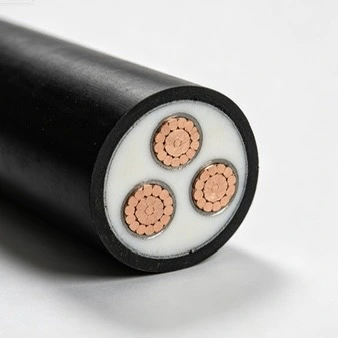
Copper PVC Fire Resistant Low Voltage Power Cable
  • Copper PVC Fire Resistant Low Voltage Power CableCopper PVC Fire Resistant Low Voltage Power Cable
  • Copper PVC Fire Resistant Low Voltage Power CableCopper PVC Fire Resistant Low Voltage Power Cable
  • Copper PVC Fire Resistant Low Voltage Power CableCopper PVC Fire Resistant Low Voltage Power Cable

Copper PVC Fire Resistant Low Voltage Power Cable

Used in fire-emergency power distribution, Copper PVC Fire Resistant Low Voltage Power Cable is intended for low-voltage circuits where fire-resistant cable performance is required. Qiancheng maintains factory spot stock for supply, while overseas project orders can be handled in bulk. Sample customization is also available when cable specifications need to be confirmed before production.

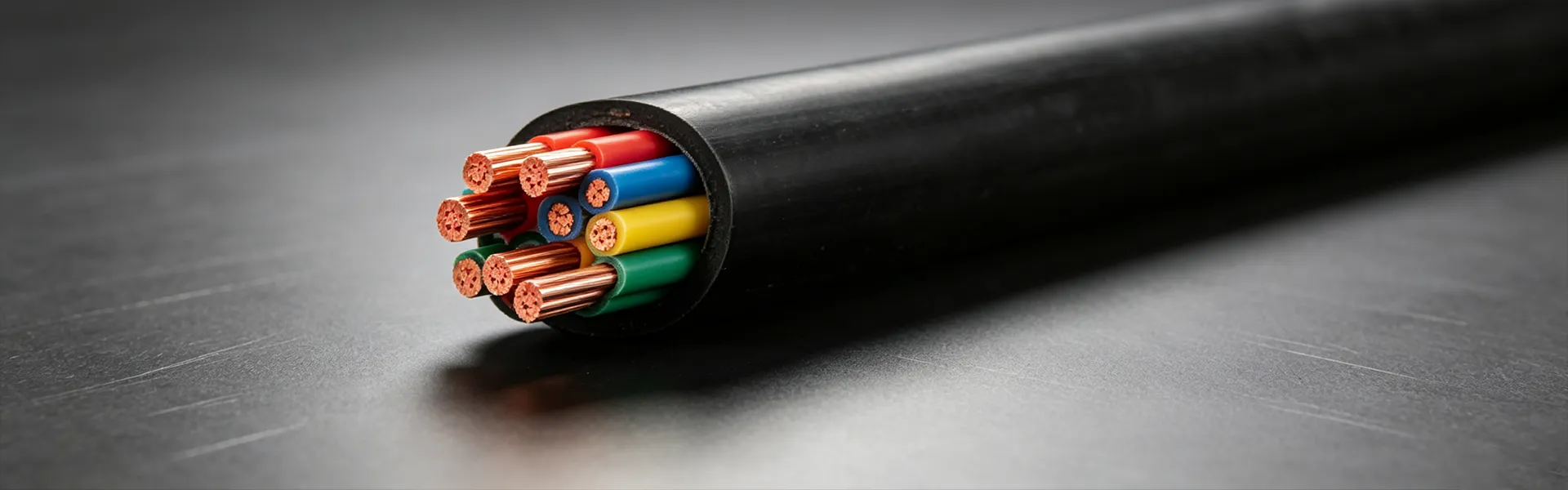
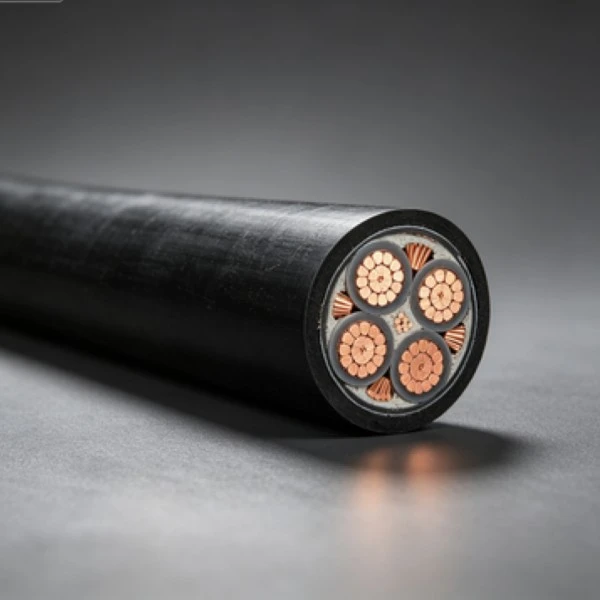
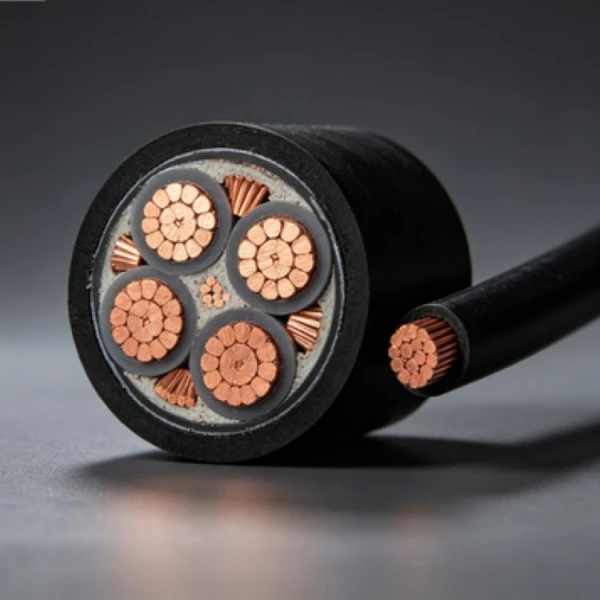
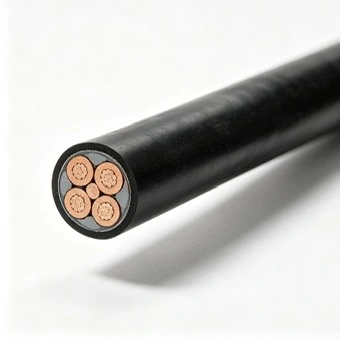
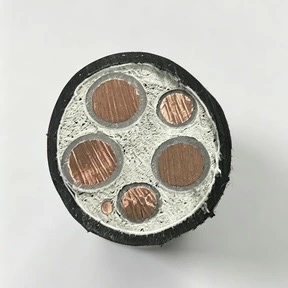
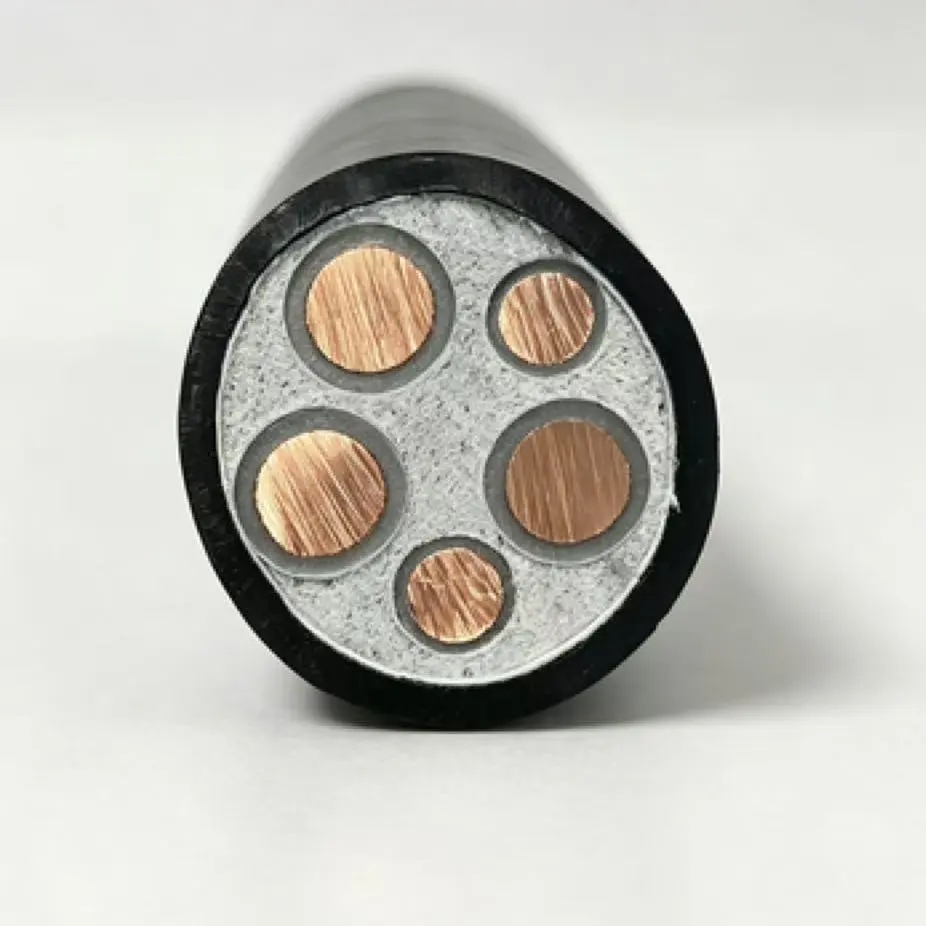
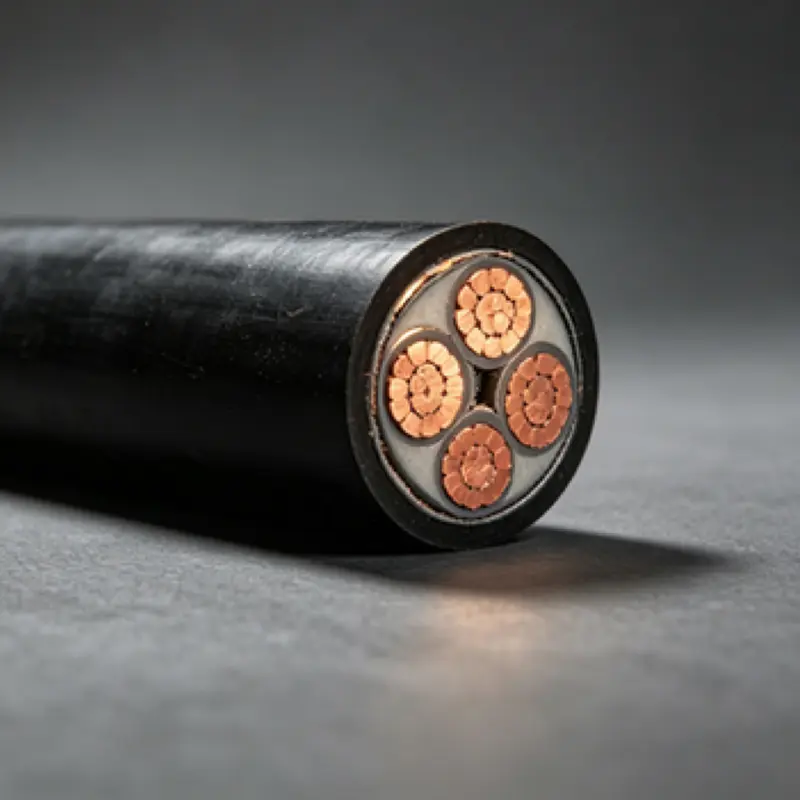
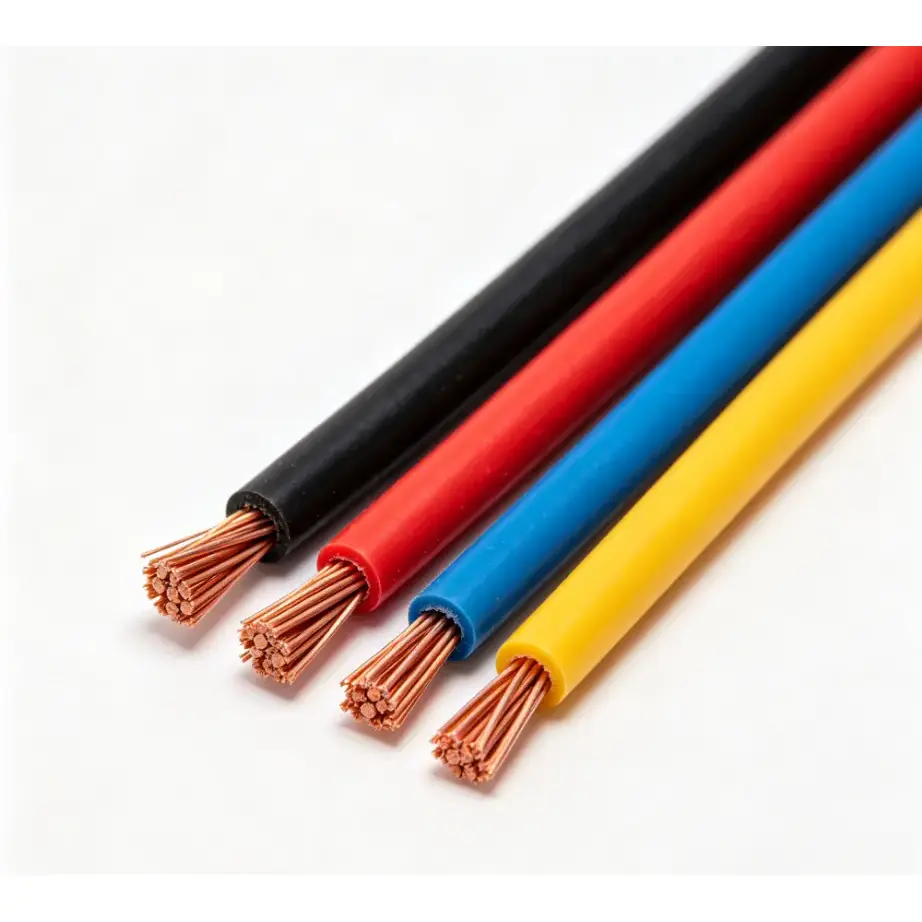
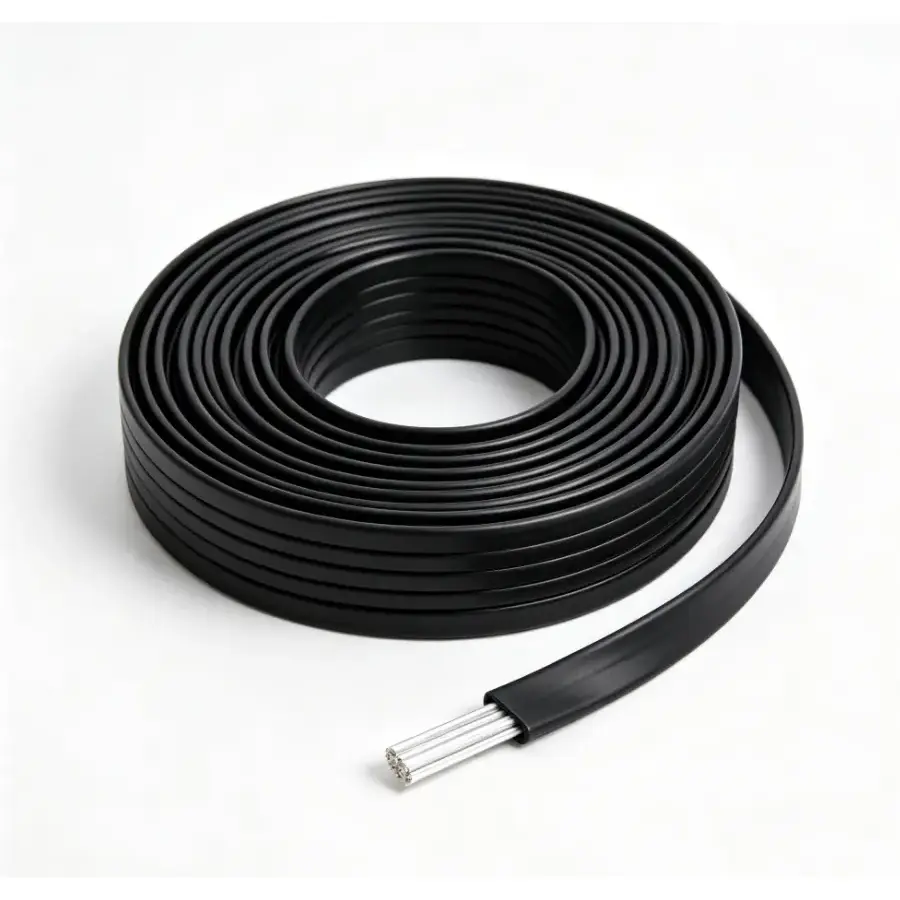
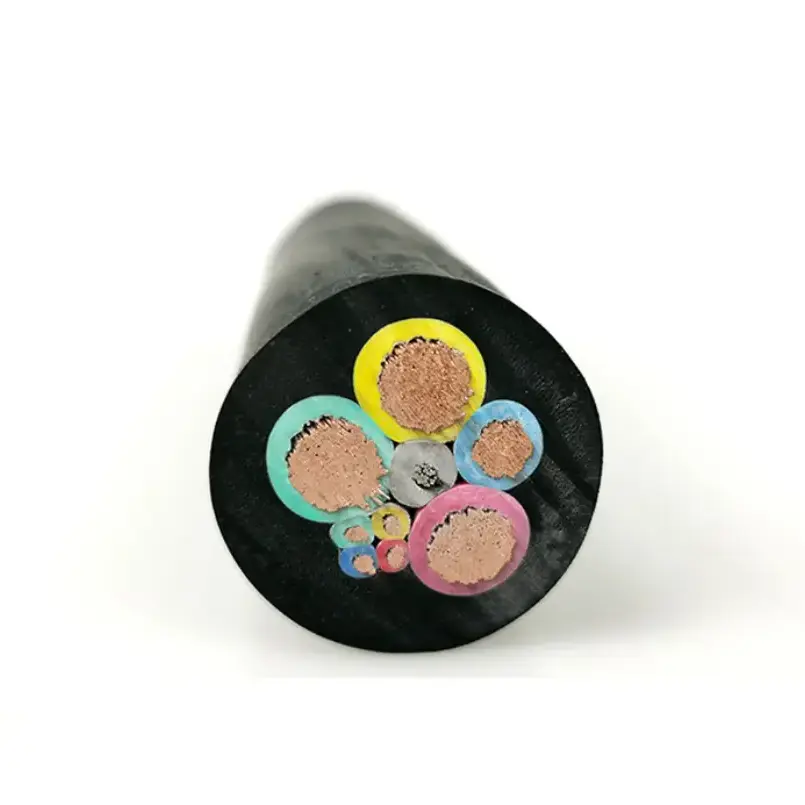
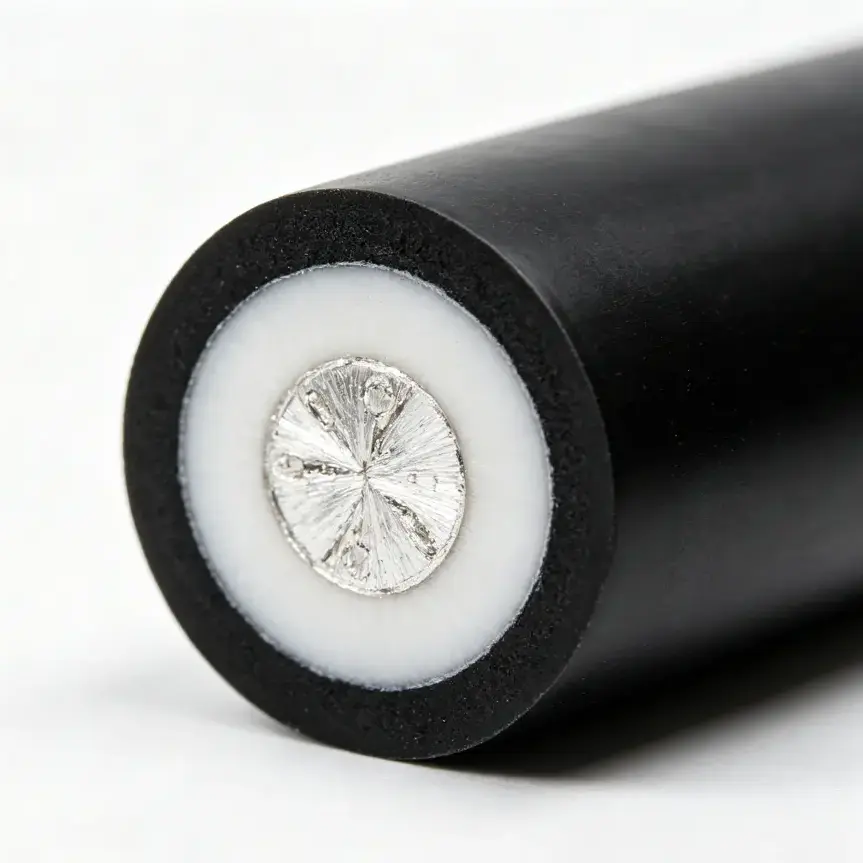
Copper PVC Fire Resistant Low Voltage Power Cable is a low-voltage cable construction incorporating copper conductors, PVC insulation and sheath, and a mica fire-resistant layer. It is intended for circuits where power continuity during a specified fire condition is required, including emergency power, fire-protection and other safety-related electrical systems. Qiancheng manufactures the cable with controlled conductor, insulation, fire-resistant and finished-product testing processes.

Product Dimensions and Technical Parameters

Nominal section (mm²)

Minimum number of conductor wires

Conductor outer diameter

(mm)

Nominal thickness of PVC insulation/mm

Approximate outer diameter of insulation/mm

Maximum conductor resistance at 20 ℃ (Ω/km)  copper

1.5

1

1.36±0.02

0.8

3.2

12.1

1.5(B)

7

1.56±0.02

0.8

3.4

12.1

2.5

1

1.75±0.02

0.8

3.6

7.41

2.5(B)

7

2.01±0.02

0.8

3.8

7.41

4

1

2.22±0.02

1.0

4.4

4.61

4(B)

7

2.52±0.02

1.0

4.7

4.61

6

1

2.72±0.03

1.0

4.9

3.08

6(B)

7

3.09±0.03

1.0

5.3

3.08

10

6

3.9±0.10

1.0

6.1

1.83

16

6

5.0±0.10

1.0

7.2

1.15

25

6

6.1±0.10

1.2

8.7

0.727

35

6

7.1±0.10

1.2

9.6

0.524

50

6

8.2±0.15

1.4

11.2

0.387

70

12

9.8±0.15

1.4

12.8

0.268

95

15

11.6±0.15

1.6

15.0

0.193

120

18

13.2±0.15

1.6

16.6

0.153

150

18

14.6±0.20

1.8

18.4

0.124

185

30

16.2±0.20

2.0

20.4

0.0991

240

34

18.5±0.20

2.2

23.1

0.0754

300

34

20.5±0.20

2.4

25.5

0.0601

400

53

23.3±0.20

2.6

28.7

0.0470

Manufacturing Process

1. Copper Rod Drawing and Annealing

High-purity electrolytic copper rods are drawn into the required conductor diameter through multi-die drawing equipment. Continuous annealing is used to relieve internal stress and maintain the required mechanical properties. Conductor resistance is checked during production against the specified electrical requirements.

Copper PVC Fire Resistant Low Voltage Power Cable

2. Conductor Stranding

For stranded constructions, individual copper wires are arranged and stranded according to the specified conductor structure. The process controls lay length and conductor geometry while maintaining the flexibility required for cable installation.

3. Mica Fire-Resistant Tape Wrapping

The fire-resistant layer is formed by wrapping mica tape around the conductor or cable core according to the specified construction. Overlap and coverage are controlled during production so that the fire-resistant layer remains continuous around the protected section.

4. PVC Insulation Extrusion

Flame-retardant PVC insulation is extruded around the conductor. Insulation dimensions and concentricity are monitored during production to maintain the specified thickness and reduce localized electrical stress caused by excessive eccentricity.

5. Online Spark Test

An online spark tester checks insulation integrity during extrusion. When an insulation defect is detected, the affected position can be identified for inspection and corrective action before the next production stage.

6. Cabling and Filling

For multi-core constructions, the insulated cores are cabled together with the specified filling materials. The process maintains the intended cable geometry and provides a consistent foundation for the outer sheath.

7. PVC Outer Sheath Extrusion

Flame-retardant PVC is extruded as the outer sheath according to the selected cable construction. Product identification can be marked on the sheath, including relevant model and specification information required for installation and inspection.

8. Finished Cable Testing

Finished cables are checked according to the applicable technical specification. Inspection can include fire-resistance testing, power-frequency withstand-voltage testing, insulation-resistance measurement, conductor resistance and low-temperature bending tests where required.

Copper PVC Fire Resistant Low Voltage Power CableCopper PVC Fire Resistant Low Voltage Power Cable

Production Equipment and Quality Inspection

Production Equipment

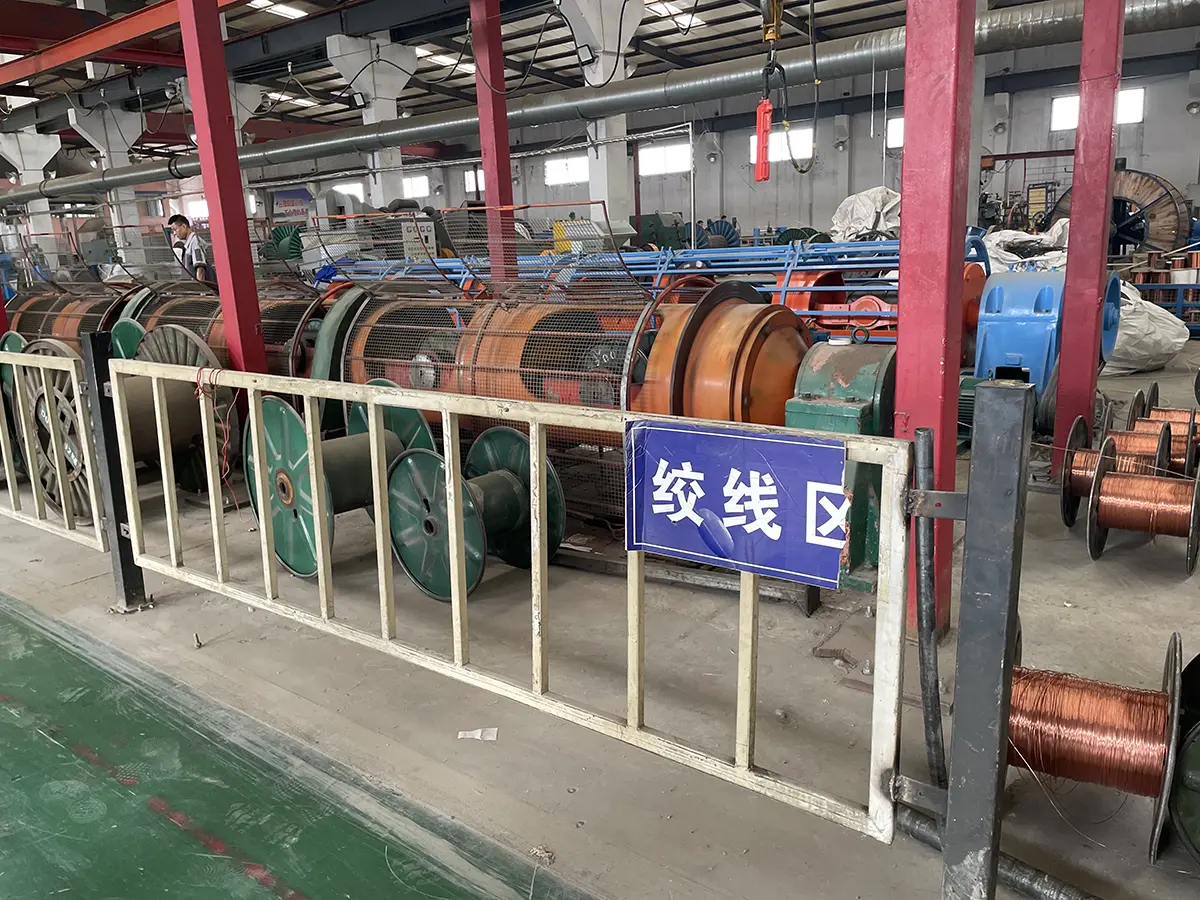
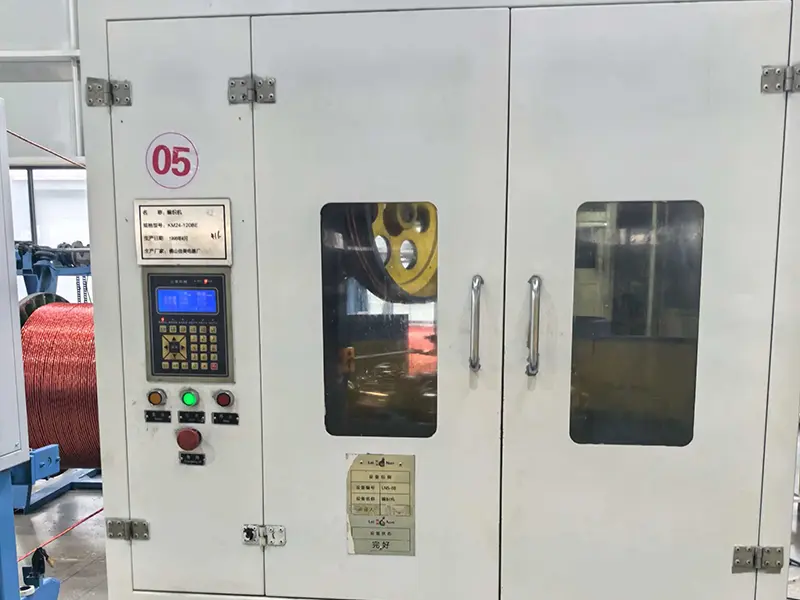
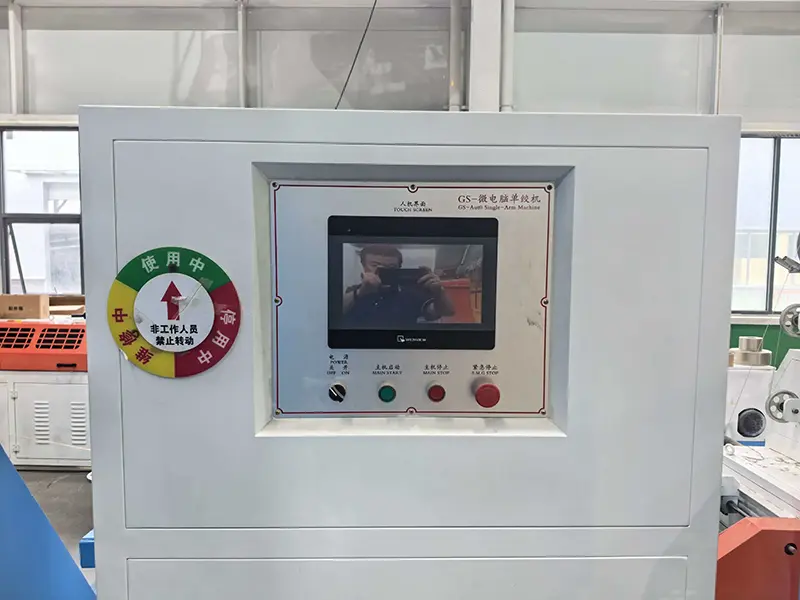
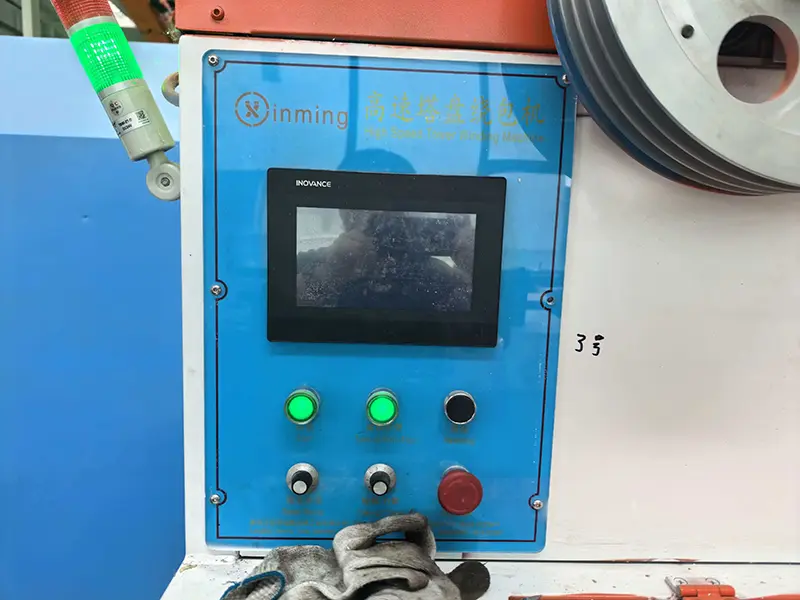
Qiancheng's cable production equipment includes single stranders, six-disc cross stranders, microcomputer-controlled stranders, high-speed wrapping machines, PVC insulation and sheath extrusion lines, cabling equipment, integrated marking and extrusion equipment, and automatic coiling and take-up systems.

Incoming Material Inspection

Incoming materials such as oxygen-free copper rods, mica fire-resistant tape and flame-retardant PVC compounds can be inspected before entering production. Material inspection records provide a reference for subsequent batch traceability and process control.

In-process Inspection

Key process parameters include mica-tape overlap, insulation thickness, conductor dimensions and extrusion conditions. Patrol inspection is carried out during production to identify dimensional or process deviations before the cable reaches the finished-product stage.

Fire-Resistance Testing

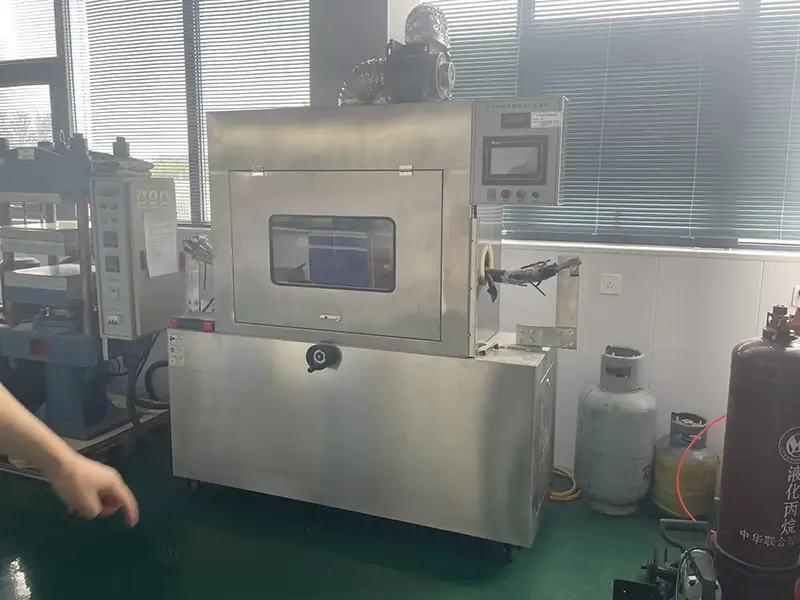
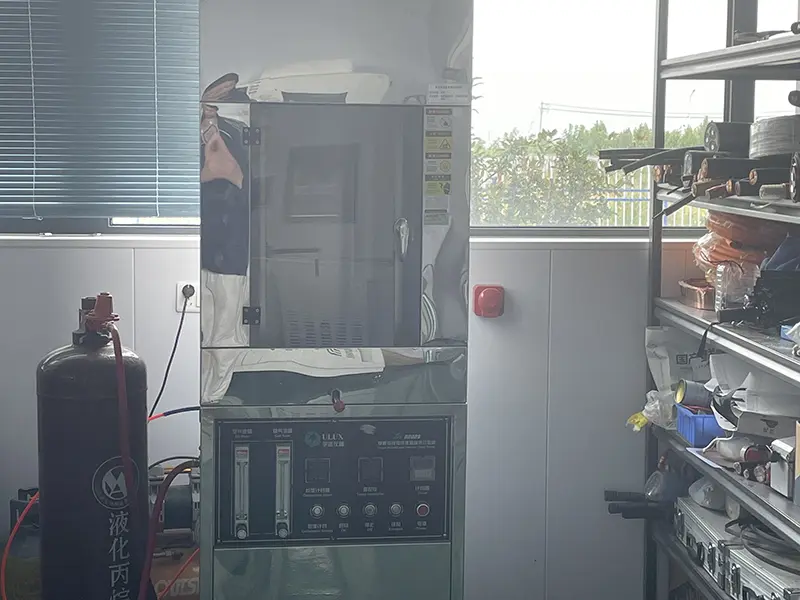
For the applicable fire-resistant construction, fire exposure testing can be carried out under the specified test conditions. The supplied production information references a 750℃ fire test with a 90-minute duration according to GB/T 19216. The actual test method, sample construction and acceptance criteria should be confirmed against the applicable standard and product specification.

Electrical Testing

Electrical inspection can include power-frequency withstand-voltage testing, insulation-resistance measurement and conductor DC resistance. The supplied data specifies a 3.5 kV power-frequency withstand-voltage test for 5 minutes and insulation resistance of ≥100 MΩ/km for the applicable product specification.

Environmental Testing

Depending on the product specification, environmental evaluation can include low-temperature bending, UV weathering and acid-alkali corrosion testing. The applicable test temperature, duration and acceptance criteria should be confirmed according to the order requirements.

Final Inspection and Documentation

Before shipment, finished cables can be checked for appearance, product marking, cable construction and reel information. Factory inspection records and other required technical documents can be supplied according to the order and project requirements.

Fire and Electrical Performance

Fire-Resistance Construction

The mica fire-resistant layer forms an insulating barrier around the conductor under high-temperature exposure. Combined with the flame-retardant PVC insulation and sheath, the construction is intended to maintain circuit integrity for the specified test duration rather than simply limit flame propagation.

Electrical Insulation

Copper PVC Fire Resistant Low Voltage Power Cable features uniform, non-eccentric insulation-layer thickness. All finished cables pass water-immersion withstand-voltage test, eliminating risks of electric leakage and short-circuit in humid underground environments. Compared with non-standard cables made from recycled materials, breakdown-failure rate is reduced by 98 %.

Material and Installation Safety

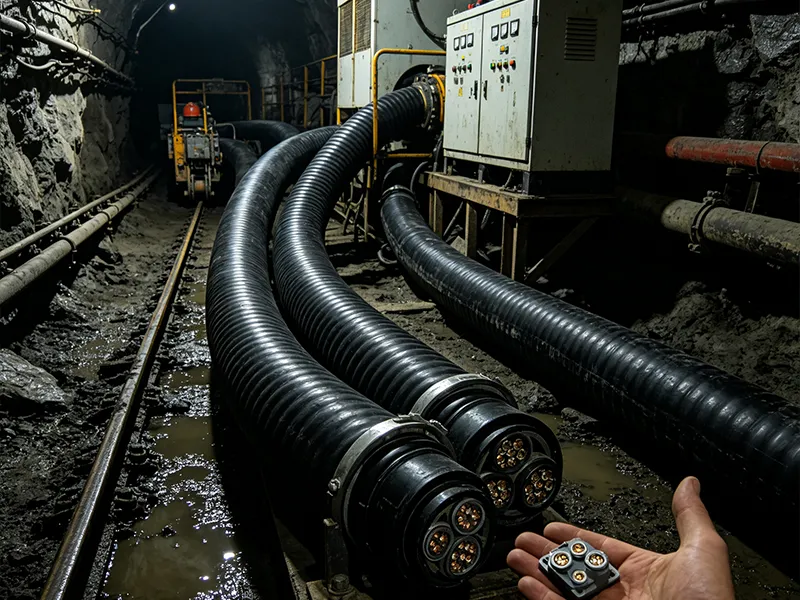
The cable construction combines copper conductors, mica fire-resistant material and flame-retardant PVC insulation and sheath. During installation, the cable should be protected from excessive pulling, sharp edges and damage to the fire-resistant layer. Appropriate fire-resistant jointing accessories should be selected where required by the installation design.

Manufacturer and Project Support

Qiancheng Cable manufactures power and control cable products at its production facility in Hengshui, Hebei. Factory inspection, technical documentation and project-specific product information can be provided according to the order. For overseas projects, the required certificates, test reports and documentation should be confirmed before production so that the supplied documents match the destination and project requirements.

Copper PVC Fire Resistant Low Voltage Power CableCopper PVC Fire Resistant Low Voltage Power CableCopper PVC Fire Resistant Low Voltage Power Cable

Applications

Emergency Power Circuits

The cable can be considered for low-voltage circuits where maintaining electrical continuity during a specified fire condition is part of the project requirement, including emergency lighting, fire alarm and other safety-related systems.

Hospitals and Public Buildings

Hospitals, schools, commercial buildings and other public facilities may specify fire-resistant cable constructions for selected emergency and fire-protection circuits. The required fire duration and test standard should be confirmed from the project specification.

Cable Trays and Cable Trenches

The product can be used in cable trays, trenches and other protected routing systems where the cable construction and installation conditions are compatible. Cable routing should provide appropriate protection against mechanical damage and excessive bending.

Industrial and Infrastructure Projects

Industrial plants, infrastructure facilities and other low-voltage distribution systems may require fire-resistant circuits for critical equipment. Conductor size, core configuration, installation method and fire-performance requirements should be confirmed before specification.

FAQ

Q1: How does this cable differ from a conventional flame-retardant cable?

A: A flame-retardant cable primarily limits flame propagation, while a fire-resistant construction incorporates a fire-resistant layer intended to maintain circuit integrity for a specified period under defined fire-test conditions. The applicable fire duration and test temperature depend on the product specification and standard.

Q2: What conductor material is used?

A: The conductor is made from copper. The supplied production information specifies high-purity electrolytic copper rod as the starting material, followed by drawing and annealing. Conductor DC resistance is checked against the applicable technical requirements.

Q3: What tests can be performed before delivery?

A: Depending on the specified construction, testing can include fire-resistance, power-frequency withstand voltage, insulation resistance, conductor resistance and low-temperature bending. The required test report and inspection documents can be confirmed when placing the order.

Q4: Can English technical documents be provided for overseas projects?

A: English-language technical documents can be prepared according to the project and order requirements. The required certificate, test report and inspection-document list should be confirmed in advance because documentation requirements vary by destination, project and applicable standard.

Q5: Can the cable be supplied in different lengths and specifications?

A: Cable length and specification can be discussed according to the order. The required conductor cross-section, construction, quantity, reel length, marking and other technical details should be provided when requesting a quotation.

Q6: Where can this fire-resistant cable be installed?

A: Typical installation environments include cable trays, cable trenches and other protected low-voltage routing systems. It can be considered for emergency power, fire-protection and critical low-voltage circuits in public buildings, infrastructure and industrial facilities, subject to the project requirements.

Q7: Can customers inspect the factory or arrange third-party testing?

A: Factory visits and third-party inspection can be discussed according to the project and inspection arrangement. If independent sampling or testing is required, the sampling method, inspection scope and applicable test standard should be agreed before shipment.

Q8: What information should be provided when requesting a quotation?

A: Provide the required conductor cross-section, core configuration, cable length, rated voltage, installation method, fire-resistance requirement and destination. If the project requires specific standards, certificates or test reports, include those requirements with the inquiry so the product and documentation can be checked together.

For a project quotation, providing the cable specification, required fire-resistance duration, installation method and documentation requirements at the inquiry stage helps Qiancheng confirm the appropriate construction and inspection scope.


Send Inquiry
Contact Info

Looking for the right cable for a project or application? Send your requirements to Qiancheng Cable for product selection and quotation. You can provide the cable type, voltage rating, conductor material, cross-section, core number, insulation, application and required quantity.

Whether you need standard cables or specification-based production, our team can review your requirements and recommend suitable product options from our manufacturing range.

X
We use cookies to offer you a better browsing experience, analyze site traffic and personalize content. By using this site, you agree to our use of cookies. Privacy Policy
RejectAccept