Products
Copper PVC Control Cable
  • Copper PVC Control CableCopper PVC Control Cable
  • Copper PVC Control CableCopper PVC Control Cable
  • Copper PVC Control CableCopper PVC Control Cable

Copper PVC Control Cable

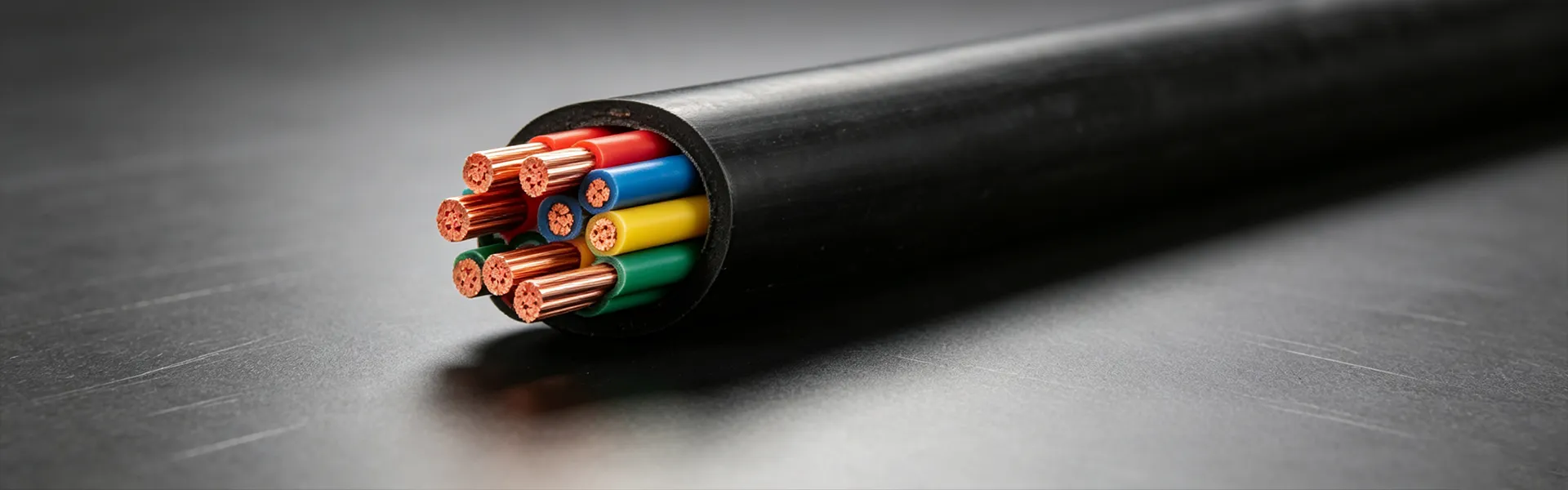
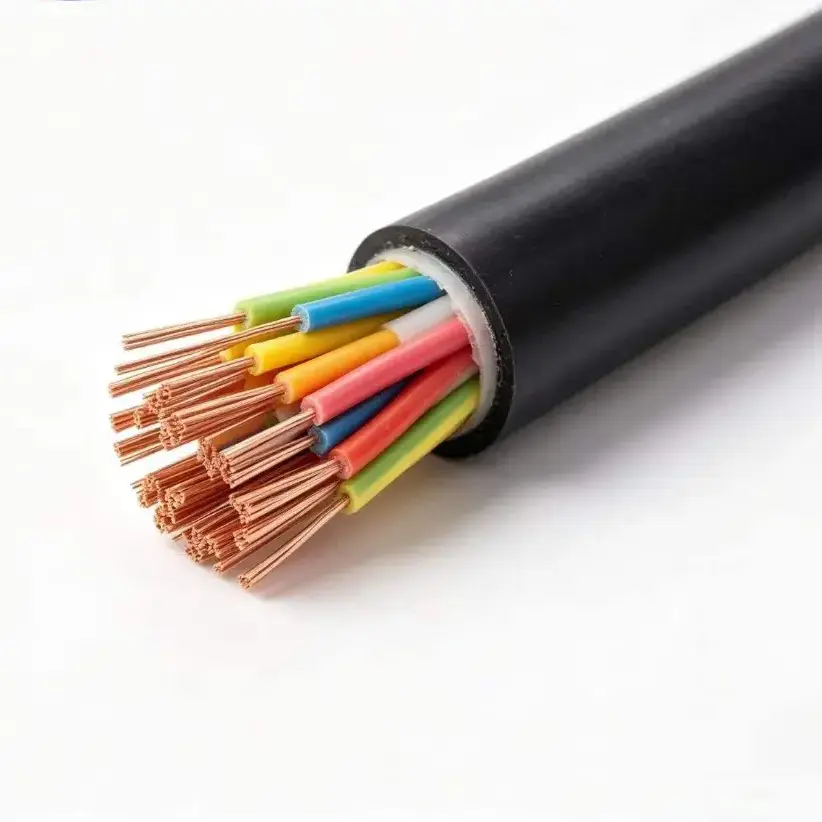
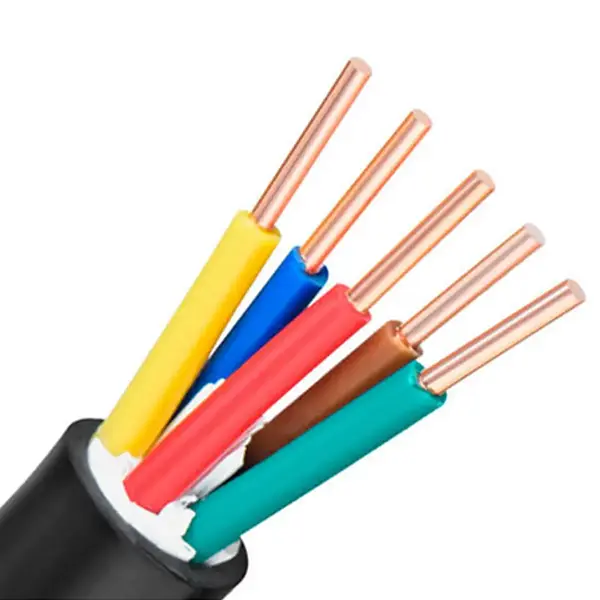
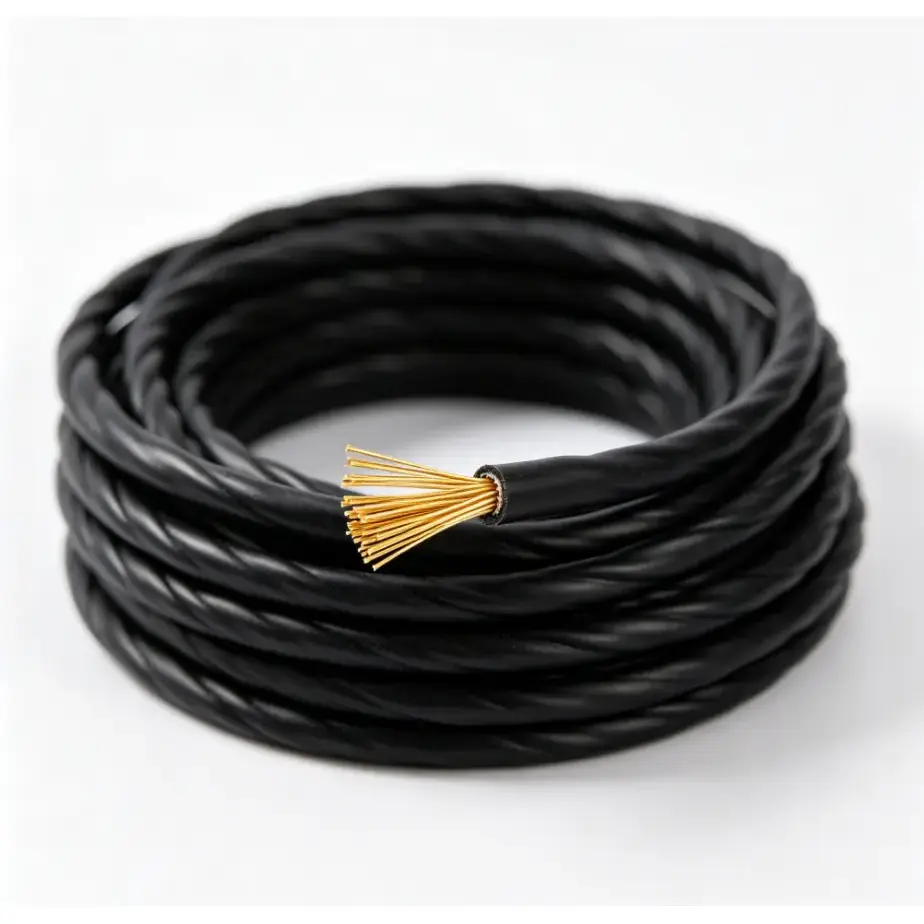
Copper PVC Control Cable from China Qiancheng is high-quality cable made in China and a flagship product of premium domestic suppliers. Made of high-purity copper core and premium PVC insulation material, it delivers excellent electrical conduction and insulation performance, with good aging-resistance and corrosion-resistance. It is suitable for electric control and signal transmission projects in industries including industry, municipal engineering and new energy. Complete specifications and stable quality support bulk supply.

Basic Product Model: KVV

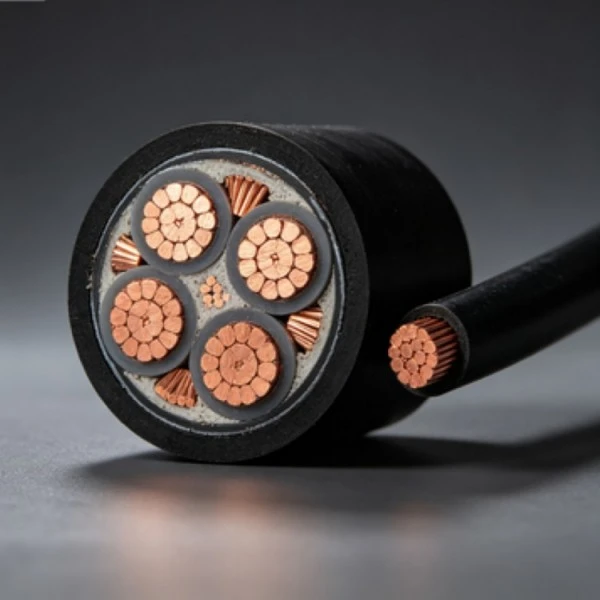
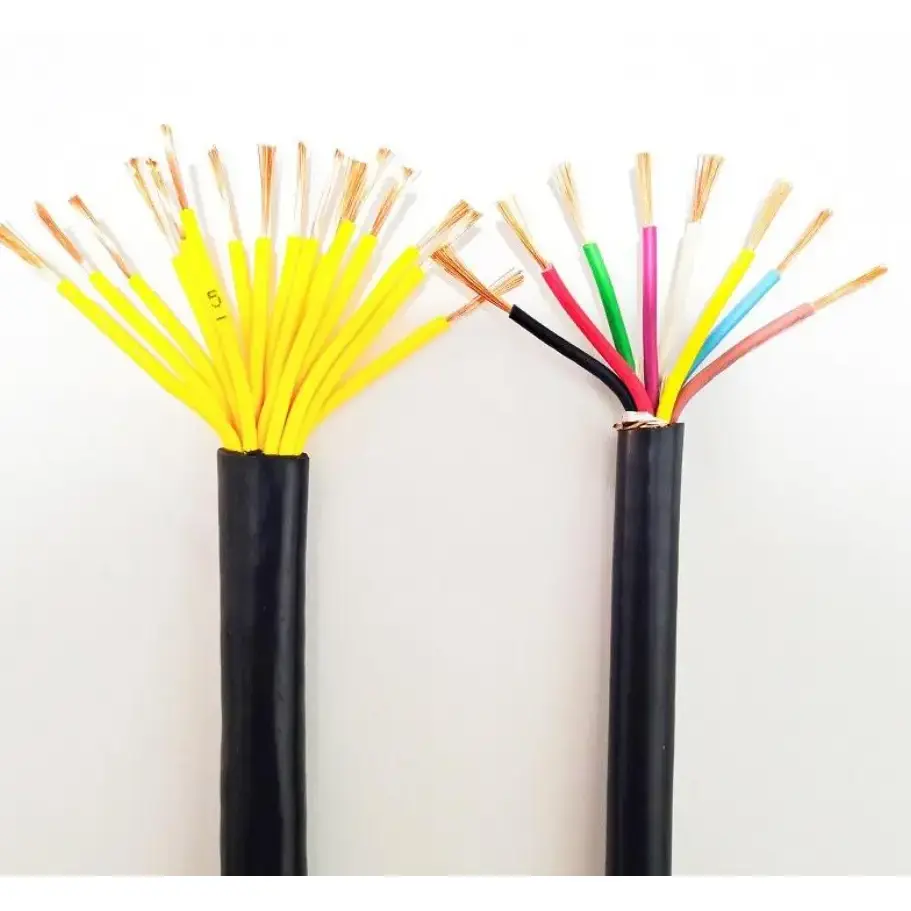
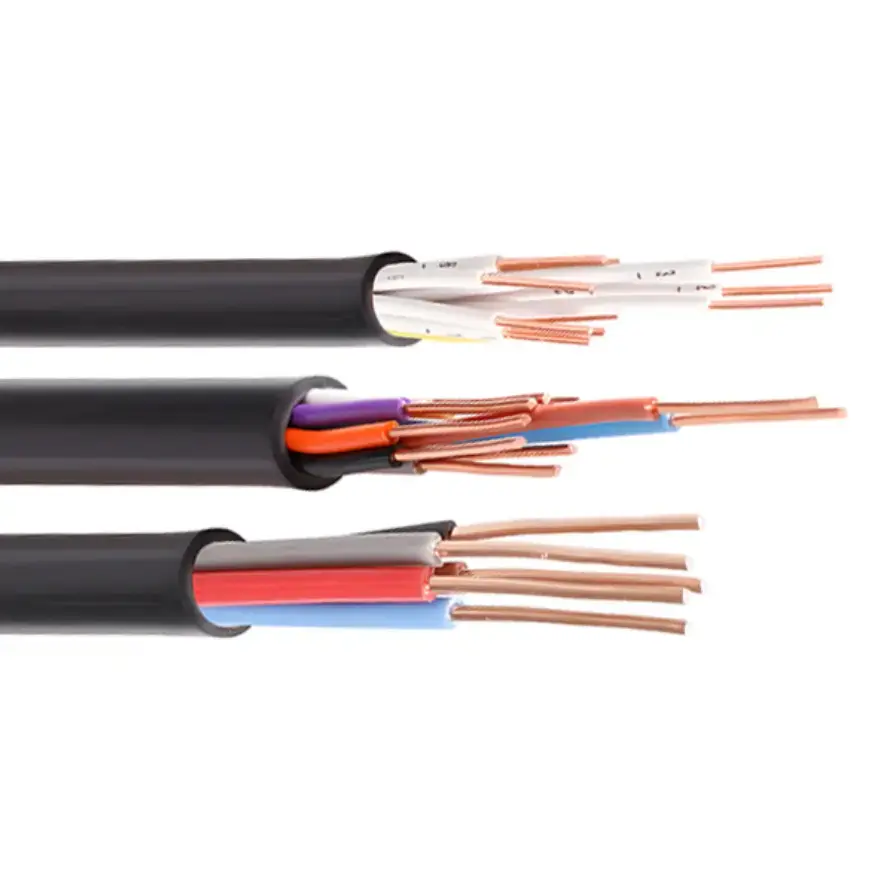
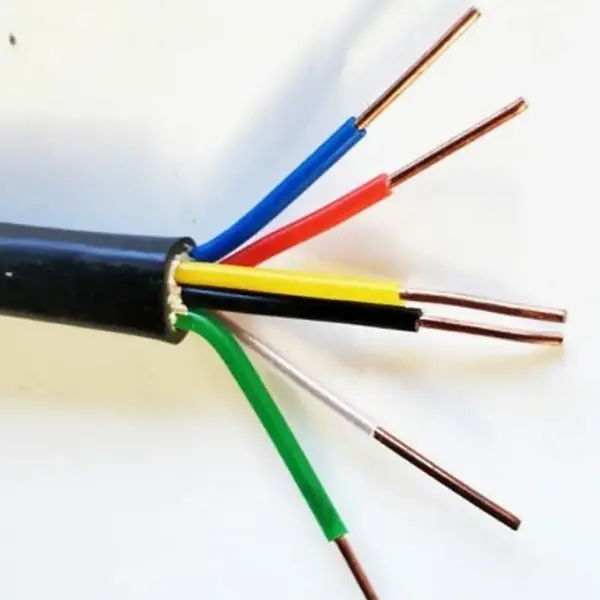
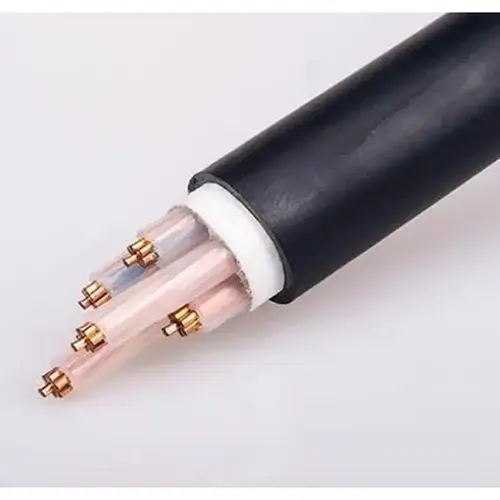
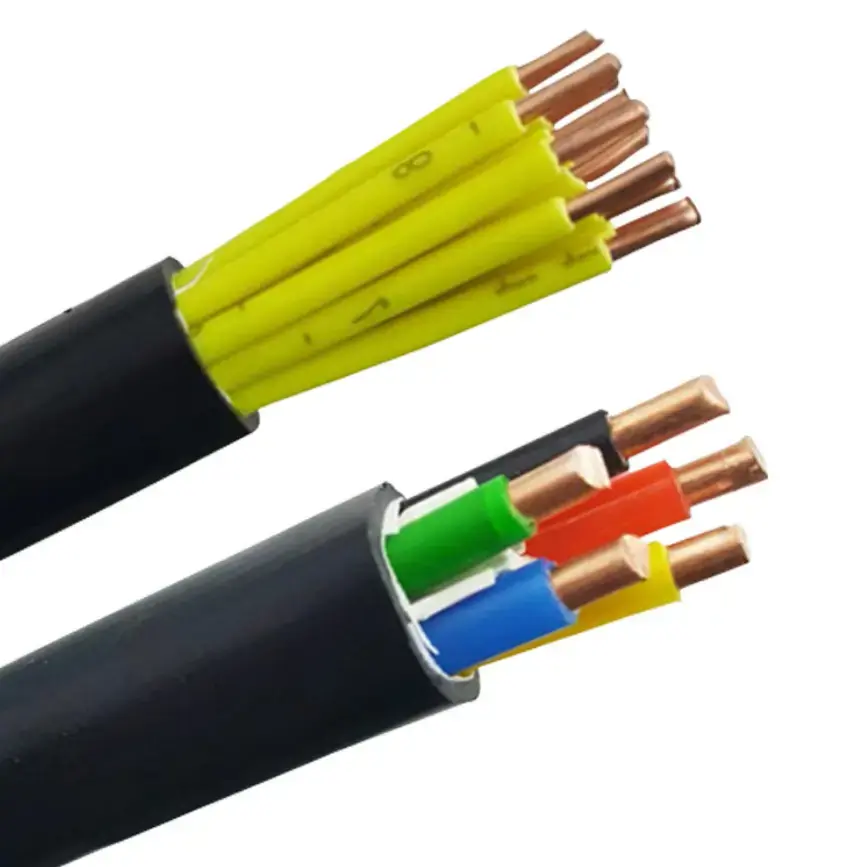
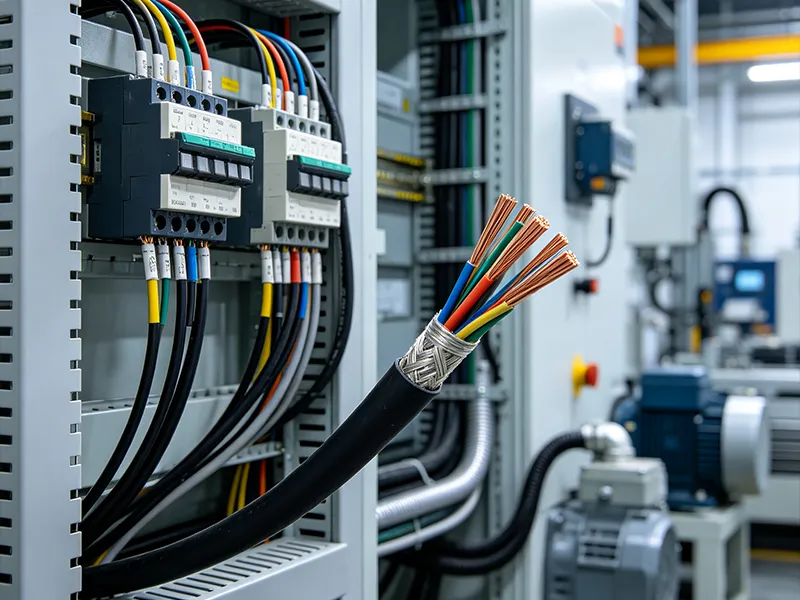
Copper PVC Control Cable combines a high-purity oxygen-free copper conductor with PVC insulation and a protective sheath for low-voltage control, monitoring and auxiliary circuits. The KVV construction is intended for fixed wiring where multiple control signals or electrical functions need to be routed through the same cable. Conductor size, core quantity, shielding and armoring can be selected according to the equipment configuration and installation environment.

For industrial automation, electrical equipment and building control systems, this cable provides a practical multi-core wiring option for connecting control cabinets, field devices, motors, sensors and other auxiliary circuits. The applicable specification should be confirmed from the circuit voltage, conductor cross-section, number of cores, laying method and environmental conditions rather than from core count alone.

Copper PVC Control Cable

Product Specification Dimensions and Technical Parameter Table

Parameter Item

Parameter Value / Technical Requirement

Remarks

Reference Standard

GB/T 9330-2020

National standard for plastic insulated control cables

Rated Voltage

450/750V

0.6/1kV

Conductor Material

High-purity oxygen-free copper

Maximum long-term allowable operating temperature ≤70℃

Conductor Cross-section Range

0.5 ~ 10 mm²

Common specifications: 0.75, 1.0, 1.5, 2.5 mm²

Core Quantity Range

2 ~ 61 cores

Common specifications: 4, 7, 10, 14, 19, 24, 37 cores

Insulation Resistance (70℃)

≥ 0.01 MΩ·km

Actual value varies with cross-section area

Voltage Withstand Test

3.0 kV /5min no breakdown

Guarantees insulation reliability for signal transmission

Minimum Bending Radius (Non-armored)

≥ 6 × cable outer diameter

Do not go below this value during laying

Minimum Bending Radius (Armored / Copper Tape Shielded)

≥ 12 × cable outer diameter

Excessively small bending radius may crack insulation layer

Minimum Bending Radius (Shielded Flexible Cable)

≥ 6 × cable outer diameter


Laying Ambient Temperature

≥ 0℃

Pre-heat cable if temperature below 0℃

Direct-buried Laying Depth

≥ 0.7 m

Cover with cement protection slab or fine sand to prevent external mechanical damage

Multi-cable Parallel Laying

Reserve heat dissipation gap

Avoid accelerated insulation aging caused by long-term overload

Insulation / Sheath Material

Premium PVC

Good flame retardancy, wear resistance and anti-aging performance

Braided Shield Coverage Rate

≥ 80%

For KVVP/KVVRP models

Copper Tape Shield

Copper tape wrapping

KVVP2 model, better low-frequency anti-interference than braided shield

Steel Tape Armoring

Double steel tape wrapping

KVV22 model, high mechanical protection grade

Conductor Type (Solid Core)

Single copper wire

KVV/KVVP/KVVP2/KVV22

Special-environment Selection

NH-KVV

Fire-resistant type maintains power & signal transmission for over 90 minutes

Export Standard

IEC 60227 / IEC 60502

IEC 60227 corresponds to 450/750V

Coal-mine Cable

MA coal-safety certification required


Core Quantity Selection Suggestion

Reserve 10%-20% spare cores

Convenient for later-stage maintenance and expansion

Cross-section Selection Suggestion

0.75~1.0mm² for low-power applications

1.5~2.5mm² for industrial automation; above 4mm² for large-scale projects

Construction and Electrical Characteristics

Copper Conductor for Control and Auxiliary Circuits

The conductor is specified as high-purity oxygen-free copper, with cross-sectional options from 0.5 to 10 mm². For control applications, the conductor size should correspond to the connected load, control voltage, permissible voltage drop and installation distance. The available core range of 2 to 61 cores also allows one cable to accommodate multiple control or monitoring circuits.

PVC Insulation and Sheath

PVC provides the primary electrical insulation and external protection for the standard KVV construction. The listed maximum long-term operating temperature is 70℃, while the table specifies a laying ambient temperature of at least 0℃. Installation conditions outside these limits require confirmation of the applicable cable construction and material grade rather than simply changing the installation method.

Shielding and Armoring Options

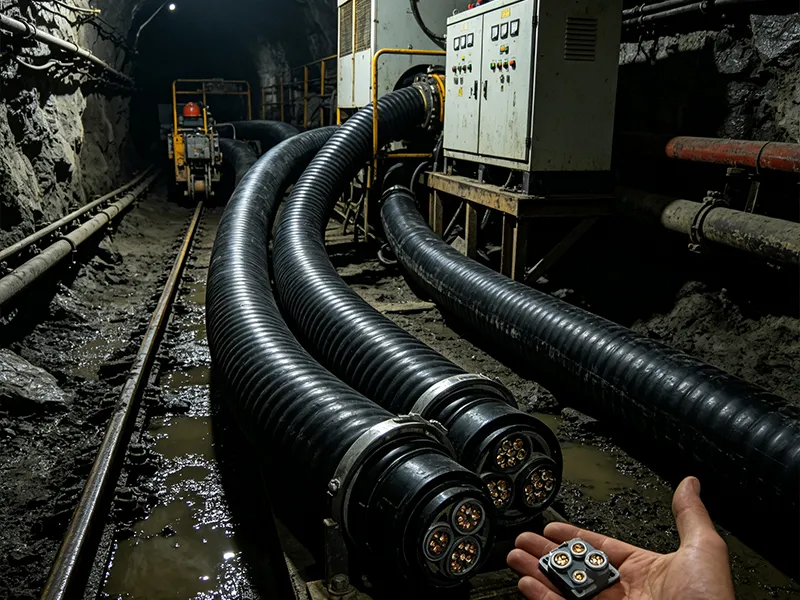
Control circuits installed close to variable-frequency equipment, motors or other electrical sources may require additional shielding. KVVP and KVVRP configurations can use braided shielding with the specified coverage rate, while KVVP2 uses copper tape wrapping. Where mechanical protection is a priority, the KVV22 construction adds double steel tape armoring. These configurations should be selected according to the source of interference, mechanical exposure and laying route.

Installation Conditions That Affect Cable Selection

The installation method has a direct relationship with the cable construction required for a project. Non-armored cables listed in the specification table have a minimum bending radius of 6 times the cable outer diameter, while armored or copper-tape-shielded constructions require at least 12 times the outer diameter. Maintaining the specified bending radius helps prevent excessive mechanical stress on the insulation and cable structure during installation.

For direct burial, the listed minimum depth is 0.7 m, with additional protection against external mechanical damage. When several cables are installed in parallel, adequate heat dissipation space should be maintained. These details are particularly relevant when the same control cable specification is being used across different installation areas.

Copper PVC Control Cable

Application Scenarios

Industrial Automation: Copper PVC Control Cable can be used for PLC control cabinets, production-line equipment, machine control circuits and auxiliary signal wiring where multiple low-voltage control functions need to be connected.

Mechanical and Electrical Equipment: Applied to control and feedback circuits associated with pumps, fans, compressors, machine tools, refrigeration equipment and other electrical machinery.

Building and Municipal Systems: Used in building automation, elevator control, fire-control equipment, street-light control and water supply or drainage systems where the cable specification matches the applicable circuit requirements.

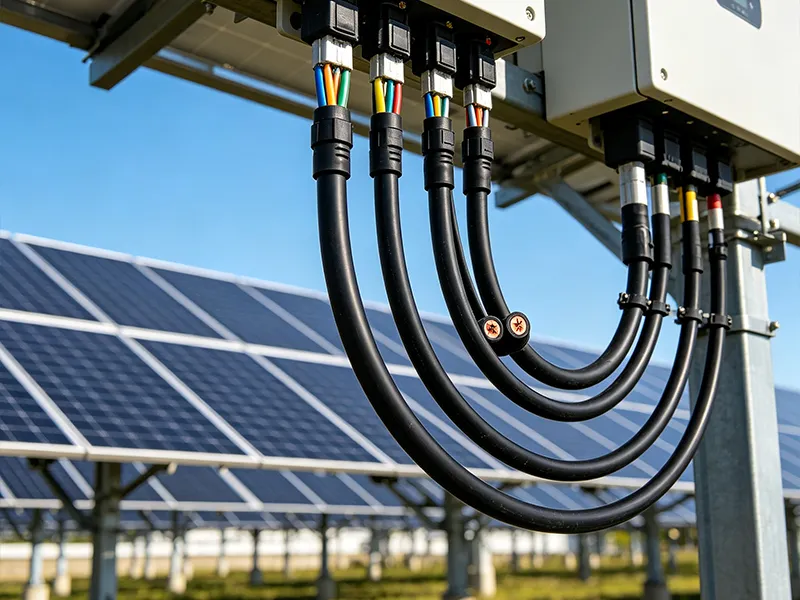
New Energy Equipment: Can be used for auxiliary control and monitoring circuits around photovoltaic equipment, energy-storage systems and charging infrastructure when the voltage, temperature and installation conditions fall within the applicable specification.

Transportation and Warehousing: Applied to control circuits for conveying systems, warehouse equipment and other electrically operated logistics systems. Shielded or armored constructions can be considered where interference or mechanical exposure requires additional protection.

Copper PVC Control CableCopper PVC Control CableCopper PVC Control CableCopper PVC Control Cable

Quality and Specification Verification

For a technical procurement or project specification, Copper PVC Control Cable should be checked against measurable parameters rather than relying only on general product descriptions. Relevant items include conductor material, cross-sectional area, core quantity, insulation resistance, voltage withstand performance, bending radius and the selected shielding or armoring structure.

The supplied specification identifies GB/T 9330-2020 as the reference standard and provides rated voltage, resistance, insulation and installation requirements. For export projects, the required IEC standard, test documentation and destination-market requirements should be confirmed separately before production. Where a shielded, armored or fire-resistant construction is required, the exact model should also be stated in the purchase specification.

How to Select the Appropriate Specification

Start with the electrical function of the circuit and determine whether the cable carries control, monitoring, feedback or auxiliary signals. Then confirm the required conductor cross-section and core quantity. For projects with electrical interference, consider a shielded construction; for exposed routes where mechanical protection is important, an armored version may be more appropriate.

For larger control systems, reserving additional cores can provide capacity for future circuit changes. The table lists a 10%-20% spare-core suggestion, while cross-section selection should be checked against actual load, circuit length, voltage drop and installation conditions. A larger conductor should not be selected solely because the project has a greater number of control points.

FAQ

1. What standard is used for this cable?

The specification provided for the product references GB/T 9330-2020 for plastic insulated control cables. For export orders, IEC requirements and destination-market standards should be confirmed according to the actual application and cable construction.

2. What core quantities and conductor sizes are available?

The listed range covers 2 to 61 cores and conductor cross-sections from 0.5 to 10 mm². Common core quantities include 4, 7, 10, 14, 19, 24 and 37 cores, while 0.75, 1.0, 1.5 and 2.5 mm² are listed as common cross-sections.

3. Is a shielded version available for applications with electrical interference?

Yes. KVVP and KVVRP constructions can be specified with braided shielding at the listed coverage rate of at least 80%. KVVP2 uses copper tape wrapping. The appropriate shielding structure depends on the interference source and installation environment.

4. What are the operating and laying temperature requirements?

The supplied technical data lists a maximum long-term allowable operating temperature of 70℃ and a conventional laying ambient temperature of at least 0℃. If installation below 0℃ is required, cable preheating is specified in the table. Special low-temperature constructions should be confirmed separately for colder environments.

5. Can the cable be used for direct burial?

The supplied specification lists a minimum direct-buried laying depth of 0.7 m and calls for protection against external mechanical damage. The actual cable construction should be checked against soil conditions, mechanical exposure, moisture and the project installation requirements before direct burial.

6. What information should be provided when requesting a quotation?

For an accurate specification check, provide the required core quantity, conductor cross-section, rated voltage, cable length, laying method and installation environment. If shielding, copper tape wrapping, steel tape armoring or a fire-resistant construction is required, include the corresponding requirement so the cable model and technical documentation can be matched correctly.


Hot Tags: Copper PVC Control Cable, PVC Insulated Control Cable, Control Cable Manufacturer
Send Inquiry
Contact Info

Looking for the right cable for a project or application? Send your requirements to Qiancheng Cable for product selection and quotation. You can provide the cable type, voltage rating, conductor material, cross-section, core number, insulation, application and required quantity.

Whether you need standard cables or specification-based production, our team can review your requirements and recommend suitable product options from our manufacturing range.

X
We use cookies to offer you a better browsing experience, analyze site traffic and personalize content. By using this site, you agree to our use of cookies. Privacy Policy
RejectAccept